Infantry Weapons

KPV

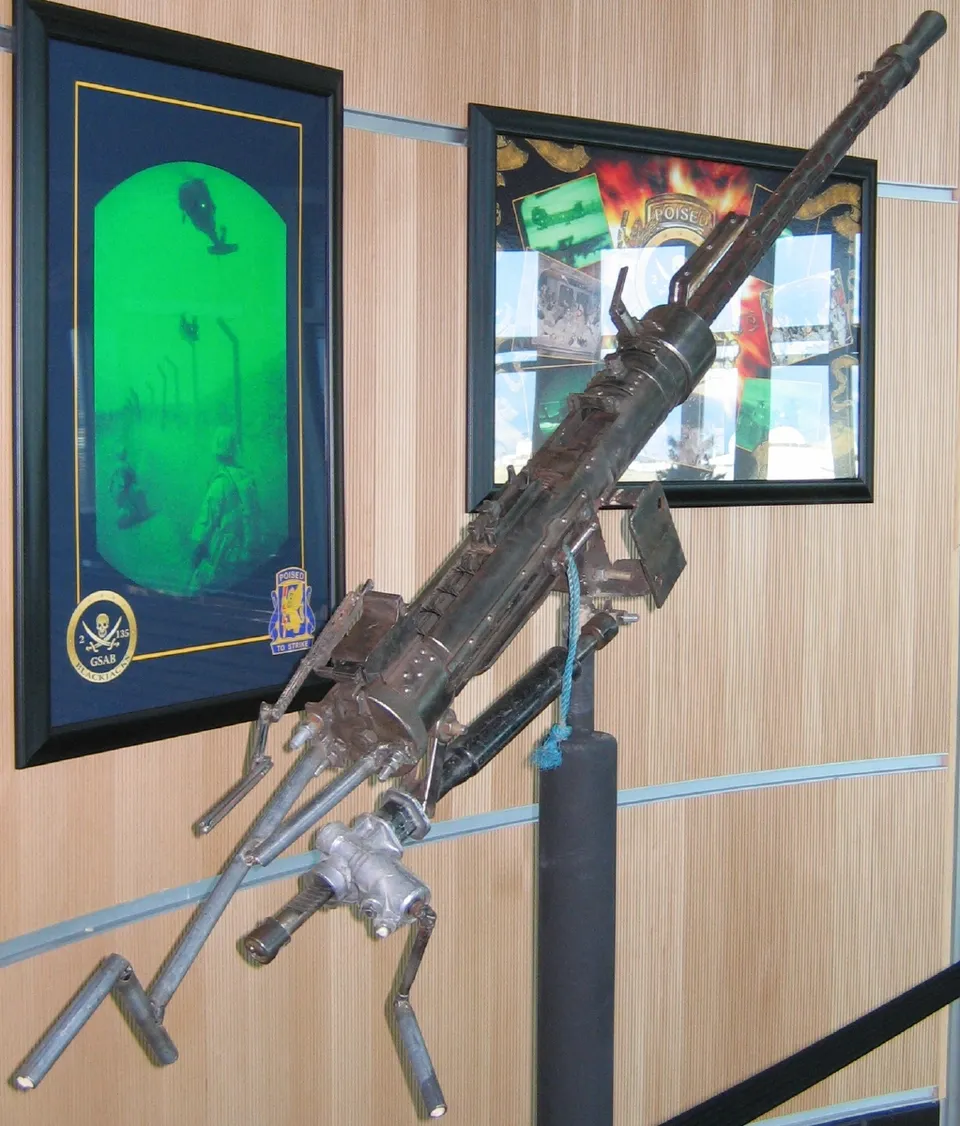
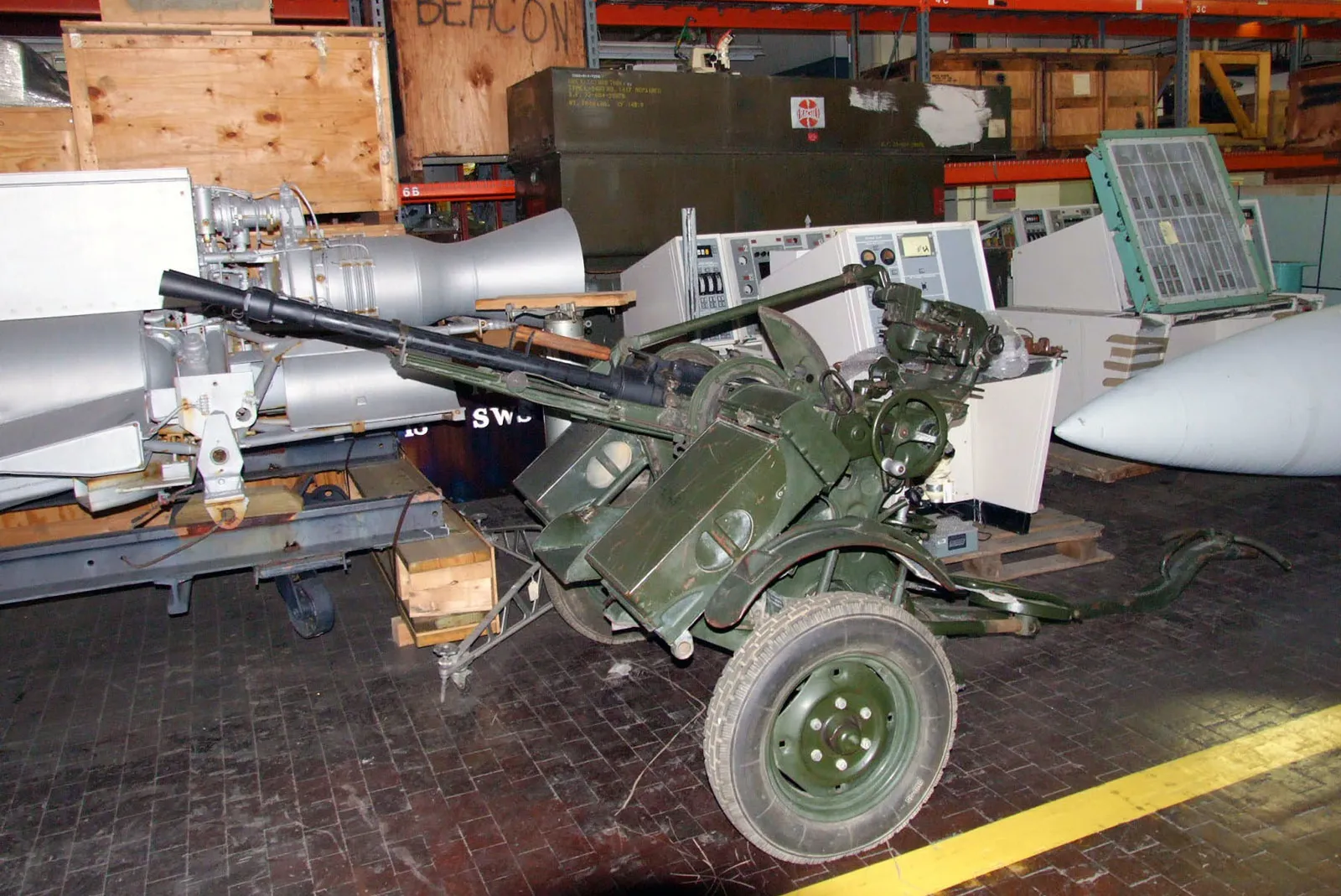
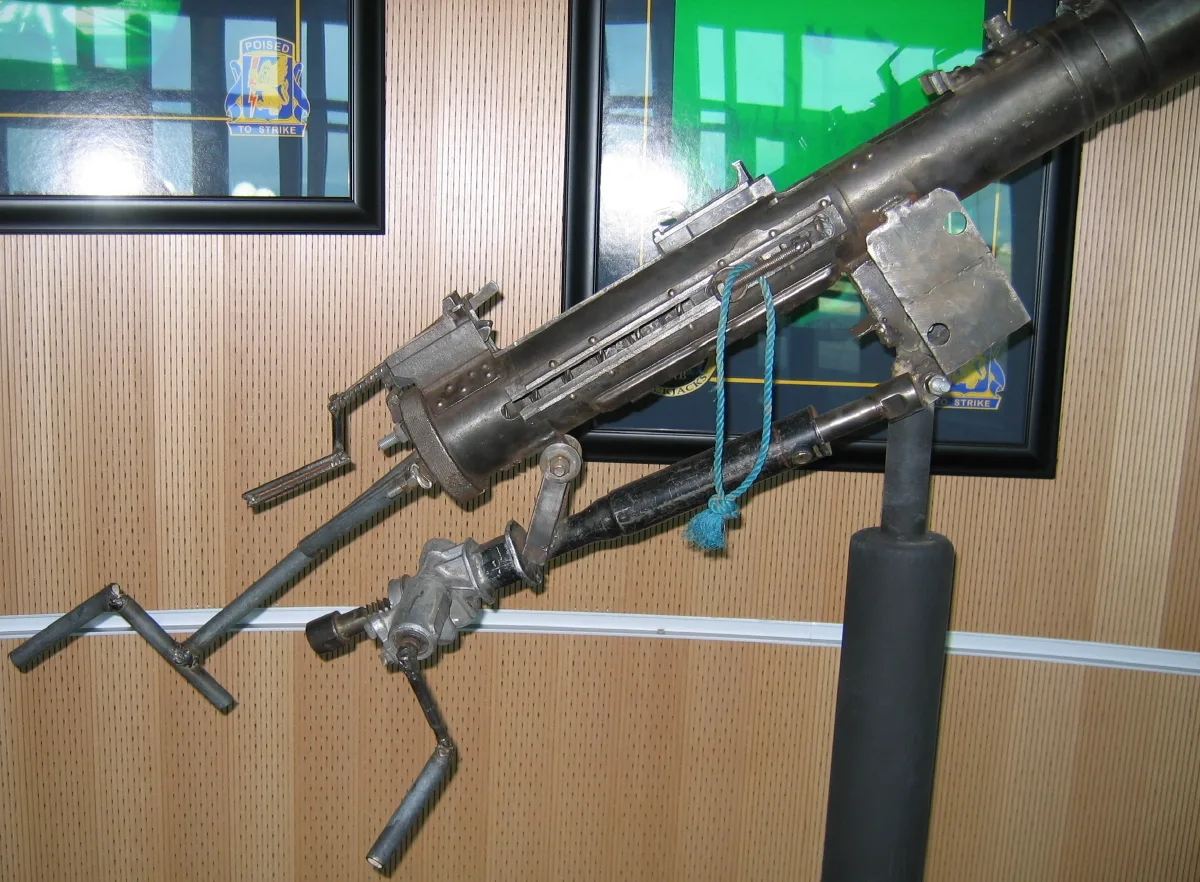
The KPV is a Soviet 14.5x114 mm heavy machine gun designed by Semyon Vladimirov and produced at the V. A. Degtyarev Plant. Its high-energy cartridge made it useful against light armor, field positions, small craft, and low-flying aircraft, so the family spread from the original infantry gun into KPVT vehicle guns, ZPU anti-aircraft mounts, and modern improvised mounts seen in the Russia-Ukraine War.

Conflict side
Ukraine
Built by
V. A. Degtyarev Plant (ZiD)
Built in
Soviet UnionRussia
KPV, 14.5 mm heavy machine gun, Infantry Weapons

Profile

Type
14.5 mm heavy machine gun
Conflict side
Ukraine
Origin
Soviet Union
Service note
Entered Soviet service in 1949; still used in vehicle, naval, and anti-aircraft mounts.
heavy machine gunanti-aircraftanti-tank

Service History

In service
1949-present
Used by
Ukrainian Armed Forces, Russian Armed Forces, Former Soviet and Warsaw Pact operators
Wars
Russia-Ukraine War

Production History

Designer
Semyon Vladimirov
Designed
1944 design; postwar refinement before 1949 service entry
Built by
V. A. Degtyarev Plant (ZiD)
Built in
Soviet UnionRussia
Produced
1949-present
Variants
KPV, KPVT, ZPU-series mounts

Specifications

Caliber
14.5x114 mm
Operation
Short recoil operation with rotary bolt
Feed
Metallic belt, commonly 40 or 50 rounds depending on variant
Rate of fire
About 550-600 rounds per minute cyclic
Muzzle velocity
About 990-1,005 m/s depending on ammunition
Weight
About 52.5 kg for KPVT gun body
Effective range
About 2 km against ground targets and 1.4-2 km class against air targets depending on mount and sights

Conflict Usage

Russia-Ukraine War
Side: Ukraine

Ukrainian forces have used KPV/KPVT 14.5 mm machine guns in improvised and vehicle-mounted roles, including KPVT-armed technicals and Czech MR-2 Viktor air-defense pickups supplied for counter-UAV defense.

KPV Images

Related Weapon Systems

9K114 Shturm, Radio-command anti-tank guided missile system, Infantry WeaponsInfantry Weapons9K114 ShturmRadio-command anti-tank guided missile systemThe 9K114 Shturm is a Soviet radio-command anti-tank guided missile system built around the 9M114 Kokon missile and known to NATO as AT-6 Spiral. Designed by KBM Kolomna for attack helicopters and the MT-LB-based 9P149 Shturm-S carrier, it combines SACLOS guidance, a fast missile, and a roughly 5 km baseline range. In the Russia-Ukraine War, Russian 9P149 vehicles have been captured or displayed as battlefield trophies, while Ukrainian units have shown Shturm-S use and modernization efforts to keep the system relevant for anti-armor missions.
9K115 Metis, Man-portable anti-tank guided missile system, Infantry WeaponsInfantry Weapons9K115 MetisMan-portable anti-tank guided missile systemThe 9K115 Metis is a Soviet/Russian man-portable, wire-guided anti-tank guided missile family developed for company-level infantry anti-armor fire. The original AT-7 Saxhorn system emphasized a light launcher and short-range portability, while the later 9K115-2 Metis-M and Metis-M1 variants use larger 130 mm missiles, tandem HEAT or thermobaric warheads, and ranges up to 2 km. In the Russia-Ukraine War, Russian forces have been documented using the upgraded AT-13 Saxhorn-2 / Metis-M variant against Ukrainian armor.
BGM-71 TOW, Heavy anti-tank guided missile, Infantry WeaponsInfantry WeaponsBGM-71 TOWHeavy anti-tank guided missileThe BGM-71 TOW is a U.S. heavy anti-tank guided missile built around tube launch, optical tracking, and command guidance through a wire or later radio-frequency link. Developed by Hughes and now produced and upgraded by Raytheon, it can be fired from dismounted launchers, HMMWVs, Bradley and Stryker vehicles, light armored vehicles, and helicopters, giving infantry and vehicle crews a long-range precision anti-armor weapon. In the Russia-Ukraine War, U.S. security assistance packages sent TOW missiles to Ukraine as part of the anti-armor mix used to offset Russian armored forces.

Sources