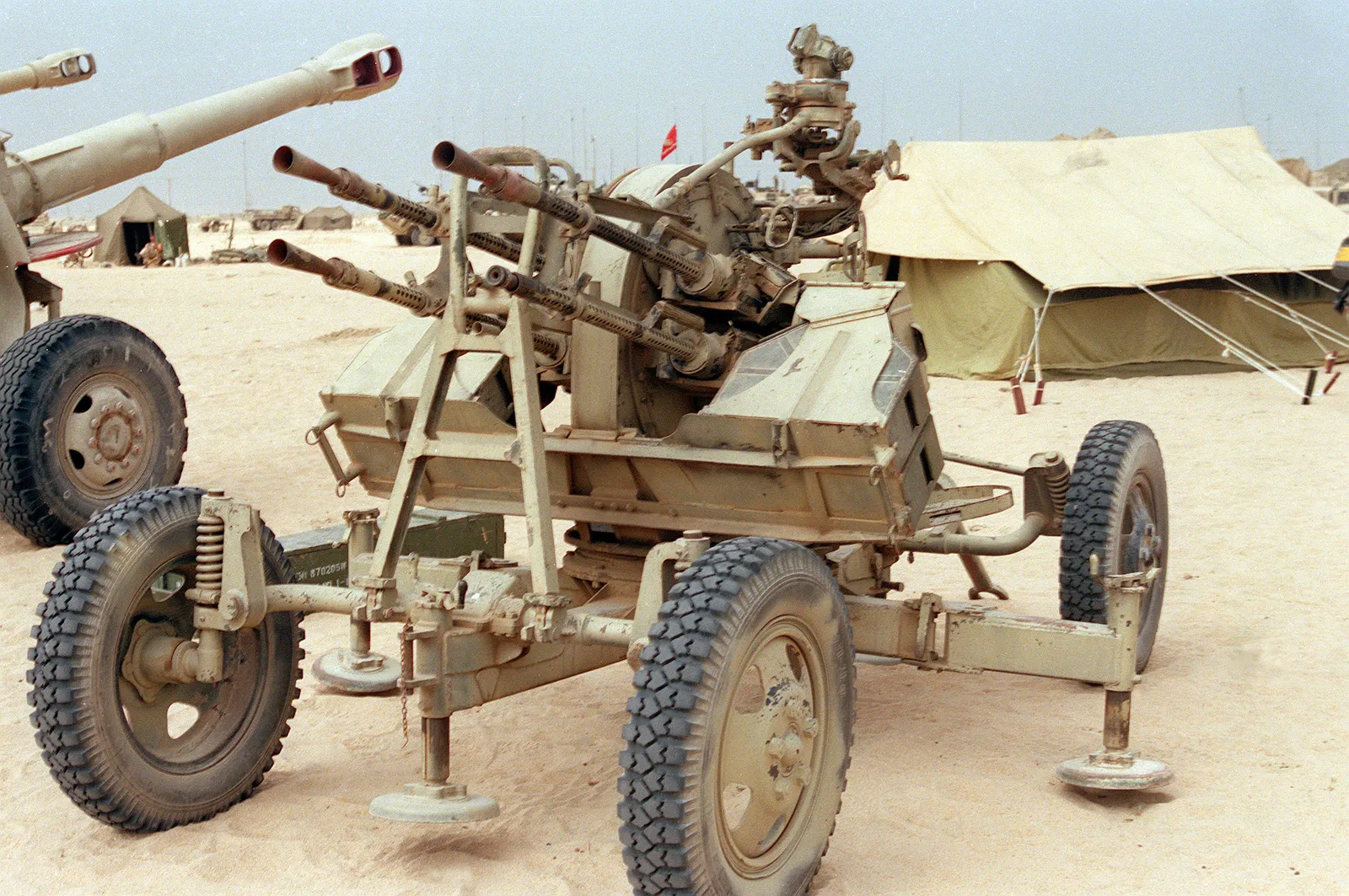
- Side
- North Vietnam and Viet Cong

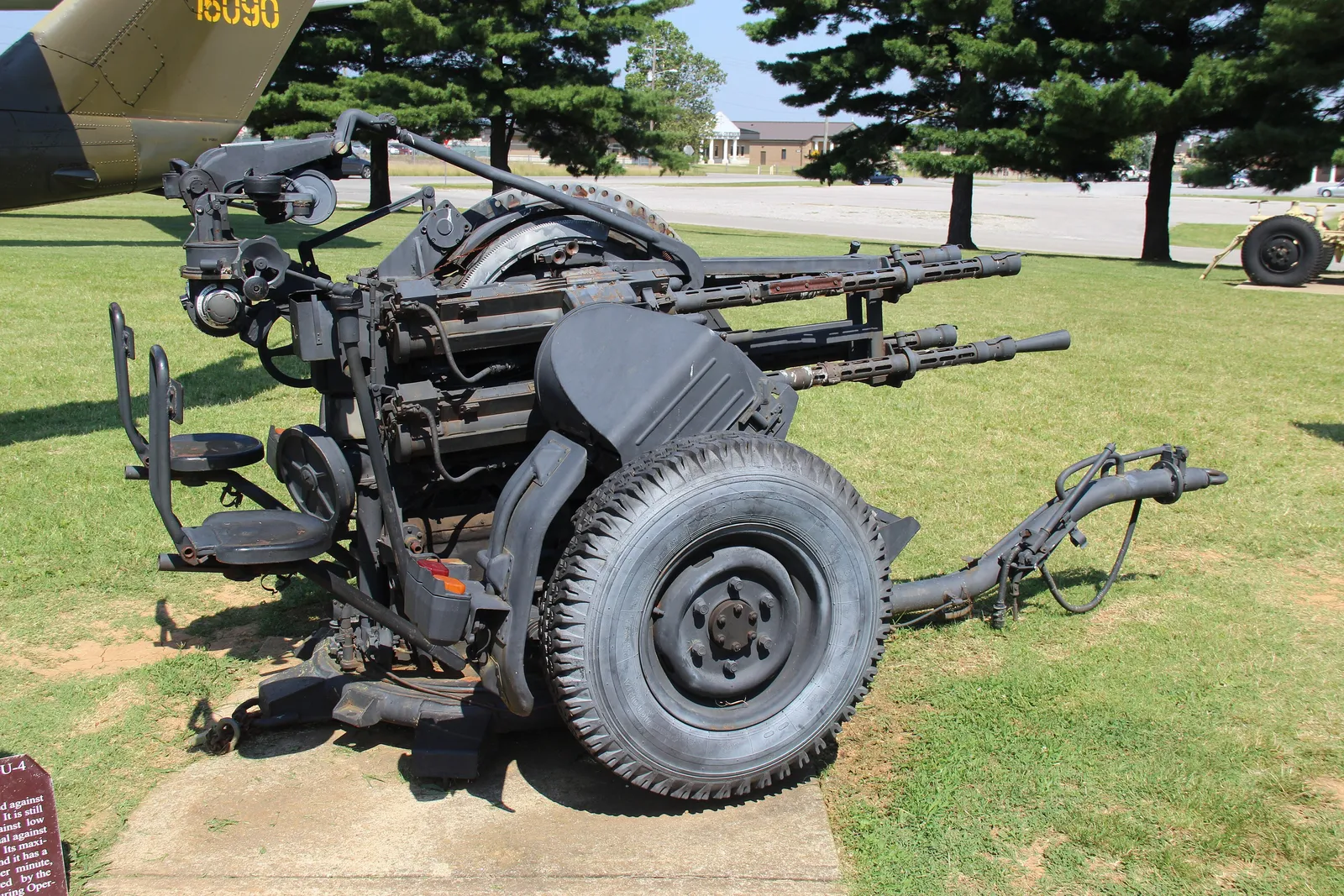
HistoryNet describes the 14.5 mm ZPU-4 as a North Vietnamese light anti-aircraft weapon encountered in Laos and South Vietnam, while museum sources identify it as a Vietnam War threat to U.S. helicopter pilots.
The ZPU-4 is a Soviet quadruple 14.5 mm anti-aircraft gun built around four KPV/KPVT heavy machine guns on a four-wheel carriage. Museum, monitoring, and open-source records connect the Cold War gun to Vietnam War helicopter defense, Iraqi air defense, Libyan and Syrian pickup-mounted fire support, SPLA-N-held anti-aircraft positions in Sudan, and anti-Houthi Giants Brigades forces in Yemen.
HistoryNet describes the 14.5 mm ZPU-4 as a North Vietnamese light anti-aircraft weapon encountered in Laos and South Vietnam, while museum sources identify it as a Vietnam War threat to U.S. helicopter pilots.
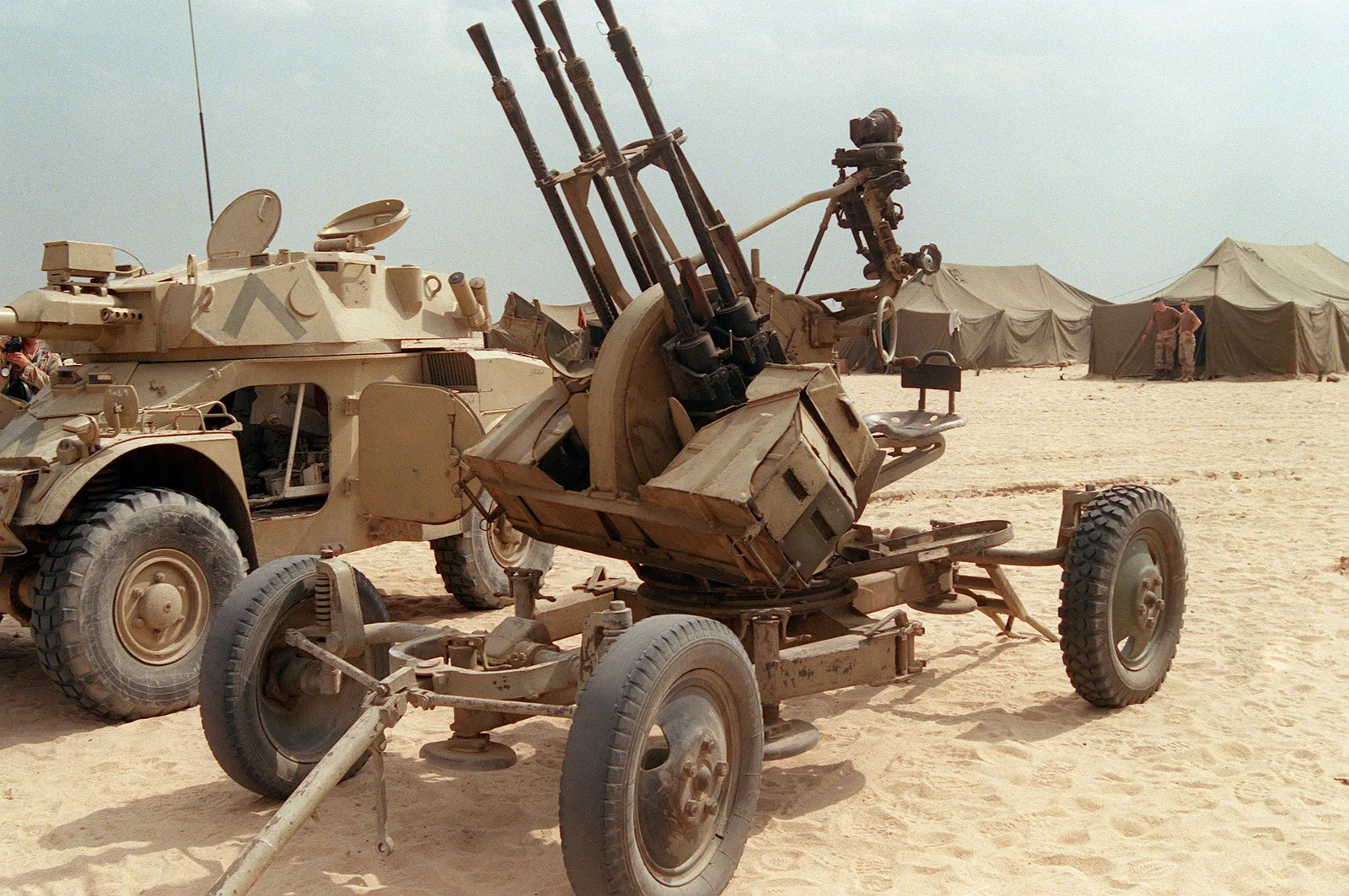
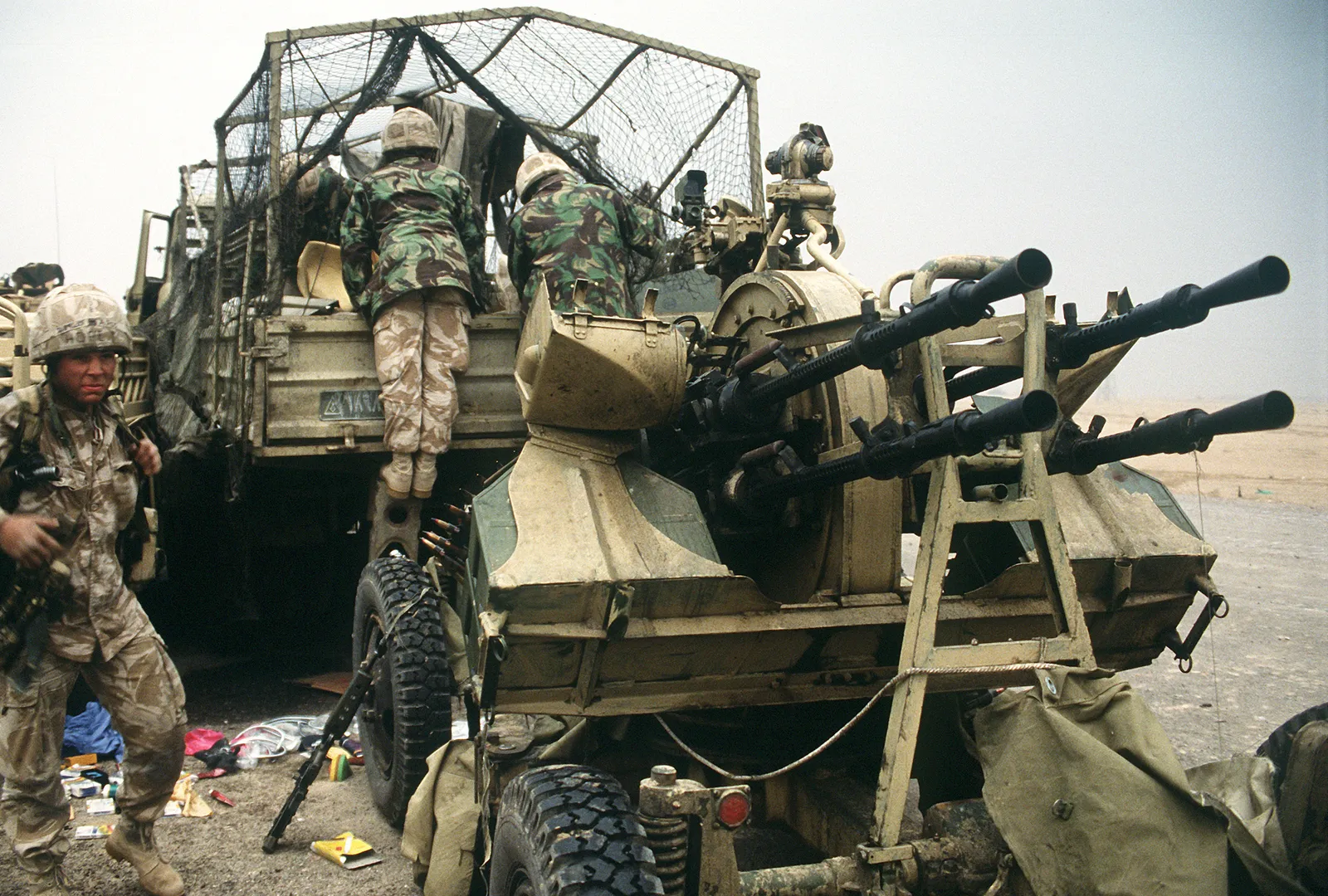
A U.S. Air Force museum record for a captured ZPU-4 states that Iraqi forces used the Soviet-built quadruple 14.5 mm anti-aircraft gun during Operation Desert Storm in 1991.
Role detailsA U.S. National Archives/DVIDS image record documents an abandoned Russian 14.5 mm ZPU-4 anti-aircraft machine gun found at Mosul Airport during Operation Iraqi Freedom on 27 April 2003.
Role detailsBBC reporting on weapons used by both sides in Libya described single-, twin-, and four-barrel Soviet or Chinese anti-aircraft weapons, including ZPU-2 and ZPU-4 types, mounted on wheels or civilian pickup vehicles during the 2011 First Libyan Civil War.
Small Arms Survey documented a 14.5x114 mm ZPU-4 quad-barrelled cannon at an SPLA-N base behind the Daldoko front lines in South Kordofan in December 2012, in a report on weapons photographed in SPLA-N-controlled territory.
Syrian government defenders at Kweres airbase placed 14.5 mm ZPU-4 guns around the base as heavy defensive firepower, while YPG/SDF-aligned forces in northern Syria were documented with small quantities of pickup-mounted 14.5 mm ZPU-4s.
Role detailsAnti-Houthi Giants Brigades forces in Yemen were reported using technicals fitted with heavy weapons, including ZPU-4 anti-aircraft machine guns, during the 2014 Yemen Civil War; the available open source identifies the formation and weapon type but does not quantify the number of mounts.
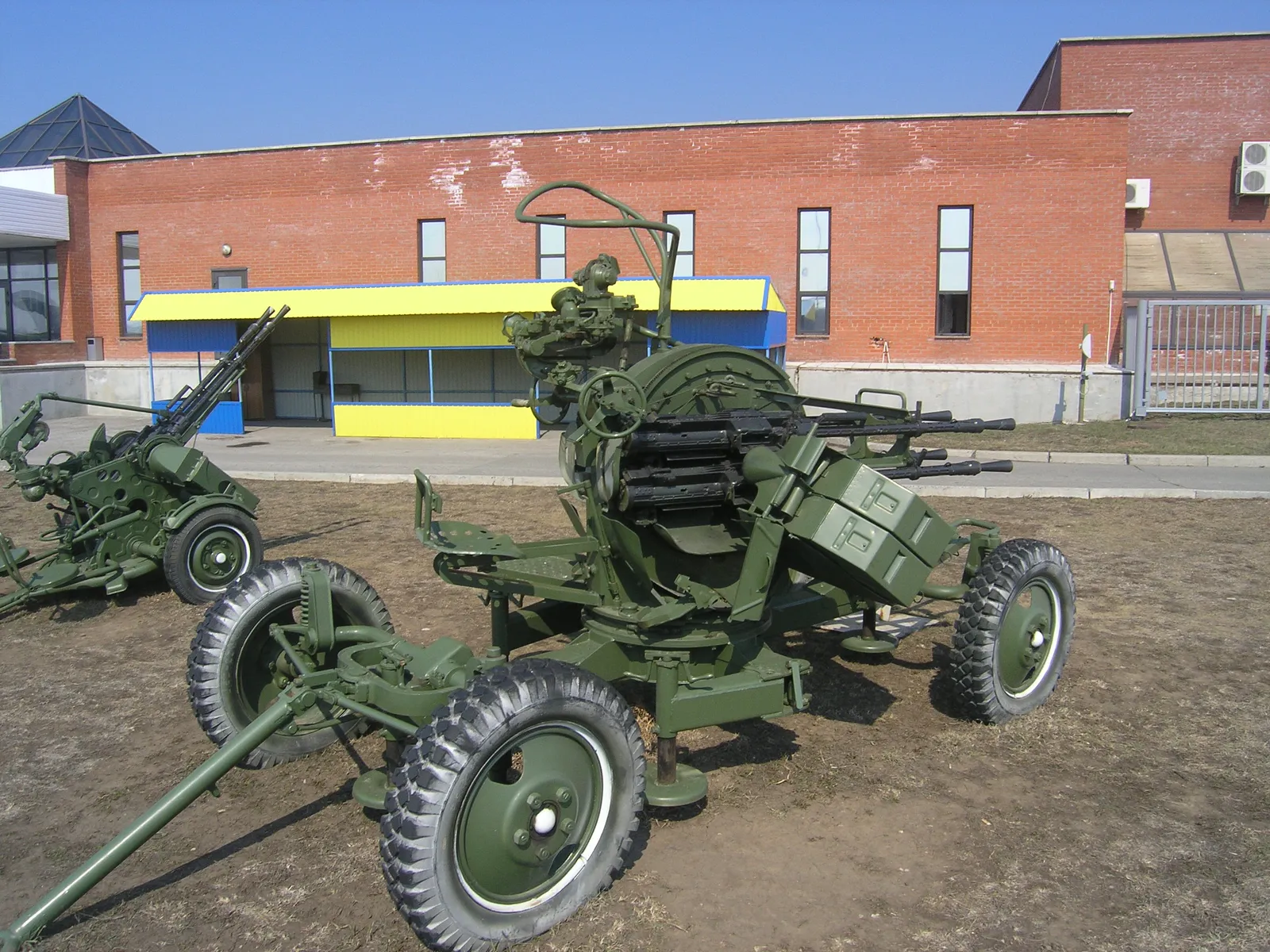
Role detailsThe ZPU-4 concentrates four 14.5 mm KPV/KPVT guns on a manually traversed four-wheel carriage, giving the mount a high volume of fire against low-flying aircraft and exposed ground targets.
Four KPV/KPVT heavy machine guns are grouped on one carriage and fed by separate belts.
Sources: Vladimirov KPV ZPU-4; ZPU-4.
Weaponsystems.net lists the original APO-14.5 sight and later ZAPP-4 sight, placing the mount in the early Cold War optical-predictor generation rather than the radar-guided missile era.
Source: ZPU-4.
Reference sources describe surviving guns as often vehicle-mounted or used against ground targets, while Yemen reporting shows that pattern in a current conflict context.
Sources: ZPU-4; Yemen: The Giants Brigades.
The ZPU family uses KPV/KPVT 14.5 mm guns on single-, twin-, and quadruple anti-aircraft mounts. This entry covers the quadruple ZPU-4; Type 56 and MR-4 are Chinese and Romanian ZPU-4 production designations, while PKM-4 is a Polish service designation.
| Variant | Configuration | Designation notes |
|---|---|---|
| Type 56 | Chinese production version | Weaponsystems.net identifies Type 56 as the Chinese production designation for the ZPU-4, with production beginning after the Soviet production run. Sources: ZPU-4 |
| MR-4 | Romanian production version | Weaponsystems.net lists MR-4 as the Romanian production designation in the ZPU-4 family. Sources: ZPU-4 |
| PKM-4 | Polish service designation | Weaponsystems.net identifies PKM-4 as a Polish service designation for imported Soviet ZPU-4 guns. Sources: ZPU-4 |
 | Single 14.5 mm KPV-family mount | GulfLINK describes the ZPU-1, ZPU-2, and ZPU-4 as 14.5 mm towed anti-aircraft guns whose numbers indicate the number of guns on the chassis. |
 | Twin 14.5 mm KPV-family mount | GulfLINK describes the ZPU-1, ZPU-2, and ZPU-4 as 14.5 mm towed anti-aircraft guns whose numbers indicate the number of guns on the chassis. |
The ZPU-4 is a carriage, sighting, and feed system built around four KPV/KPVT 14.5 mm heavy machine guns.
| Compatible item | Item type | Compatibility evidence |
|---|---|---|
 | 14.5 mm heavy machine gun | USAF museum, GulfLINK, and Weaponsystems.net references describe the ZPU-4 as using four KPV/KPVT 14.5 mm guns firing 14.5x114 mm ammunition. Sources: Vladimirov KPV ZPU-4, Air defense Weapons of the Former USSR & Russia, ZPU-4, Worldwide Equipment Guide 2001 ZPU-4 |
Weaponsystems.net places ZPU-4 development in 1945-1946, with Soviet state trials following in 1948.
Sources: ZPU-4
Museum and reference sources describe 1949 as the ZPU-4's Soviet service-entry year.
Sources: Vladimirov KPV ZPU-4, ZPU-4 Anti-Aircraft Gun, ZPU-4
Weaponsystems.net lists Type 56 production from the late 1950s into at least the 1980s, making the Chinese designation a major export-era branch of the ZPU-4 family.
Sources: ZPU-4
The National Museum of the United States Air Force identifies its photographed ZPU-4 as a Soviet-built gun used by Iraqi forces in 1991.
Sources: Vladimirov KPV ZPU-4