Air Defense

ZPU-2

Also known as
  • ZU-2
  • Type 58
  • PKM-2

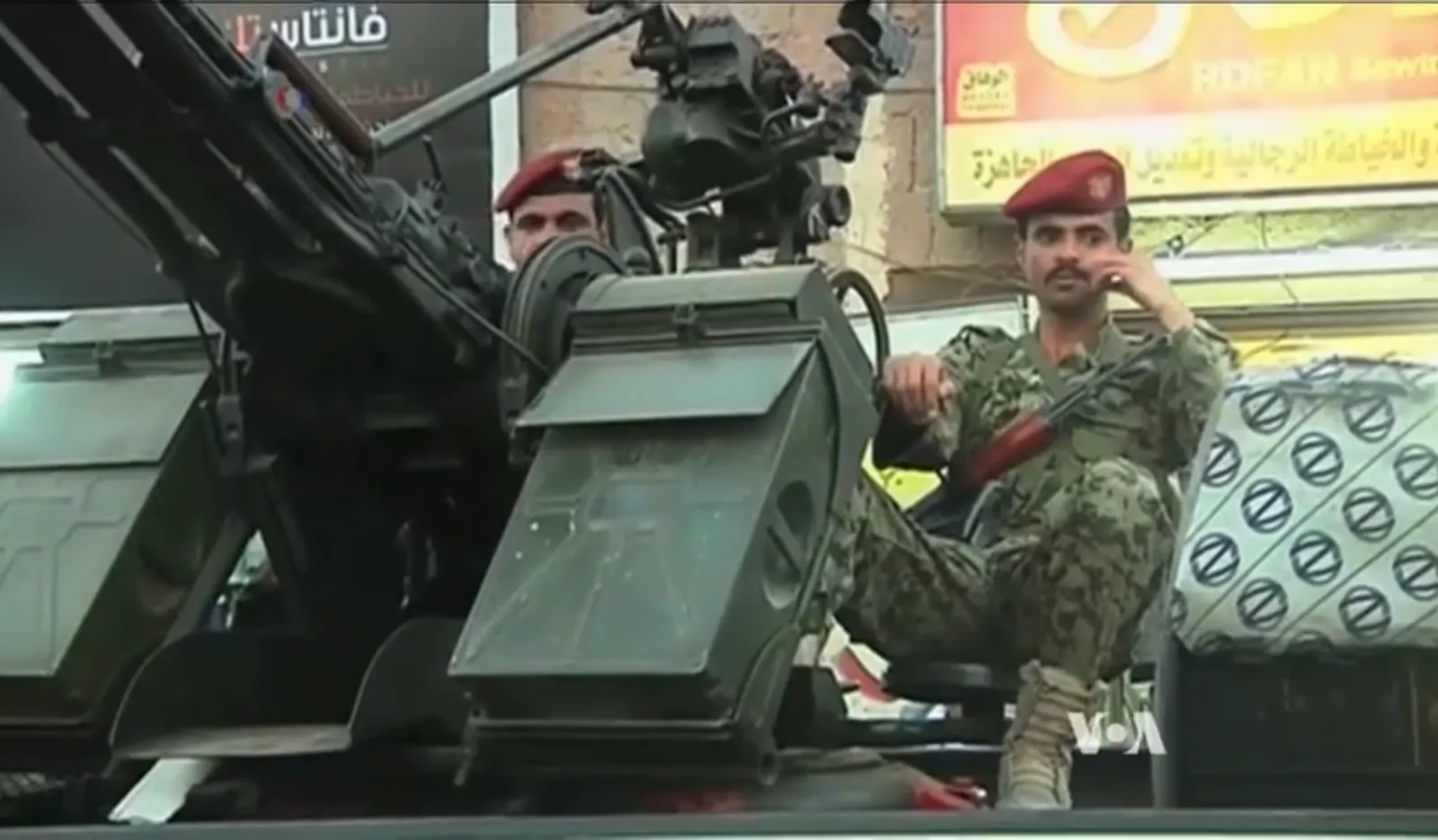
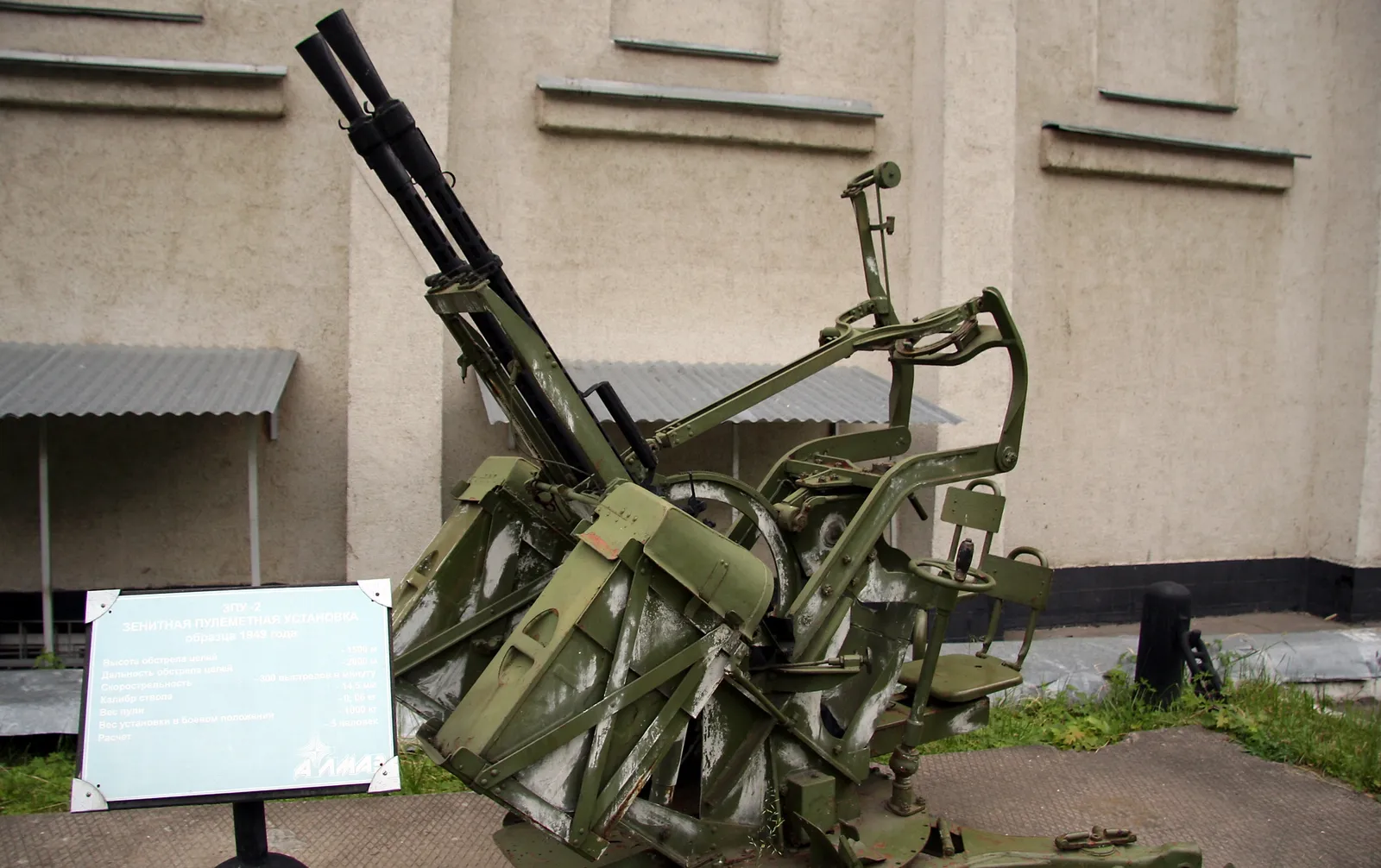
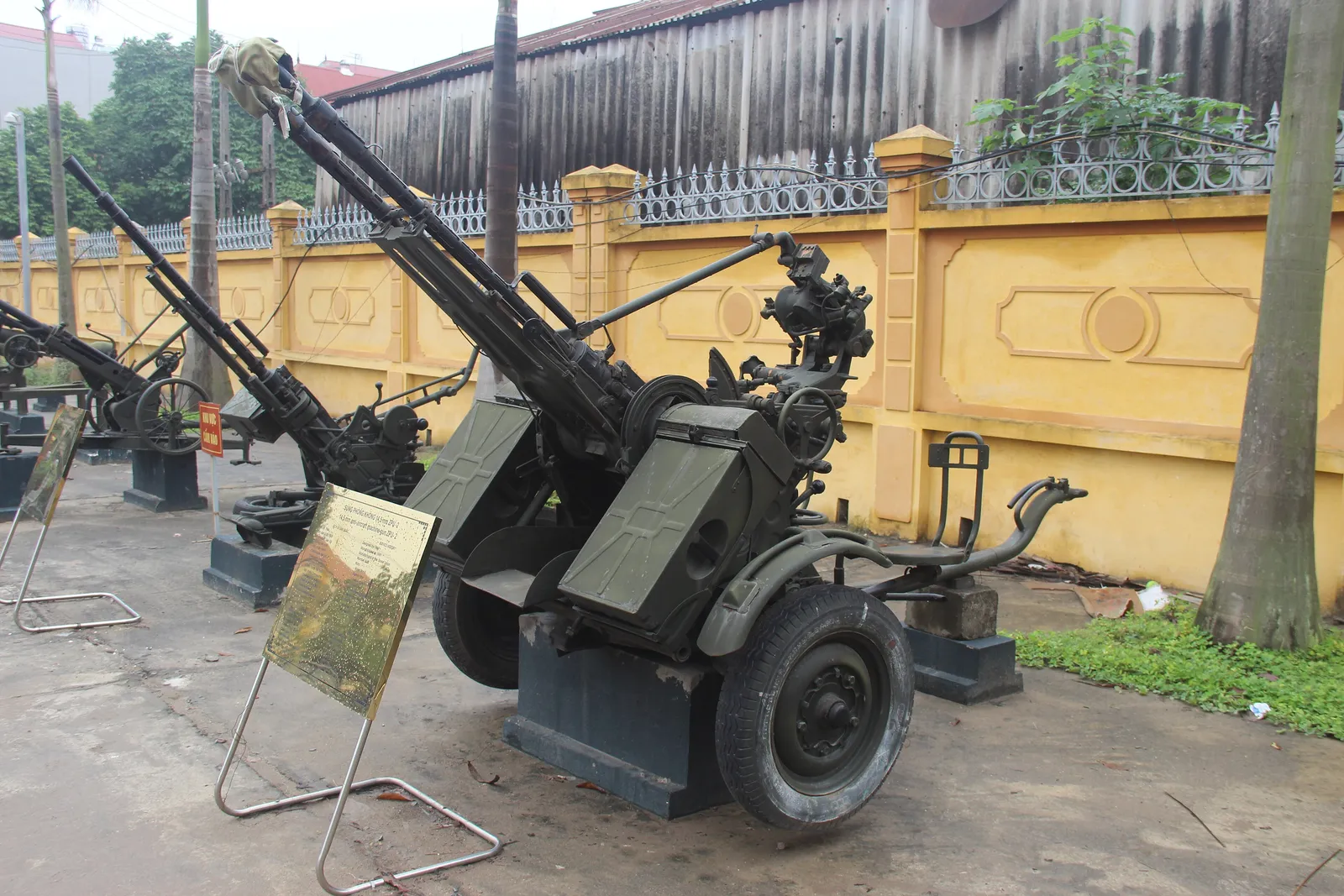
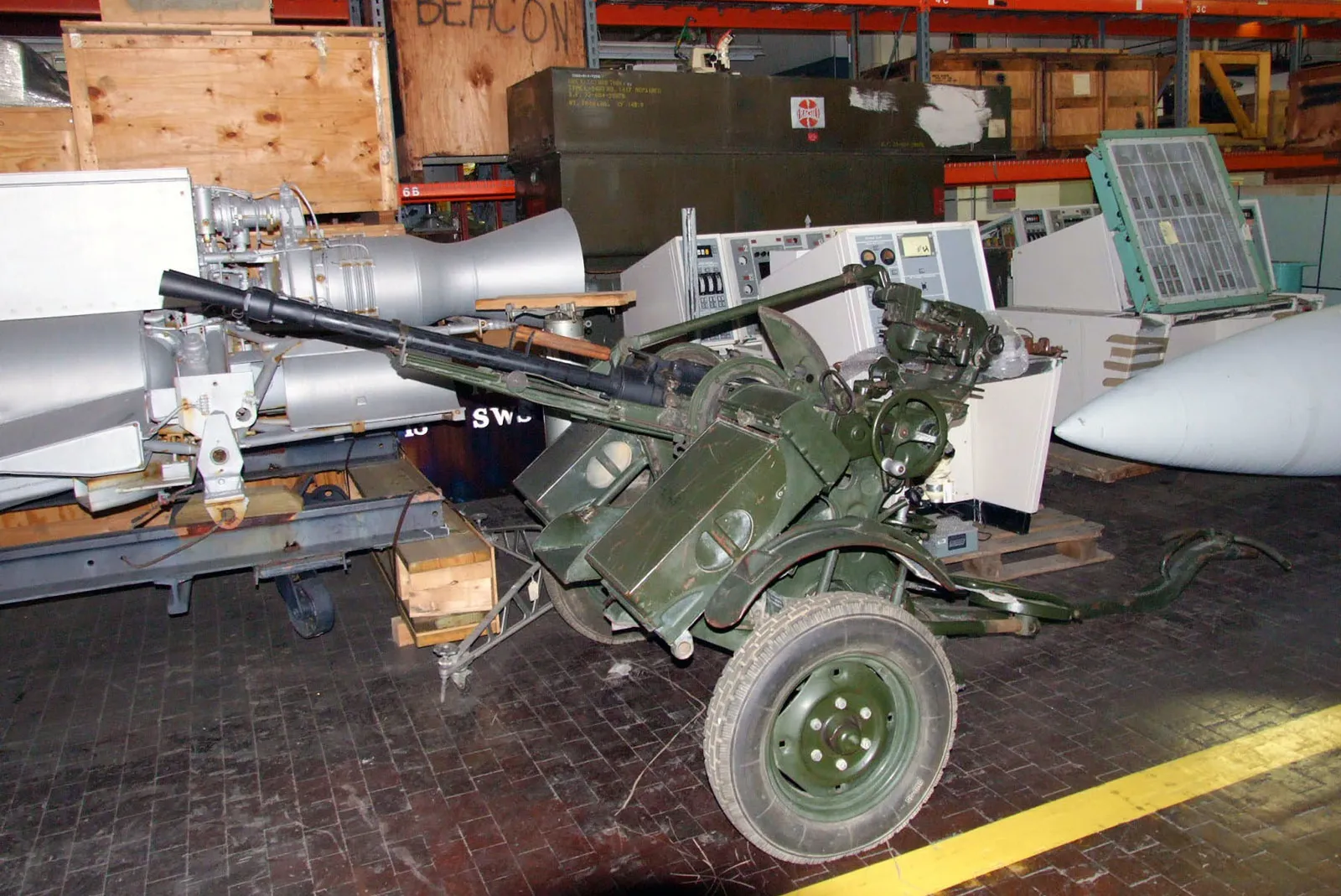
The ZPU-2 is a Soviet twin 14.5 mm anti-aircraft gun built around two KPV heavy machine guns on a two-wheel carriage. Captured Iraqi examples, Yemeni truck mounts, and Ukraine's Czech-supplied MR-2 Viktor systems show how the Cold War gun shifted from low-altitude air defense into mobile direct-fire and counter-UAV work.

Role in Conflicts

Profile / Specs

Profile

Origin
Soviet Union
Type
Twin 14.5 mm towed anti-aircraft gun
Service note
Cold War design still used in recent conflicts
Designer
Soviet design bureau for KPV/ZPU-series mounts
Designed
Developed after World War II; accepted into Soviet service in 1949
Unit cost
Not publicly established
Produced
Late 1940s onward, including foreign licensed production
Number built
Not publicly established

Specifications

Armament
Two KPV 14.5 mm heavy machine guns
Caliber
14.5x114 mm
Carriage
Two-wheel towed carriage; often mounted on trucks in irregular service
Feed
Two 150-round belts on the ZPU-2; later ZU-2 variants also use twin belt feeds
Rate of fire
About 600 rounds per minute per gun cyclic
Role
Low-altitude air defense, counter-UAV fire, and ground direct fire
Vehicle adaptations
Documented on BTR-40A self-propelled anti-aircraft vehicles, Yemeni trucks, and Czech MR-2 Viktor pickup installations
Variants

The ZPU family uses single-, twin-, and quadruple 14.5 mm KPV layouts; later or licensed twin-gun designations include ZU-2, Type 58, and PKM-2.

VariantConfigurationDesignation notes
ZPU-1 anti-aircraft gun, Single-barrel 14.5 mm towed anti-aircraft gun, Air DefenseZPU-1 anti-aircraft gunSingle 14.5 mm KPV mount

Single-gun member of the same Soviet ZPU anti-aircraft family.

Sources: ZPU-2

ZPU-4 anti-aircraft gun, 14.5 mm quadruple towed anti-aircraft gun, Air DefenseZPU-4 anti-aircraft gunQuadruple 14.5 mm KPV mount

Quadruple-gun member of the same ZPU family, trading portability for a much higher combined volume of fire.

Sources: ZPU-2

Gun Components

The ZPU-2 is best understood as a mount built around two 14.5 mm KPV-family heavy machine guns rather than as a self-contained missile or cannon system.

Compatible itemItem typeCompatibility evidence
KPV, 14.5 mm heavy machine gun, Infantry WeaponsKPV14.5 mm heavy machine gun

GulfLINK and Weaponsystems.net describe the ZPU-2 as a twin anti-aircraft mount using KPV/KPVT 14.5 mm heavy machine guns.

Sources: Air defense Weapons of the Former USSR & Russia, ZPU-2

Carrier Vehicles

The ZPU-2 family was adapted from towed carriage service to vehicle mounts, from Soviet armored carriers to modern pickup-based air-defense systems.

CarrierCarrier typeCarriage evidence
BTR-40 armored personnel carrier, Wheeled armored personnel carrier, Armored VehiclesBTR-40 armored personnel carrier4x4 armored personnel carrier family

Weaponsystems.net says the ZPU-2 mount was modified for the BTR-40 armored personnel carrier, creating the BTR-40A self-propelled anti-aircraft gun.

Sources: ZPU-2

Timeline

ZPU-2 Key Events

  1. ZPU-2 enters Soviet service

    Weaponsystems.net places ZPU-2 service entry in 1949, the same postwar period that put the KPV-based ZPU family into Soviet air-defense units.

    Sources: ZPU-2

  2. ZU-2 follows as a related twin mount

    Weaponsystems.net lists 1955 for the ZU-2, a later twin-gun designation associated with Type 58 Chinese production.

    Sources: ZPU-2

  3. Captured Iraqi ZPU-2 documented

    The National Museum of the U.S. Air Force preserves a captured Iraqi ZPU-2, documenting the mount in Iraqi service around the 1990 Gulf War era.

    Sources: Captured Iraqi Anti-Aircraft Gun (ZPU-2)

  4. Truck-mounted gun fired near Sanaa

    Fox News reported Yemeni government-aligned soldiers firing a truck-mounted ZPU-2 on the Nihm front east of Sanaa.

    Sources: The fight for Yemen's capital fueled by drugs, witchcraft and fierce fire

  5. Ukrainian MR-2 Viktor training reported

    Defense Express reported Ukrainian training with Czech-made MR-2 Viktor vehicles using paired 14.5 mm guns for UAV and low-altitude air-defense tasks.

    Sources: Ukrainian Training on MR-2 Viktor Anti-Aircraft Vehicles

Media
Related Weapon Systems
ZU-23-2, Towed twin 23 mm anti-aircraft autocannon, Air DefenseAir DefenseZU-23-2Towed twin 23 mm anti-aircraft autocannonThe ZU-23-2 is a Soviet twin 23 mm towed anti-aircraft autocannon built around two 2A14 guns on a light carriage. Its manual sighting, rapid emplacement, and high volume of fire make it a close-range air-defense weapon against low-flying aircraft, helicopters, and drones, while many operators also use it for direct fire against light vehicles and infantry positions. Ukrainian forces have used ZU-23-2 guns in mobile and positional air-defense teams during the 2014 Russia-Ukraine War, Armenian-side losses in the 2020 Nagorno-Karabakh fighting included towed and vehicle-mounted ZU-23 guns, and conflict monitors documented ZU-23 or ZU-23-2-pattern use in Yemen, Tigray, and northern Mali.
MT-LB with ZU-23 anti-aircraft gun, Improvised tracked self-propelled anti-aircraft gun, Air DefenseAir DefenseMT-LB with ZU-23 anti-aircraft gunImprovised tracked self-propelled anti-aircraft gunThe MT-LB with ZU-23 anti-aircraft gun is an improvised tracked fire-support and short-range air-defense vehicle that combines the Soviet MT-LB multipurpose armored tractor with a twin 23 mm ZU-23 gun mount. Public records show the configuration in Iraqi, Russian, Ukrainian, Syrian, and Armenian or Artsakh service contexts, with documented examples ranging from an Iraqi wreck in Baghdad to vehicles destroyed, damaged, or captured in later wars.
100 mm KS-19 anti-aircraft gun, Towed 100 mm anti-aircraft gun, Air DefenseAir Defense100 mm KS-19 anti-aircraft gunTowed 100 mm anti-aircraft gunThe KS-19 is a Soviet 100 mm towed anti-aircraft gun designed for high-altitude, radar-directed air defense with fixed ammunition, a powered carriage, and PUAZO/SON-9 fire-control support. U.S. studies tied the gun to North Vietnam's heavy AAA network and Iraqi inventories retained it into the 1990 Gulf War, while later conflict records show legacy KS-19s displayed in Houthi air-defense equipment and repurposed as long-range ground-fire weapons in Nagorno-Karabakh and Ukraine.

Sources