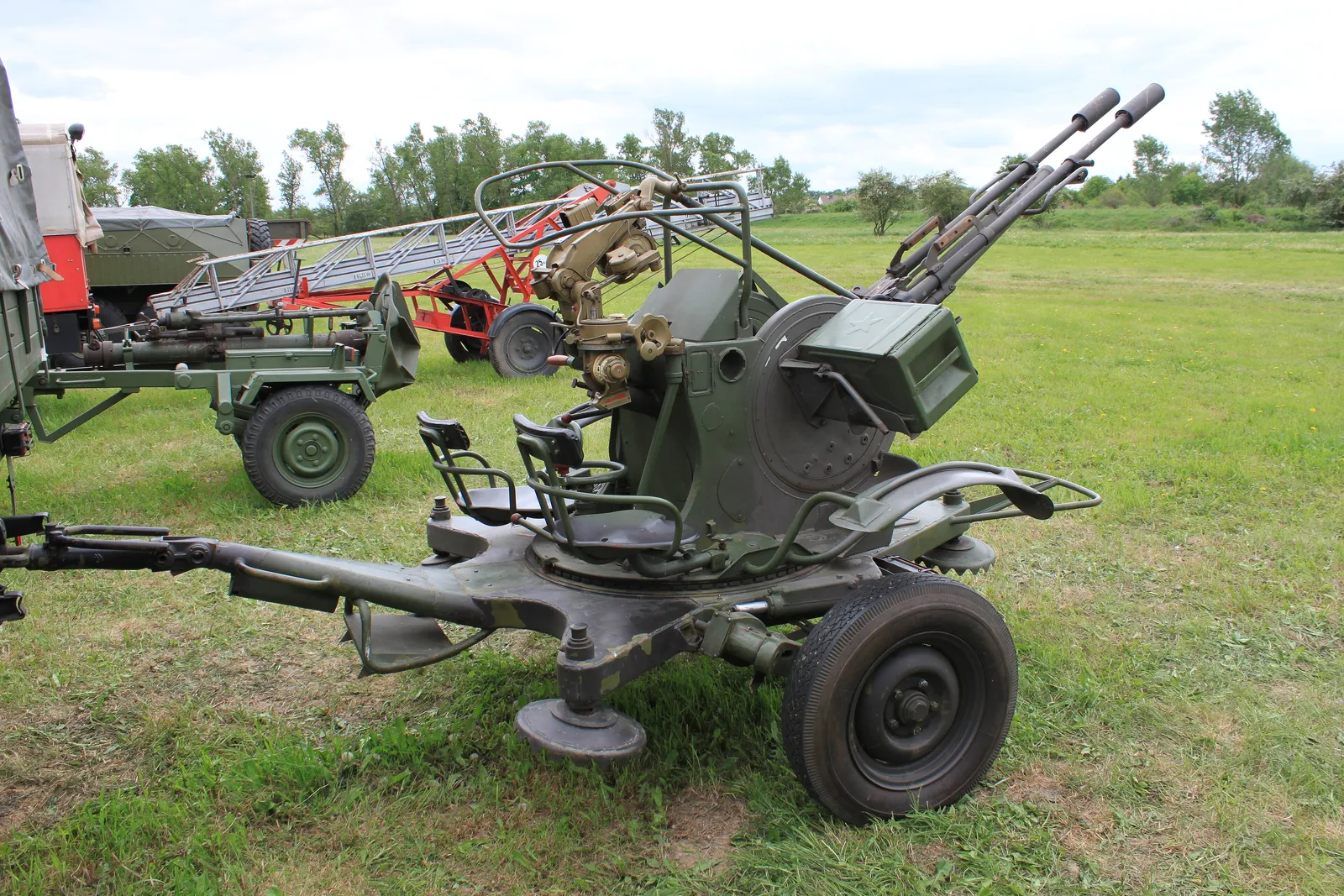
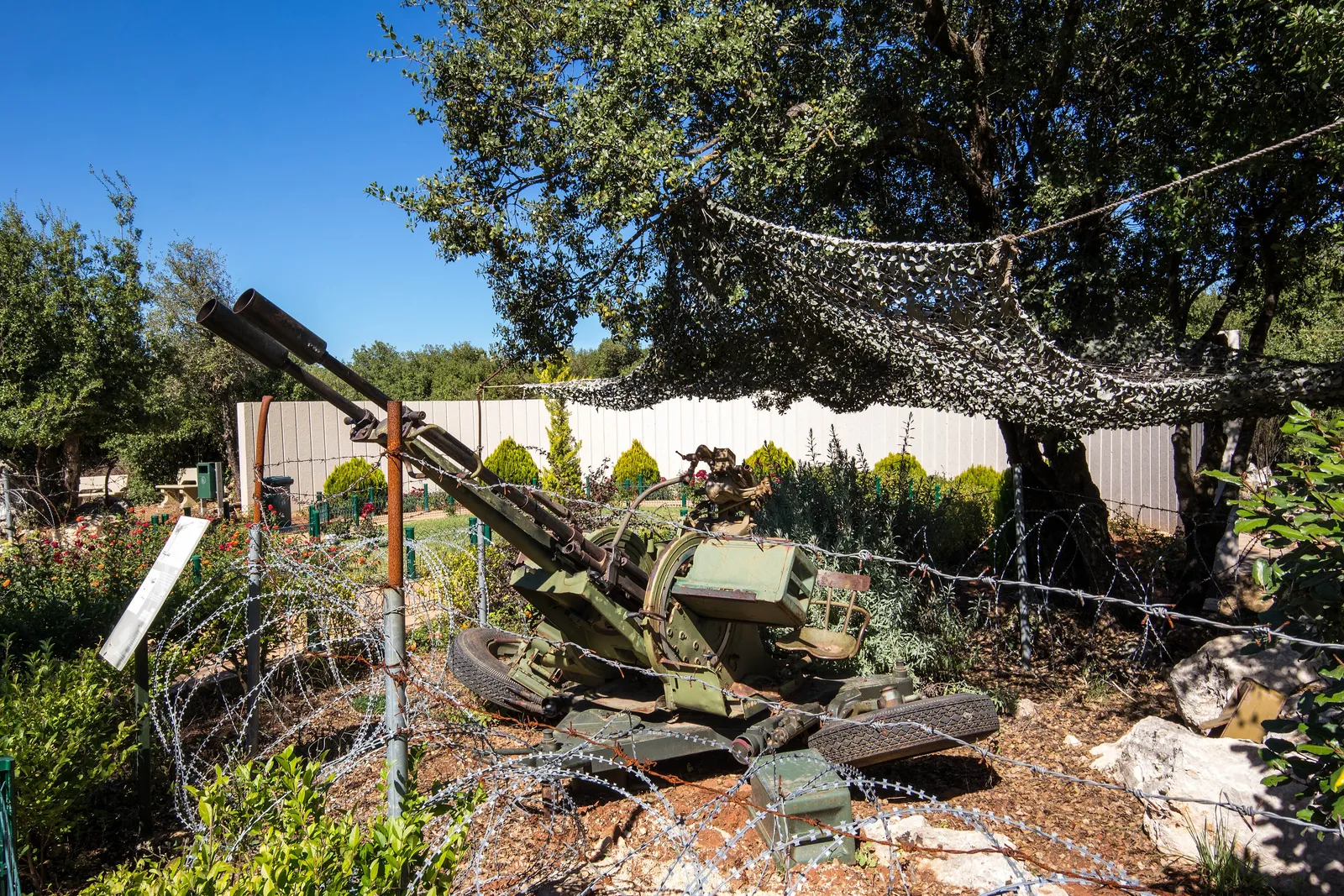
Ukrainian National Guard, border-guard, and other Ukrainian units have used ZU-23-2 guns in short-range air-defense and direct-fire roles, including combined MANPADS/ZU-23-2 teams against Russian helicopters and drones and trailer-mounted guns covering facilities, infantry, equipment, and front-line positions.
Role detailsZU-23-2
- ZU-23
- ZU-23-2 anti-aircraft gun
- ZUR-23
- 23 mm ZU-23
The ZU-23-2 is a Soviet twin 23 mm towed anti-aircraft autocannon built around two 2A14 guns on a light carriage. Its manual sighting, rapid emplacement, and high volume of fire make it a close-range air-defense weapon against low-flying aircraft, helicopters, and drones, while many operators also use it for direct fire against light vehicles and infantry positions. Ukrainian forces have used ZU-23-2 guns in mobile and positional air-defense teams during the 2014 Russia-Ukraine War, Armenian-side losses in the 2020 Nagorno-Karabakh fighting included towed and vehicle-mounted ZU-23 guns, and conflict monitors documented ZU-23 or ZU-23-2-pattern use in Yemen, Tigray, and northern Mali.
Role in Conflicts
Armenian and Artsakh forces fielded ZU-23 anti-aircraft guns during the 2020 fighting; visual-loss documentation lists towed ZU-23 guns and ZU-23 mounts on MT-LB, BMP-1, GAZ-3308, and light vehicles among Armenian-side destroyed or captured equipment.
Tigray forces fielded visually documented 23 mm ZU-23 anti-aircraft guns as part of their heavy-weapons inventory during the 2020 Tigray War.
UN Security Council reporting on Stockholm Agreement violations recorded Houthi forces firing ZU-23 guns at national resistance and resistance forces around Hudaydah-area front lines, including Mujaylis, Tuhayta, Jabaliyah, Fazzah, Jah, and Durayhimi, in January 2019.
Role detailsConflict Armament Research and Small Arms Survey documented ZU-23-2-pattern twin-barrel 23 x 152B mm cannon in service with rebel forces in Gao in April-May 2012 and in footage of rebel action at Aguelhok in January 2012.
Profile / Specs
Profile
- Origin
- Soviet Union
- Type
- Towed twin 23 mm anti-aircraft autocannon
- Service note
- Cold War design; in service from 1960 to present
- Designer
- KBP Instrument Design Bureau
- Designed
- Late 1950s
- Produced
- 1960 to present
Specifications
- Crew
- 5 total; 2 seated on the weapon
- Armament
- Two 23 mm 2A14 autocannons firing 23x152 mm ammunition
- Weight
- 950 kg with ammunition
- Rate of Fire
- About 2,000 rounds per minute combined cyclic; about 200 rounds per minute practical
- Effective Range
- About 2.5 km against air targets and 2 km practical horizontal range
- Elevation and Traverse
- -10 to +90 degrees elevation; 360 degrees traverse
- Emplacement Time
- About 30 seconds from travel to firing position
Why It Remains Useful
The ZU-23-2 stays visible in modern conflicts because the same simple mount can be used as a close air-defense gun, a truck or armored-vehicle weapon, or a high-volume direct-fire system.
| Employment pattern | Source-backed context |
|---|---|
| Towed air-defense gun | U.S. military reference material describes twin 23 mm cannons, an optical-mechanical sight, a 2,500 m effective anti-aircraft range, and the ability to engage lightly armored ground vehicles. |
| Mobile field installation | WeaponSystems.net describes the weapon as light, simple, rapidly emplaced, and often mounted on vehicles, while Nagorno-Karabakh loss documentation shows ZU-23 guns on MT-LB and other vehicle bases. |
| Combined Ukrainian air defense | Defense Express reported Ukrainian National Guard teams using MANPADS with ZU-23-2 guns against Russian helicopters and drones, and MVS reporting described a National Guard trailer-mounted ZU-23-2 crew covering facilities, infantry, and equipment. |
| Rebel heavy weapon use | Conflict Armament Research and Small Arms Survey documented ZU-23-2-pattern twin 23 mm cannon with rebel forces in northern Mali, including Gao and Aguelhok in 2012. |
Sources: Air Defense Weapons of the Former USSR and Russia; WeaponSystems.net ZU-23-2; The Fight For Nagorno-Karabakh; Defense Express combined units tactics; MVS Red Kalina air-defense profile; Rebel Forces in Northern Mali.
Variants
The basic Soviet ZU-23-2 spawned national production models and upgrade packages that pair the twin 23 mm guns with new sights or shoulder-fired missile launchers.
| Variant | Configuration | Designation notes |
|---|---|---|
| ZU-23M | Egyptian modernized designation | WeaponSystems.net lists SH-23M as an alternative name for the Egyptian ZU-23M, reflecting locally modernized ZU-23-2 service. Sources: WeaponSystems.net ZU-23-2 |
| ZUR-23-2S Jod | Polish gun-and-missile upgrade | The ZUR-23-2S Jod is described as an improved ZU-23 with a new sight and ready SA-7 missile launchers. Sources: WeaponSystems.net ZU-23-2 |
| ZUR-23-2KG Jodek-G | Polish Grom-capable development | WeaponSystems.net describes the ZUR-23-2KG Jodek as a further Polish development with a new sight and more capable missile compatibility. Sources: WeaponSystems.net ZU-23-2 |
| Type 85 | Chinese production model | WeaponSystems.net identifies Type 85 as Chinese production of the ZU-23 design. Sources: WeaponSystems.net ZU-23-2 |
Mounted Cannon
The ZU-23-2 weapon mount is built around a pair of 23 mm 2A14 autocannons.
| Carried item | Item type | Carriage evidence |
|---|---|---|
![]() | Twin autocannon armament | Reference sources describe the ZU-23-2 as mounting two 2A14 family autocannons chambered for 23 x 152 mm ammunition. Sources: WeaponSystems.net ZU-23-2 |
Vehicle-Mounted Installations
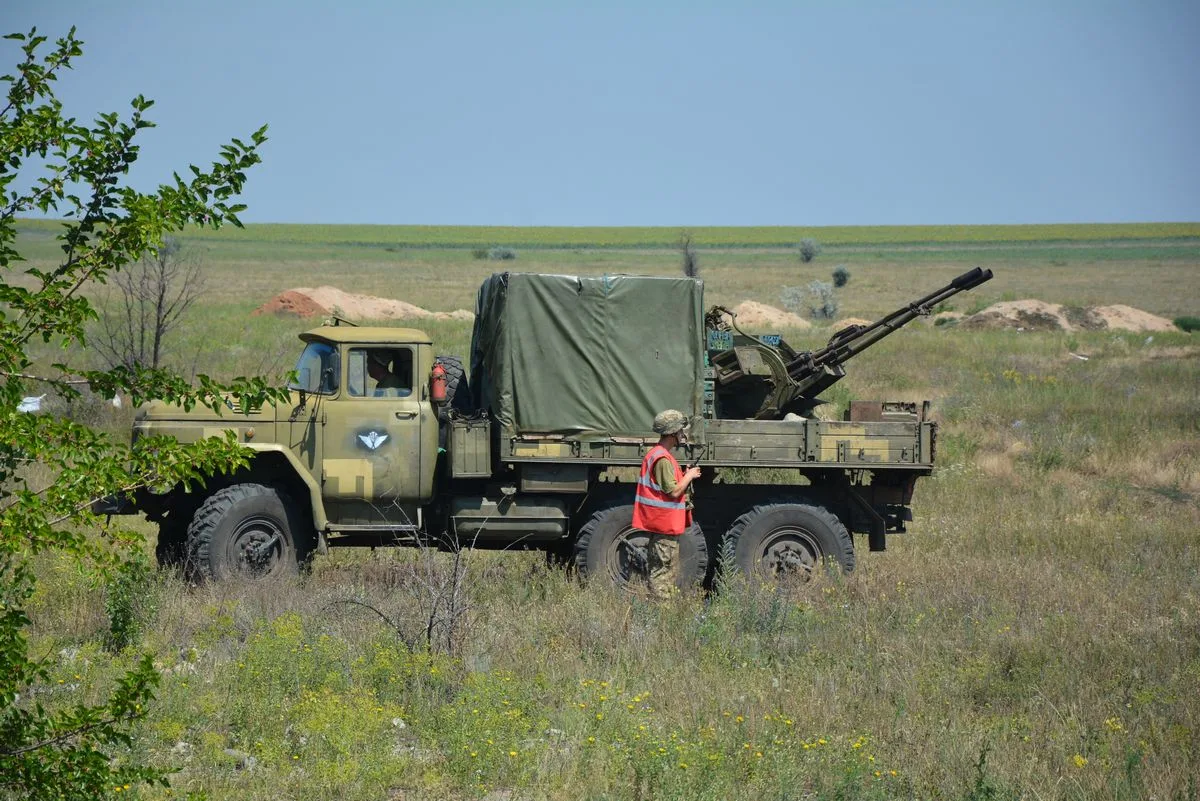
Operators frequently mount the towed gun on trucks and armored vehicles to trade carriage simplicity for faster repositioning.
| Carrier | Carrier type | Carriage evidence |
|---|---|---|
![]() | Tracked ZU-23 carrier conversion | Nagorno-Karabakh loss documentation lists Armenian-side MT-LB vehicles fitted with ZU-23 anti-aircraft guns, showing one common tracked-vehicle installation of the mount. Sources: The Fight For Nagorno-Karabakh: Documenting Losses On The Sides Of Armenia And Azerbaijan |
Timeline
ZU-23-2 Key Events
Soviet service entry
Reference sources place ZU-23-2 acceptance and production around 1960 after late-1950s Soviet design work.
Documented in northern Mali
Conflict Armament Research and Small Arms Survey documented ZU-23-2-pattern twin-barrel cannon with rebel forces in Gao and Aguelhok.
Vehicle-mounted losses in Nagorno-Karabakh
Open-source loss documentation listed towed ZU-23 guns and several vehicle-mounted ZU-23 installations among Armenian-side losses.
Ukrainian National Guard air-defense use
Ukrainian official and defense-media reporting described ZU-23-2 crews protecting facilities, infantry, and equipment and operating with MANPADS teams against Russian air threats.
Related Weapon Systems