- Side
- Coalition forces

Patrol and Reconnaissance Wing 11 history identifies the P-3C as a multi-mission platform that supported Operations Desert Shield and Desert Storm during the 1990 Gulf War period.
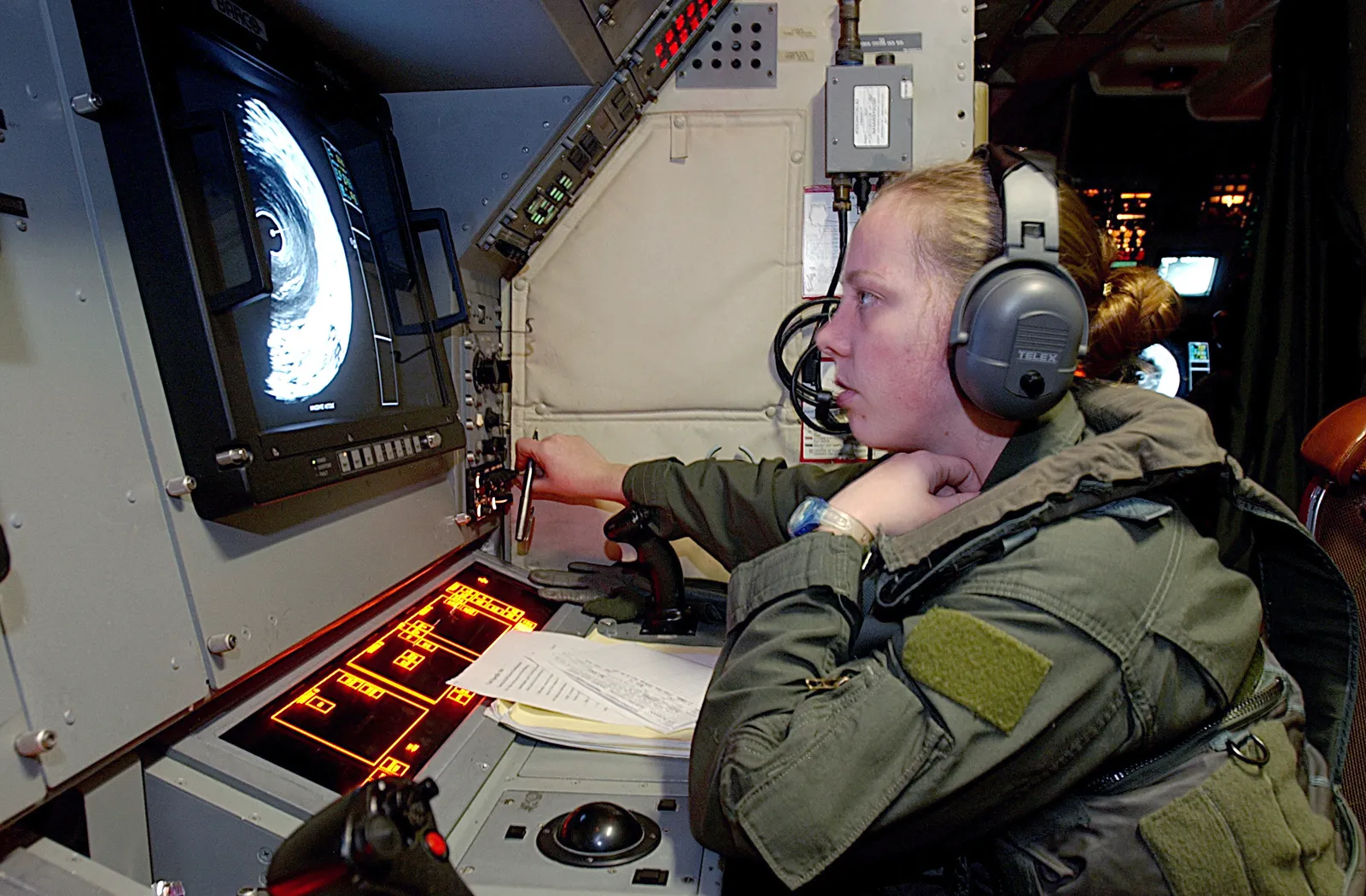
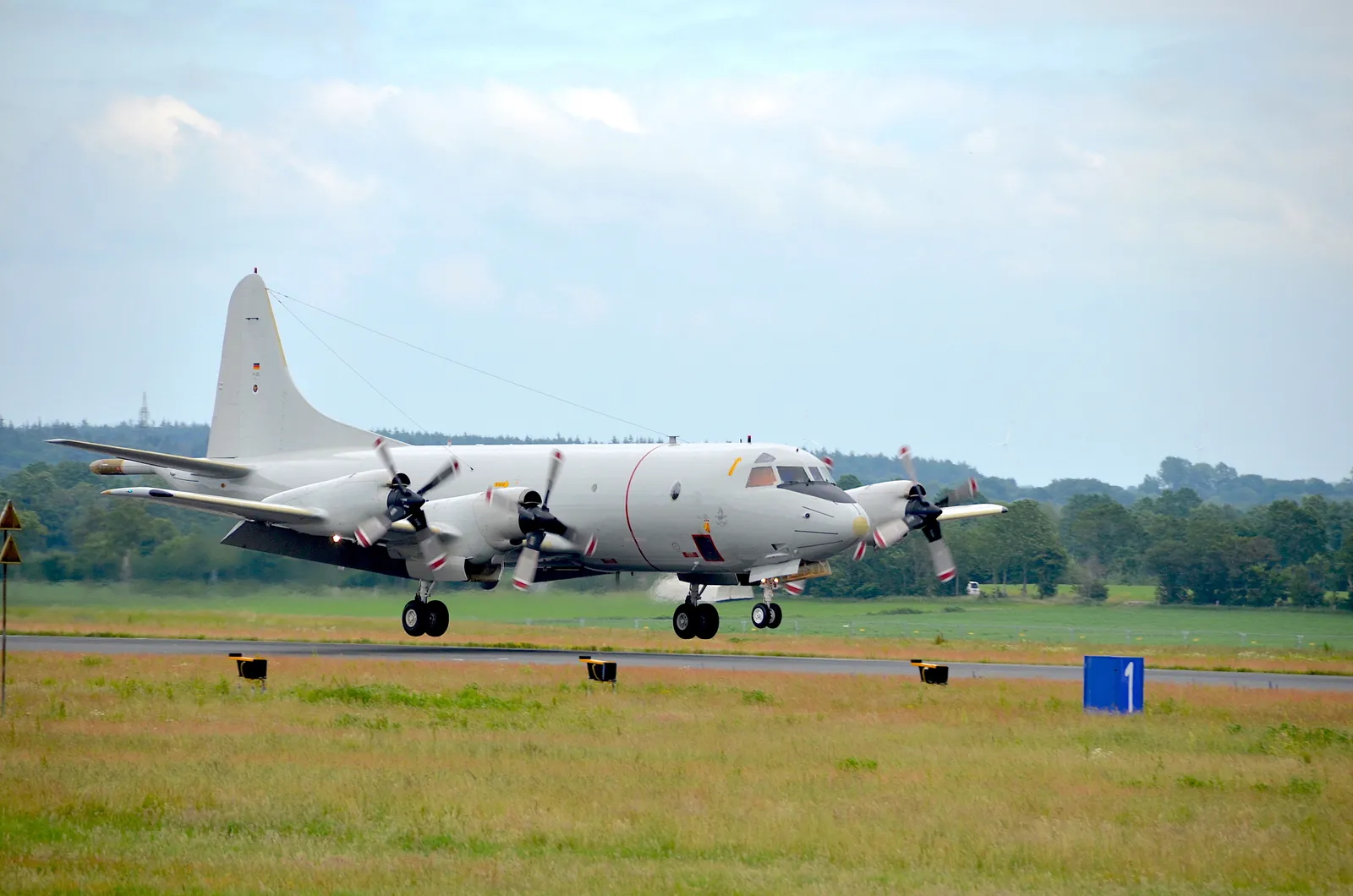
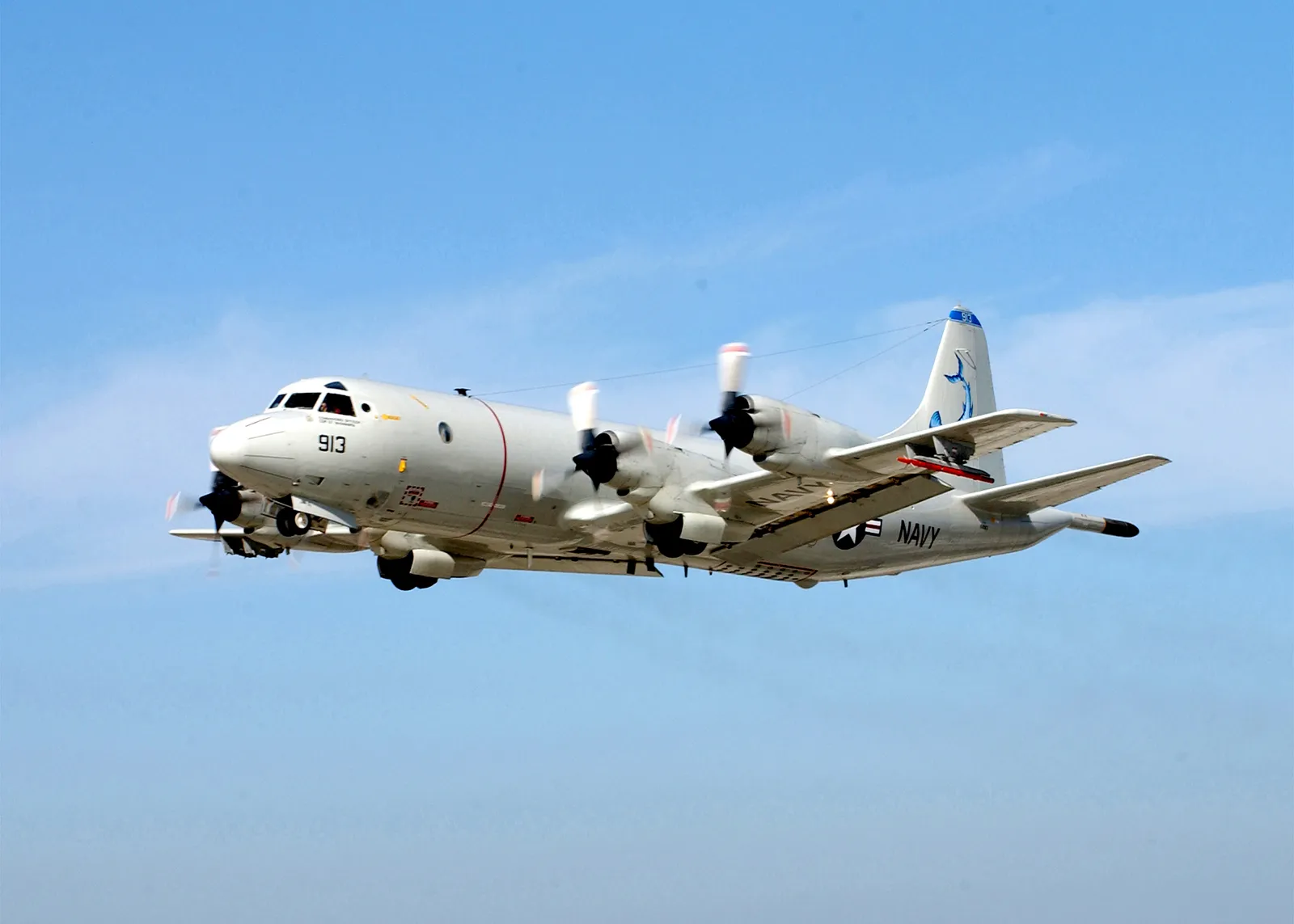
Role detailsThe P-3C Orion is the armed maritime-patrol member of the U.S. Navy's land-based P-3 family, built by Lockheed for anti-submarine warfare, anti-surface warfare, mine warfare, surveillance, and overland ISR. Official Navy and wing-history sources tie P-3C service to Desert Storm, Kosovo, Iraq, Afghanistan, Libya, and 2014 Operation Inherent Resolve, including Maverick and SLAM-capable configurations as the fleet later transitioned to the P-8A Poseidon.
Patrol and Reconnaissance Wing 11 history identifies the P-3C as a multi-mission platform that supported Operations Desert Shield and Desert Storm during the 1990 Gulf War period.
Role detailsWing 11 history says the P-3C AIP and its SLAM capability proved relevant over Kosovo during Operation Allied Force, tying the armed Orion configuration to the NATO air campaign.
AFCENT reporting from Al Udeid describes U.S. Navy P-3C aircraft supporting Operation Iraqi Freedom with surveillance over land and sea.
Role detailsAFCENT reporting says deployed U.S. Navy P-3C aircraft supported Operation Enduring Freedom with surveillance missions over land and sea.
Role detailsDVIDS reported that a U.S. Navy P-3C maritime patrol aircraft engaged Libyan Coast Guard vessel Vittoria and smaller craft near Misrata after reports that the vessels were firing on merchant shipping.
DVIDS documents VP-46 sailors loading an AGM-65F Maverick onto a P-3C Orion in the U.S. 5th Fleet area while the squadron was deployed in support of 2014 Operation Inherent Resolve.
The P-3C page is strongest where sources identify the aircraft by model, squadron, operation, and carried weapon. Some broader patrol-wing history is useful for service context, but conflict rows stay tied to named operations rather than treating every P-3 family deployment as P-3C combat use.
| Role | Documented evidence | Catalog treatment |
|---|---|---|
| Maritime patrol and ASW | NAVAIR and Navy fact files describe the P-3C as a long-range patrol aircraft with ASW and ASuW missions. | Used in the core type, summary, tags, and specifications. |
| Overland ISR | AFCENT describes P-3C aircraft supporting Iraqi Freedom and Enduring Freedom with surveillance missions over land and sea. | Used for 2003 Iraq War and 2001 War in Afghanistan notes with direct operation wording. |
| Armed maritime strike | DVIDS documents a P-3C engaging Libyan vessels in 2011 and VP-46 loading an AGM-65F during 2014 Operation Inherent Resolve. | Used for conflict rows and the Maverick carried-munition relationship. |
Public U.S. Navy sources present Update III as the P-3C baseline and describe later improvement programs as mission-system and armed-surveillance upgrades.
| Variant | Configuration | Designation notes |
|---|---|---|
| Anti-Surface Warfare Improvement Program | ISR and armed maritime-strike upgrade | Official Navy and patrol-wing sources describe AIP as adding command, control, communications, surveillance, and survivability improvements while retaining armed anti-surface capability. Sources: U.S. Navy P-3C Orion Fact File, Patrol and Reconnaissance Wing 11 Command History |
| Update II.5 | Earlier mission-system update standard | Wing history places P-3C update standards before the AIP period, while Navy fact-file wording treats Update III as the main public baseline. Sources: Patrol and Reconnaissance Wing 11 Command History, U.S. Navy P-3C Orion Fact File |
Official sources document the P-3C carrying anti-ship missiles, air-to-surface missiles, lightweight torpedoes, and naval mines across test, training, and operational contexts.
| Carried item | Item type | Carriage evidence |
|---|---|---|
 | Air-launched anti-ship cruise missile | Boeing's chronology records the Harpoon anti-ship missile's first successful drop test from a U.S. Navy P-3C Orion. Sources: Boeing chronology |
 | Air-to-surface guided missile | DVIDS documents VP-46 loading an AGM-65F Maverick onto a P-3C Orion while deployed in support of 2014 Operation Inherent Resolve. |
 | Lightweight anti-submarine torpedo | NAVAIR and the Navy fact file list Mk46-family torpedoes among the P-3C armament options for anti-submarine missions. Sources: P-3C Orion - NAVAIR, U.S. Navy P-3C Orion Fact File |
 | Lightweight anti-submarine torpedo | NAVAIR and the Navy fact file list Mk50 torpedoes among the P-3C's carried anti-submarine weapons. Sources: P-3C Orion - NAVAIR, U.S. Navy P-3C Orion Fact File |
 | Air-laid naval mine | DVIDS MINEX reporting identifies the P-3C as a Mk 65-capable aircraft and describes a P-3C dropping inert Mk 65 mines during a bilateral mine-warfare exercise. Sources: VP-8 and JMSDF MINEX |
Navy sources identify 1969 as the P-3C's entry into service with the U.S. fleet.
Sources: P-3C Orion - NAVAIR, U.S. Navy P-3C Orion Fact File
Patrol-wing history describes P-3C multi-mission support to Operations Desert Shield and Desert Storm.
Sources: Patrol and Reconnaissance Wing 11 Command History
Wing history ties the P-3C AIP and SLAM capability to Operation Allied Force over Kosovo.
Sources: Patrol and Reconnaissance Wing 11 Command History
DVIDS reported that a U.S. Navy P-3C joined an A-10 and USS Barry in engaging Libyan vessels near Misrata during Operation Odyssey Dawn.
Sources: US Navy P-3C, USAF A-10 and USS Barry Engage Libyan Vessels
Patrol-wing history says the Navy accepted the first P-8A aircraft in 2012, starting transition away from the P-3C in frontline units.
Sources: Patrol and Reconnaissance Wing 11 Command History
DVIDS imagery documents VP-46 sailors loading an AGM-65F Maverick onto a P-3C while deployed in support of 2014 Operation Inherent Resolve.
Sources: VP-46 Onloads Maverick Missile Onto P-3C Orion