Artillery

Mortars

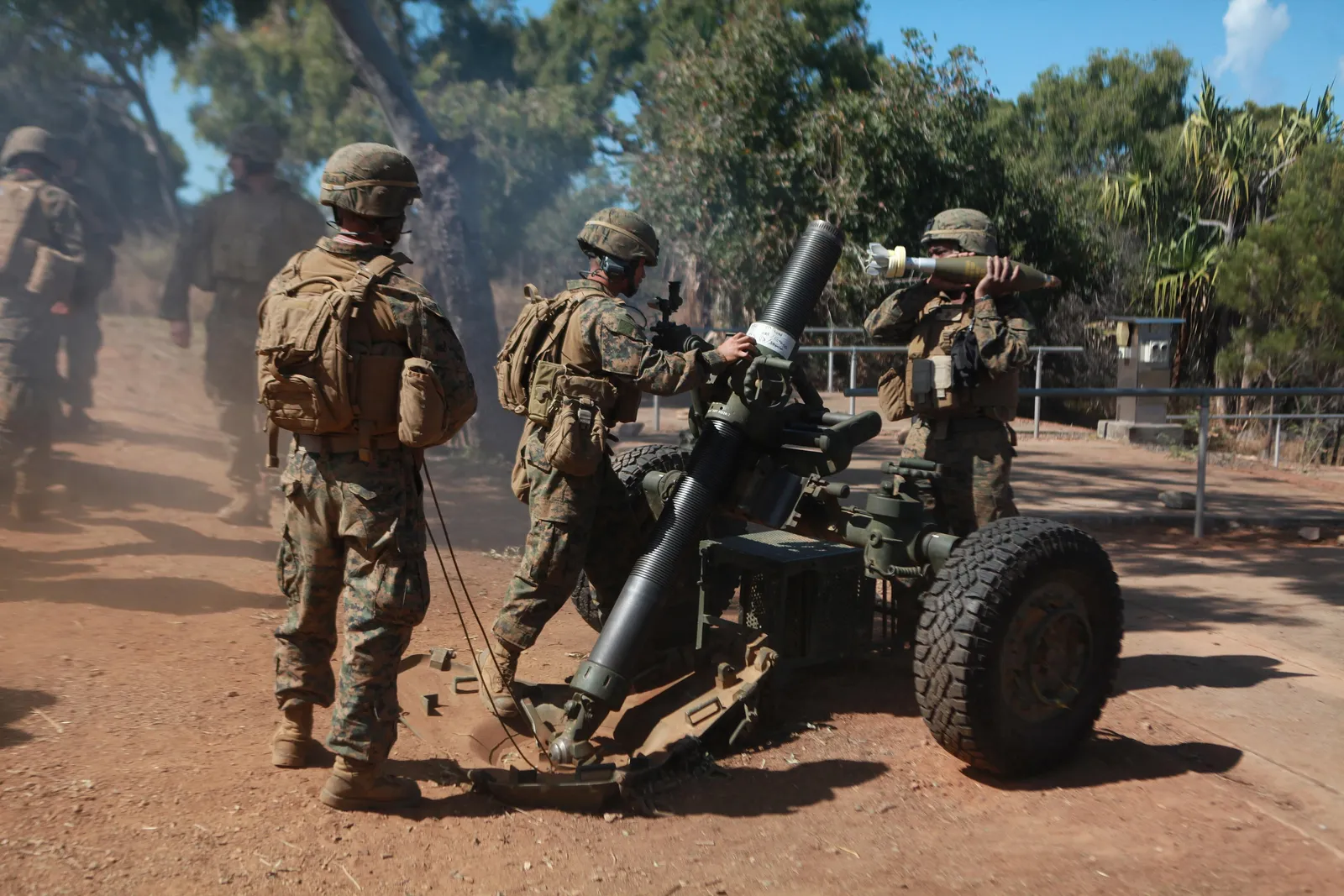
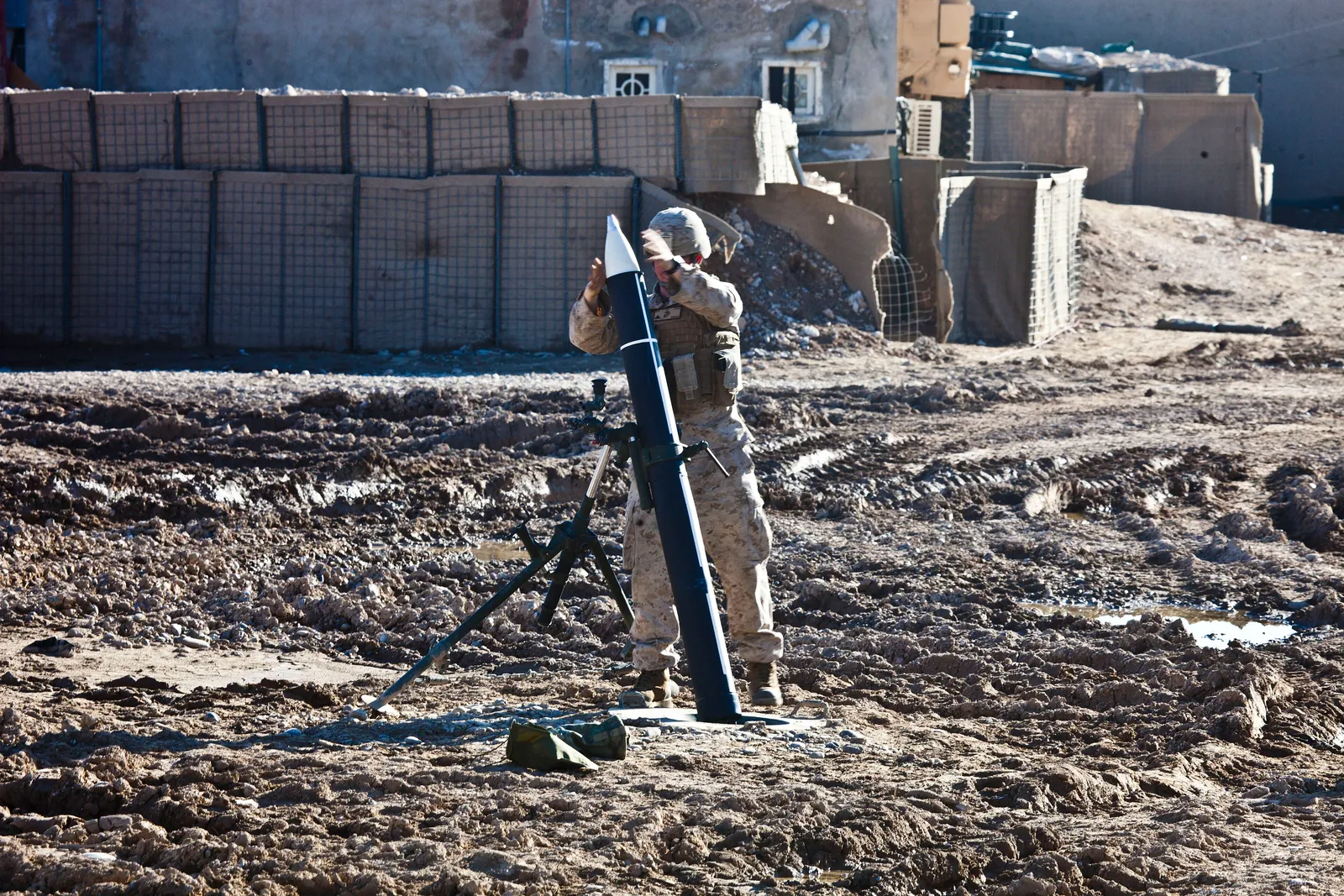
Mortars are short-barreled, high-angle indirect-fire weapons used by infantry, artillery units, and armed groups for close support, harassment, and attacks on positions behind cover. The catalog entry treats mortars as a broad weapon class because the direct conflict sources usually document mortar use without identifying exact calibers or models, including Philippine government support fires at Marawi, Hezbollah fire at Mount Dov, jihadist attacks in Mali and Sinai, FARC dissident improvised mortars in Colombia, Sudan War battlefield use, and Cambodia-accused cross-border fire.

Conflict side
Philippine government forcesFARC dissident groupsHezbollahRebel and jihadist armed groupsIslamic State Sinai ProvinceSudanese Armed Forces and Rapid Support ForcesCambodia
Built by
Various manufacturers
Built in
Multiple countries

Service History

In service
In service worldwide in light, medium, and heavy mortar families
Used by
Philippine government forces, FARC dissident groups, Hezbollah, Rebel and jihadist armed groups in Mali, Islamic State Sinai Province, Sudanese Armed Forces, Rapid Support Forces, Cambodian forces
Wars
Battle of Marawi, Colombian FARC Dissident Conflict, Israel-Hezbollah Conflict, Mali War, Sinai Insurgency, Sudan War, Thailand-Cambodia Border Conflict

Production History

Designer
Varies by model
Designed
Varies by model; modern mortars descend from early 20th-century infantry mortar designs
Built by
Various manufacturers
Built in
Multiple countries
Unit cost
Varies by model, caliber, sighting equipment, and ammunition package
Produced
Varies by model and manufacturer
Number built
Unknown; produced by many national arsenals and defense manufacturers
Variants
60 mm light mortars, 81 mm medium mortars, 120 mm heavy mortars, Vehicle-mounted mortar systems

Specifications

Weapon type
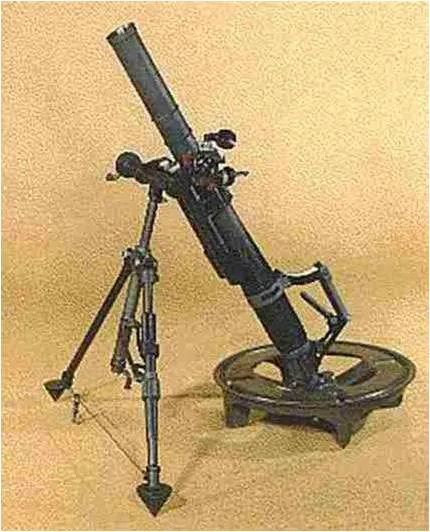
Smoothbore, muzzle-loaded, high-angle indirect-fire weapon class
Representative calibers
Common modern mortar calibers include 60 mm, 81 mm, and 120 mm; the Battle of Marawi source does not specify which calibers were fired.
Role
Close and intimate fire support, smoke, illumination, suppression, and high-angle attack against positions masked by terrain or buildings
Mobility
Man-portable, crew-served, towed, or vehicle-mounted depending on caliber and model
Ammunition types
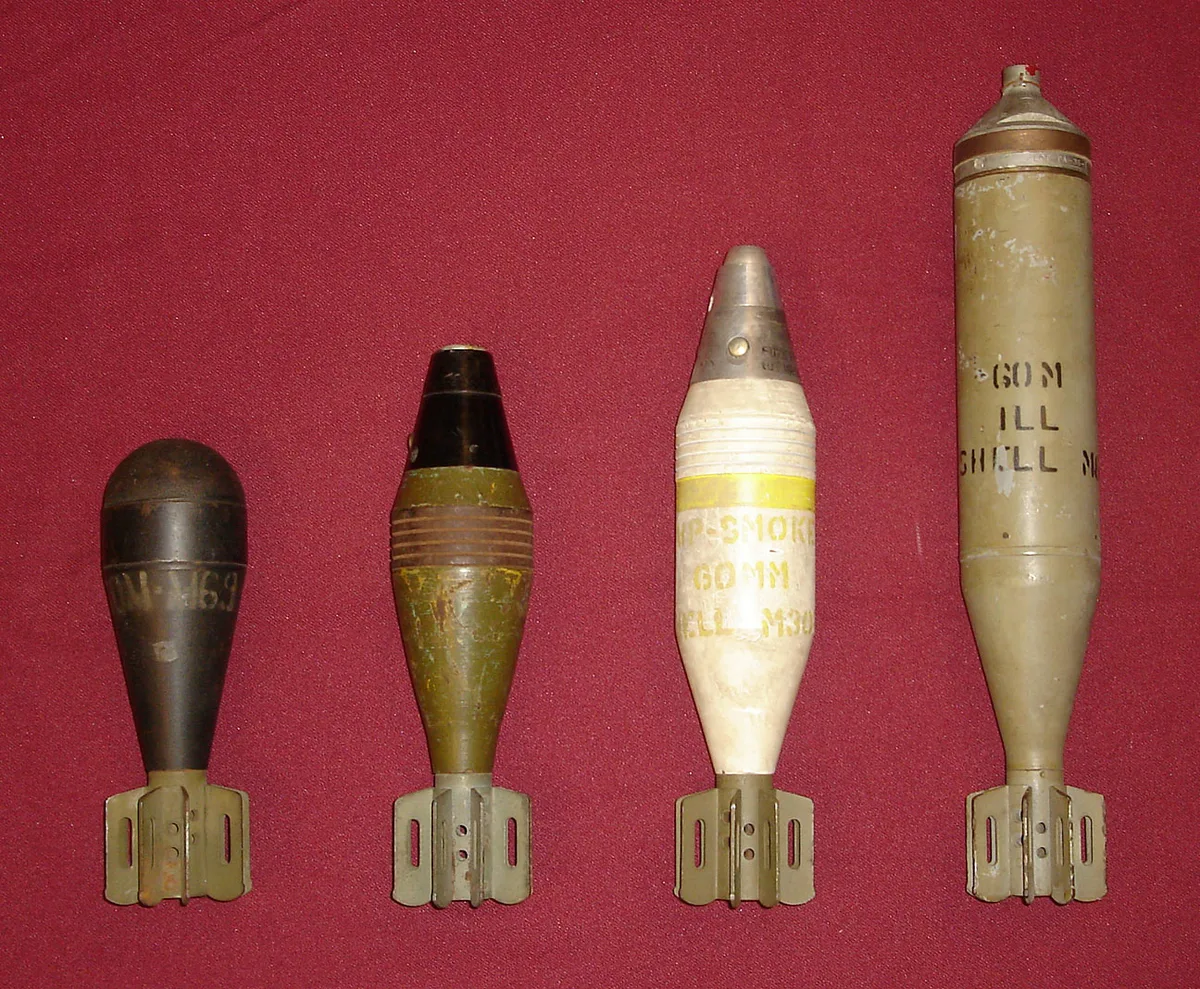
High-explosive, smoke or white phosphorus, illumination, and training rounds are common mortar ammunition categories
Sourcing limitation
The direct Battle of Marawi source documents heavy mortar expenditure and support role, but not exact models, calibers, manufacturer, or ammunition lot.

Conflict Usage

Battle of Marawi
Side: Philippine government forcesRole: Urban indirect-fire support for clearing operationsstrike

Australian Army Research Centre reporting on the Battle of Marawi says a company from the Philippine Army's 2nd Infantry Division fired more than 10,000 mortar rounds in three months, with mortars providing intimate support during urban clearing; the source does not identify the mortar calibers or models.

Colombian FARC Dissident Conflict
Side: FARC dissident groupsRole: Improvised indirect fire against eradication and security forcesstrike

The City Paper Bogota reported that FARC dissidents' 36th Front was attributed by early intelligence to an August 2025 attack in Antioquia where eradication-support personnel were first hit with home-made mortars and gunfire before a drone brought down a police Black Hawk; the source does not identify a standardized mortar model.

Israel-Hezbollah Conflict
Side: HezbollahRole: Cross-border warning fire after the Lebanon ceasefirestrike

Times of Israel reporting, citing the IDF and Hezbollah, says Hezbollah launched two mortars at the Mount Dov area on 2 December 2024, the first fire from Lebanon after the truce; the rounds landed in open areas and the specific mortar type was not identified.

Mali War
Side: Rebel and jihadist armed groupsRole: Indirect-fire attack on a UN basestrike

Associated Press reporting carried by ABC7 said a mortar attack on the MINUSMA base in Kidal killed two UN peacekeepers and a contractor on 28 November 2015; no group claimed the attack, but Islamic extremists were suspected, and the exact mortar model was not identified.

Sinai Insurgency
Side: Islamic State Sinai ProvinceRole: Checkpoint and base indirect-fire attacksstrike

NCTC attributes a June 2015 rocket and mortar attack on the Multinational Force and Observers base in Sinai to Ansar Bayt al-Maqdis after its Islamic State alignment, while VICE reported Wilayat Sinai's claim for a March 2016 mortar attack on an Egyptian security checkpoint south of el-Arish.

Sudan War
Side: Sudanese Armed Forces and Rapid Support ForcesRole: Battlefield indirect fire by both main belligerentsstrike

Amnesty International's Sudan arms investigation reported that mortars manufactured in China were used by both sides of the Sudan War and that recent Chinese mortars were used in El-Daein, East Darfur; the public summary does not assign those specific mortars to a single belligerent.

Thailand-Cambodia Border Conflict
Side: CambodiaRole: Cross-border mortar fire during ceasefire implementationstrike

Al Jazeera and Straits Times reporting cited the Thai army's accusation that Cambodian forces fired mortar rounds into Ubon Ratchathani province on 6 January 2026, wounding one Thai soldier; Cambodia described the incident as accidental or denied intentional fire.

Mortars Images

Related Weapon Systems

81/82 mm mortar, 81/82 mm crew-served medium mortar, ArtilleryArtillery81/82 mm mortar81/82 mm crew-served medium mortarThe 81/82 mm mortar family covers the standard crew-served, muzzle-loaded, high-angle indirect-fire class used by infantry and light artillery units worldwide. In the Kurdish-Turkish Conflict, a 2018 analysis of PKK tactics describes Russian-made 82 mm mortars used against Turkish security facilities in mountainous areas and later PKK use of 81 mm mortar tools as well, without identifying one specific model. In the War in Afghanistan, U.S. budget documents show Afghan Border Police 82 mm mortars sustained for patrol and border checkpoint missions, reflecting continued Afghan government fielding of the system.
AK-47/AKM rifle family, Selective-fire assault rifle family, Infantry WeaponsInfantry WeaponsAK-47/AKM rifle familySelective-fire assault rifle familyAK-47/AKM-family rifles are Kalashnikov-pattern small arms derived from the Soviet AK-47 and 1959 AKM modernization, usually chambered in 7.62 x 39 mm. In the post-2015 archive they appear with FARC dissidents in Colombia, gangs in Haiti, PKK fighters, GNA scouts in Libya, insurgents in Mali, Islamic State forces in Iraq and Syria, militants in Sinai, RSF units in Sudan, Taliban fighters in Afghanistan, and Houthi-linked supply chains in Yemen.

Sources