- Side
- Ukraine

Reuters documented Ukrainian 24th Mechanized Brigade servicemen firing an unidentified 120-mm mortar toward Russian troops near Chasiv Yar in Donetsk region on 2025-05-27.
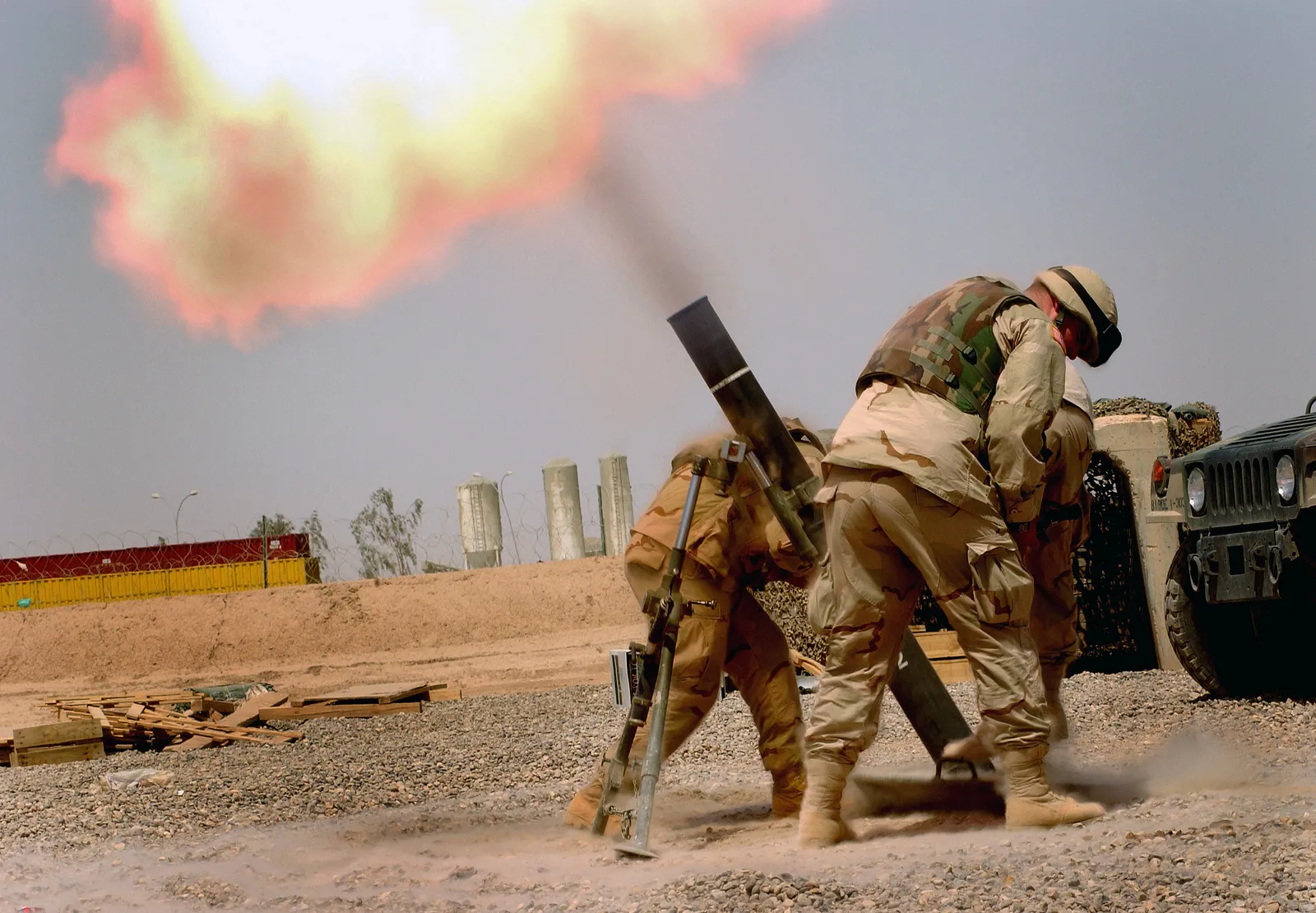
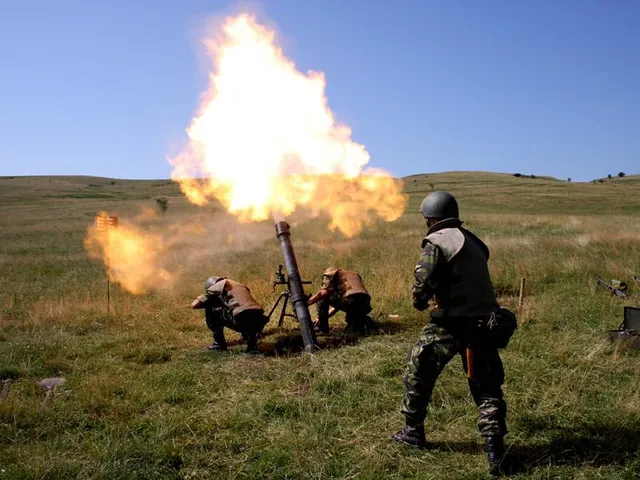
Role detailsA 120 mm mortar launcher is a heavy indirect-fire weapon class used to fire high-angle mortar bombs from a tube, baseplate, and bipod, a towed mount, or a vehicle system. This generic entry is for source-backed cases where public evidence identifies the caliber and mortar role but not a precise national model, including Ukrainian 120-mm mortar fire near Chasiv Yar, probable 120 mm mortar shelling in Yemen, Gaddafi-era use around Misratah, and a Nigerien seizure from Boko Haram fighters.
Reuters documented Ukrainian 24th Mechanized Brigade servicemen firing an unidentified 120-mm mortar toward Russian troops near Chasiv Yar in Donetsk region on 2025-05-27.
Role detailsUN Yemen investigators assessed that the weapon used in the 2018-08-02 al-Hudaydah fish-market and hospital shelling appeared to be a 120 mm mortar, probably fired from the airport area where Yemeni armed forces and UAE-backed groups were based.
Role detailsAmnesty International documented al-Gaddafi forces launching frequent mortar attacks, including 120 mm mortars with MAT-120 cluster submunitions, into Misratah city centre near the front line before withdrawing from those positions in 2011.
Niger reported seizing a 120-mm mortar from Boko Haram fighters during a March 2019 Lake Chad operation, documenting insurgent possession of a heavy indirect-fire weapon without identifying the exact model.
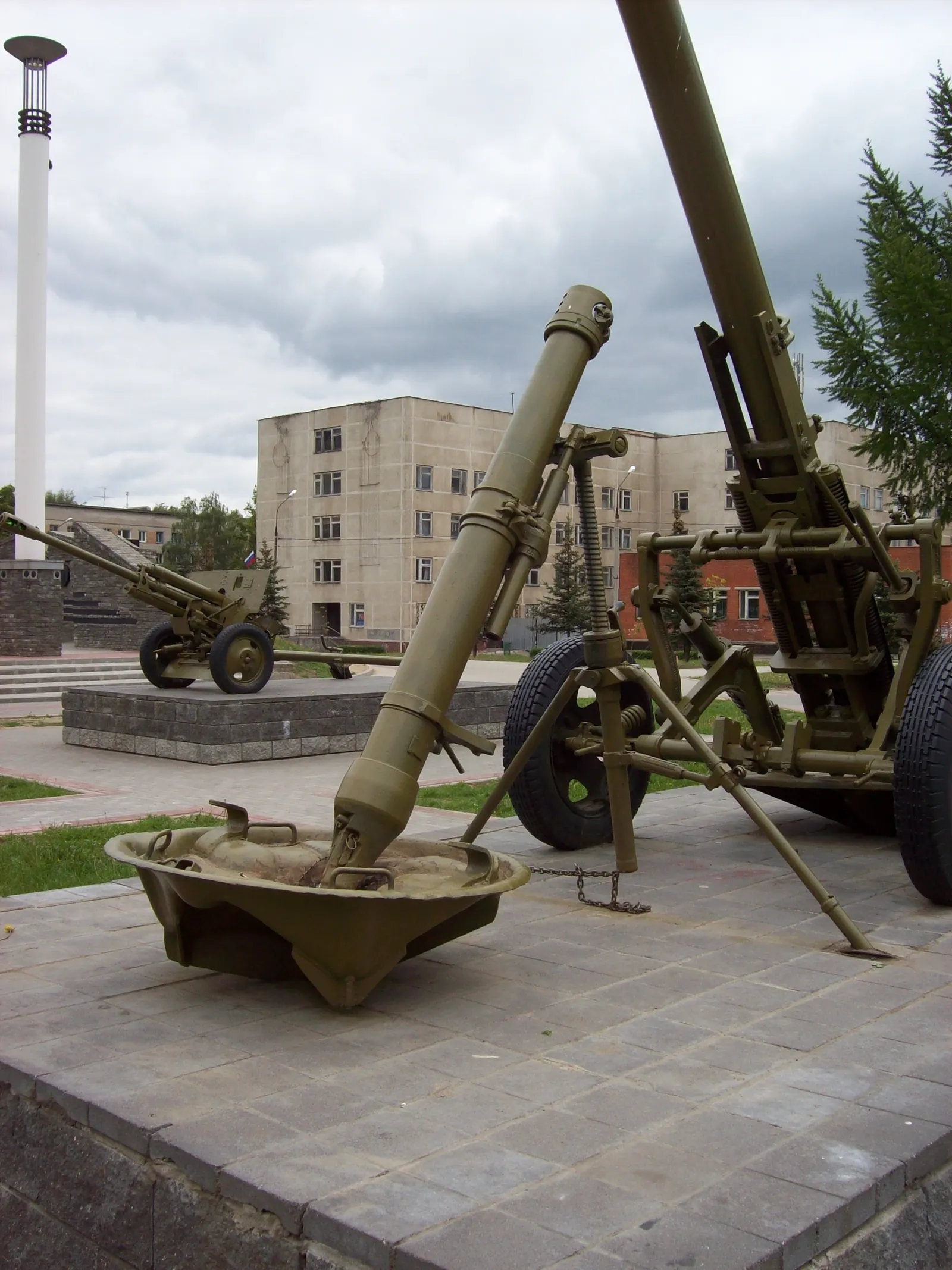
A generic 120 mm mortar launcher page needs to separate carriage, recoil management, and tube architecture. The same caliber can appear as a simple ground mortar, a towed system, an open-hatch carrier mortar, a protected turret, or a rifled French-derived system.
Tube, bipod, baseplate, sight, and fire-control equipment remain the baseline arrangement; towing and stowage kits improve movement and emplacement.
Recoiling mounts such as CARDOM reduce vehicle firing loads and add automatic laying, navigation, and fire-control functions.
NEMO-style systems trade simplicity for protected crews, onboard ammunition, direct-fire options, and faster shoot-and-scoot workflows.
MO-120 RT-style systems are useful examples of rifled 120 mm mortars and should be described as configuration examples rather than the default class standard.
Sources: 120mm Mortar System; 120mm Mortars; CARDOM; Patria NEMO; 120mm MO-120-RT.
This page treats 120 mm mortar launcher as a caliber-and-configuration class rather than one national model. Current systems split mainly by carriage and tube architecture: dismounted or towed smoothbore mortars, carrier-mounted recoil mortar systems, protected turreted mortars, and rifled French-derived systems.
| Variant | Configuration | Designation notes |
|---|---|---|
| Ground-mounted smoothbore 120 mm mortars | Crew-served dismounted configuration | U.S. Army M120A1 data describes a tube, bipod, baseplate, and sight arrangement with a 200-7,200 m range and 16 rpm first-minute rate of fire. Sources: 120mm Mortar System |
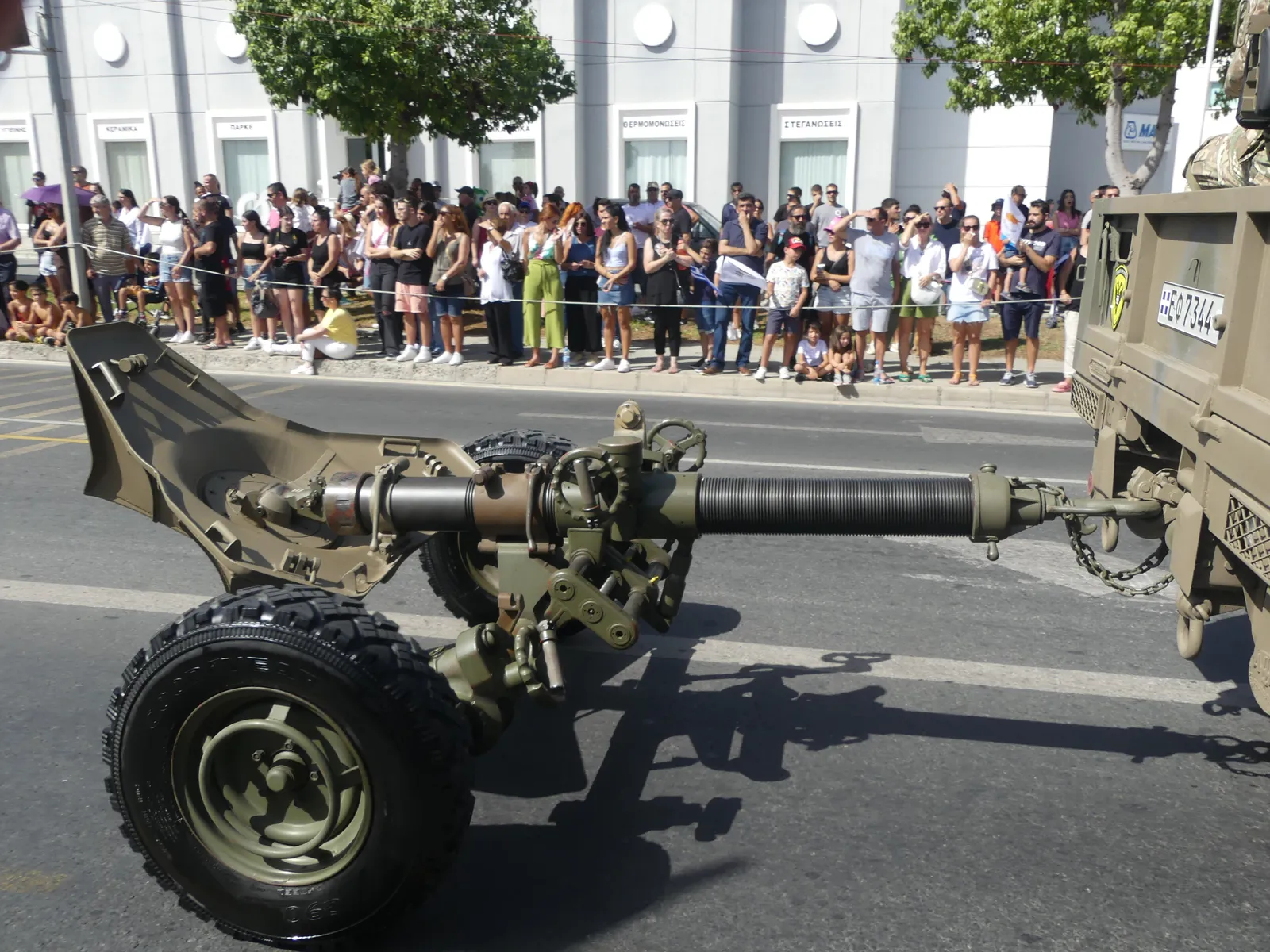
| Towed 120 mm mortar systems | Trailer or light-vehicle moved heavy mortar | U.S. Army and Elbit sources both support towed 120 mm systems; Elbit gives a 144-440 kg family weight range depending on configuration and 7.2-9.5 km range. Sources: 120mm Mortar System, 120mm Mortars |
| Carrier-mounted recoiling 120 mm mortars | Open-hatch armored-vehicle mortar fit | CARDOM represents a modern recoiling mortar branch, using fire control, inertial navigation, automatic laying, and a 120 mm barrel that can also operate on the ground. Sources: CARDOM |
| Turreted 120 mm mortar systems | Protected vehicle turret or module | Patria NEMO represents the protected turret branch, combining a remote-controlled 120 mm mortar with direct and indirect fire, MRSI, full traverse, and standard 120 mm smoothbore ammunition compatibility. Sources: Patria NEMO |
| Rifled 120 mm mortar systems | Rifled towed or mounted mortar branch | French-derived MO-120 RT-style systems are the main public examples of rifled 120 mm mortars and are best treated as a configuration branch rather than the default class standard. Sources: 120mm MO-120-RT |
The launcher class is defined by firing 120 mm mortar bombs, but round compatibility still depends on the individual mortar, pressure limits, and smoothbore or rifled architecture.
| Ammunition | Ammunition type | Firing evidence |
|---|---|---|
 | 120 mm mortar ammunition class | Elbit's 120 mm mortar data says qualified 120 mm ammunition is authorized for use, while the cataloged ammunition page covers the broader 120 mm mortar-bomb class fired from compatible launchers. Sources: 120mm Mortars |
 | Guided 120 mm mortar munition | Elbit describes Iron Sting as a laser- and GPS-guided 120 mm mortar munition fired from standard smoothbore 120 mm mortars, making it a guided compatibility example rather than a universal round for every 120 mm launcher. |