Profile
- Origin
- Multiple countries
- Type
- Fin-stabilized mortar ammunition
- Service note
- 20th century-present
- Unit cost
- Not publicly documented
- Produced
- Early 20th century-present
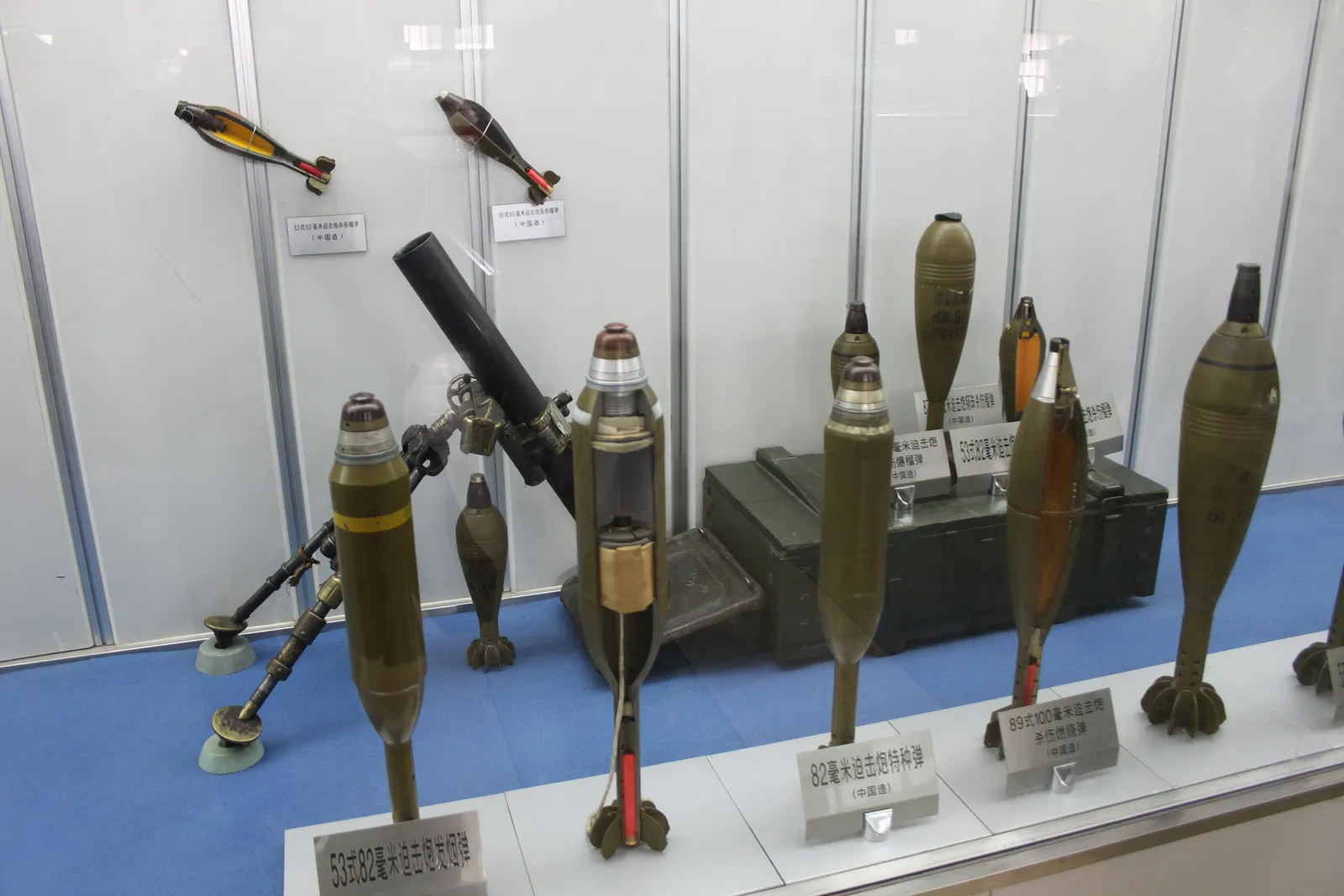
Mortar shells are fin-stabilized cartridges or bombs fired from smoothbore, high-angle mortar tubes, most commonly in modern 60 mm, 81/82 mm, and 120 mm families. U.S. Army and industry sources group current mortar ammunition by effect, including high explosive, smoke, illumination, training, guided, and enhanced-lethality rounds.
Modern mortar shells are best treated as ammunition families rather than one fixed model. The common pattern is a fin-stabilized projectile fired from a muzzle-loaded smoothbore tube, with propellant increments and a fuze selected for the mission.
60 mm rounds support portable light mortar systems, with U.S. examples spanning high-explosive, illumination, smoke, and training types.
81 mm and related 82 mm families cover crew-served medium mortars, including HE, visible and infrared illumination, smoke, and practice rounds.
120 mm mortar rounds include HE, white-phosphorus smoke, visible or IR illumination, full-range training, enhanced-lethality, and guided precision designs.
Mortar shells are normally fired by mortar systems matched to their caliber; the existing catalog includes both a broad mortar-class entry and a 120 mm heavy mortar entry.
| Firing weapon | Weapon type | Firing evidence |
|---|---|---|
 | High-angle indirect-fire weapon class | Army and Marine Corps references describe mortar shells as ammunition for smoothbore, muzzle-loaded mortar systems and group common shell families by caliber and effect. Sources: Army Mortar Ammunition, FM 23-90 Mortars |
 | Heavy mortar system | Army and Marine Corps references in the catalog identify 120 mm HE, smoke, illumination, and training cartridges for M120/M121-family 120 mm mortar systems, making the 120 mm mortar entry the closest broad firing-system link for this ammunition family. Sources: Army Mortar Ammunition, FM 23-90 Mortars |
Myanmar reporting linked mortar shells to gyrocopters used for low-altitude hand-release attacks.
| Carrier | Carrier type | Carriage evidence |
|---|---|---|
 | Gyrocopter | AP reported that Myanmar military gyrocopters could remain aloft while carrying 30 to 40 mortar shells for hand release, and Fortify Rights described the same broader attack pattern as a low-altitude bombing method using operator-released unguided explosives. Sources: AP report on Myanmar gyrocopters, Fortify Rights report on paramotors and gyrocopters |
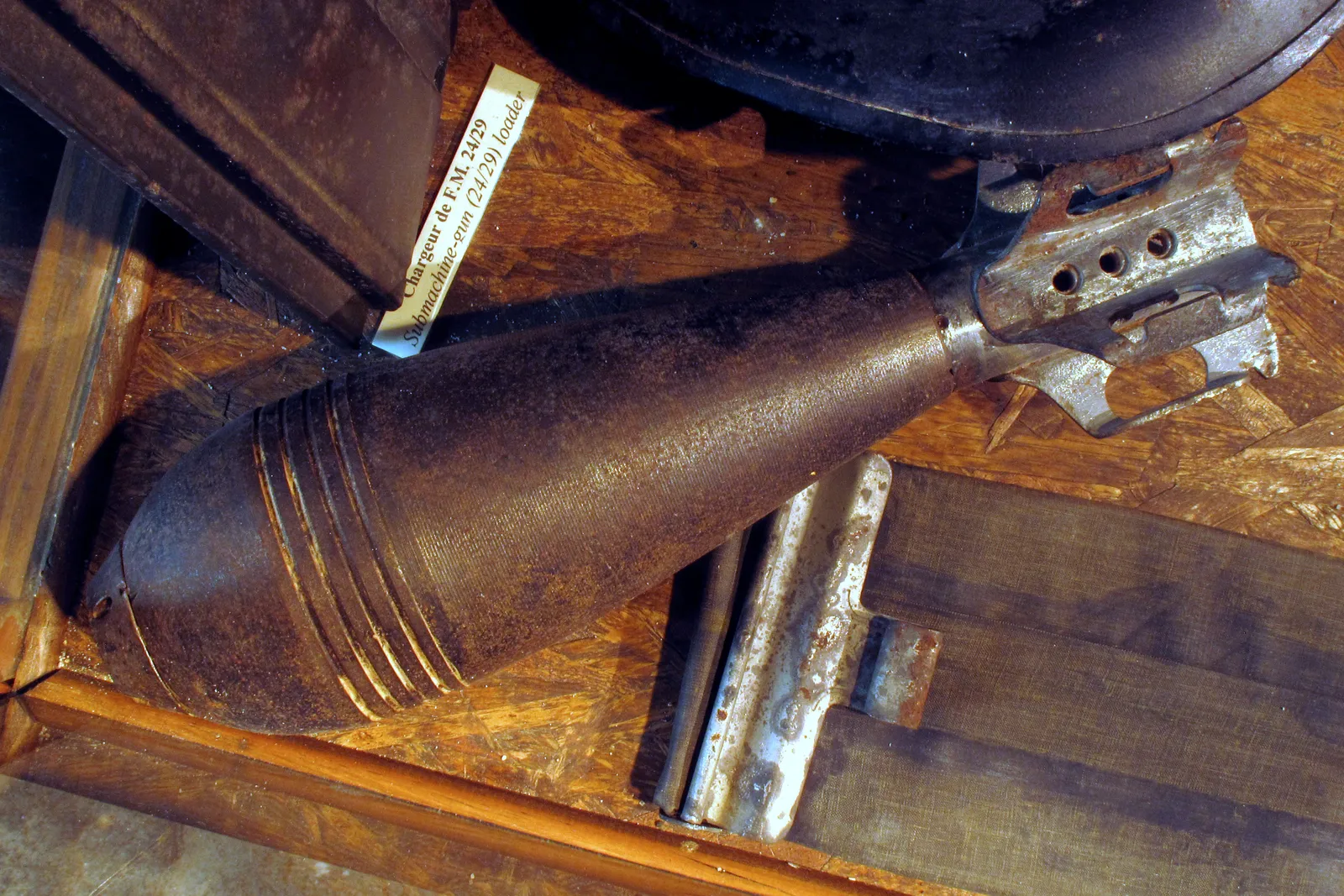
Imperial War Museums' Stokes bomb example shows the First World War mortar projectile as a metal cylinder with a fuze head and a cartridge container for the propelling charge.
Sources: 3 in Stokes Mortar Bomb
TM 9-2005 identifies the 3-inch Stokes trench mortar as British and the 81 mm trench mortar as French, while describing fin-stabilized mortar ammunition for smoothbore flight.
Sources: TM 9-2005 Ordnance Materiel
FM 23-90 covers U.S. 60 mm, 81 mm, 4.2-inch, and 120 mm mortar ammunition sections, including high-explosive, smoke, illumination, training, and fuze-handling context.
Sources: FM 23-90 Mortars
Elbit's mortar ammunition portfolio describes 60 mm, 81 mm, and 120 mm families plus GPS/INS, semi-active laser, proximity-fuzed, and enhanced-lethality 120 mm mortar products.
Sources: Elbit mortar ammunition portfolio
| Effect class | Representative mechanism | Source-backed example |
|---|---|---|
| High explosive | Point-detonating or delay fuze | Army references list high-explosive 60 mm, 81 mm, and 120 mm families; General Dynamics identifies the M933A1 120 mm HE cartridge with a point-detonating/delay fuze. |
| Illumination | Time fuze and suspended light package | Army references list visible-light and infrared illumination mortar ammunition for night observation and target confirmation. |
| Smoke | White-phosphorus, red-phosphorus, or smoke payload | The U.S. Army lists 60 mm and 120 mm white-phosphorus smoke rounds and 81 mm red-phosphorus smoke rounds. |
| Guided precision | GPS/INS, semi-active laser, proximity, or electronic modes | Elbit lists guided 120 mm mortar munitions such as Stylet, Rapier, Iron Sting, and a laser/GPS guidance kit. |