Munitions

Mortar shell

Also known as
  • Drone-dropped mortar shell

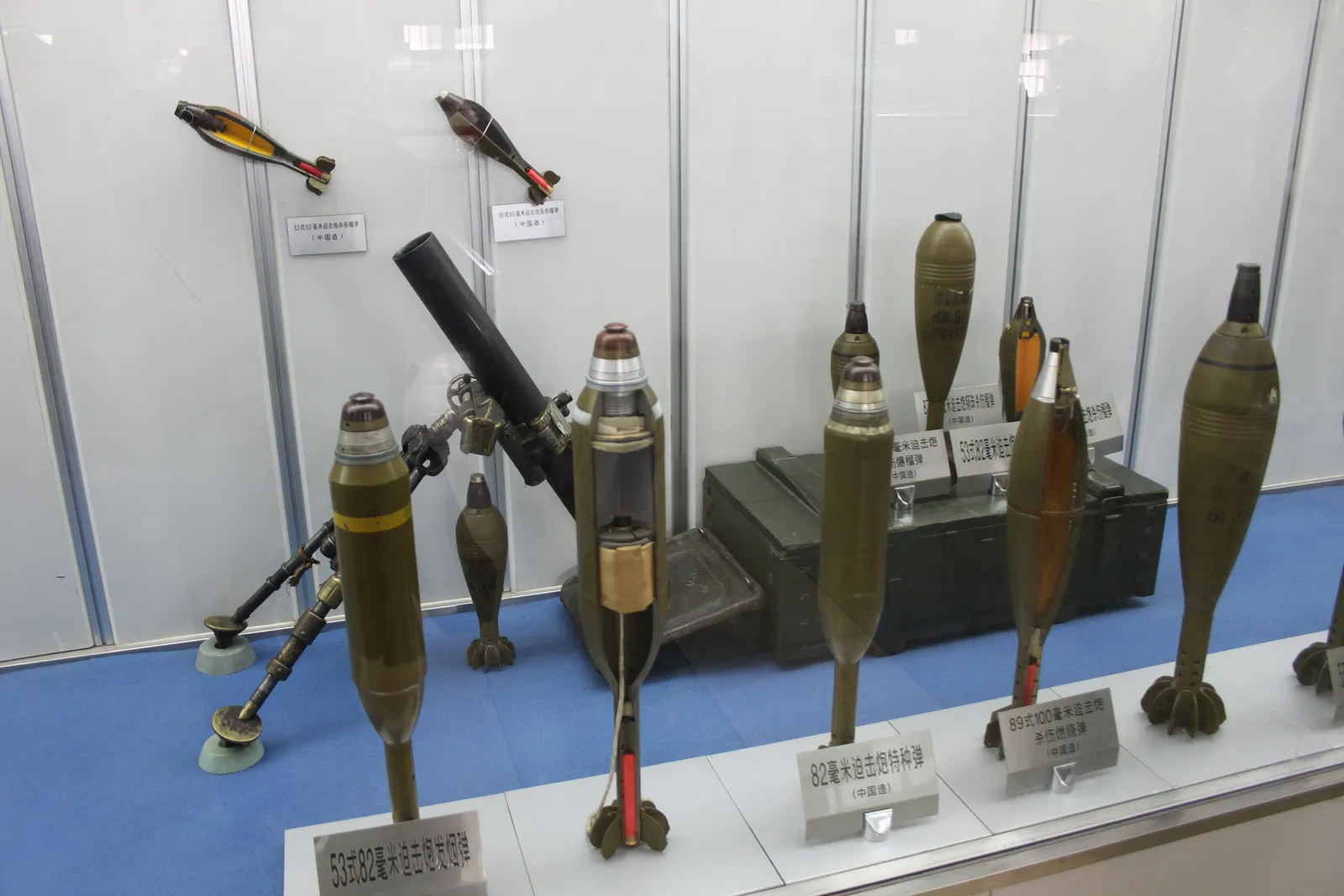
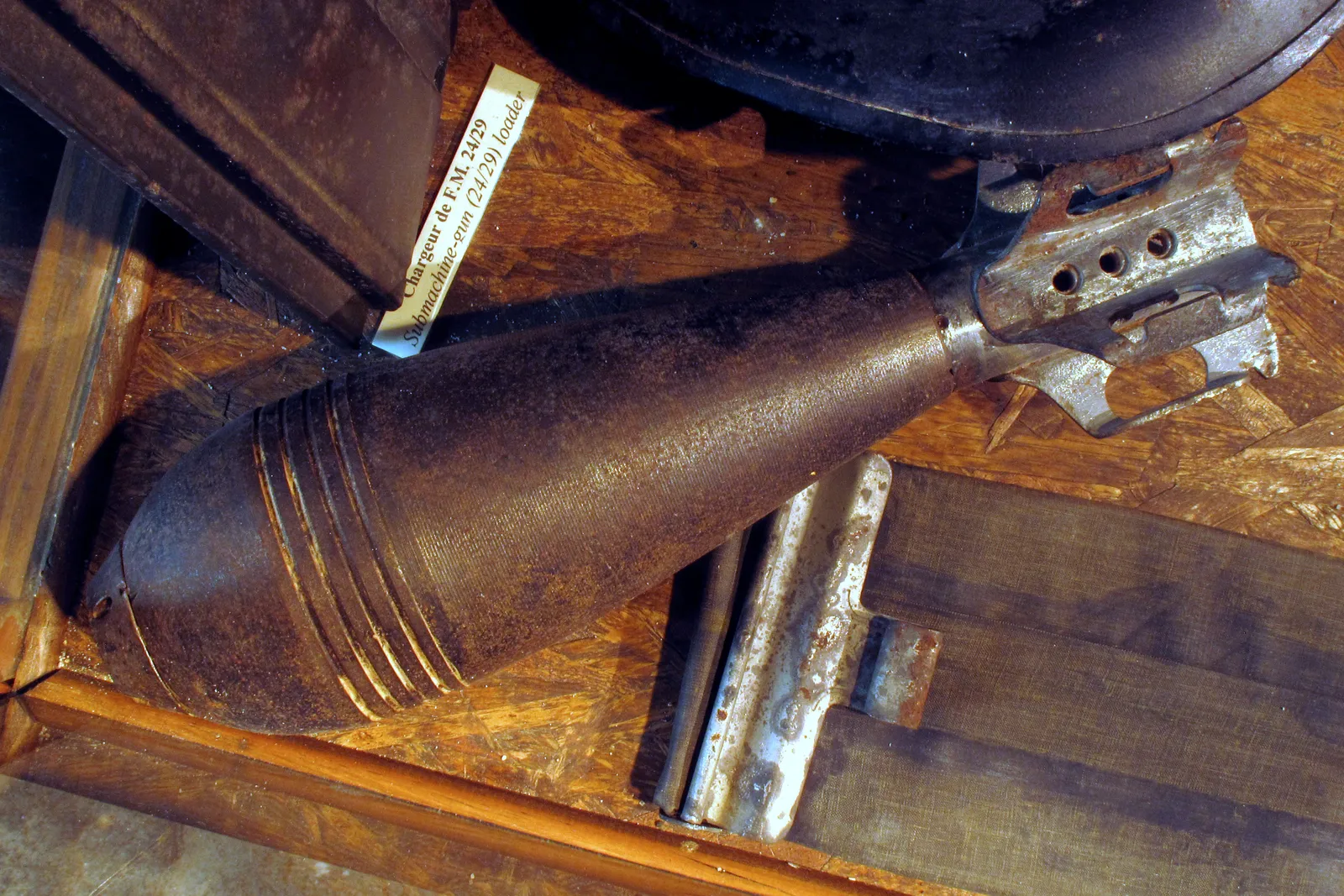
Mortar shell is an unidentified mortar projectile documented in Myanmar Civil War drone footage, where a larger hexacopter dropped the munition on junta troops. Public reporting does not identify the shell's caliber, maker, or exact model.

Profile / Specs

Specifications

Weapon type
Mortar projectile
Reported delivery
Dropped from a larger hexacopter UAV in Myanmar
Identification
Exact caliber and model not publicly identified
Observed role
Short-range aerial strike munition
Carrier UAVs

Fulcrum reported mortar shells being dropped from a larger hexacopter drone on junta troops in Myanmar.

CarrierCarrier typeCarriage evidence
Chinese commercial UAVs, Commercial quadcopter UAV, Aircraft & UAVsChinese commercial UAVsCommercial hexacopter UAV

Fulcrum reported drone footage showing mortar shells being dropped from a larger hexacopter drone on junta troops.

Sources: Resistance Forces in Myanmar: Changing the State of Play with Weaponised Drones

Timeline

Mortar shell Key Events

  1. Fulcrum reports drone-dropped mortar shells in Myanmar

    Fulcrum described footage of mortar shells being dropped from a larger hexacopter drone onto junta troops in Myanmar.

    Sources: Resistance Forces in Myanmar: Changing the State of Play with Weaponised Drones

Media
Related Weapon Systems
81/82 mm mortar, 81/82 mm crew-served medium mortar, ArtilleryArtillery81/82 mm mortar81/82 mm crew-served medium mortarThe 81/82 mm mortar family covers the modern crew-served, muzzle-loaded, smoothbore indirect-fire class descended from the Stokes mortar lineage and still fielded worldwide in variant-specific forms. Representative 81 mm and 82 mm systems such as the British L16A2, U.S. M252, and Russian 2B14/2B24 families show the same basic battlefield role but different national service lines, weights, ranges, and equipment fits. In the Kurdish-Turkish Conflict, a 2018 analysis of PKK tactics describes Russian-made 82 mm mortars used against Turkish security facilities in mountainous areas and later PKK use of 81 mm mortar tools as well, without identifying one specific model. In the Mali War, French military reporting documents Chadian soldiers training on in-service 82 mm mortars before deployment to operations in Mali. In the War in Afghanistan, U.S. budget documents show Afghan Border Police 82 mm mortars sustained for patrol and border checkpoint missions, reflecting continued Afghan government fielding of the system.
Mortars, Infantry and artillery mortar class, ArtilleryArtilleryMortarsInfantry and artillery mortar classMortars are short-barreled, high-angle indirect-fire weapons used by infantry, artillery units, and armed groups for close support, harassment, and attacks on positions behind cover. The catalog entry treats mortars as a broad weapon class because the direct conflict sources usually document mortar use without identifying exact calibers or models, including Philippine government support fires at Marawi, Hezbollah fire at Mount Dov, jihadist attacks in Mali and Sinai, FARC dissident improvised mortars in Colombia, Sudan War battlefield use, and Cambodia-accused cross-border fire.

Sources