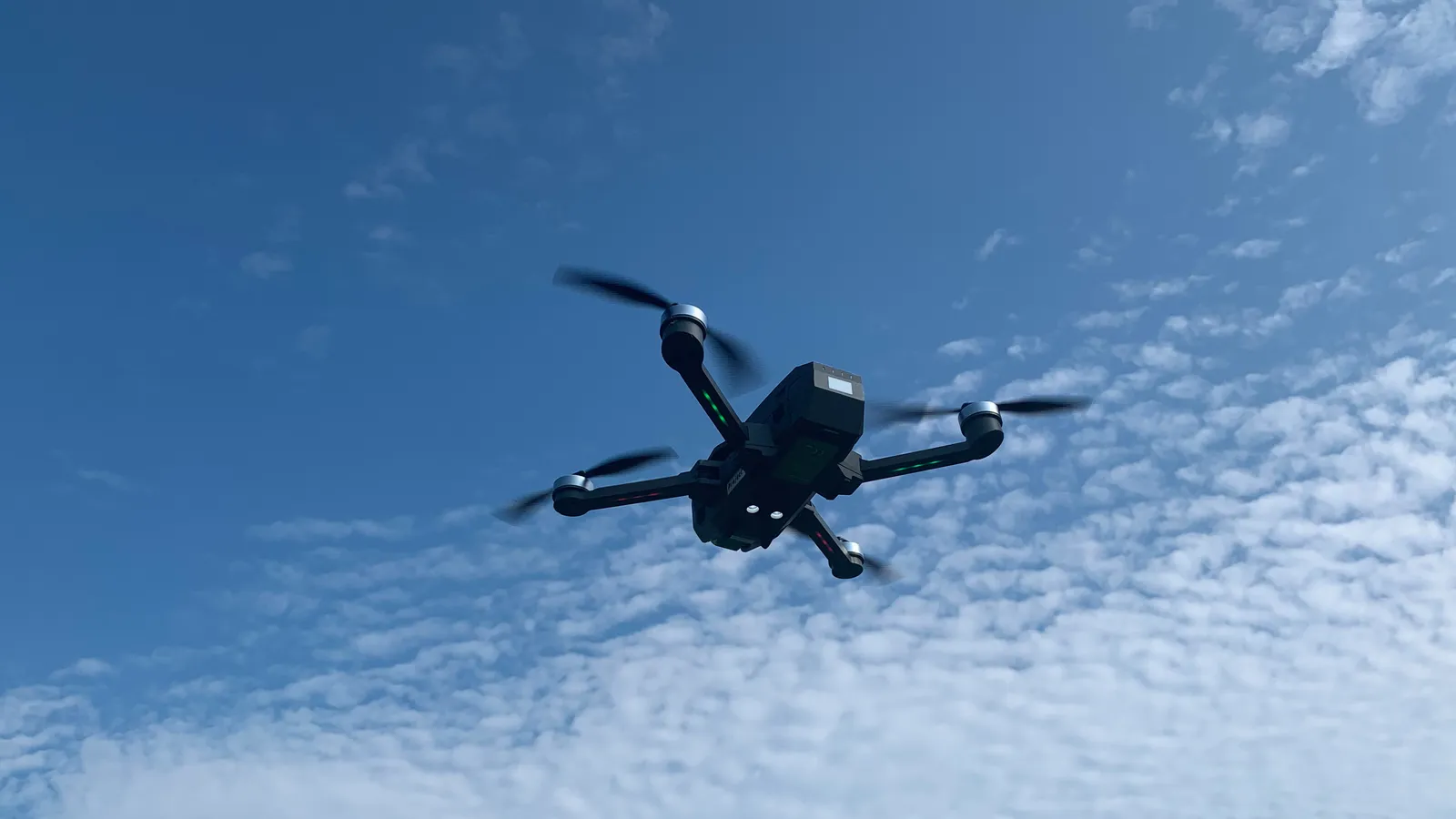
Myanmar resistance groups modified commercial and field-built drones for reconnaissance, bomb drops, and ground-assault support, while Reuters reported that junta forces later adapted Chinese commercial UAVs for armed use and attacks on opposition positions.
Improvised drones
Improvised drones are locally modified or field-assembled uncrewed aerial systems built from commercial quadcopters, FPV airframes, agricultural-drone parts, and workshop-made payload fittings. The record tracks a distributed weapon class rather than one factory model: Islamic State, Ukrainian and Russian forces, Hamas, Israeli units in Gaza, and Myanmar armed actors all adapted small UAVs for reconnaissance, bomb drops, assault support, and low-cost strike roles.
Role in Conflicts
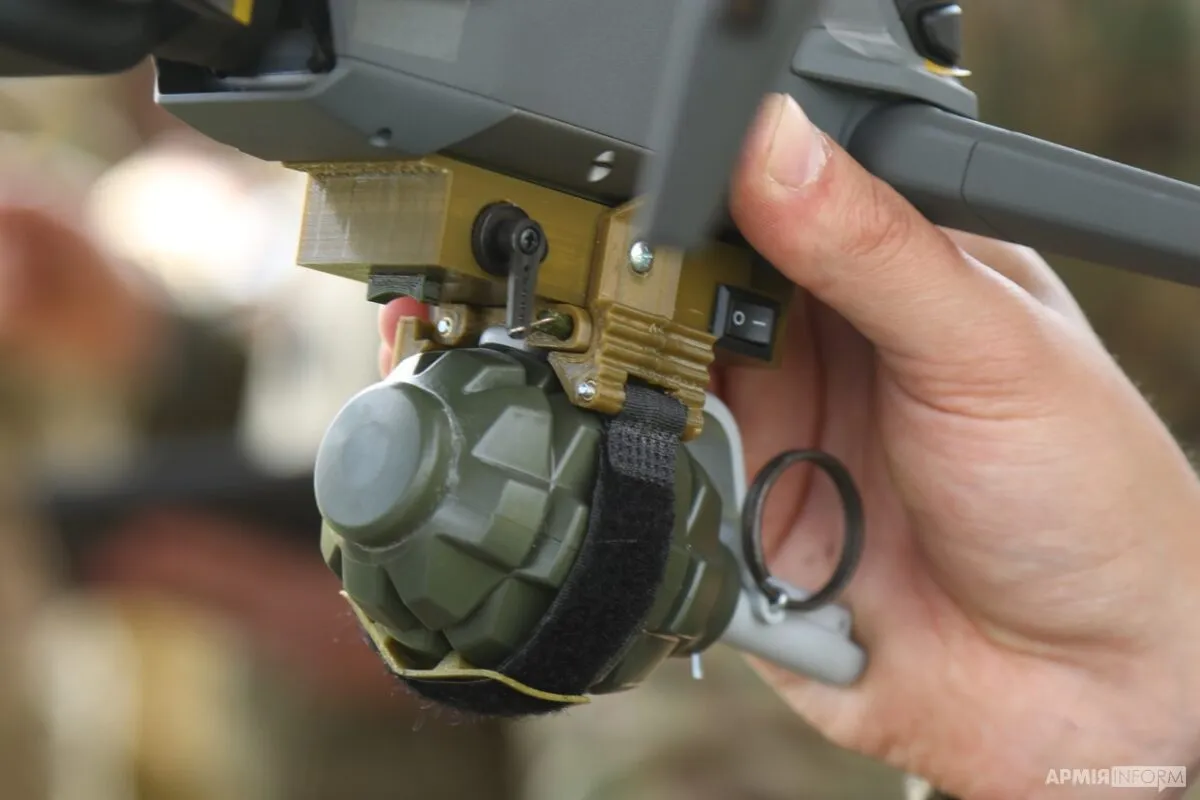
Ukrainian forces modified small commercial drones to drop grenades, mortar rounds, and other munitions, then both Ukrainian and Russian forces scaled FPV strike drones that carry improvised warheads against vehicles, troops, and front-line positions.
Role detailsIslamic State forces in Iraq and Syria modified commercial quadcopters to release grenades, mortar shells, and improvised explosive devices, using them for surveillance, attack coordination, and low-cost aerial strikes during the anti-ISIS campaign.
Islamic State forces used modified commercial drones in Syria, and later Hayat Tahrir al-Sham used FPV, kamikaze, reconnaissance, and grenade-dropping consumer drones during its 2024 offensive against Syrian government forces.
Role detailsHamas-led forces used small explosive-laden commercial drones during the October 7 attack to strike Israeli border surveillance, communications, sentry, and armored targets; +972 and Local Call later reported Israeli units in Gaza using commercial Autel EVO drones with grenade-drop attachments.
Role detailsProfile / Specs
Profile
- Origin
- Distributed commercial and field-workshop adaptation
- Built in
- Various
- Type
- Improvised military drone class
- Service note
- 2010s-present; documented battlefield expansion from Iraq and Syria to Ukraine, Gaza, and Myanmar
- Designer
- Field-modified by state forces, insurgent groups, and local workshops
- Designed
- 2010s-present distributed adaptation
- Unit cost
- Low-cost improvised system; exact costs vary by donor, parts, and payload
- Produced
- 2021-present
- Number built
- Not publicly reported
Specifications
- Configuration
- Rotary-wing and fixed-wing UAS adapted from commercial components or improvised airframes
- Payload
- Small explosive devices, drone bombs, or improvised munitions fitted for strike missions
- Control
- Remote-piloted and sometimes used in first-person-view or kamikaze roles
- Employment
- Reconnaissance, checkpoint attacks, convoy strikes, airbase attacks, and psychological pressure
- Representative commercial-drone cost
- Fulcrum reported field-used commercial drones in Myanmar costing about US$1,000 to US$3,000 depending on size and payload capacity
- Limitations
- Short endurance, light payloads, and vulnerability to jamming, small arms, and air defenses
Variants
The record groups improvised drone configurations by battlefield role rather than by a single factory model; Myanmar sources describe commercial quadcopters, larger field-built UAVs, agricultural-drone adaptations, and one-way attack or bomb-drop layouts.
| Variant | Configuration | Designation notes |
|---|---|---|
![]() | Civilian multirotor modified for bomb drops or close-range strike | Myanmar resistance reporting described DJI-type and other commercial drones adapted for reconnaissance and explosive delivery. Sources: Weaponised drones in Myanmar's resistance, Learning from Myanmar's rebels, junta builds new Chinese drone fleet |
| Home-built fixed-wing and larger multirotor UAV | Workshop-built reconnaissance or payload carrier | UNIDIR describes craft production, modification, and weaponization of UASs by Myanmar non-state armed groups using commercial components and decentralized knowledge sharing. Sources: UNIDIR Myanmar UAS report |
![]() | Operator-guided impact or expendable strike configuration | Myanmar drone reporting includes FPV and kamikaze-style adaptations within the broader improvised UAV ecosystem. Sources: UNIDIR Myanmar UAS report, Learning from Myanmar's rebels, junta builds new Chinese drone fleet |
| Commercial agricultural-drone adaptation | Larger commercial UAV adapted for armed sorties | Reuters reported that resistance fighters identified junta drones adapted from crop-spraying or other Chinese commercial UAV designs. Sources: Learning from Myanmar's rebels, junta builds new Chinese drone fleet |
Carried Munitions
Myanmar reporting documents improvised drones carrying both small rifle-grenade payloads and larger mortar-shell payloads.
| Carried item | Item type | Carriage evidence |
|---|---|---|
![]() | Rifle-grenade payload | Mizzima reported local defence forces dropping an M9 rifle grenade from a drone onto a junta checkpoint near Monywa, and Fulcrum later described footage showing four primed M9 rifle grenades dropping on junta troops. Sources: Mizzima M9 drone drop report, Weaponised drones in Myanmar's resistance |
![]() | Mortar-shell payload | Fulcrum reported drone footage from Kayin State showing mortar shells being dropped from a larger hexacopter drone on junta troops. |
Timeline
Improvised drones Key Events
Resistance drone adoption accelerates
After the National Unity Government called for nationwide armed resistance, tech-savvy anti-junta fighters helped spread commercial-drone use among resistance groups.
Sources: Myanmar shadow government declares national uprising, Weaponised drones in Myanmar's resistance
Natogyi PDF drone strike reported
Fulcrum cited a Natogyi People Defense Force announcement and footage showing rifle grenades dropped from a drone against junta troops.
Sources: Weaponised drones in Myanmar's resistance
Operation 1027 drone waves described
Reuters reported analyst accounts that rebel forces used repeated drone bomb drops during Operation 1027 against military posts.
Sources: Learning from Myanmar's rebels, junta builds new Chinese drone fleet
Junta commercial-drone adaptations reported
Reuters reported that junta forces had begun procuring and modifying Chinese commercial UAVs for armed use, reducing the resistance's early drone advantage.
Sources: Learning from Myanmar's rebels, junta builds new Chinese drone fleet
UNIDIR publishes Myanmar UAS study
UNIDIR's Myanmar report described craft production, modification, weaponization, and widespread commercial-component access among non-state armed groups after the coup.
Sources: UNIDIR Myanmar UAS report
Myanmar Adaptation Pattern
Myanmar's improvised drone ecosystem combines civilian supply chains with workshop-level modification. Resistance units used commercial quadcopters and larger locally assembled UAVs for scouting, bomb drops, and assault support; junta forces later adapted Chinese commercial UAVs for similar armed sorties.
Commercial quadcopters, larger multirotors, agricultural-drone-derived systems, and field-built fixed-wing or delta-wing UAVs.
Small bombs, mortar shells, rifle grenades, and locally manufactured munitions adapted to light UAV lift limits.
Reconnaissance, target spotting, harassment attacks, assault support, and pressure on outposts, convoys, artillery positions, and exposed troops.
Media
Improvised drones Videos
Improvised drones Images
Related Weapon Systems