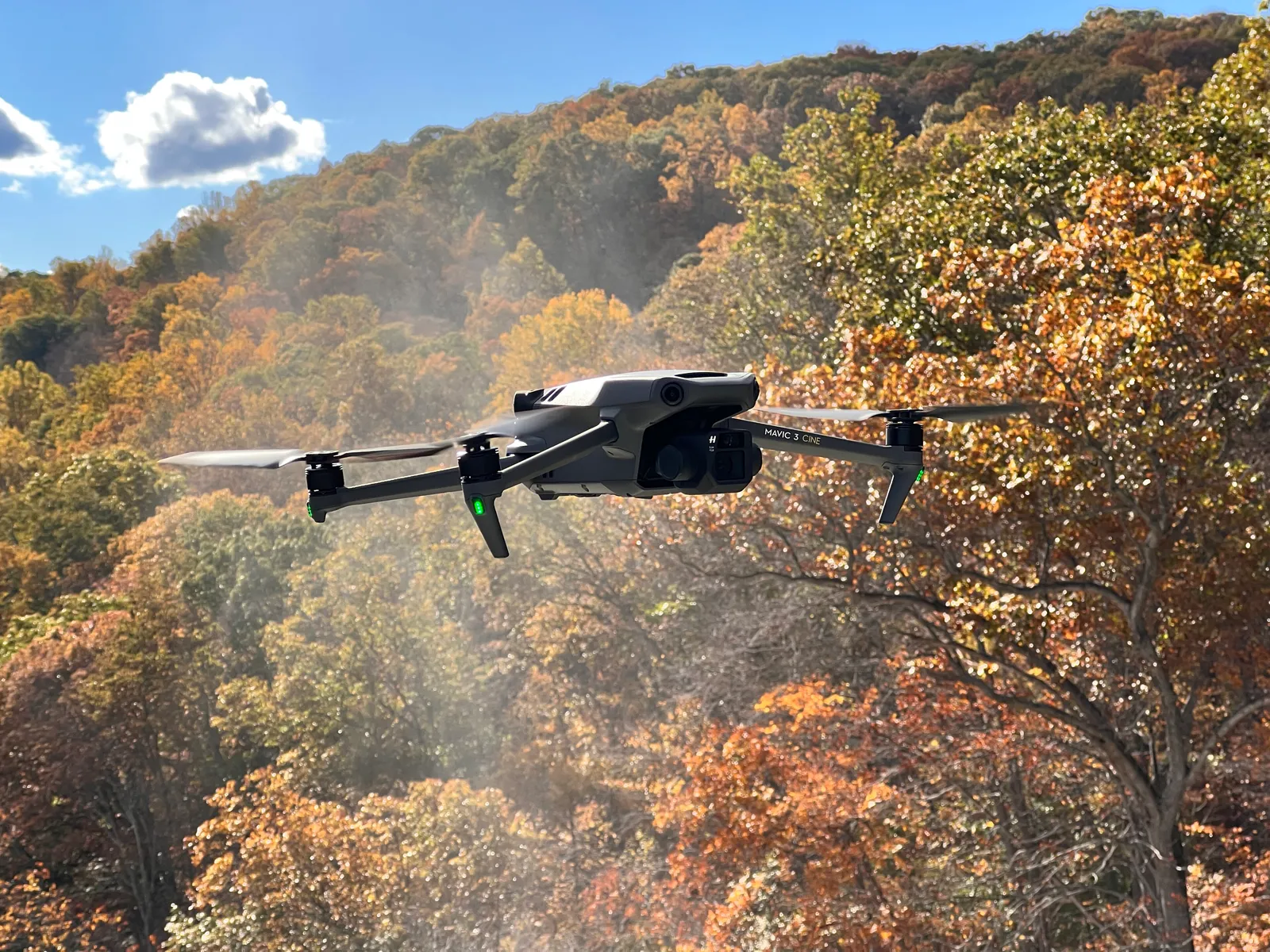

ISWAP and Boko Haram-linked militants used commercial-style armed drones in northeast Nigeria from December 2024 onward. The clearest case is the 24 December 2024 Wajiroko attack, where up to four drones carried locally made or locally fabricated grenades against a Nigerian forward operating base; later reporting described follow-on attacks and armed-drone recoveries in Borno and Yobe.
Aircraft & UAVs
Armed commercial quadcopter drone
Also known as
- COTS armed drone
- Weaponized commercial quadcopter
- Armed COTS quadcopter
- Grenade-strapped drone
- Grenade-drop quadcopter
- Improvised armed quadcopter
- Small commercial UAS
- Commercial off-the-shelf drone
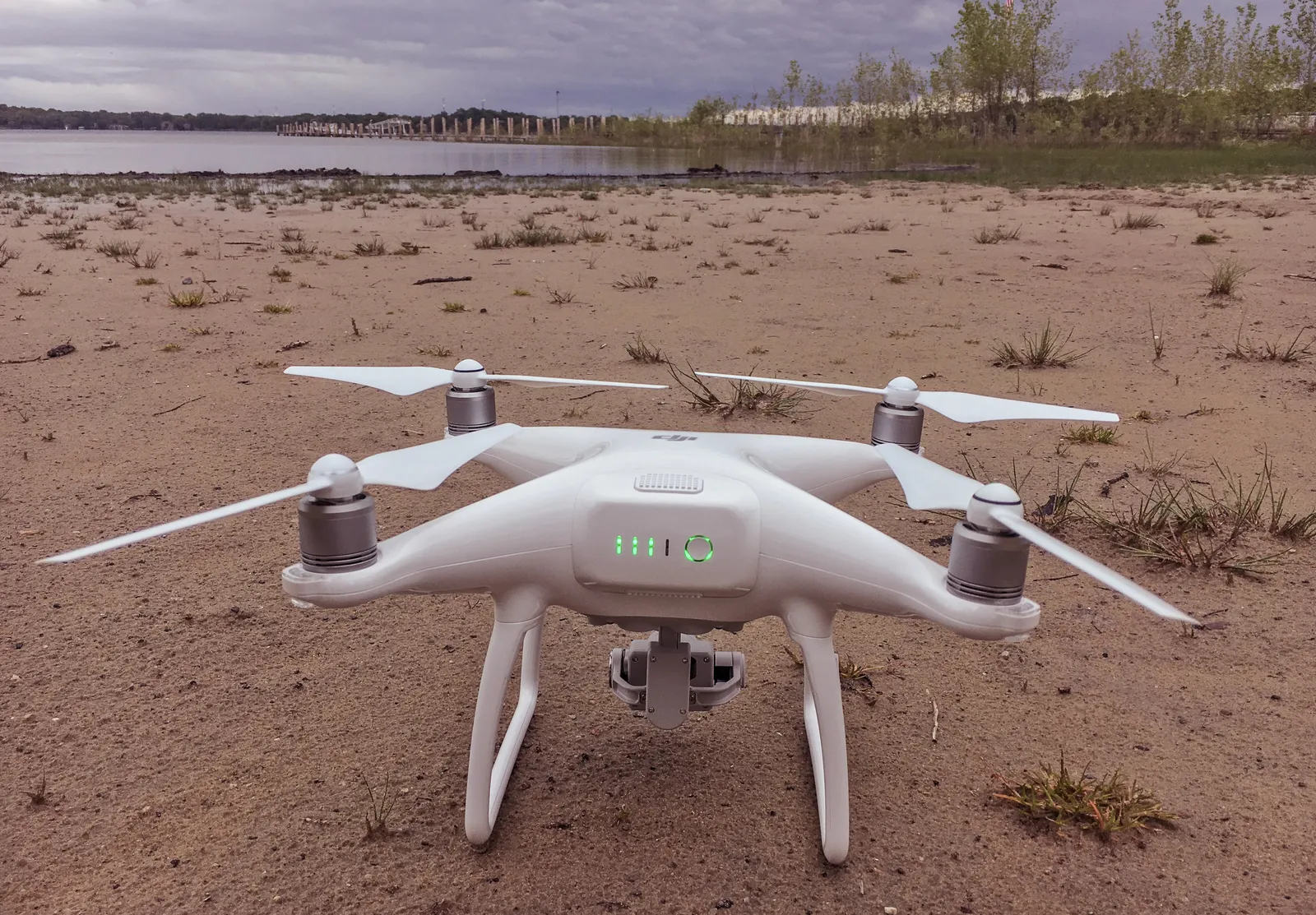
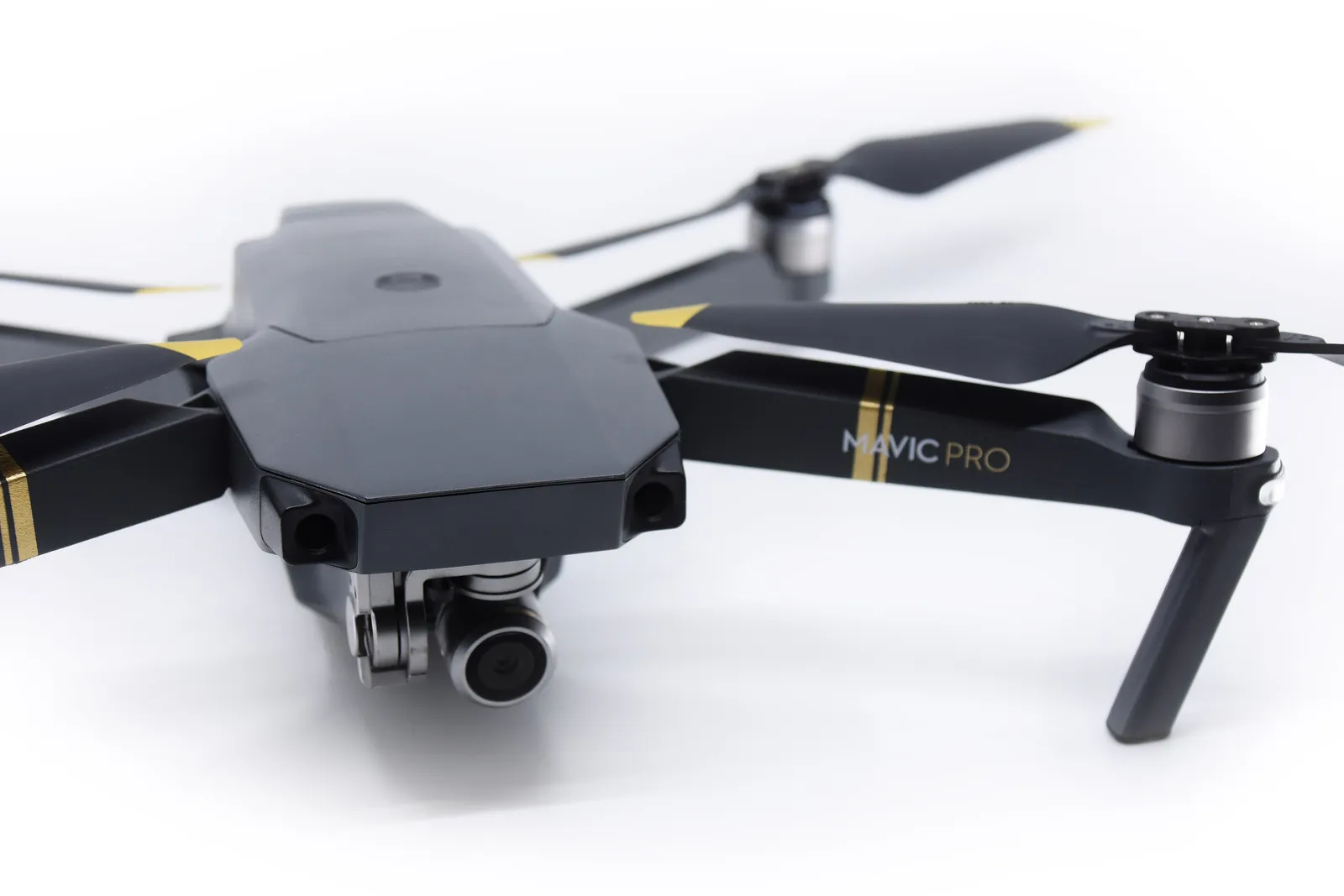
Armed commercial quadcopter drones are civilian off-the-shelf multirotor UAVs adapted for battlefield surveillance, target observation, propaganda filming, and short-range explosive delivery. In the Lake Chad basin, reporting links ISWAP and Boko Haram-linked forces to a late-2024 shift from ISR and propaganda drone use toward armed quadcopter attacks carrying locally made or locally fabricated grenades against Nigerian military positions in Borno and Yobe.
Role in Conflicts
Profile / Specs
Profile
- Origin
- Commercial off-the-shelf global market
- Built by
- Various manufacturers
- Built in
- Various, including China
- Type
- Weaponized commercial quadcopter UAV
- Service note
- Documented 2009 Boko Haram Insurgency use from 2024 onward
- Designer
- Commercial UAV manufacturers
- Designed
- Civilian quadcopter designs proliferated during the 2010s
- Unit cost
- Varies by civilian model and black-market supply route
- Produced
- 2010s-present commercial production
- Number built
- Mass-market civilian production; conflict-specific stocks unknown
Specifications
- Configuration
- Commercially available battery-powered rotary-wing UAS, mainly quadcopters, adapted after purchase for ISR or explosive delivery.
- Reported Lake Chad payload
- Locally made or locally fabricated grenades in documented December 2024 and later northeast Nigeria attacks.
- Control
- Remote-piloted with onboard camera feed on typical commercial models.
- Representative takeoff weight
- DJI Mavic 3E/3T: 915-920 g without accessories and 1050 g maximum takeoff; Autel EVO II: 1150 g takeoff weight and 1999 g maximum takeoff.
- Representative endurance
- DJI Mavic 3 Enterprise: up to 45 minutes in no-wind test conditions; Autel EVO II: 40 minutes standard.
- Control and video link
- Representative commercial models use 2.4 GHz and/or 5.8 GHz links; DJI lists much shorter obstructed and high-interference ranges than its unobstructed maximum.
- Payload caveat
- Manufacturer maximum-takeoff figures are not combat payload ratings; release hardware, grenade weight, wind, heat, battery age, and return-to-home margins reduce practical sortie performance.
- Employment
- Surveillance, target observation, propaganda filming, mortar or fire adjustment, and short-range improvised strike.
COTS Adaptation Limits
Weaponized commercial quadcopters retain the strengths and limits of civilian camera drones: stabilized video, simple remote piloting, and quick local procurement, but limited lift, battery endurance, and radio-link resilience.
Adaptation path
Reported Lake Chad basin examples used commercial-style quadcopters adapted after purchase to carry locally made or locally fabricated grenades.
Payload margin
Representative COTS quadcopters have small weight margins between empty and maximum takeoff weight, and manufacturers do not rate those figures as combat payload capacity.
Endurance caveat
Published 40-45 minute endurance figures are clean manufacturer test values; payloads, release rigs, wind, heat, battery condition, and return safety margins shorten practical attack flights.
Control caveat
Commercial control and video links depend on radio conditions. DJI's own Mavic 3 Enterprise data shows obstructed, high-interference range can fall to 1.5-3 km.
Variants
This record groups commercial quadcopters by battlefield configuration rather than by one manufacturer model; exact airframes are often not identified in Lake Chad basin reporting.
| Variant | Configuration | Designation notes |
|---|---|---|
| Grenade-drop commercial quadcopter | Short-range explosive-drop configuration | Lake Chad basin reporting describes armed drones carrying locally made grenades in the December 2024 Wajiroko attack and later attacks in Damaturu and Abadam. Sources: Lake Chad Basin insurgents raise the stakes with weaponised drones |
| Impact or kamikaze-style armed quadcopter | One-way or impact attack configuration | Nigerian Air Force reporting via The Nation described drones carrying locally fabricated grenades in a kamikaze role during the 2024 Wajiroko incident. Sources: NAF deploys counter measures against terrorists drones |
| ISR and propaganda commercial UAS | Unarmed reconnaissance and media collection | UNIDIR documented ISWAP UAS use for ISR and propaganda before the later publicly reported armed-drone attacks. Sources: The use of uncrewed aerial systems by non-State armed groups |
| Representative DJI/Autel-class quadcopter | COTS airframe class used for comparison | Manufacturer data for DJI Mavic 3 Enterprise and Autel EVO II-class aircraft provides representative weight, endurance, control-link, and max-takeoff context; it does not identify the exact Lake Chad attack models. |
Carried Munitions
Nigerian reporting described armed drones carrying locally manufactured grenades during the 24 December 2024 Wajiroko attack.
| Carried item | Item type | Carriage evidence |
|---|---|---|
 | Grenade payload | ISS, The Nation, and Defense Mirror all described armed commercial drones carrying locally made or locally fabricated grenades in the 24 December 2024 Wajiroko attack. Sources: Lake Chad Basin insurgents raise the stakes with weaponised drones, NAF deploys counter measures against terrorists drones, Boko Haram Militants Attack Two Nigerian Army Bases with Grenade-strapped Drones |
Timeline
Armed commercial quadcopter drone Key Events
Wajiroko armed-drone attack
After an initial mortar-and-firearms attack on FOB Wajiroko in Borno State, militants used up to four armed drones carrying locally made or locally fabricated grenades; reporting says five soldiers were injured and a gun truck was damaged.
Sources: Nigerian Army raises security alert after Boko Haram drone attack, Lake Chad Basin insurgents raise the stakes with weaponised drones, NAF deploys counter measures against terrorists drones
NAF cites Wajiroko in counter-UAV response
Nigeria's Chief of Air Staff described the Wajiroko drone-grenade attack as a significant 2024 threat and said the NAF was implementing an integrated counter-UAV system to protect troops and air assets.
Sources: NAF deploys counter measures against terrorists drones
ISS identifies follow-on Lake Chad attacks
ISS assessed the Wajiroko strike as a turning point in Lake Chad Basin insurgent drone use and reported additional armed-drone attacks in Damaturu, Yobe State, and Abadam on Lake Chad.
Sources: Lake Chad Basin insurgents raise the stakes with weaponised drones
ISWAP drone stockpile reported
Premium Times reported that ISWAP fighters in the Timbuktu Triangle and Sambisa Forest axis had received about 35 drones through Lake Chad smuggling routes and were preparing coordinated attacks on military positions in Borno and Yobe.
Sources: ISWAP terrorists acquire more drones, plan coordinated attacks on Nigerian troops
Armed drones recovered after FOB attacks
Africa Defense Forum reported that Nigerian soldiers repelled Boko Haram attacks on three forward operating bases over the weekend beginning 28 February 2026 and recovered weapons including armed drones.
Sources: Nigerian Terrorists Increase COTS Armed Drone Use
Mallam Fatori attack supported by armed drones
AP reported that suspected Boko Haram or ISWAP militants attacked the Mallam Fatori base in Borno with support from multiple armed drones, and that troops recovered armed drone components after the fighting.
Sources: Nigerian soldiers repel attack by Islamic militants and kill 80 fighters
Media
Armed commercial quadcopter drone Images
Related Weapon Systems


Sources
Lake Chad Basin insurgents raise the stakes with weaponised dronesPublisher: Institute for Security Studies | Note: Supports 2009 Boko Haram Insurgency direct use: armed commercial drones used by ISWAP in the December 2024 Wajiroko attack and subsequent Lake Chad basin attacks. | Accessed: 2026-07-04Nigerian Terrorists Increase COTS Armed Drone UsePublisher: Africa Defense Forum | Note: Supports 2009 Boko Haram Insurgency direct use: armed off-the-shelf drones used by Boko Haram and ISWAP-linked terrorists in northeast Nigeria. | Accessed: 2026-07-04ISWAP Turns to Armed DronesPublisher: Africa Defense Forum | Note: Supports 2009 Boko Haram Insurgency direct use: ISWAP fighters in Borno used armed drones against Nigerian troops in January 2026, with background on the group's shift from surveillance drones toward armed commercial-drone attacks. | Accessed: 2026-07-04ISWAP terrorists acquire more drones, plan coordinated attacks on Nigerian troopsPublisher: Premium Times | Note: Supports 2009 Boko Haram Insurgency direct use: ISWAP reportedly acquired about 35 drones through Lake Chad smuggling routes and planned coordinated aerial attacks on Nigerian military positions in Borno and Yobe. | Accessed: 2026-07-04Boko Haram Militants Attack Two Nigerian Army Bases with Grenade-strapped DronesPublisher: Defense Mirror | Note: Supports 2009 Boko Haram Insurgency direct use: drones carrying locally made grenades used by Boko Haram/ISWAP militants against Nigerian military bases in Borno and Yobe. | Accessed: 2026-07-04NAF deploys counter measures against terrorists dronesPublisher: The Nation | Note: Supports 2009 Boko Haram Insurgency direct use: Nigeria's Chief of Air Staff described Boko Haram terrorists using drones carrying locally fabricated grenades in a kamikaze role at Wajiroko, and supports the Nigerian Air Force counter-UAV response. | Accessed: 2026-07-04Nigerian Army raises security alert after Boko Haram drone attackPublisher: Peoples Gazette | Note: Supports 2009 Boko Haram Insurgency direct use: a reported military signal described multiple armed drones carrying locally manufactured or locally fabricated grenades in the Wajiroko attack. | Accessed: 2026-07-04Nigerian soldiers repel attack by Islamic militants and kill 80 fightersPublisher: Associated Press | Note: Supports 2009 Boko Haram Insurgency direct use: suspected Boko Haram or ISWAP militants attacked the Mallam Fatori base in Borno with support from multiple armed drones and troops recovered armed drone components. | Accessed: 2026-07-04The use of uncrewed aerial systems by non-State armed groupsPublisher: UNIDIR | Note: Supports background on ISWAP use of UASs, commercial UAS proliferation, and non-state armed group adaptation of small aerial systems for ISR, target correction, and potential explosive payload delivery. | Accessed: 2026-07-04DJI Mavic 3 Enterprise SpecsPublisher: DJI | Note: Supports representative commercial quadcopter specifications for weight, endurance, camera payload, and remote-piloted performance context; not evidence of 2009 Boko Haram Insurgency use. | Accessed: 2026-07-04Support for Phantom 4 ProPublisher: DJI | Note: Supports representative commercial quadcopter specifications for weight, endurance, camera, and control-link context; not evidence of 2009 Boko Haram Insurgency use. | Accessed: 2026-07-04EVO II specificationPublisher: Autel Robotics | Note: Supports representative commercial quadcopter specifications for weight, maximum takeoff weight, endurance, and control-link context; not evidence of 2009 Boko Haram Insurgency use. | Accessed: 2026-07-04DJI Mavic 3.jpgPublisher: Wikimedia Commons | Note: Image provenance and CC BY-SA 4.0 licensing page for a representative commercial quadcopter image. | Accessed: 2026-07-04DJI Phantom 4 DronePublisher: Wikimedia Commons | Note: Image provenance and CC BY-SA 2.0 licensing page for a representative commercial quadcopter image. | Accessed: 2026-07-04DJI MavicPro 2.jpgPublisher: Wikimedia Commons | Note: Image provenance and CC BY-SA 4.0 licensing page for a representative commercial quadcopter image. | Accessed: 2026-07-04