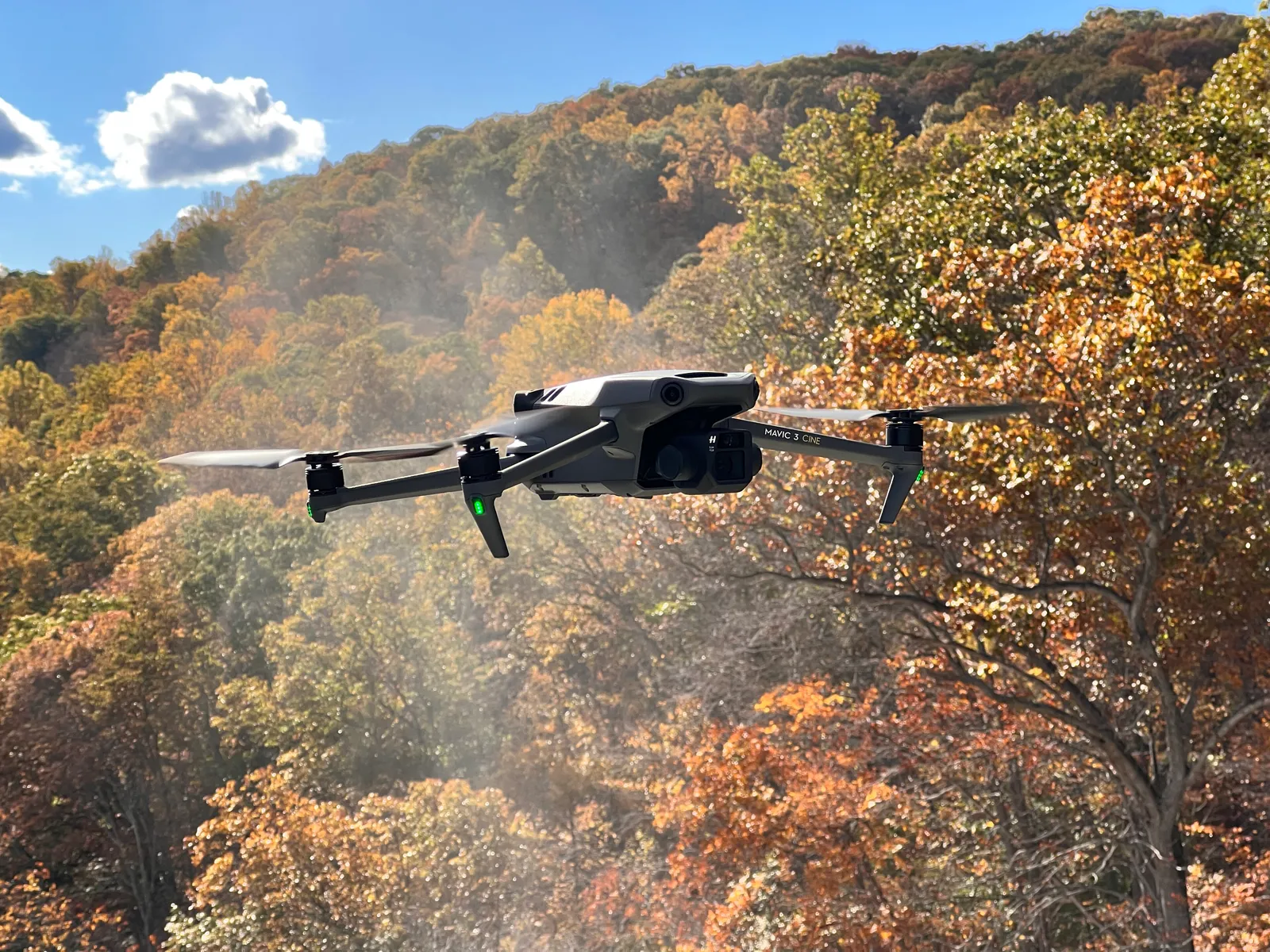


During the full-scale phase of the 2014 Russia-Ukraine War, Ukrainian and Russian forces used DJI Mavic and other DJI commercial quadcopters for battlefield surveillance, artillery and mortar fire direction, and improvised grenade or munition drops.
Role detailsAircraft & UAVs
DJI commercial UAVs
Also known as
- DJI drones
- DJI camera drones
- DJI Mavic
- DJI Matrice
- DJI Inspire
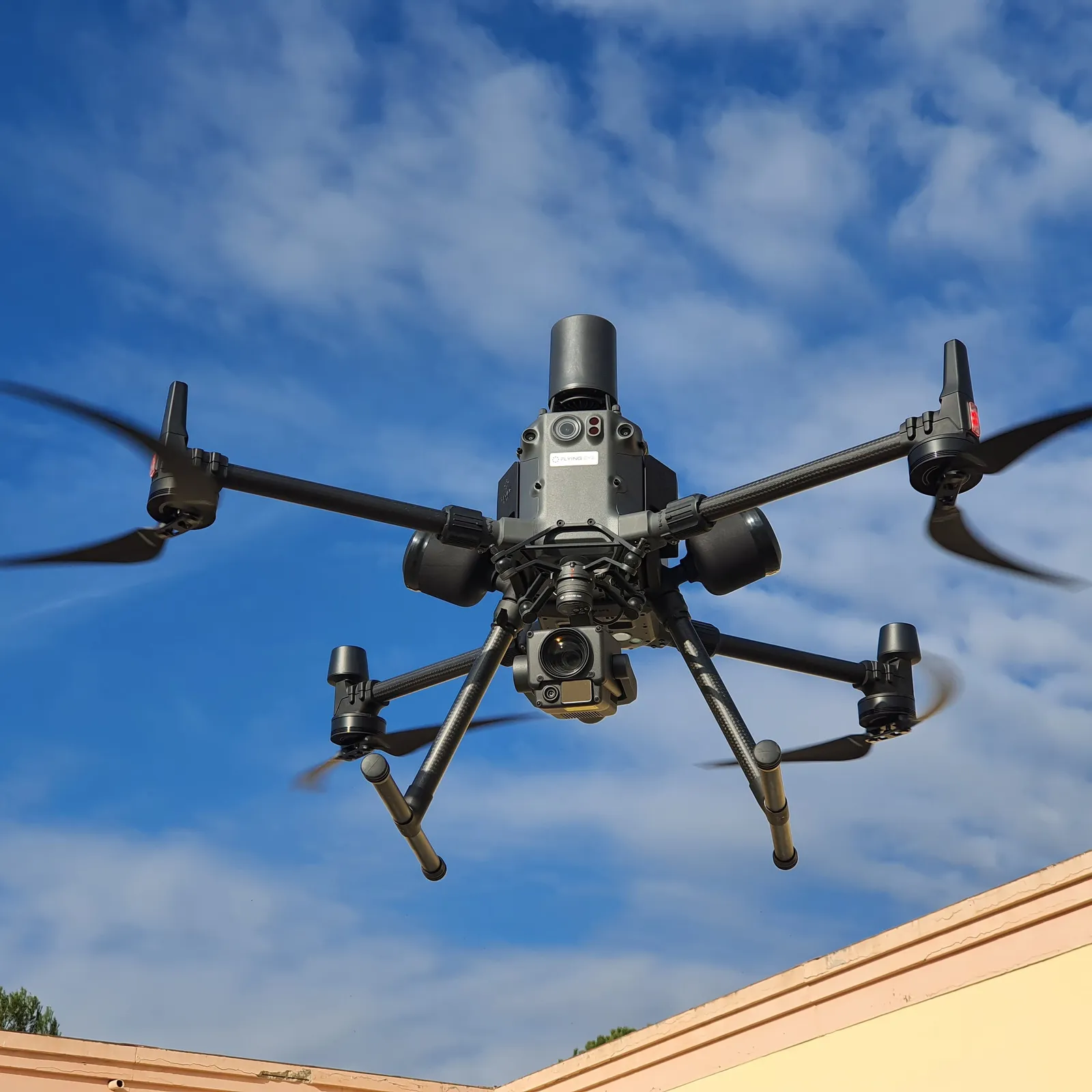
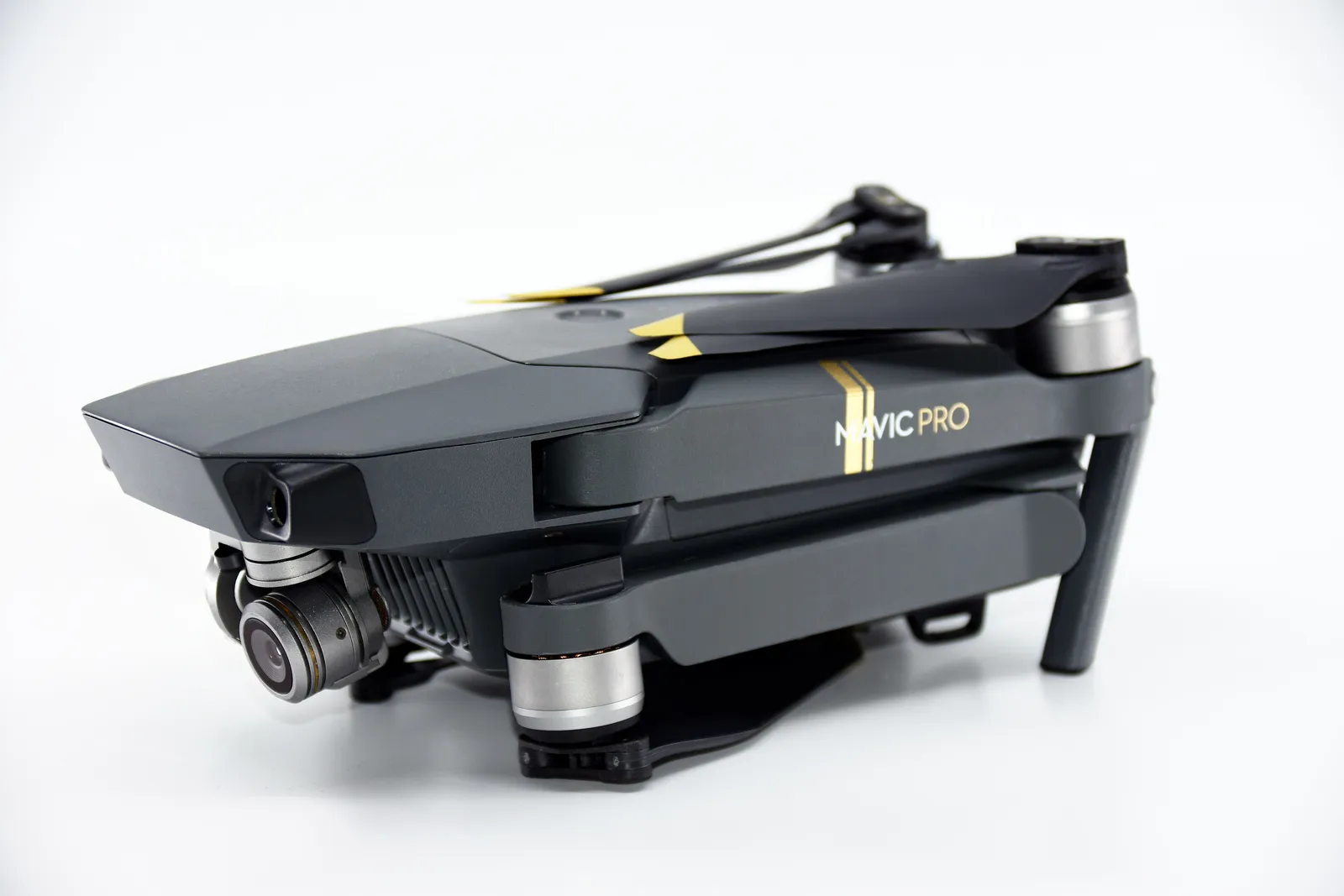
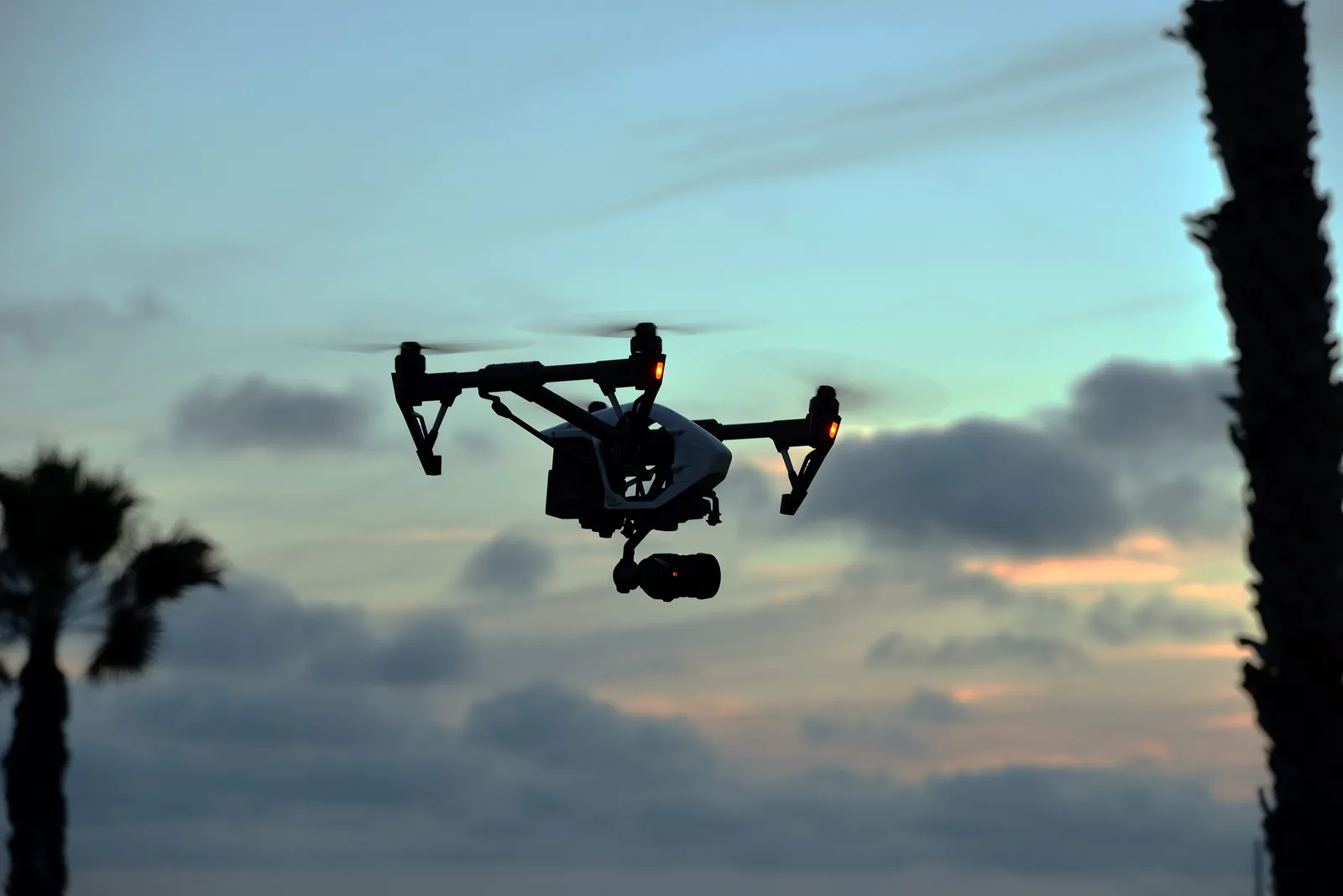
DJI commercial UAVs are Chinese off-the-shelf multirotor drones sold for civilian, professional, and enterprise use, from compact Mavic-series aircraft to larger Matrice industrial platforms. In Ukraine and Myanmar they became contested battlefield tools for surveillance, targeting support, and improvised strike tasks, with this catalog entry covering DJI-branded commercial UAVs rather than a single military model.
Role in Conflicts
- Side
- State Administration Council and allied forcesPeople's Defense Forces and ethnic armed organizations

In the 2021 Myanmar Civil War, resistance forces used China-made DJI commercial drones for weaponized drone attacks and tactical support, while the junta later fielded Chinese commercial drones, including DJI Mavic-series quadcopters, for reconnaissance and combat use.
Profile / Specs
Profile
- Origin
- China
- Built by
- DJI
- Type
- Commercial multirotor UAV family
- Service note
- 2010s-present commercial DJI multirotor family adapted for wartime use in Ukraine, Myanmar, and other conflicts
- Designer
- DJI
- Designed
- Commercial UAV family developed across DJI consumer, professional, and enterprise product lines
- Unit cost
- Commercial off-the-shelf pricing varies widely by model and kit
- Produced
- Serial commercial production across multiple DJI product lines
- Number built
- Commercial production; exact total not publicly reported
Specifications
- Configuration
- Battery-powered multirotor UAV family sold in consumer, professional, and enterprise configurations
- Primary use class
- Civilian aerial imaging, inspection, mapping, public-safety, and infrastructure work, with wartime adaptation for reconnaissance and payload carriage
- Representative compact model
- Mavic 3 Enterprise Series: about 915-920 g aircraft weight, 1050 g maximum takeoff weight, and up to 45 minutes no-wind flight time with the standard intelligent flight battery
- Representative enterprise platform
- Matrice 350 RTK: 9.2 kg maximum takeoff weight, about 6.47 kg with two TB65 batteries and a single downward gimbal, 55-minute reference flight time without payload, and 12 m/s wind resistance
- Heavy enterprise platform
- Matrice 400: 15.8 kg maximum takeoff weight, 6 kg maximum payload, 59-minute no-wind reference flight time, 49 km no-wind flight-distance figure, and IP55 ingress protection
- Imaging and navigation
- Mavic 3 Enterprise combines wide and tele camera payloads including a 162 mm-equivalent tele camera; Inspire 3 lists GPS, Galileo, and BeiDou navigation for professional imaging missions
Variants
This entry groups DJI commercial multirotors by representative product lines rather than treating each civilian model as a separate weapon record.
| Variant | Configuration | Designation notes |
|---|---|---|
| Mavic 3 Enterprise Series | Compact enterprise folding UAV | DJI lists Mavic 3E/Mavic 3T aircraft around the 915-920 g class, with up to 45 minutes of no-wind flight time, a 56x hybrid zoom tele camera, and mapping/inspection-oriented payload options. Sources: DJI Mavic 3 Enterprise Series specs |
| Matrice 350 RTK | Industrial enterprise multirotor | DJI's Matrice 350 RTK specification lists a 9.2 kg maximum takeoff weight, 55-minute reference flight time without payload, IP-rated operating profile, and support for multiple Zenmuse enterprise payloads. Sources: DJI Matrice 350 RTK specs |
| Matrice 400 | Heavy enterprise platform | DJI's Matrice 400 specification lists a 15.8 kg maximum takeoff weight, 6 kg maximum payload, 59-minute reference no-wind flight time, and IP55 ingress protection. Sources: DJI Matrice 400 specs |
| Inspire 3 | Professional cinema UAV | DJI's Inspire 3 specification frames the aircraft as a professional imaging platform with GPS, Galileo, and BeiDou navigation and about 26-28 minutes of reference flight time depending on landing-gear position. Sources: DJI Inspire 3 specs |
Carried Munitions
Open-source reporting on DJI Mavic-type drop drones identifies hand-grenade and scatterable-mine payload examples carried by modified commercial UAVs.
| Carried item | Item type | Carriage evidence |
|---|---|---|
 | Defensive fragmentation hand grenade | CTC's Russo-Ukrainian War drone-terrorism analysis names the F1 as the fragmentation hand grenade example carried by Mavic drop drones. Sources: Moving Targets: Implications of the Russo-Ukrainian War for Drone Terrorism |
 | Scatterable antipersonnel mine | CTC says one Mavic can carry up to eight PFM-1 "butterfly" antipersonnel mines, using the UAV as a minelayer. Sources: Moving Targets: Implications of the Russo-Ukrainian War for Drone Terrorism |
Related Weapon Systems


Sources
DJI company overviewPublisher: DJI | Note: Supports DJI's Shenzhen headquarters context and its consumer, professional, commercial, nonprofit, and industrial application focus. | Accessed: 2026-07-04DJI Mavic 3 Enterprise Series specsPublisher: DJI | Note: Official product specifications for the Mavic 3 Enterprise Series, including aircraft weight, maximum takeoff weight, flight-time figures, camera payloads, and zoom/imaging data. | Accessed: 2026-07-04DJI Matrice 350 RTK specsPublisher: DJI | Note: Official product specifications for Matrice 350 RTK, including dimensions, weight, maximum takeoff weight, payload connector limits, flight-time figures, speed, wind resistance, and operating temperature. | Accessed: 2026-07-04DJI Matrice 400 specsPublisher: DJI | Note: Official product specifications for Matrice 400, including maximum takeoff weight, maximum payload, flight-time and flight-distance figures, navigation systems, ports, and IP55 ingress protection. | Accessed: 2026-07-04DJI Inspire 3 specsPublisher: DJI | Note: Official product specifications for Inspire 3, including reference flight-time figures, GNSS support, dimensions, class, propeller models, and operating temperature. | Accessed: 2026-07-04Resistance Forces in Myanmar: Changing the State of Play with Weaponised DronesPublisher: FULCRUM | Note: Supports 2021 Myanmar Civil War direct use by anti-junta forces of China-made DJI commercial drones for reconnaissance and tactical support. | Accessed: 2026-07-04The war from the sky: How drone warfare is shaping the conflict in MyanmarPublisher: ACLED | Note: Supports 2021 Myanmar Civil War direct junta use of commercial and military-grade drones for reconnaissance and combat, including DJI Mavic-series quadcopters listed among drones accessible to the military. | Accessed: 2026-07-04Learning from Myanmar's rebels, junta builds new Chinese drone fleetPublisher: The Business Standard / Reuters | Note: Supports 2021 Myanmar Civil War direct use by both sides of Chinese-made commercial drones modified for combat. | Accessed: 2026-07-04Small Drones Are Giving Ukraine an Unprecedented EdgePublisher: WIRED | Note: Supports 2014 Russia-Ukraine War full-scale-phase use by Ukrainian and Russian forces of DJI commercial drones, especially the Mavic line, for surveillance, intelligence collection, artillery correction, and weaponized use. | Accessed: 2026-07-04Drones Could Help Ukraine Level the Playing Field in the DonbasPublisher: Foreign Policy | Note: Supports 2014 Russia-Ukraine War full-scale-phase use by both Ukrainian and Russian-aligned forces of DJI Mavic commercial drones for battlefield surveillance, clearer targeting, spotting movement, and directing artillery fire. | Accessed: 2026-07-04Will the Drone War Come Home? Ukraine and the Weaponization of Commercial DronesPublisher: Modern War Institute at West Point | Note: Supports 2014 Russia-Ukraine War full-scale-phase use by Ukrainian, Russian, and Russian-led separatist forces of DJI quadcopters for ISR, target acquisition, artillery or mortar fire direction, and improvised munition delivery. | Accessed: 2026-07-04Moving Targets: Implications of the Russo-Ukrainian War for Drone TerrorismPublisher: Combating Terrorism Center at West Point | Note: Supports 2014 Russia-Ukraine War direct use by documenting DJI Mavic-type drop drones used to carry larger fragmentation hand grenades such as the F1 and up to eight PFM-1 butterfly antipersonnel mines. | Accessed: 2026-07-04File:DJI Mavic 3.jpgPublisher: Wikimedia Commons | Note: Image provenance and licensing page for the representative DJI Mavic 3 gallery image; licensed CC BY-SA 4.0. | Accessed: 2026-07-04File:DJI Matrice 300 RTK.jpgPublisher: Wikimedia Commons | Note: Image provenance and licensing page for a representative DJI Matrice enterprise UAV image; licensed CC BY-SA 4.0. | Accessed: 2026-07-04File:DJI MavicPro 6.jpgPublisher: Wikimedia Commons | Note: Image provenance and licensing page for the representative DJI commercial UAV image; licensed CC BY-SA 4.0. | Accessed: 2026-07-04File:DJI Inspire 1 Professional by D Ramey Logan.jpgPublisher: Wikimedia Commons | Note: Image provenance and licensing page for a second representative DJI commercial UAV image; attribution required. | Accessed: 2026-07-04