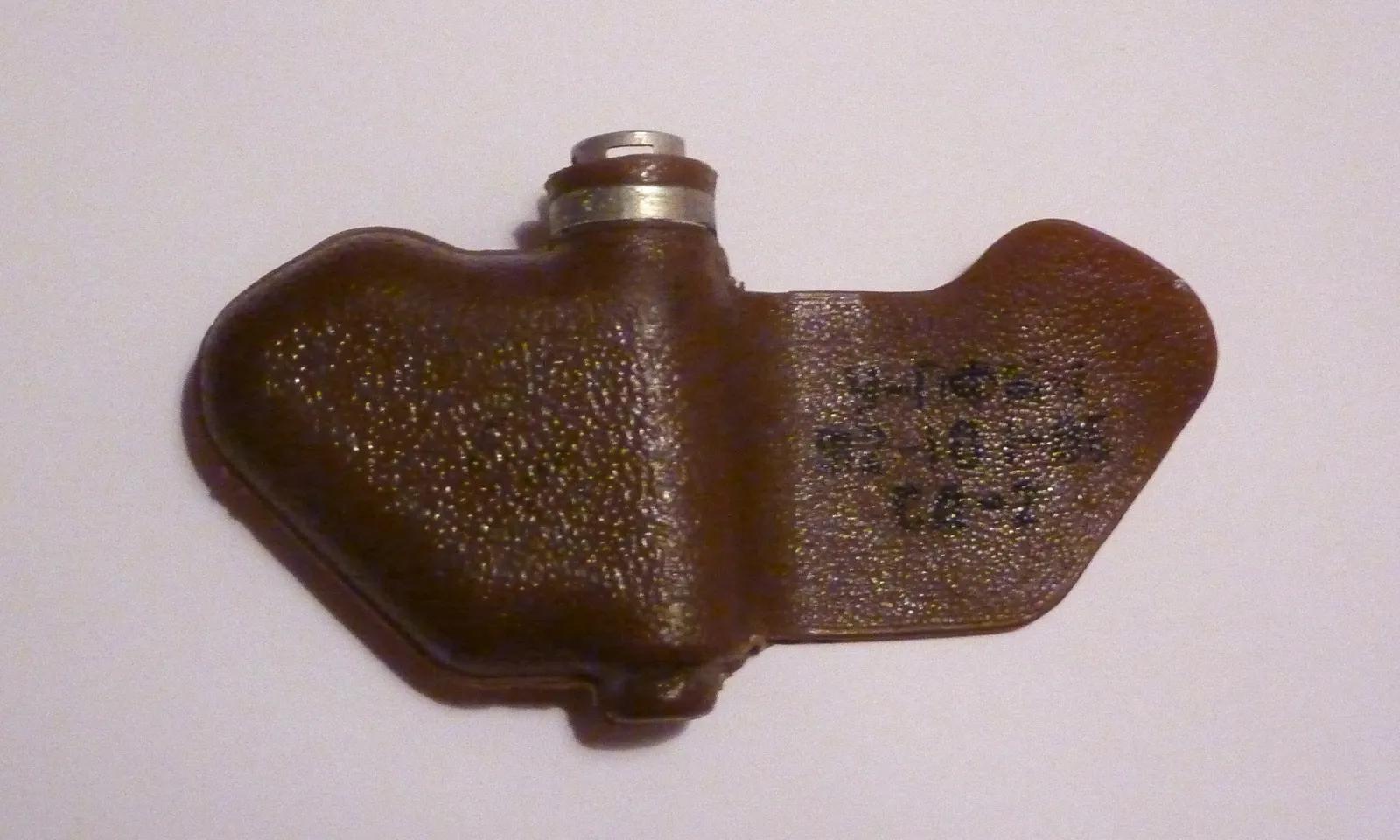
Human Rights Watch's Asia Watch report said PFM-1 butterfly mines were dropped in large numbers during the Soviet war in Afghanistan and that many remained active after the Soviet withdrawal because the more widely used PFM-1 lacked a self-destruct mechanism.
PFM-1
- PFM-1 mine
- butterfly mine
- petal mine
- Green Parrot
- Lepestok
The PFM-1 is a Soviet scatterable anti-personnel blast mine with a plastic winged body and a small liquid-explosive charge, designed for remote delivery rather than hand emplacement. It is documented in Soviet-era helicopter-dispersed mine contamination in Afghanistan and in 2014 Russia-Ukraine War use by both rocket-delivered PFM-series mines around Izium and drone-dropped mines around Kherson.
Role in Conflicts
Human Rights Watch reported apparent Ukrainian rocket-delivered PFM-series mine use around Russian-occupied Izium in 2022 and separately documented Russian forces dropping PFM antipersonnel mines from quadcopter drones in and around Kherson in 2024-2025.
Role detailsProfile / Specs
Profile
- Origin
- Soviet Union
- Built by
- Soviet state arsenals
- Type
- Scatterable anti-personnel blast mine
- Service note
- Cold War design documented from the Soviet-Afghan War through the 2014 Russia-Ukraine War
- Designer
- Soviet ordnance designers
- Designed
- Cold War period
- Unit cost
- Not publicly reported
- Produced
- Soviet-era production; later stocks retained by former Soviet states
- Number built
- Not publicly reported
Specifications
- Mine type
- Scatterable anti-personnel blast mine
- Body
- Plastic, winged mine body intended to stabilize descent after aerial, rocket, or other remote dispersal
- Explosive filling
- About 37 g of liquid high explosive, commonly reported as VS-6D or VS-60D
- Fuze
- Hydraulic pressure-operated fuze with arming delay
- Activation pressure
- Approximately 5-25 kg reported for PFM-1
- Delivery
- Can be dispersed by systems including helicopters, aircraft, 220 mm 9M27K3 Uragan mine-laying rockets, and adapted quadcopter drones
- 9M27K3 payload
- 312 PFM-series antipersonnel mines per 220 mm mine-laying rocket
Variants
PFM-1 references usually cover the base mine and the PFM-1S self-destruct version; both retain the same general scatterable butterfly-mine form while differing in self-destruct behavior.
| Variant | Configuration | Designation notes |
|---|---|---|
| PFM-1S | Self-destruct version | ODIN and CAT-UXO describe the PFM-1S as the self-destruct version of the mine, while the HRW Afghanistan report distinguished the more widely used PFM-1 as lacking a built-in self-destruct mechanism. Sources: PFM-1 (Green Parrot) Russian Anti-Personnel Mine, Pfm 1 landmine, Afghanistan: The Forgotten War |
Documented Delivery Systems
The PFM-1 is normally documented as a remotely delivered mine, with the evidence here pointing to rocket, helicopter, and improvised UAV delivery rather than hand emplacement.
| Carrier | Carrier type | Carriage evidence |
|---|---|---|
![]() | 220 mm mine-scattering rocket | ARES identifies the 9M27K3 Uragan rocket as carrying 312 PFM-series antipersonnel mines, and HRW tied PFM-series remnants around Izium to 9M27K3 rocket delivery. Sources: 9M27K series cargo rockets used in Ukraine, Ukraine: Banned Landmines Harm Civilians |
![]() | Improvised UAV minelayer | The Combating Terrorism Center described Mavic quadcopters adapted to carry multiple PFM-1 mines, while HRW documented Russian quadcopter drops of PFM mines around Kherson. Sources: Moving Targets: Implications of the Russo-Ukrainian War for Drone Terrorism, Hunted From Above |
Delivery And Hazard Profile
PFM-1 evidence is strongest when the mine is treated as a remotely scattered payload. The same small plastic body appears across helicopter, rocket, and drone delivery contexts, but the tactical pattern differs by carrier.
| Delivery method | Documented context | Reader-facing implication |
|---|---|---|
| Helicopter dissemination | Soviet-era Afghanistan reporting described butterfly mines dropped in large numbers, with many PFM-1 mines still active after the Soviet withdrawal. | Older minefields may lack precise maps and remain dangerous long after combat moves away. |
| 9M27K3 Uragan rocket | 2014 Russia-Ukraine War reporting links PFM-series mine remnants near Izium to 220 mm Uragan mine-laying rockets. | Rocket delivery can quickly contaminate broad areas with many small mines. |
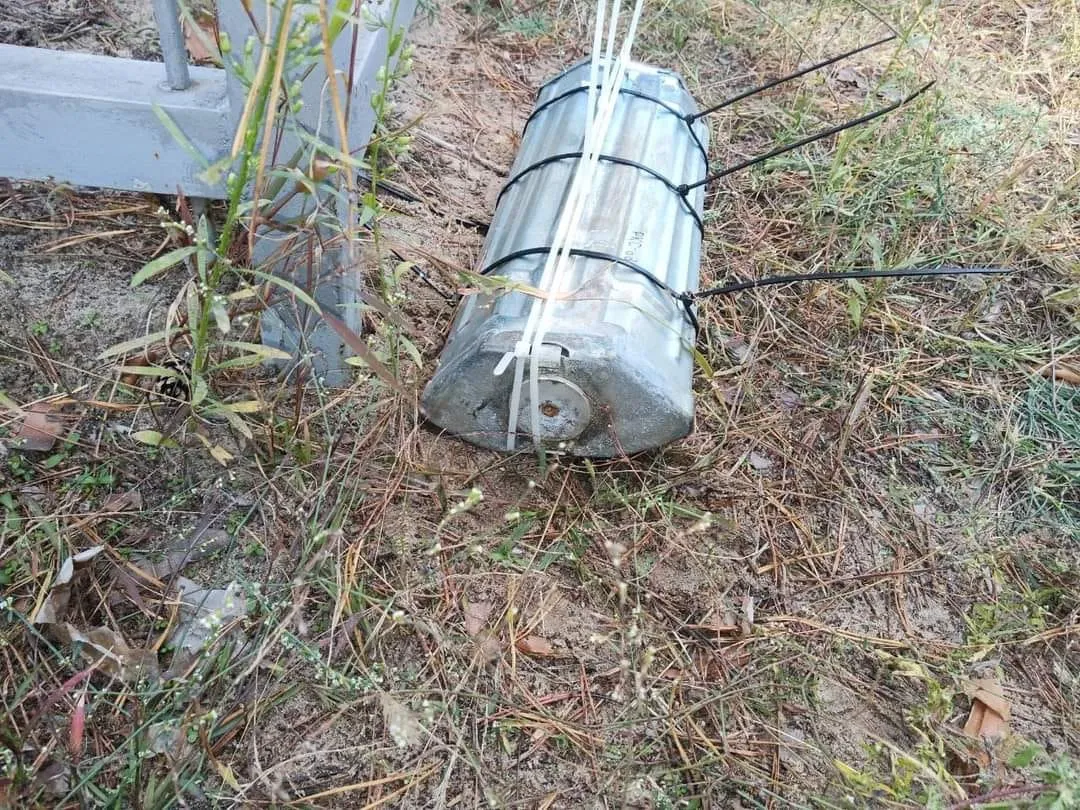
| Commercial quadcopter drop | 2014 Russia-Ukraine War reporting documents Russian drone drops of PFM mines around Kherson and describes quadcopter carriage of multiple PFM-1 mines. | Small UAVs can turn a stockpiled scatterable mine into a localized, repeatable short-range hazard. |
Timeline
PFM-1 Key Events
Soviet intervention begins in Afghanistan
The Soviet-Afghan War later produced extensive PFM-1 contamination, with HRW reporting that butterfly mines dropped during the war remained active after the Soviet withdrawal.
Sources: Afghanistan: The Forgotten War
PFM-series mines reported around Izium
Human Rights Watch reported apparent Ukrainian 9M27K3 rocket delivery of PFM-series mines around Russian-occupied Izium, including PFM-1S remnants and civilian casualties.
Sources: Ukraine: Banned Landmines Harm Civilians
HRW documents drone-dropped PFM mines in Kherson
Human Rights Watch documented Russian forces dropping PFM antipersonnel mines from quadcopter drones in and around Kherson during 2024-2025.
Sources: Hunted From Above
Media
PFM-1 Images
Related Weapon Systems