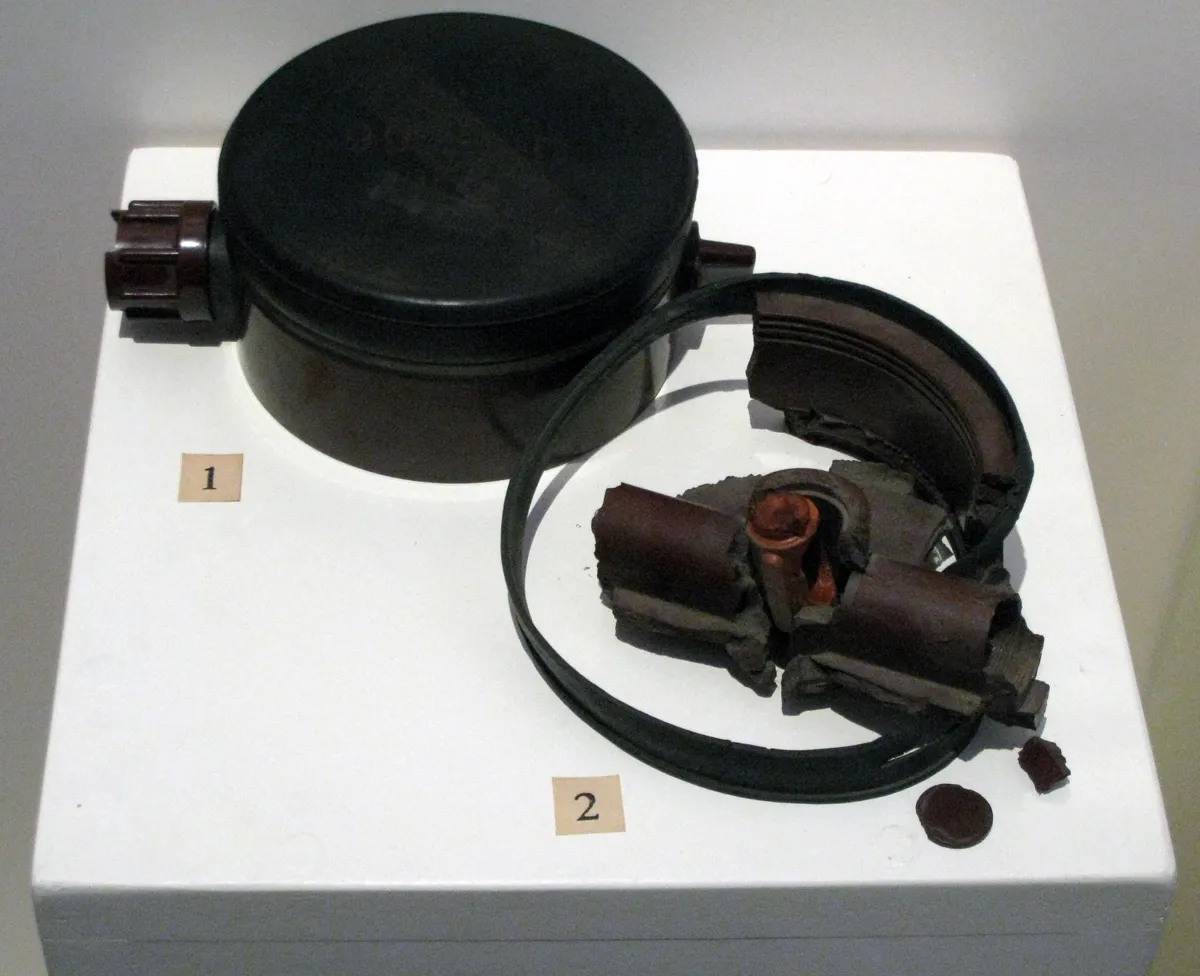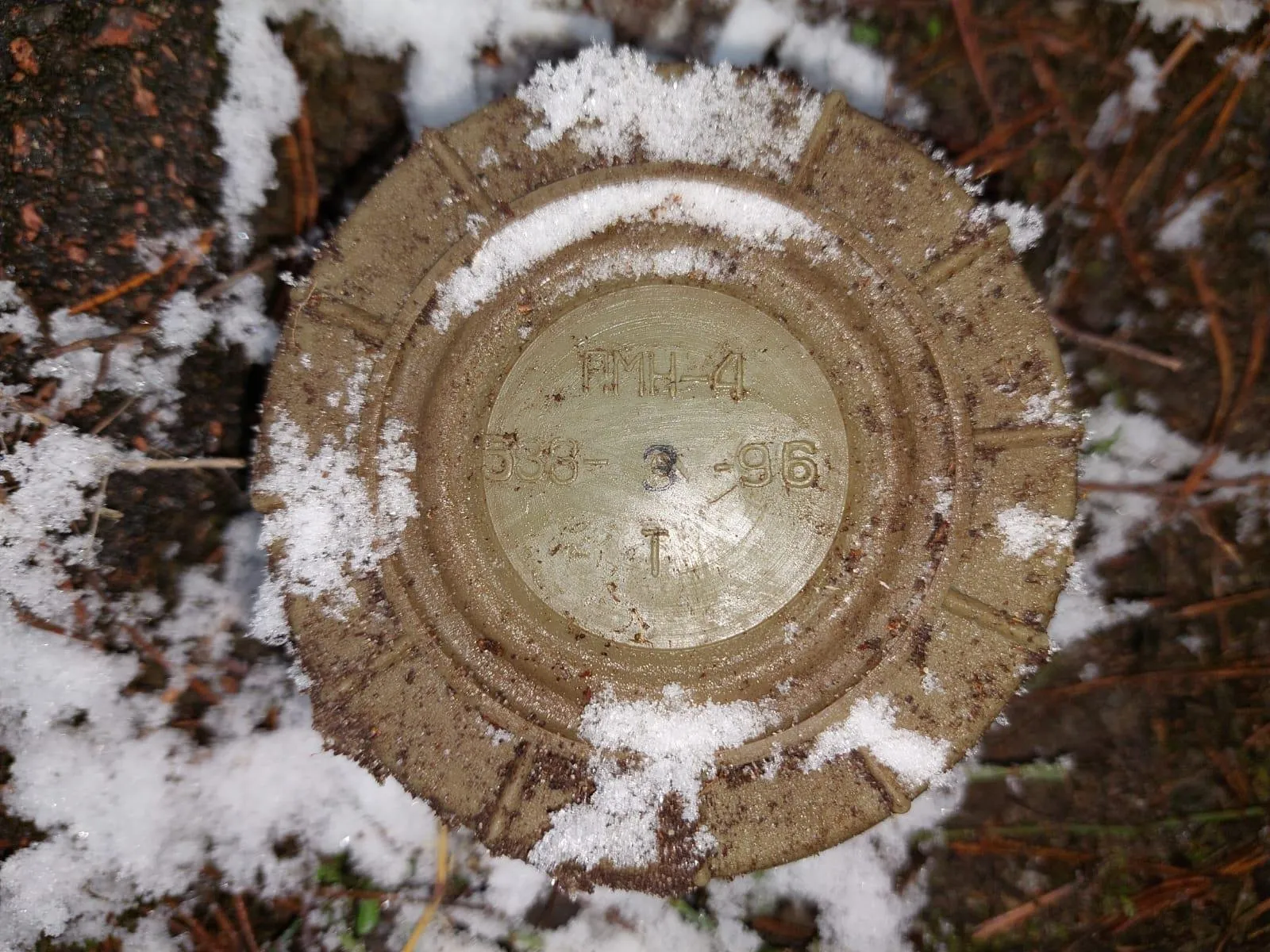
- Side
- Russia

Russian forces have used PMN-family antipersonnel blast mines in Ukraine, including PMN-4 mines cleared in Sumy Oblast in April 2022 and PMN-2 mines documented in occupied residential areas of Kherson Oblast.
Role detailsThe PMN-1/2/4 family covers Soviet and Russian pressure-activated antipersonnel blast mines used to deny foot movement and injure personnel at close range. PMN-1 and PMN-2 are Soviet designs, while PMN-4 is a later Russian circular plastic-cased mine; conflict-use records now connect PMN-family mines to Ukraine, Libya, Nagorno-Karabakh-related minefields, and disputed PMN-2 incidents along the Thailand-Cambodia border.
Russian forces have used PMN-family antipersonnel blast mines in Ukraine, including PMN-4 mines cleared in Sumy Oblast in April 2022 and PMN-2 mines documented in occupied residential areas of Kherson Oblast.
Role detailsPMN-2 antipersonnel blast mines were documented in southern Tripoli after the 2019-2020 fighting, with Human Rights Watch reporting Russian-made PMN-2 mines claimed as used by mercenaries supporting LAAF forces and later found by mine-action groups.
Post-2020 Nagorno-Karabakh-related mine reporting documented PMN-2 antipersonnel mines among Armenian-attributed mines found on territories and supply roads in 2022. Landmine Monitor noted the Azerbaijani claims and Armenia's denials, with confirmation limits outside Azerbaijani sources.
Landmine Monitor and Reuters documented PMN-2 antipersonnel mines tied to the 2025 Thailand-Cambodia border crisis. Thai authorities attributed newly found mines to Cambodian forces, while Cambodian officials denied laying new mines; Reuters-cited specialists assessed photographed PMN-2 mines as likely newly laid but did not independently identify who emplaced them.
The three designations are grouped because public conflict reports often name the family while technical sources separate the generations by size and explosive fill.
| Designation | Documented distinguishing points | Conflict-use context in this record |
|---|---|---|
| PMN-1 | Early Soviet pressure blast mine, about 112 mm diameter with roughly 200 g pressed TNT. | Included for family identity and technical context; the current direct conflict rows center on PMN-2 and PMN-4 examples. |
| PMN-2 | Later Soviet pressure blast mine, about 120 mm diameter with a 100 g TNT/RDX charge. | Directly documented in Libya, Nagorno-Karabakh-related mine reporting, and disputed Thailand-Cambodia border mine incidents. |
| PMN-4 | Later Russian pressure-fired blast mine, about 95 mm diameter with about 55 g TG-40 explosive. | Directly documented in 2014 Russia-Ukraine War mine-clearance reporting. |
Sources: Mines PMN; PMN-2 Anti-Personnel Blast Mine; PMN-4 Russian Anti-Personnel Mine; Background Briefing on Landmine Use in Ukraine; Russia-Linked Landmines Threaten Lives in Libya; Reuters: Thai-Cambodia Landmines Likely Newly Laid.
The PMN-1 branch is described in the record's technical sources as the late-1950s Soviet pressure blast mine generation with the largest explosive fill in this grouped entry.
The PMN-2 branch followed as a later Soviet pressure blast mine and is the variant directly documented in Libya, Nagorno-Karabakh-related reporting, and the Thailand-Cambodia border crisis.
The PMN-4 branch represents the later Russian member in this entry; U.S. Army ODIN lists its smaller body and TG-40 explosive fill.
Human Rights Watch documented PMN-4 antipersonnel mines cleared in Sumy Oblast during the 2014 Russia-Ukraine War.
Thailand reported PMN-2 mines during the 2025 Thailand-Cambodia Border Conflict; Reuters later published specialist assessments that photographed examples were likely newly laid, while attribution remained disputed.