Profile
- Type
- Directional fragmentation anti-personnel mine family
- Origin
- Soviet Union / Russia
- Service note
- Cold War design family in continued post-Soviet service
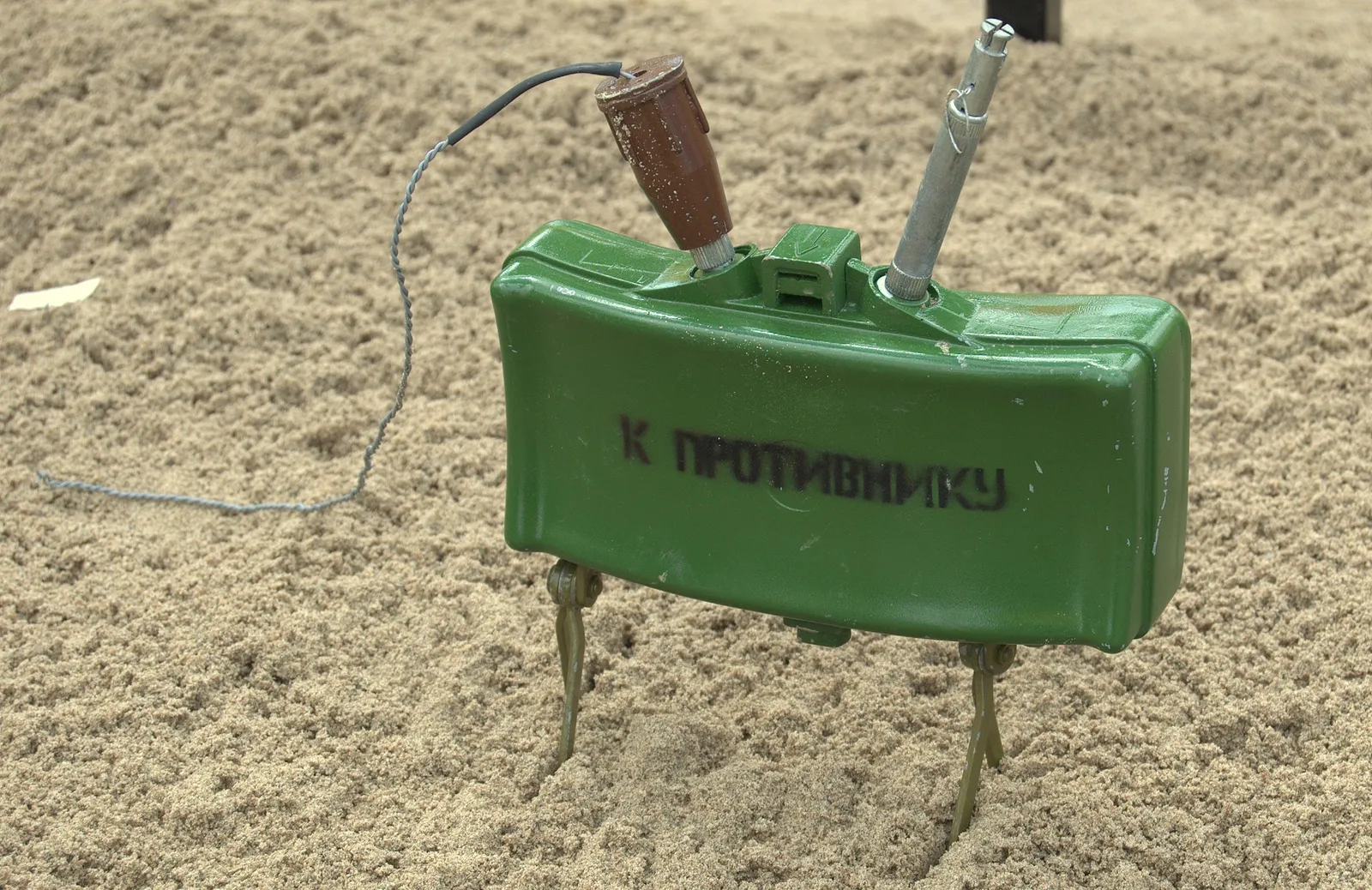
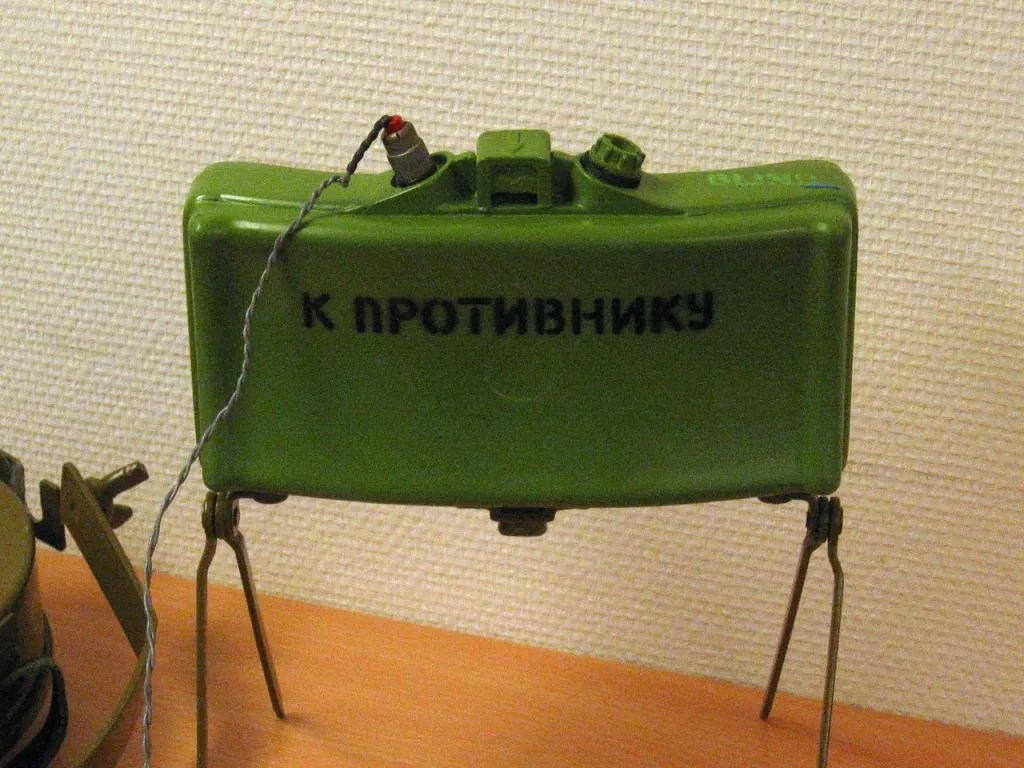
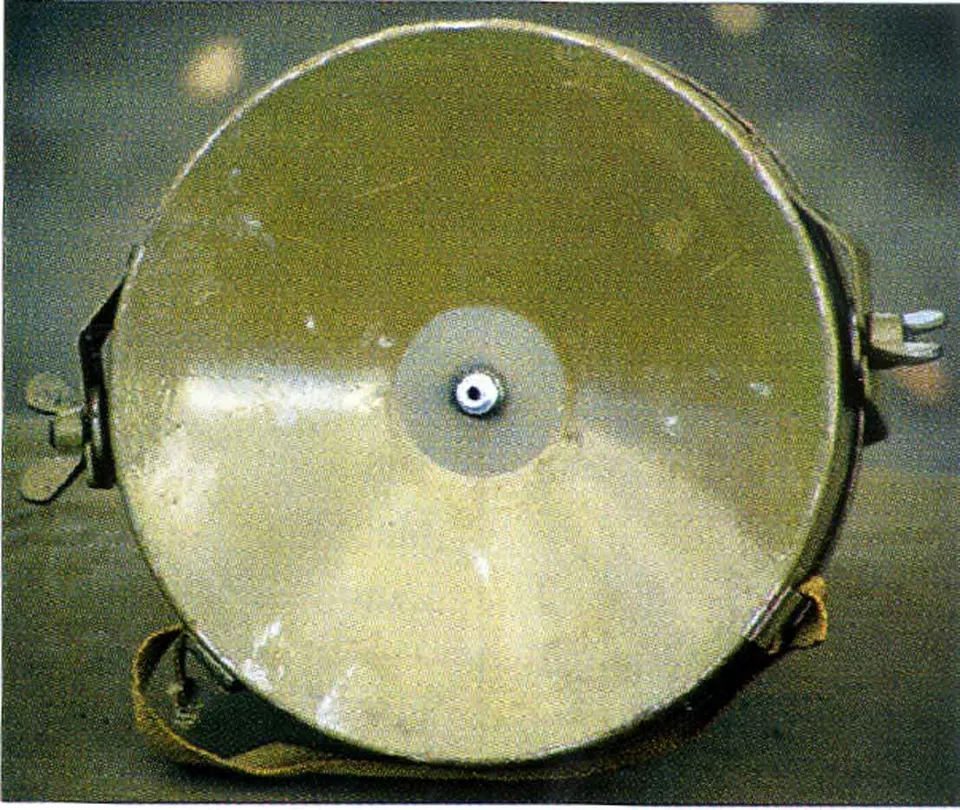
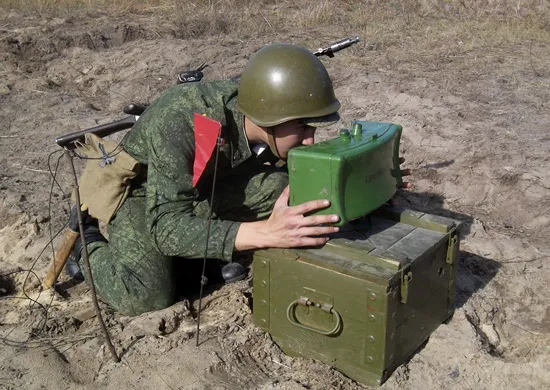
The MON series is a Soviet/Russian family of directional fragmentation anti-personnel mines, including MON-50, MON-90, MON-100, and MON-200 patterns that project preformed fragments across a defined sector. In the Nagorno-Karabakh context, direct postwar reporting identifies MON-50 finds rather than every family member, so this entry records the series cautiously as MON-family mine warfare evidence tied to Armenian/Artsakh defensive mining and later clearance.
MON-family directional mines are represented in the Nagorno-Karabakh record through postwar MON-50 finds: ANAMA reported an Armenian-made MON-50 neutralized in Khojavand district, while Landmine Monitor cautions that Armenian-supported separatist and Armenian state mine use is difficult to distinguish.
POMZ-2Stake-mounted antipersonnel fragmentation mineThe POMZ-2 is a Soviet stake-mounted antipersonnel fragmentation mine built around a serrated cast-iron body, TNT charge, and pull-fuze tripwire. In the Nagorno-Karabakh context it appears as part of the Soviet-leftover antipersonnel mine stocks reported by Nagorno-Karabakh authorities, with broader defensive mine use documented along the line of contact with Azerbaijan.
Magnetic or sticky anti-vehicle bombImprovised explosive deviceMagnetic or sticky anti-vehicle bombs are improvised explosive devices that are manually attached to armored vehicles so the blast lands at close range. In the Israel-Hamas War, reporting from Khan Younis described Hamas using a sticky bomb against an Israeli tank, showing how the device fits urban anti-armor ambushes in Gaza.
TC/6 anti-tank mineAnti-tank blast mineThe TC/6 is an Italian plastic-cased, pressure-activated minimum-metal anti-tank blast mine. In the Israel-Hamas War, AP reported that weapons recovered from Hamas fighters by the Israel Defense Forces appeared to include TC/6 mines, making the design visible in Gaza conflict reporting even though open-source identification cannot rule out Iranian copies.
Tunnel-Entrance Booby-Trap Improvised Explosive DeviceImprovised explosive deviceThis Hamas-improvised explosive device was used to booby-trap tunnel entrances in Gaza during the Israel-Hamas War, making underground access hazardous for combat engineers and assault troops.
9K111 FagotMan-portable anti-tank guided missile systemThe 9K111 Fagot, known to NATO as the AT-4 Spigot, is a Soviet man-portable SACLOS wire-guided anti-tank missile system built around the 9P135 tripod launcher and 9M111 missile family. Its compact launcher, vehicle-mount compatibility, and 2 to 2.5 km range kept it relevant for legacy users, including Russian anti-tank teams documented in the Russia-Ukraine War.
9M113 KonkursSACLOS wire-guided anti-tank guided missileThe 9M113 Konkurs, NATO reporting name AT-5 Spandrel, is a Soviet wire-guided anti-tank guided missile family built for infantry launchers and vehicle mounts such as BMP-series vehicles and the BRDM-2-based 9P148. Its SACLOS guidance, 135 mm missile body, and 4 km class engagement range kept it useful after the Cold War, including documented employment in Ukraine and Armenian/Artsakh 9P148 Konkurs losses during the 2020 Nagorno-Karabakh fighting.