Infantry Weapons

POMZ-2

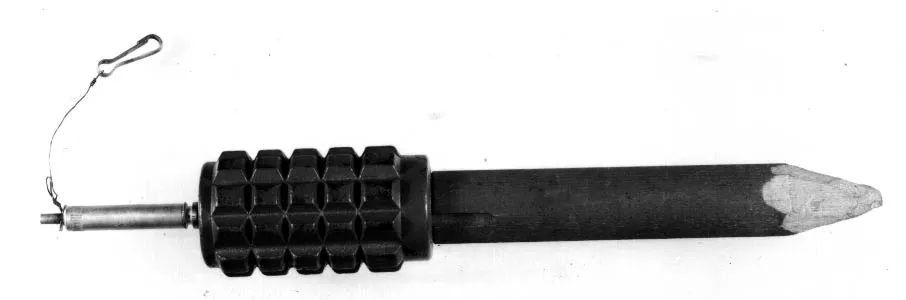
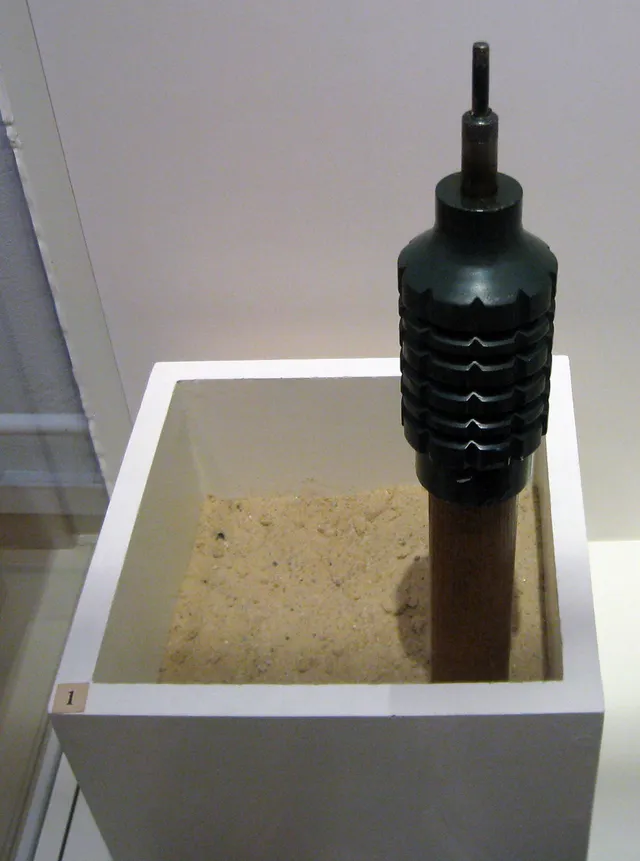
The POMZ-2 is a Soviet stake-mounted antipersonnel fragmentation mine built around a serrated cast-iron body, TNT charge, and pull-fuze tripwire. In the Nagorno-Karabakh context it appears as part of the Soviet-leftover antipersonnel mine stocks reported by Nagorno-Karabakh authorities, with broader defensive mine use documented along the line of contact with Azerbaijan.

Conflict side
ArmeniaArtsakh
Built by
Soviet state arsenals and licensed or copied producers
Built in
Soviet Union
POMZ-2, Stake-mounted antipersonnel fragmentation mine, Infantry Weapons

Service History

In service
Introduced during the Second World War and retained in post-Soviet mine stocks
Used by
Nagorno-Karabakh / Artsakh forces, Former Soviet and Warsaw Pact forces
Wars
Nagorno-Karabakh Conflict

Specifications

Mine class
Antipersonnel fragmentation stake mine
Body
Serrated cast-iron cylindrical sleeve mounted on a wooden stake
Initiation
Normally tripwire-actuated with an MUV-type pull fuze
Main charge
About 75-76 g TNT
Body height
About 127-130 mm
Diameter
About 60-64 mm
Employment
Emplaced above ground on a stake with a tripwire attached to a fixed object

Conflict Usage

Nagorno-Karabakh Conflict
Side: ArmeniaArtsakhRole: Defensive antipersonnel minefield obstaclemine warfare

Nagorno-Karabakh authorities reported that their Soviet-leftover antipersonnel mine stockpile included POMZ-2 mines, and acknowledged using antipersonnel mines defensively along the line of contact with Azerbaijan; available sources do not identify a specific 2020 emplacement of this exact mine type.

POMZ-2 Images

Related Weapon Systems

MON-series anti-personnel mine, Directional fragmentation anti-personnel mine family, Infantry WeaponsInfantry WeaponsMON-series anti-personnel mineDirectional fragmentation anti-personnel mine familyThe MON series is a Soviet/Russian family of directional fragmentation anti-personnel mines, including MON-50, MON-90, MON-100, and MON-200 patterns that project preformed fragments across a defined sector. In the Nagorno-Karabakh context, direct postwar reporting identifies MON-50 finds rather than every family member, so this entry records the series cautiously as MON-family mine warfare evidence tied to Armenian/Artsakh defensive mining and later clearance.

Sources