Infantry Weapons

POM-2

Also known as
  • POM-2S
  • POM-2R
  • KPOM-2
  • POM-2 antipersonnel mine

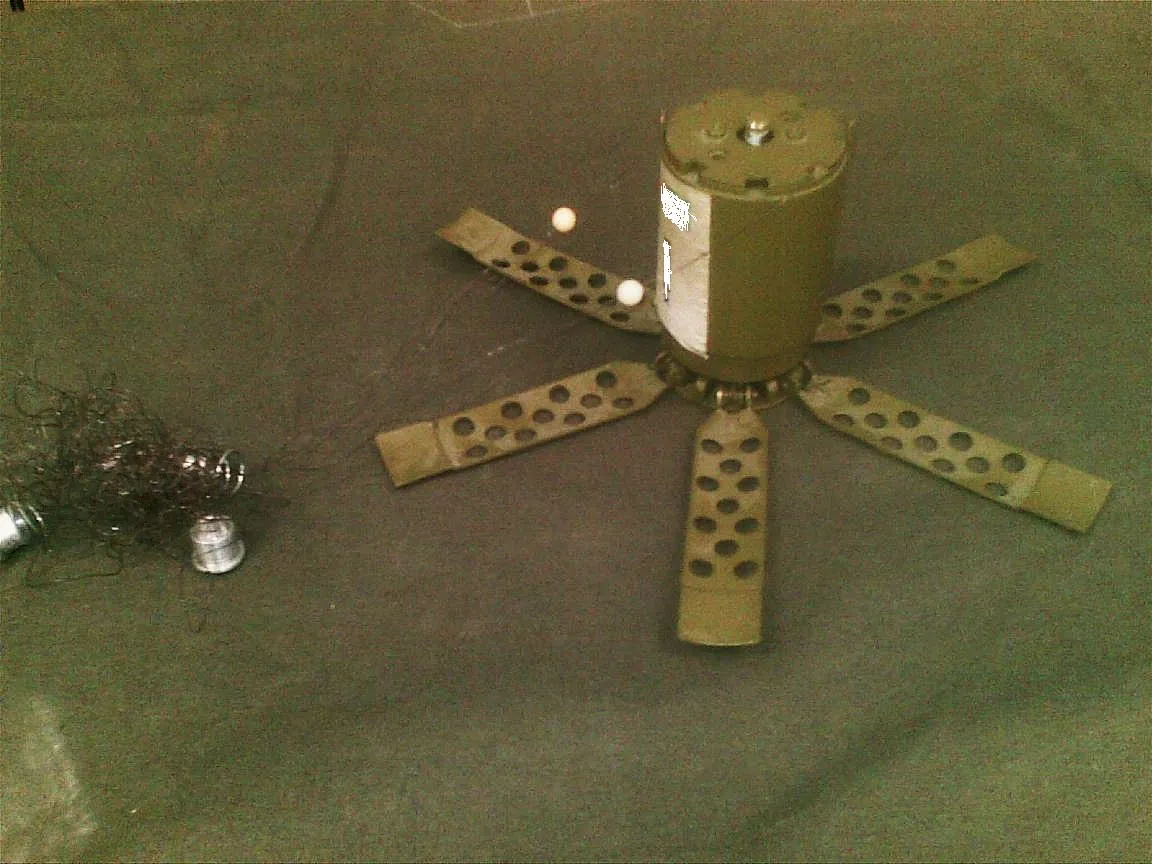
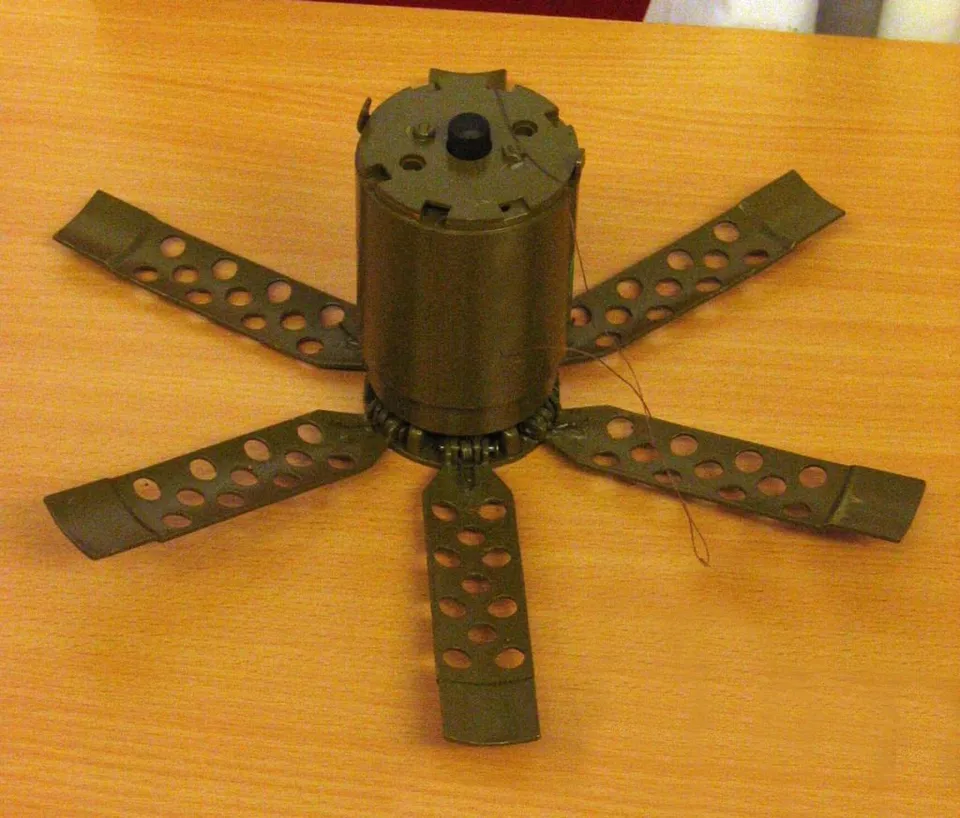
The POM-2 is a Soviet/Russian scatterable antipersonnel fragmentation mine that deploys tripwire sensors after delivery by rockets, helicopters, aircraft, vehicles, or specialized dispensers. It appears in documented Russian-linked mine warfare in Ukraine and Libya, and in photographed Soviet mine contamination on former 2011 Syrian Civil War contact-line farmland.

Role in Conflicts

Side
Russia

Russian forces and Russia-backed forces have used POM-2 and POM-2R mines in Ukraine; Human Rights Watch documented POM-2 mines and KPOM-2 dispensers recovered in the Kyiv and Kharkiv regions in 2022 and noted improvised RPG-motor POM-2 systems in eastern Ukraine in 2020-2021.

Role details
Role in conflict
Tripoli mine warfare and area denial

Russian mercenaries supporting Libyan National Army forces used POM-2 and POM-2R antipersonnel mines around Tripoli in 2019-2020; Landmine Monitor lists both types among Russian mines used there.

Human Rights Watch identified POM-2S mines found during January 2025 clearance around Kafr Nabl, Idlib, in an area residents said the Syrian army had mined after turning the village into a military base; CIR/SIRAJ separately identified Soviet POM-2 mines photographed in Ako farmland in the Latakia countryside.

Role details
Profile / Specs

Profile

Origin
Soviet Union / Russia
Type
Scatterable antipersonnel fragmentation mine
Service note
Late Cold War design in Russian service during the 2014 Russia-Ukraine War
Designer
Soviet military engineering establishment
Designed
Soviet-era design
Unit cost
Not publicly reported
Produced
Soviet and Russian production
Number built
Not publicly reported

Specifications

Munition class
Scatterable antipersonnel fragmentation mine
Explosive fill
140 g TNT
All-up weight
About 1.6 kg
Dimensions
About 180 mm high by 63 mm diameter
Fuze
Mechanical fuze with tension-type target sensors
Target sensors
Four tripwire target sensors
Delivery methods
KPOM-2 canister, helicopter or aircraft dispensers, ground-fired rockets, and vehicle or portable mine-laying systems
Manual variant
POM-2R with URP igniter assembly
Deployment And Handling Context

The same mine family can appear as a remotely scattered munition, a hand-emplaced POM-2R, or an improvised short-range device assembled from a POM-2 body and a rocket-propelled-grenade motor.

ContextDocumented evidenceTactical significance
Remote deliveryHuman Rights Watch documented POM-2 mines and KPOM-2 dispensers recovered in Ukraine, while GICHD describes helicopter, aircraft, rocket, vehicle, and portable delivery routes.The mine can create area-denial hazards without direct hand emplacement at the target location.
Tripwire activationGICHD and ODIN classify POM-2 as a fragmentation antipersonnel mine with tension-type target sensors; CIR/SIRAJ reported visible tripwires on POM-2 mines photographed in Syrian farmland.Post-conflict returnees, farmers, and clearance teams face hazards from thin wires extending away from the mine body.
POM-2R variantHuman Rights Watch describes POM-2R as a factory-produced POM-2 variant using a URP igniter assembly for manual emplacement.The family is not limited to long-range scattering systems; it can also appear in deliberate hand-emplaced minefields.
Timeline

POM-2 Key Events

  1. POM-2/POM-2R reported around Tripoli

    Landmine Monitor lists POM-2 and POM-2R among Russian-made antipersonnel mines used by Russian mercenaries around Tripoli in 2019-2020.

  2. KPOM-2 dispensers photographed near Kyiv

    Human Rights Watch cited Ukrainian emergency-services photographs of POM-2 mines and KPOM-2 dispensers cleared near villages in the Kyiv region.

  3. POM-2 photographed in Syrian farmland

    CIR and SIRAJ identified Soviet POM-2 mines in photographed farmland in Ako in the Latakia countryside, part of former 2011 Syrian Civil War contact-line mine contamination.

Media
Related Weapon Systems
POMZ-2, Stake-mounted antipersonnel fragmentation mine, Infantry WeaponsInfantry WeaponsPOMZ-2Stake-mounted antipersonnel fragmentation mineThe POMZ-2 is a Soviet stake-mounted antipersonnel fragmentation mine built around a serrated cast-iron body, TNT charge, and pull-fuze tripwire. Its simple above-ground layout made the mine a persistent legacy hazard: cataloged use now spans Soviet mine warfare in Afghanistan, Vietnamese forces in the 1955 Vietnam War, Nagorno-Karabakh stockpiles and defensive minefields, and a limited 2011 Syrian Civil War indication tied to Syrian government forces.
MON-90, Directional fragmentation antipersonnel mine, Infantry WeaponsInfantry WeaponsMON-90Directional fragmentation antipersonnel mineThe MON-90 is a Soviet-designed directional fragmentation antipersonnel mine and the 90 m member of the MON family between the smaller MON-50 and larger MON-100. Technical references describe a plastic-bodied, tree-spike-mounted mine with about 2,000 steel fragments, two M-10 threaded fuze wells, and command or tripwire initiation depending on setup. Direct monitoring sources place MON-90 mines in Russian use in Ukraine after the 2022 invasion and in Russian-linked Tripoli mine contamination during the Second Libyan Civil War.
MON-50, Directional fragmentation antipersonnel mine, Infantry WeaponsInfantry WeaponsMON-50Directional fragmentation antipersonnel mineThe MON-50 is a Soviet directional fragmentation antipersonnel mine broadly comparable in role to the M18 Claymore, with a plastic body, folding legs, and a forward fragmentation pattern. It can be command-detonated or configured with tripwire and other fuzing, making it a compact infantry obstacle and ambush munition. Direct monitoring sources document MON-50 use by Russian or Russian-aligned forces in eastern Ukraine, the full-scale Russia-Ukraine War, and the 2019-2020 Tripoli fighting in Libya.

Sources