- Side
- Coalition forces

In the 1990 Gulf War, GAO reported U.S. use of about 118,000 self-destructing, scatterable, surface-laid mines, mostly from Army ground systems, for battlefield area denial.
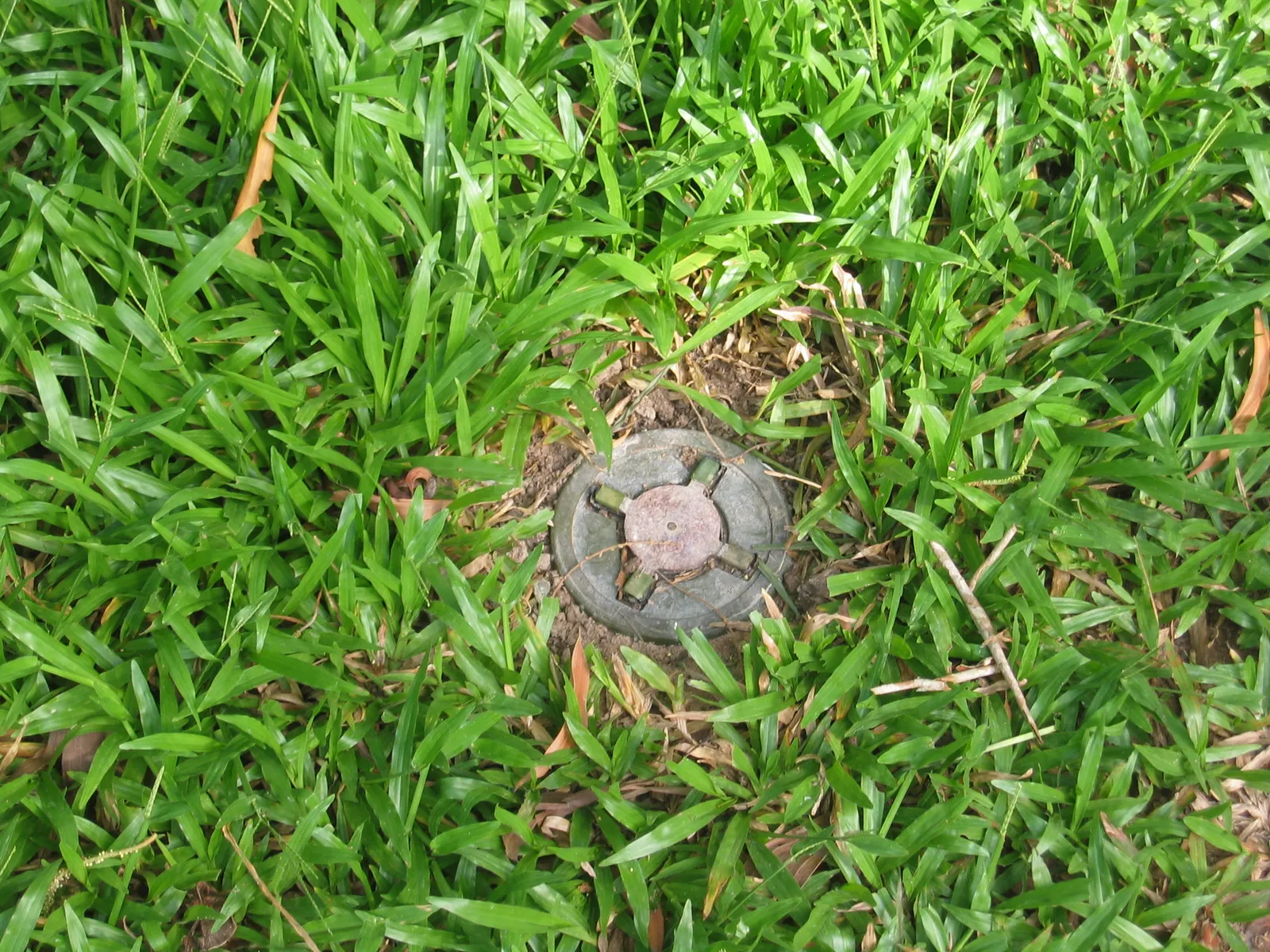
Role detailsSurface-laid landmines are explosive mines emplaced on top of, flush with, or close to the ground surface rather than fully buried. The category cuts across factory models: GAO documented U.S. scatterable surface-laid mine use in the 1990 Gulf War, Human Rights Watch documented surface-emplaced TM-62M mines near Debaltseve in Ukraine, and RUSI described Hamas road mines in Gaza as often surface-laid and easier to remove than buried devices.
In the 1990 Gulf War, GAO reported U.S. use of about 118,000 self-destructing, scatterable, surface-laid mines, mostly from Army ground systems, for battlefield area denial.
Role detailsDuring the 2014 Russia-Ukraine War, Human Rights Watch documented TM-62M anti-vehicle mines emplaced flush with or on the surface near Debaltseve, including a surface-laid TM-62M detonation involving a rebel truck.
Role detailsIn the 2023 Israel-Hamas War, RUSI described Hamas mines laid along roads into Gaza City as often surface-laid, making them easier for Israeli forces to detect and remove than buried mines.
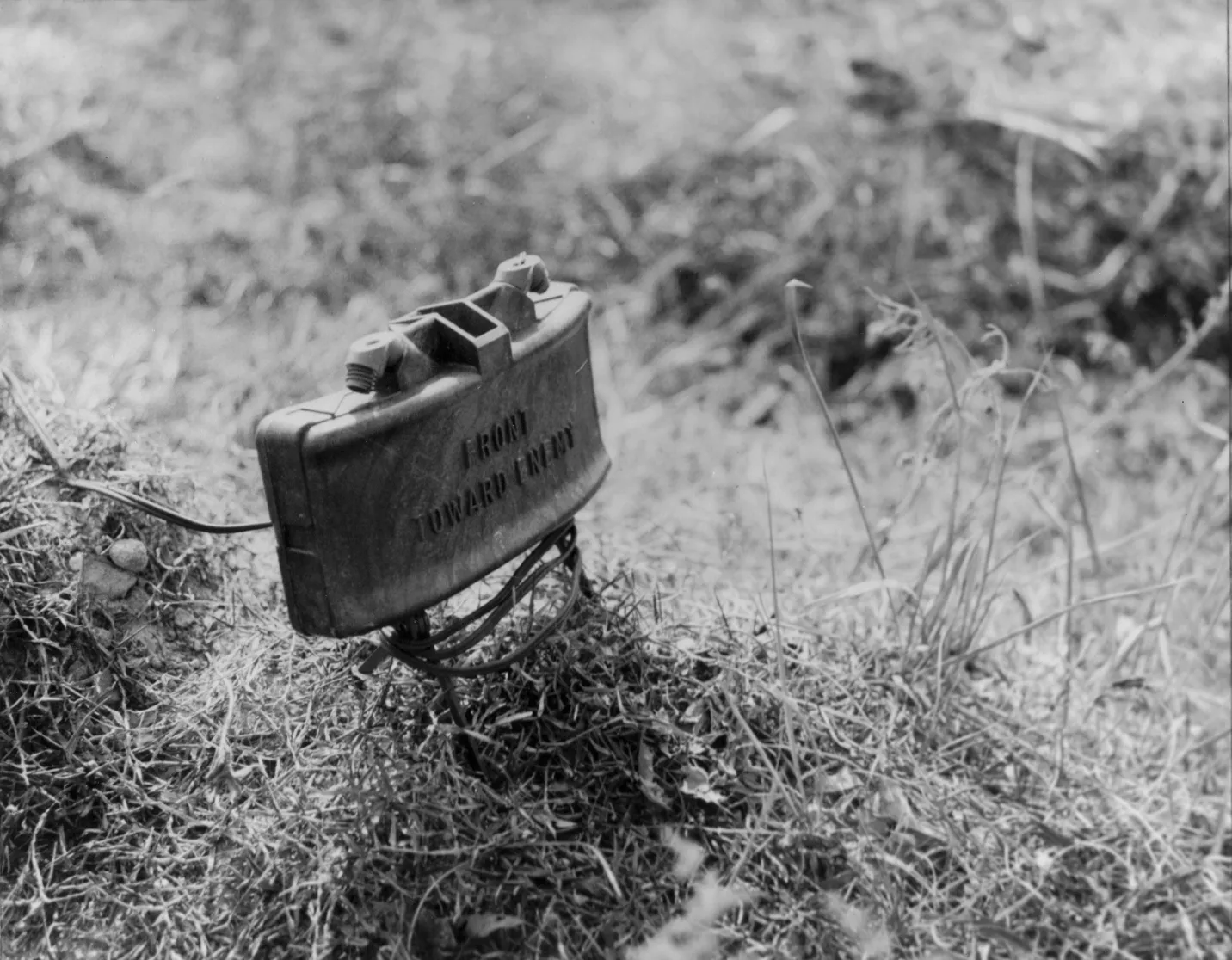
Role detailsSurface-laid mines are not a separate factory model. They are a placement pattern: the mine is visible, partly camouflaged, or otherwise close enough to the surface that emplacement and clearance differ from fully buried minefields.
| Trait | Source-backed detail | Reader takeaway |
|---|---|---|
| Placement | The Mine Ban Convention describes mines placed under, on, or near the ground or another surface area. | Surface-laid emplacement is a subset of the broader mine definition. |
| Delivery methods | GAO describes U.S. Gulf War use of scatterable, self-destructing, surface-laid mines; Human Rights Watch describes TM-62M mines placed flush with or on the surface near Debaltseve. | The same surface-laid result can come from remote scattering or hasty hand emplacement. |
| Detectability | RUSI said Hamas road mines in Gaza were often surface-laid, easy to detect, and simple to remove. | Exposure can reduce concealment, but it does not make the device harmless. |
| Evidence limits | Mine Action Review treated Gaza mine-use reports as unconfirmed and said demining organizations had not reported discovering AP mines. | The strongest Gaza surface-laid claim rests on RUSI's tactical reporting, while later mine-action reporting is more cautious. |
| Broader class |  | This page narrows the broader landmine class to a documented emplacement pattern. |
Sources: UN Anti-Personnel Mine Ban Convention; Information on U.S. Use of Land Mines in the Persian Gulf War; Landmines in Ukraine Technical Briefing Note; RUSI Tactical Lessons from IDF Operations in Gaza, 2023; Mine Action Review Palestine 2025.
GAO reported that U.S. forces used about 118,000 self-destructing, scatterable, surface-laid mines during the 1990 Gulf War.
Sources: Information on U.S. Use of Land Mines in the Persian Gulf War
Human Rights Watch documented TM-62M anti-vehicle mines placed flush with or on the surface near Debaltseve during the 2014 Russia-Ukraine War.
Sources: Landmines in Ukraine Technical Briefing Note
RUSI reported Hamas laying mines along roads in Gaza and said some of the mines were surface-laid, making them easier to detect and remove than buried mines.
Sources: RUSI Tactical Lessons from IDF Operations in Gaza, 2023
Mine Action Review summarized open-source reports of Hamas AP and AV mine use in Gaza while noting that the reports remained unconfirmed and that demining organizations had not reported discovering AP mines.
Sources: Mine Action Review Palestine 2025