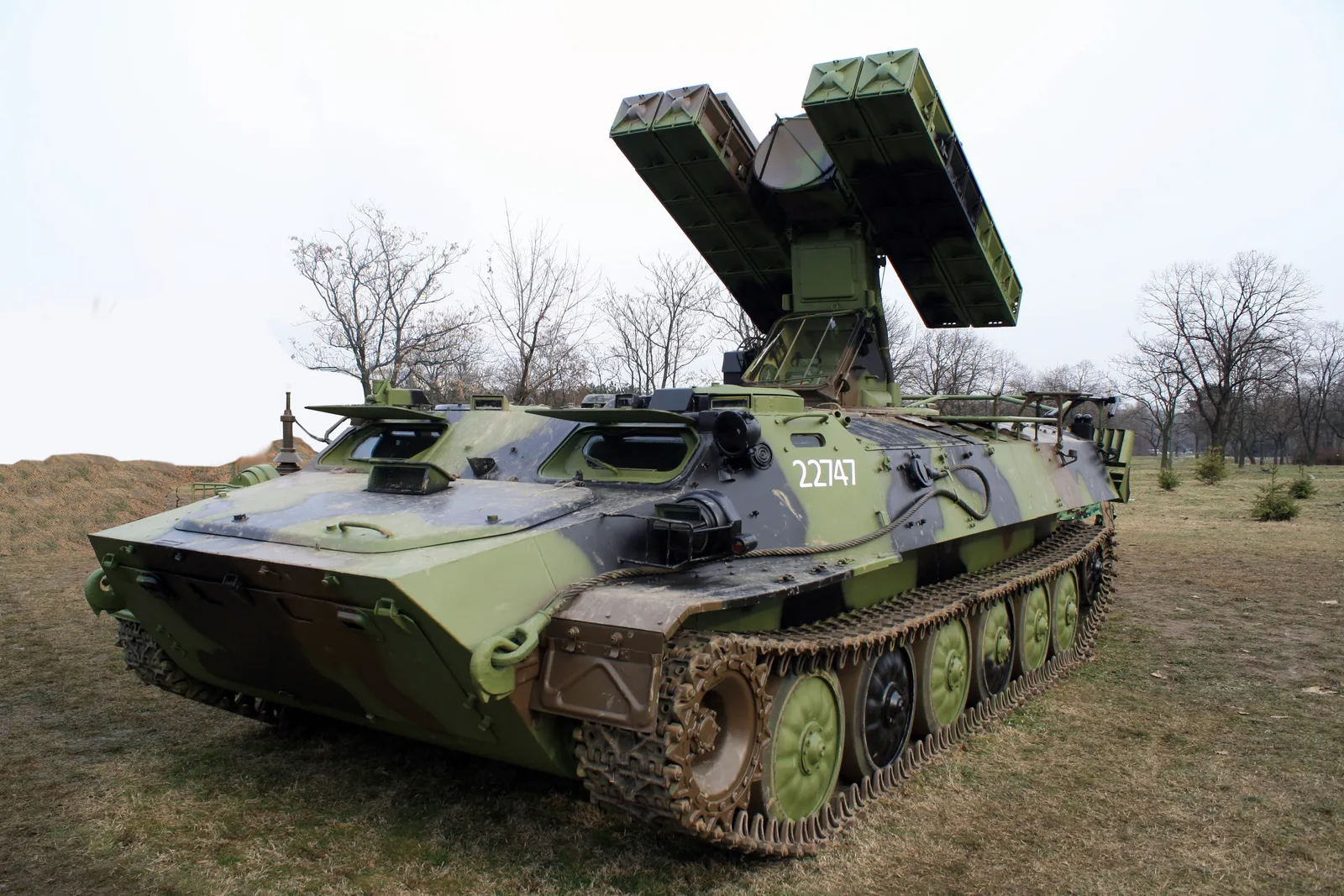


During the late-2024 Syrian opposition offensive, Defense Express reported footage of a captured Strela-10 surface-to-air missile system in Syrian opposition hands after pro-government and Russian-backed forces abandoned equipment around Kuweires Air Base; the report supports capture and possession, not confirmed operational firing. In the April 2018 U.S., UK, and French strike phase of the same war, Russian Defence Ministry claims summarized and challenged by U.S. and defense-reporting sources said Syrian government air defenders fired Strela-10/SA-13 missiles; U.S. officials said Syrian SAM launches were ineffective and mostly occurred after coalition weapons hit their targets.
Role detailsAir Defense
9K35 Strela-10
Also known as
- SA-13 Gopher
- SA-13
- Gopher
- Strela-10
- 9K35
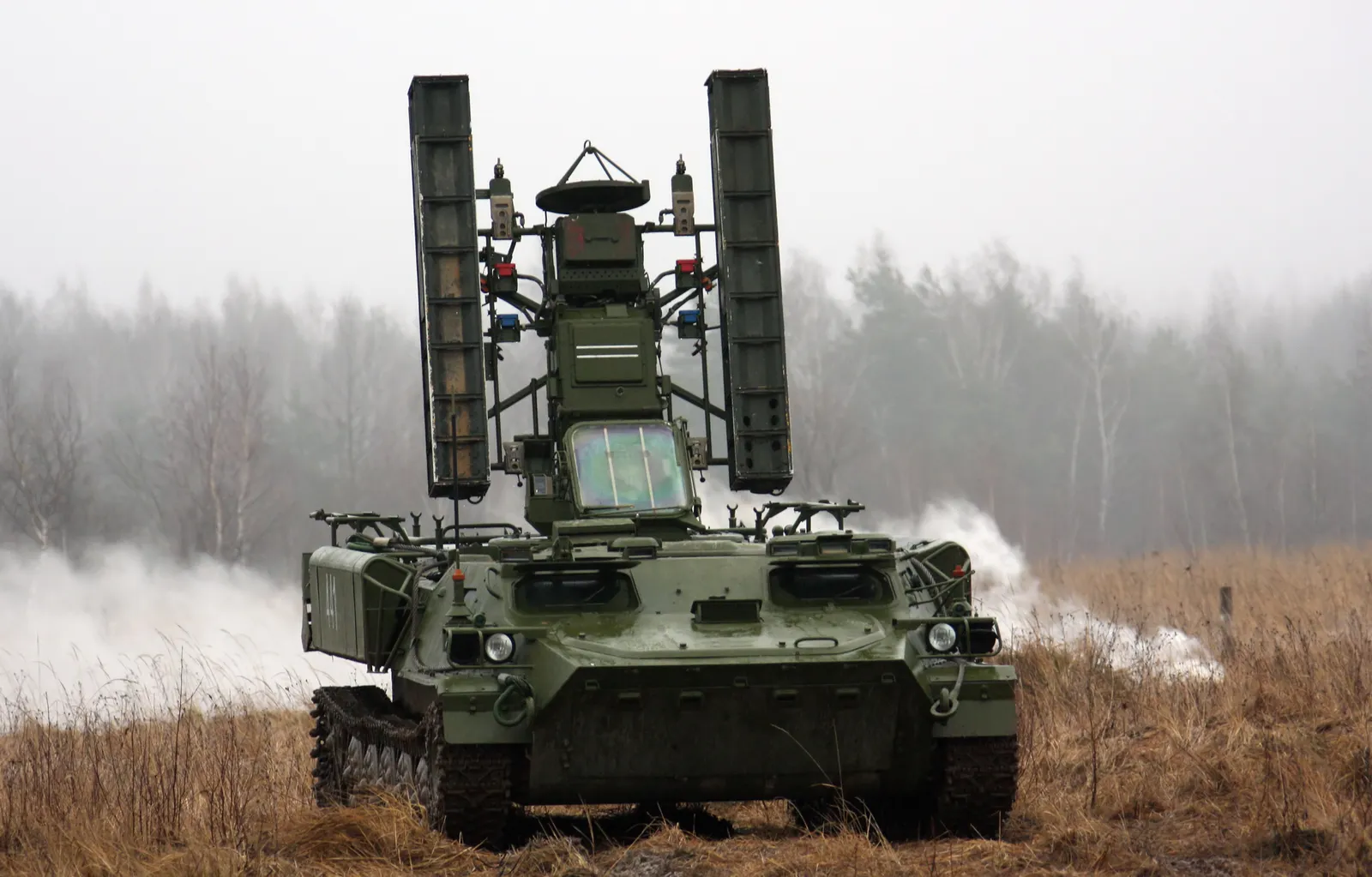
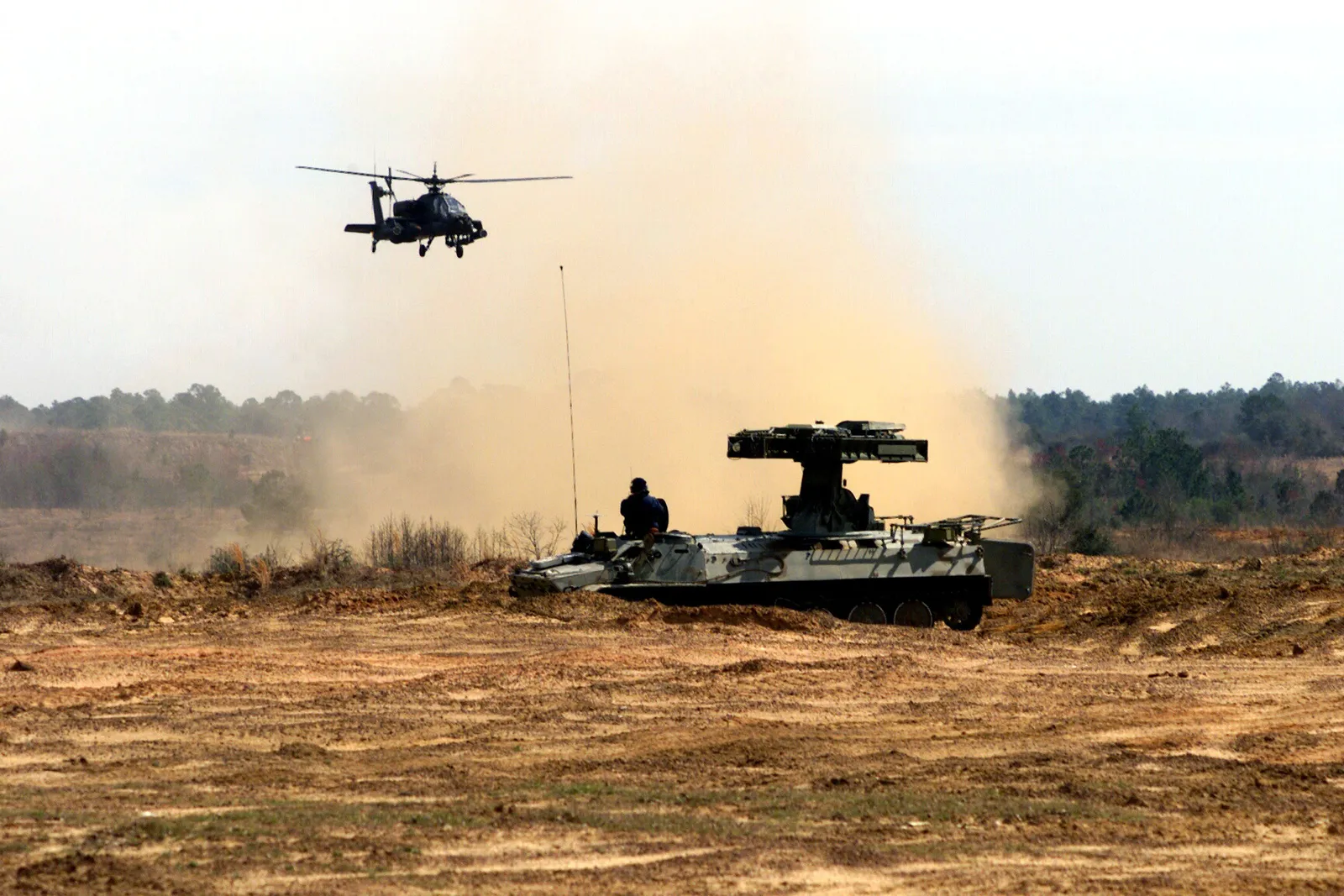
The 9K35 Strela-10, NATO reporting name SA-13 Gopher, is a Soviet tracked short-range air defense system mounted on an MT-LB chassis. Built to protect maneuver forces from low-flying aircraft, helicopters, cruise missiles, and UAVs, it remains visible in modern conflicts through Syrian battlefield captures, 2020 Nagorno-Karabakh losses, and Russian and Ukrainian counter-UAV use.
Role in Conflicts

Armenian/Artsakh forces fielded 9K35 Strela-10/SA-13 short-range air defense systems during the 2020 Nagorno-Karabakh Conflict; CSIS described Strela-10 as part of Armenia's obsolete Soviet-era air-defense inventory, and Army University Press reported that Azerbaijani artillery and unmanned aircraft targeted Armenian Strela-10 systems on 27 September 2020.


Ukrainian and Russian-aligned forces fielded 9K35 Strela-10 systems during the 2014 Russia-Ukraine War. OSCE SMM reports documented Strela-10 systems in Ukrainian government-controlled areas and non-government-controlled Luhansk-region training areas before the 2022 full-scale invasion; Oryx later visually documented both Russian and Ukrainian Strela-10 losses, and transfer tracking recorded additional 9K35 Strela-10M deliveries to Ukraine in 2022.
Role detailsProfile / Specs
Profile
- Origin
- Soviet Union
- Built in
- Soviet UnionRussia
- Type
- Tracked short-range surface-to-air missile system
- Service note
- Entered service in 1976; still fielded in the 2014 Russia-Ukraine War
- Designer
- OKB-16 / KB Tochmash
- Designed
- 1969-1976
- Unit cost
- Not publicly available
- Produced
- Strela-10 combat vehicles accepted and serial-produced from 1976; 9M333 missile production for Strela-10M-family systems documented from 2020 through 2026
- Number built
- Not publicly available
Specifications
- Crew
- 3
- Armament
- Four ready-to-fire missiles on the launcher with four additional missiles carried in the vehicle; some vehicles also carry a 7.62 mm machine gun for self-defense
- Missiles
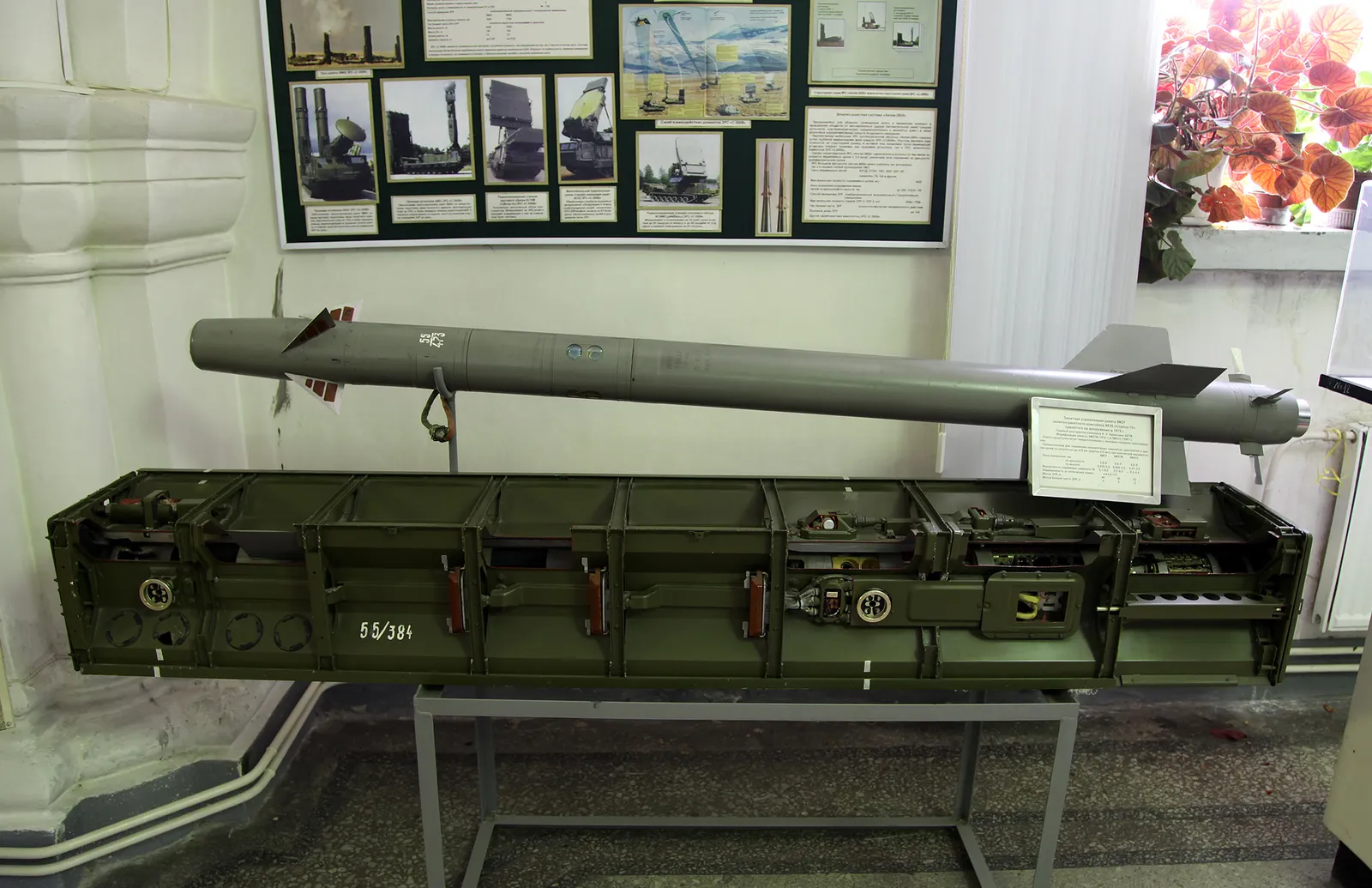
- 9M37-series and 9M333 surface-to-air missiles, depending on variant and stock
- Engagement range
- About 0.8-5 km
- Engagement altitude
- About 25 m to 3.5 km for 9M37-series missiles; later 9M333 sources list down to about 10 m
- Chassis
- Modified MT-LB tracked amphibious vehicle
- Dimensions
- About 6.9 m long, 2.85 m wide, and 2.22 m high in transport position for the Strela-10M combat vehicle
- Mobility
- Up to about 60 km/h on road, about 5-6 km/h afloat, and roughly 450-500 km road range
- Weight
- About 12.3 t
Design and Service Notes
Strela-10 combines a tracked launcher, short-range heat-seeking missiles, and a battlefield role centered on low-altitude point defense for maneuver forces.
| Topic | Detail | Combat relevance |
|---|---|---|
| Launcher base | Modified MT-LB tracked amphibious chassis with a three-person crew. | The system can move with ground forces instead of operating only from fixed air-defense sites. |
| Missile set | 9M37-series missiles are documented with Strela-10M launchers; Kalashnikov identifies 9M333 compatibility with Strela-10M3. | The launcher family and carried munitions have separate upgrade paths and catalog records. |
| Modern combat role | Recent Ukraine reporting describes Russian and Ukrainian Strela-10 use against reconnaissance UAVs and other low-altitude targets. | An older Soviet SHORAD system remains relevant in drone-dense fighting. |
Variants
Strela-10 designations cover the 9K35 system family, its 9A34/9A35 combat vehicles, and later M-series launcher upgrades; carried missiles are kept in the relationship section.
| Variant | Configuration | Designation notes |
|---|---|---|
| 9K35 Strela-10SV | Original tracked launcher family | Development began in 1969, the system entered service in 1976, and production of Strela-10SV combat vehicles was organized at Saratov Aggregate Plant. Sources: Strela-10, SA-13 Gopher 9K35 Strela-10 SAM |
| Strela-10M | M-series launcher upgrade | Czech MoD material identifies the 9K35M Strela-10M/S-10M system as using either 9A34 or 9A35 combat vehicles with 9M37 missiles and upgraded electronic control equipment. Sources: Czech MoD Strela-10M |
| Strela-10M2 | Command-network upgrade | Reference data treats Strela-10M2 as a later M-series variant using 9A35M2/9A34M2 combat vehicles and 9M37M missiles. |
| Strela-10M3 | 9M333-compatible launcher variant | Rostec identifies the 9M333 missile as used with the 9A34M3 and 9A35M3 Strela-10M3 combat vehicles. Sources: Rostec 9M333 State Defense Order |
| Strela-10M4 | Later modernization designation | A later Strela-10 modernization designation within the same tracked short-range air-defense family. Sources: SA-13 Gopher 9K35 Strela-10 SAM |
Carried Munitions
The Strela-10 launcher family is built around four ready missiles and a reloadable missile set, with the 9M37 as the original round.
| Carried item | Item type | Carriage evidence |
|---|---|---|
 | Surface-to-air missile | The 9K35 Strela-10 family is documented with 9M37 missiles on the launcher, including four ready-to-fire missiles and reloads carried in the vehicle. Sources: Czech MoD Strela-10M, SA-13 Gopher 9K35 Strela-10 SAM |
 | Surface-to-air missile | Kalashnikov identifies the 9M333 as a missile used by the Strela-10 system and its modified versions, including Strela-10M3. Sources: 9M333 Guided Anti-Air Missile - Kalashnikov Group, Kalashnikov Ships Large Batch of 9M333 SAMs |
Tracked Chassis
The Strela-10 combat vehicle is a weaponized air-defense adaptation of the MT-LB tracked amphibious chassis.
| Compatible item | Item type | Compatibility evidence |
|---|---|---|
 | Tracked amphibious chassis | Ukrainian and defense-reference sources identify the Strela-10 launcher as mounted on a modified MT-LB chassis, tying the air-defense system to the wider MT-LB vehicle family. Sources: Strela-10, SA-13 Gopher 9K35 Strela-10 SAM |
Timeline
9K35 Strela-10 Key Events
Development begins
Ukrainian military-education reference material traces Strela-10 development to 1969 under OKB-16/KB Tochmash design leadership.
Sources: Strela-10
Entered Soviet service
The Strela-10 family entered service in 1976 as a tracked short-range air-defense system built around the MT-LB chassis and 9M37 missile family.
Sources: Strela-10, SA-13 Gopher 9K35 Strela-10 SAM
Targeted in Nagorno-Karabakh
Army University Press reported Armenian Strela-10 systems among the air-defense assets targeted by Azerbaijani artillery and unmanned aircraft on the opening day of the 2020 war.
Sources: The 44-Day War in Nagorno-Karabakh
Documented in Ukraine transfers and wartime use
Open-source transfer tracking documented delivered Strela-10M systems for Ukraine, while defense reporting later described Russian and Ukrainian use against the reconnaissance-drone threat.
Sources: Answering The Call: Heavy Weaponry Supplied To Ukraine, How reconnaissance drones turned the outdated Strela-10 air defense system into a key asset in Ukraine
Captured during Syrian opposition offensive
Defense Express reported footage of a captured Strela-10 system in Syrian opposition hands after opposition forces overran or seized equipment around Kuweires Air Base.
Sources: Defense Express Syrian Opposition Captured Strela-10
Media
9K35 Strela-10 Videos
Related Weapon Systems


Sources
Strela-10Publisher: National Defence University of Ukraine | Note: Supports service-entry, manufacturer, chassis, crew, mobility, range, altitude, and general background claims. | Accessed: 2026-07-02SA-13 Gopher 9K35 Strela-10 SAMPublisher: Army Recognition | Note: Supports system role, combat vehicle composition, missile armament, MT-LB chassis, and technical specifications. | Accessed: 2026-07-02Czech MoD Strela-10MPublisher: Ministry of Defence of the Czech Republic | Note: Supports 9M37 missile carriage on Strela-10 launchers and 9M37 missile specs. | Accessed: 2026-06-30Answering The Call: Heavy Weaponry Supplied To UkrainePublisher: Oryx | Note: Documents delivered 9K35 Strela-10M systems among surface-to-air missile systems supplied to Ukraine during the 2022 invasion. | Accessed: 2026-06-30OSCE SMM Daily Report 5 January 2016Publisher: Organization for Security and Co-operation in Europe | Note: Supports 2014 Russia-Ukraine War direct-use context: OSCE observed 9K35 Strela-10 systems in Ukrainian government-controlled holding areas and a vehicle mounted with Strela-10 missiles near Artemivsk. | Accessed: 2026-07-02OSCE SMM Daily Report 18 February 2022Publisher: Organization for Security and Co-operation in Europe | Note: Supports 2014 Russia-Ukraine War direct-use context: OSCE recorded 9K35 Strela-10 systems in government-controlled and non-government-controlled areas shortly before the 2022 full-scale invasion. | Accessed: 2026-07-02Oryx Russian Equipment Losses UkrainePublisher: Oryx | Note: Supports 2014 Russia-Ukraine War direct-use context by visually documenting Russian 9K35 Strela-10 losses after the 2022 full-scale invasion. | Accessed: 2026-07-02Oryx Ukrainian Equipment Losses UkrainePublisher: Oryx | Note: Supports 2014 Russia-Ukraine War direct-use context by visually documenting Ukrainian 9K35 Strela-10 losses after the 2022 full-scale invasion. | Accessed: 2026-07-02How reconnaissance drones turned the outdated Strela-10 air defense system into a key asset in UkrainePublisher: Army Recognition | Note: Supports direct 2014 Russia-Ukraine War use by both Russian and Ukrainian forces, including counter-UAV employment and survivability adaptations. | Accessed: 2026-06-30The Air and Missile War in Nagorno-KarabakhPublisher: Center for Strategic and International Studies | Note: Supports 2020 Nagorno-Karabakh Conflict direct-use context: Armenian forces fielded 9K35 Strela-10 systems as part of their air-defense inventory during the 2020 war. | Accessed: 2026-06-30The 44-Day War in Nagorno-KarabakhPublisher: Army University Press | Note: Supports 2020 Nagorno-Karabakh Conflict direct-use context: Armenian forces fielded Strela-10/SA-13 systems that were targeted by Azerbaijani artillery and unmanned aircraft on 27 September 2020. | Accessed: 2026-06-30Four Outlandish Russian Ministry of Defense Claims About The Syrian Missile RaidPublisher: The War Zone | Note: Supports April 2018 U.S., UK, and French strikes in the 2011 Syrian Civil War direct-use context: reports the Russian claim that Strela-10/SA-13 missiles were fired by Syrian government air defenders, while noting the claim was disputed. | Accessed: 2026-06-30Pentagon Officials Describe Syria Strikes, Hope Assad Gets MessagePublisher: U.S. Department of Defense | Note: Supports background context for the April 2018 U.S., UK, and French strikes in the 2011 Syrian Civil War: U.S. officials said Syrian surface-to-air missile launches did not successfully engage coalition aircraft or missiles. | Accessed: 2026-06-30Defense Express Syrian Opposition Captured Strela-10Publisher: Defense Express | Note: Supports 2011 Syrian Civil War direct-use context: reports footage of a captured Strela-10 system in Syrian opposition hands around Kuweires Air Base during the late-2024 offensive. | Accessed: 2026-06-309M333 Guided Anti-Air Missile - Kalashnikov GroupPublisher: Kalashnikov Group | Note: Supports the 9M333 missile relationship and the Strela-10M3 compatibility context. | Accessed: 2026-06-30Rostec 9M333 State Defense OrderPublisher: Rostec | Note: Supports 9M333 production, Strela-10M3 combat-vehicle compatibility, and listed 9M333 range and altitude figures. | Accessed: 2026-07-02TASS 9M333 Serial ProductionPublisher: TASS | Note: Supports 2020 batch production context for the 9M333 missile used by Strela-10M-family systems. | Accessed: 2026-07-02TASS 2026 9M333 DeliveryPublisher: TASS | Note: Supports 2026 delivery context for 9M333 missiles used by Strela-10 systems and modifications. | Accessed: 2026-07-02Kalashnikov Ships Large Batch of 9M333 SAMsPublisher: Kalashnikov Group | Note: Supports the Strela-10M3 compatibility context for the 9M333 missile. | Accessed: 2026-06-309K35 Strela 10 Self Propelled Air Defence SystemPublisher: Air Power Australia | Note: Supports reference-level variant chronology, 9A34/9A35 combat-vehicle designations, and four ready plus four stowed missiles. | Accessed: 2026-07-02File:Strela 10 (modified).jpgPublisher: Wikimedia Commons | Note: Image source page identifies the Strela-10 image and lists Creative Commons Attribution-ShareAlike 4.0 licensing. | Accessed: 2026-06-30File:9M37 surface-to-air missile of Strela-10 system.jpgPublisher: Wikimedia Commons | Note: Gallery image source page for a 9M37 missile associated with the Strela-10 system and its reuse licensing context. | Accessed: 2026-06-30File:9A34 Strela-10 - 4th Separate Tank Brigade (5).jpgPublisher: Wikimedia Commons | Note: Gallery image source page for 9A34 Strela-10 combat vehicles and Creative Commons Attribution-ShareAlike 4.0 licensing. | Accessed: 2026-06-30File:Air defense system with Apache helicopter.JPEGPublisher: Wikimedia Commons | Note: Gallery image source page for a U.S. military public-domain image identifying a Russian-made SA-13 short-range surface-to-air missile system during ASCIET training. | Accessed: 2026-07-02