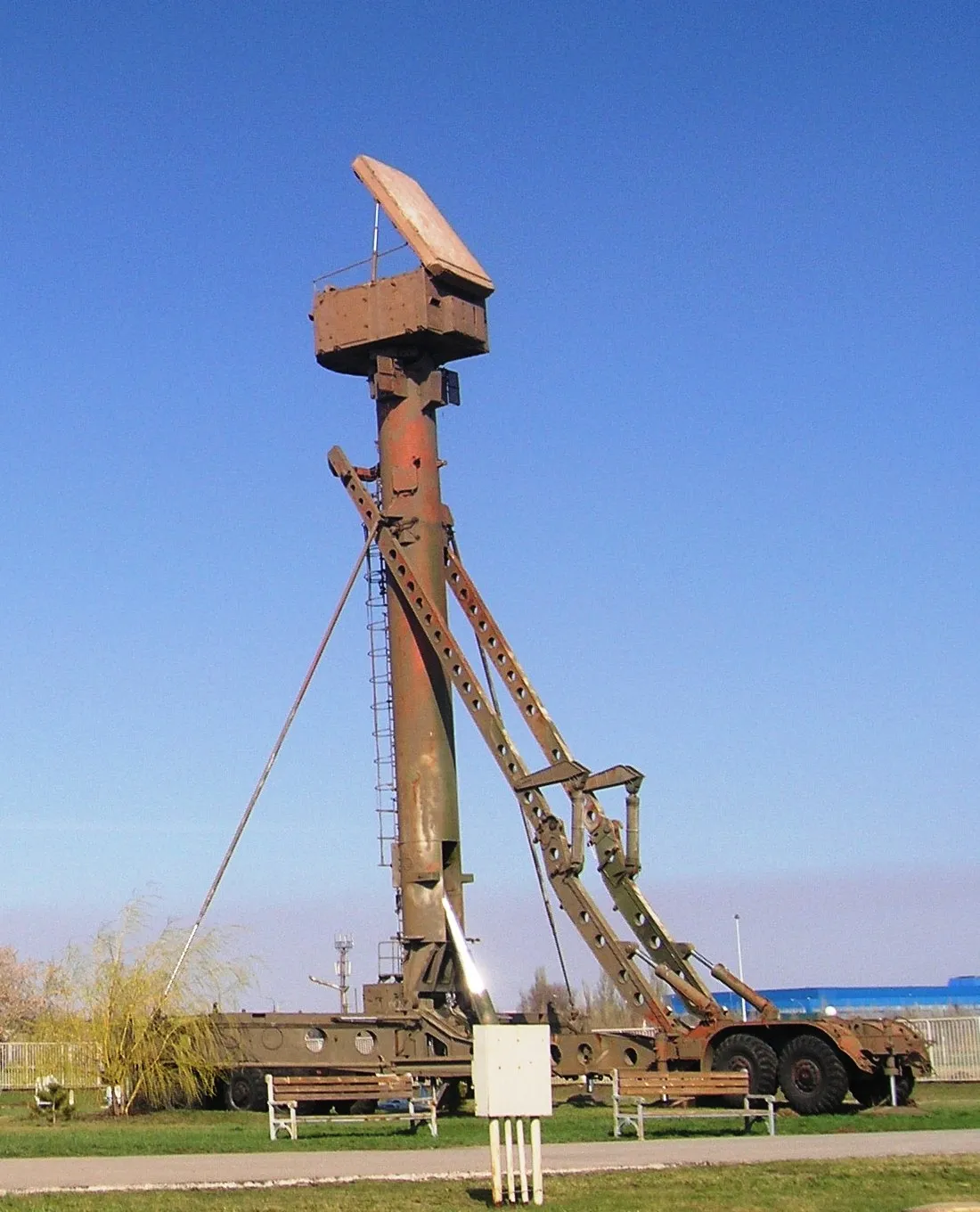


Russian and Ukrainian S-300 units fielded Flap Lid-family engagement radars during the full-scale war; Oryx lists Russian 5N63S losses, Ukrainian 5N63S and 5N63-1 losses, Slovakia's delivery of a 5N63S Flap Lid B with its S-300PMU transfer, and WarSpotting visually catalogs a destroyed Russian 5N63S for a 75R6 S-300PS battery in May 2026.
Role detailsAir Defense
30N6 engagement radar
Also known as
- 30N6
- 30N6E
- 30N6E1
- 30N6E2
- 5N63
- 5N63S
- Flap Lid
- Flap Lid B
- Tomb Stone
- Tombstone
- RPN 30N6E2
The 30N6 is the S-300P-family engagement radar lineage known by NATO as Flap Lid and, on later export configurations, Tomb Stone. The 5N63S Flap Lid B branch is the self-propelled S-300PS-era configuration, giving S-300P, S-300PS, S-300PMU, and S-300PMU-2 batteries target tracking, illumination, and missile-guidance functions rather than serving as a standalone weapon. Direct conflict records place Flap Lid-family radars in Ukraine and Nagorno-Karabakh losses, and satellite-based analysis identified a 30N6/30N6E radar as the probable S-300 component hit near Isfahan in April 2024.
Role in Conflicts

Armenian/Artsakh forces fielded Flap Lid engagement radars with S-300 air-defense equipment; Oryx lists two 5N63S Flap Lid radars for S-300 destroyed by loitering munitions during the 2020 fighting.
- Side
- Iran

Iran fielded an S-300 engagement radar near Isfahan; CSIS assessed that Israel's April 19, 2024 strike probably destroyed a single 30N6 Flap Lid or 30N6E Tomb Stone radar, while AP reported that radar equipment for an S-300 battery at Isfahan had been hit.
Role details
Russian-backed Syrian government air-defense forces received S-300 systems with radars during the war, and a Russian-operated S-300 battery fired during a May 2022 Israeli air operation near Masyaf; Israeli reporting said the S-300 radar did not lock onto the departing aircraft.
Role detailsProfile / Specs
Profile
- Origin
- Soviet Union / Russia
- Built by
- Almaz-Antey
- Type
- S-300-family engagement and missile-guidance radar
- Service note
- Cold War S-300P family radar line with later export and S-300PMU-2 upgrades
- Designer
- Almaz Central Design Bureau / S-300P radar-industrial lineage
- Designed
- Developed with the S-300P family; the mobile S-300PS branch introduced the self-propelled 5N63S configuration in the 1980s
- Produced
- S-300P-family production from the 1970s, with later export and upgrade configurations
Specifications
- Radar role
- Engagement, illumination, target tracking, missile-guidance support, and launch-preparation functions for S-300P-family SAM batteries
- NATO reporting names
- Flap Lid for 5N63/30N6 branches; Tomb Stone for later 30N6E-series reporting in several open references
- Frequency band
- I/J band in Radartutorial's 30N6E description; Army Recognition describes the 30N6E2 as an X-band phased-array radar
- Antenna
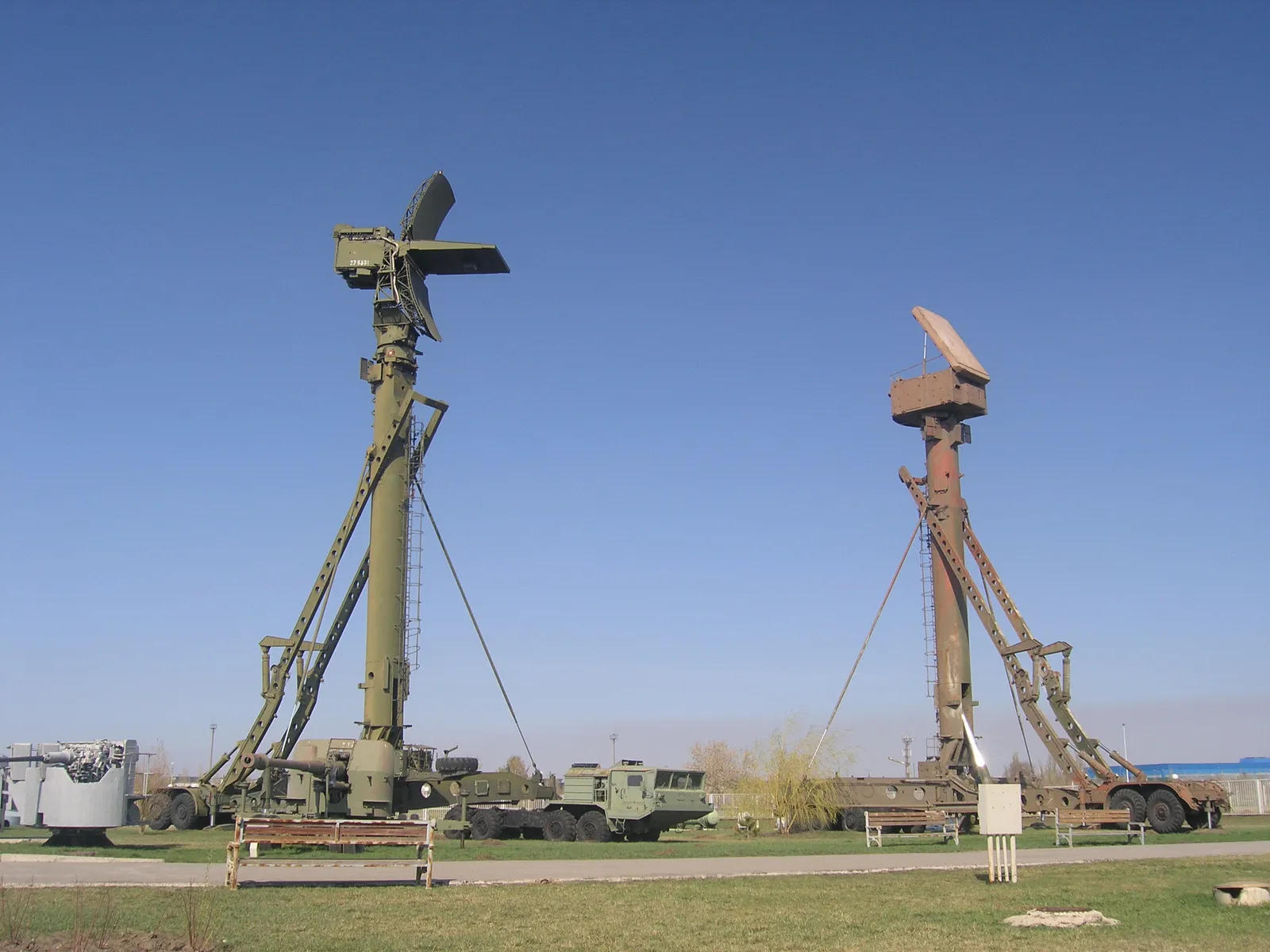
- Phased-array engagement radar with electronic beam steering; 30N6E2 references describe operation from a 40V6M mobile tower when fitted
- Mobility
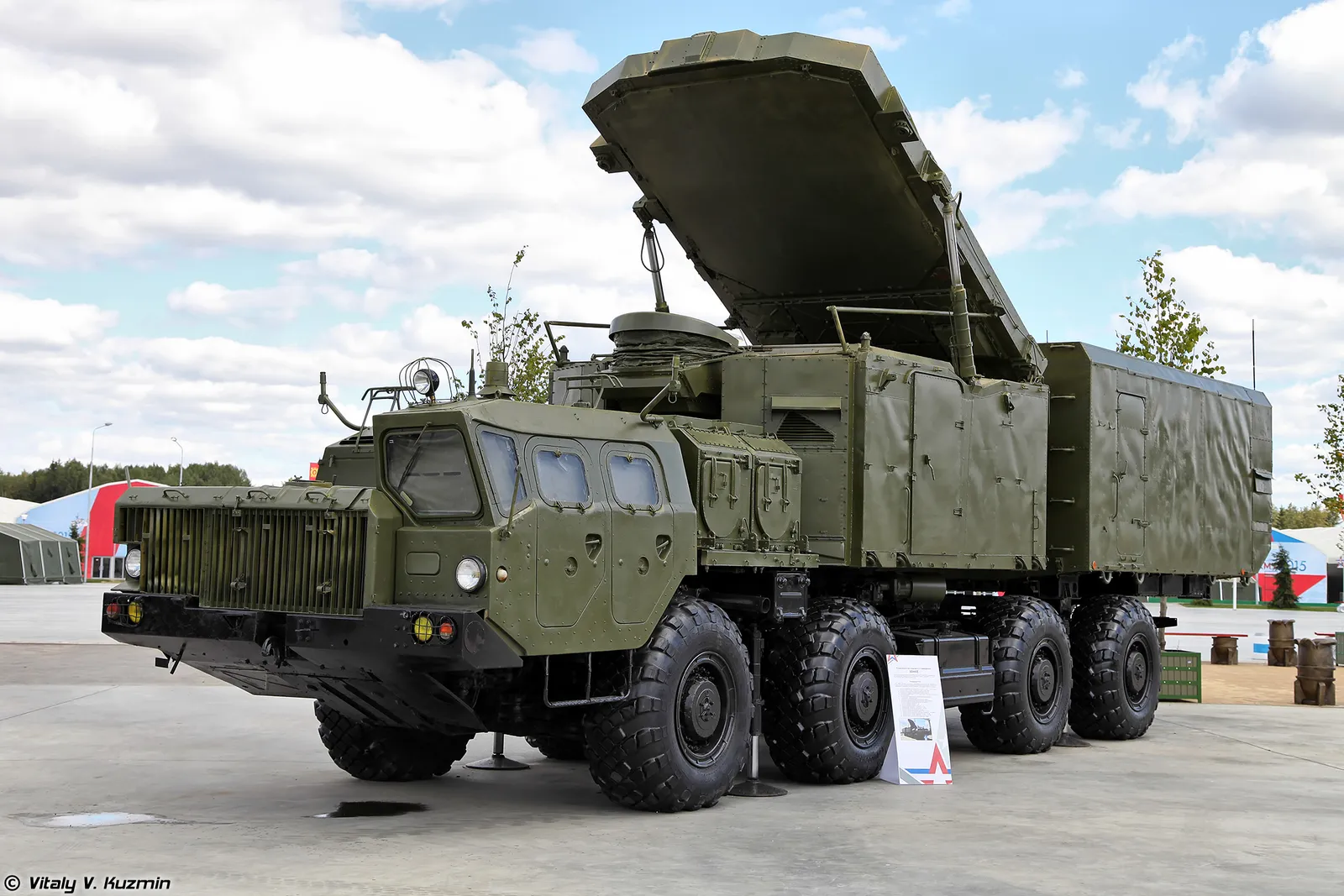
- Trailer-mounted early configuration and self-propelled 5N63S branch on an 8x8 MAZ-7910/MAZ-543-derived vehicle
- Associated systems
- S-300P, S-300PS, S-300PMU, S-300PMU-1, and S-300PMU-2 Favorit configurations; Rosoboronexport identifies 30N6E2 as the S-300PMU2 multi-role illumination and guidance radar
- Documented conflict contexts
- Direct radar-specific rows cover Ukraine, Nagorno-Karabakh, the April 2024 Iran-Israel exchange, and a Syrian S-300 radar firing/lock-on report; generic S-300 launcher use is left to the parent S-300 page
- S-300PMU-2 fire unit
- Rosoboronexport and Air Power Australia describe the S-300PMU-2 fire unit around a 30N6E2 engagement radar and up to twelve 5P85SE or 5P85TE launchers
- Targets engaged
- Open specialist references describe later Flap Lid/Tomb Stone branches as able to engage six targets while guiding two missiles per target
- Readiness
- Army Recognition lists 5 minutes for 30N6E2 time ready to work
- Battlefield record scope
- The record treats 5N63S/30N6-family radars as conflict-linked only when sources identify the radar vehicle, Flap Lid branch, or S-300 radar equipment directly rather than naming S-300 launchers alone
Radar Function
The 30N6 family is the fire-control end of the S-300P engagement chain. Search radars and command posts can build the wider air picture, while the 30N6-series radar tracks selected targets, supports launch preparation, and provides missile-guidance functions for the battery.
Radar role
Engagement, illumination, target tracking, and missile-guidance support for S-300P-family batteries.
Mobility split
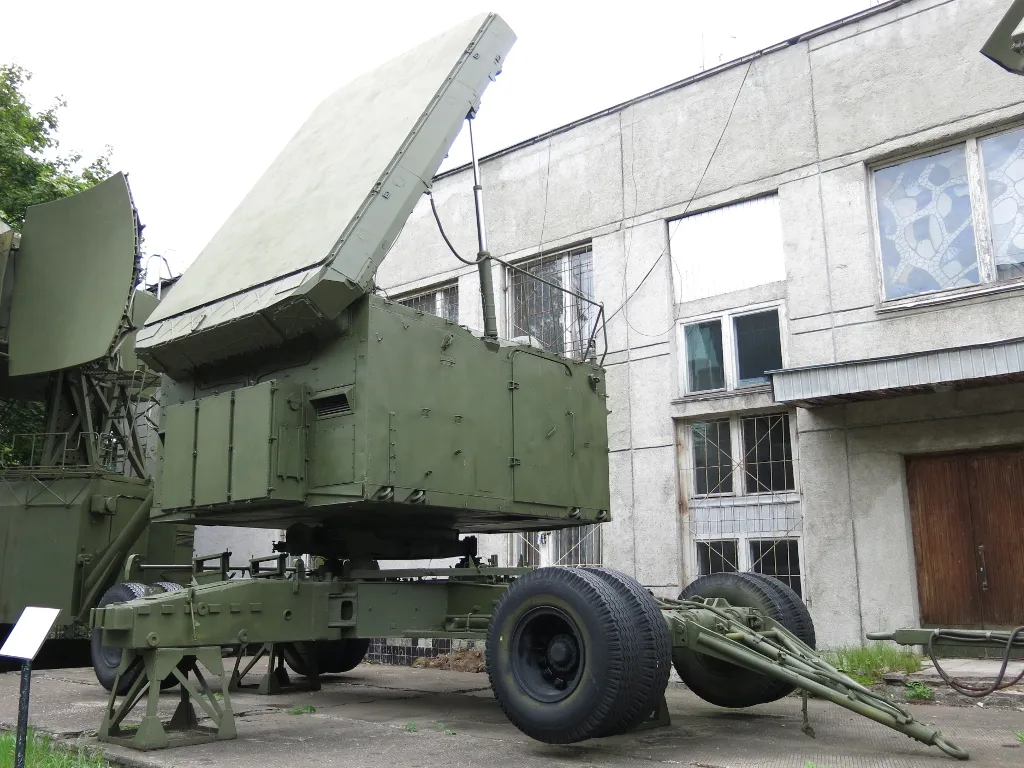
Early Flap Lid configurations were trailer or mast associated; the 5N63S/Flap Lid B branch placed the radar on an 8x8 MAZ-family vehicle for mobile S-300PS batteries.
Later branch
30N6E2 Tomb Stone is tied to S-300PMU-2 Favorit in open technical references and is described as an upgraded 30N6 engagement radar.
Loss reporting
Ukraine-war loss records distinguish individual Flap Lid vehicles from generic S-300 launchers, including Russian and Ukrainian 5N63S/5N63-1 entries and a visually cataloged Russian 5N63S loss in May 2026.
Source references: Radartutorial 30N6E Flap Lid; Army Recognition 30N6 Flap Lid B; Army Recognition 30N6E2 Tomb Stone; Air Power Australia S-300P Family; WarSpotting 5N63S Loss 44857.
Variants
Open sources use both system and radar designations. The early 5N63/30N6 Flap Lid radar belongs to the S-300P and S-300PT/PT family; 5N63S refers to the self-propelled Flap Lid B configuration; 30N6E, 30N6E1, and 30N6E2 appear in export and S-300PMU/PMU-2 contexts.
| Variant | Configuration | Designation notes |
|---|---|---|
| 5N63 / 30N6 Flap Lid | Early S-300P-family fire-control radar | The trailer-mounted Flap Lid A branch is described as the S-300P-family tracking and engagement radar, with 30N6 used as the fire-control designation. Sources: Radartutorial 30N6E Flap Lid, Army Recognition 30N6 Flap Lid B, Air Power Australia S-300P Family |
| 5N63S Flap Lid B | Self-propelled S-300PS engagement radar | The S-300PS branch moved the Flap Lid engagement radar onto a MAZ-7910/MAZ-543-derived 8x8 vehicle, improving mobility and setup time. Sources: Army Recognition 30N6 Flap Lid B, Air Power Australia S-300P Family, United24 5N63S Radar Destroyed |
| 30N6E / 30N6E1 | Export and upgraded S-300PMU-family radar | Specialist references associate 30N6E-series radars with later S-300PMU and S-300PMU-1/2 engagement and missile-guidance functions. Sources: Radartutorial 30N6E Flap Lid, Army Recognition 30N6 Flap Lid B, Air Power Australia Engagement Radars |
| 30N6E2 Tomb Stone | S-300PMU-2 illumination and guidance radar | S-300PMU-2 references identify the 30N6E2 as the Favorit fire-unit engagement radar, combining search, tracking, launch preparation, missile guidance, and firing-result assessment functions. Sources: Army Recognition 30N6E2 Tomb Stone, Rosoboronexport Favorit Air Defence System, Air Power Australia S-300PMU2 Favorit, Missilery S-300PMU-2 Favorit |
Air-Defense Systems
The 30N6 family is a battery component: it matters because it gives S-300-family launchers target tracking, illumination, and missile-guidance support.
| Compatible item | Item type | Compatibility evidence |
|---|---|---|
 | Parent SAM family | S-300P, S-300PS, S-300PMU, and S-300PMU-2 descriptions identify 30N6-family radars as engagement or fire-control elements used with the missile system. Sources: CSIS S-300, Radartutorial 30N6E Flap Lid, Army Recognition 30N6 Flap Lid B, Army Recognition 30N6E2 Tomb Stone |
 | Successor SAM family | Air Power Australia's engagement-radar overview describes the 30N6E2 as preceding the S-400's 92N6/92N2 engagement radar lineage, keeping the relationship technical rather than treating 30N6 as a normal S-400 battery element. |
Timeline
30N6 engagement radar Key Events
S-300P family enters production period
CSIS places S-300P-family production in the 1970s, giving the 30N6/Flap Lid radar its original system context as part of the Soviet long-range SAM family.
Sources: CSIS S-300
S-300PS mobility upgrade creates 5N63S branch
Air Power Australia describes the S-300PS update as moving the Flap Lid engagement radar onto a high-mobility 8x8 chassis, producing the self-propelled 5N63S Flap Lid B configuration.
Sources: Air Power Australia S-300P Family
S-300PMU-2 uses 30N6E2 radar
Open specialist sources associate the S-300PMU-2 Favorit upgrade with the 30N6E2 Tomb Stone engagement radar and 48N6E2 missile family.
Sources: Army Recognition 30N6E2 Tomb Stone, Air Power Australia Engagement Radars
GSKB report references 30N6E2 production work
GSKB Almaz-Antey's 2011 annual report listed S-300PMU2 and 83M6E2 export-contract work and separately referenced manufacture and subcontracting tied to 30N6E2 items.
Sources: GSKB Almaz-Antey 2011 Annual Report
Isfahan S-300 radar hit
CSIS assessed that Israel's April 2024 strike probably destroyed a 30N6 Flap Lid or 30N6E Tomb Stone engagement radar associated with Iran's S-300 battery near Isfahan.
Sources: CSIS Assessing Israel's Strike on Iran, AP Iran S-300 Radar Hit
S-300 radar involved in Syria firing incident
Israeli reporting said a Russian-operated S-300 battery fired after a May 2022 Israeli air operation near Masyaf, but the S-300 radar did not lock onto the departing aircraft.
Sources: Times of Israel S-300 Fired Over Syria, TWZ Russian-Operated S-300 Fired Over Syria
Russian 5N63S reported destroyed in Ukraine
United24 reported that Ukraine's 15th Artillery Reconnaissance Brigade destroyed a Russian 5N63S radar station used with S-300 air-defense systems; WarSpotting separately cataloged a destroyed Russian 5N63S target-acquisition radar for a 75R6 S-300PS battery from the same May 2026 event stream.
Sources: United24 5N63S Radar Destroyed, WarSpotting 5N63S Loss 44857
Media
30N6 engagement radar Videos
Related Weapon Systems


Sources
ODIN 30N6 Flap LidPublisher: U.S. Army OE Data Integration Network | Note: Supports 30N6 Flap Lid identity as a Russian ground-based target-acquisition and tracking radar associated with the SA-10/S-300 system. | Accessed: 2026-07-02CSIS S-300Publisher: Center for Strategic and International Studies Missile Threat | Note: Supports S-300 family origin, production context, broad Almaz design lineage, S-300P/S-300PMU family background, and the parent missile-system relationship for the 30N6 radar. | Accessed: 2026-07-02Radartutorial 30N6E Flap LidPublisher: Radartutorial.eu | Note: Supports 30N6E Flap Lid identity, I/J-band multifunction phased-array engagement radar description, SA-10/S-300 relationship, and digital beam-steering context. | Accessed: 2026-07-02Army Recognition 30N6 Flap Lid BPublisher: Army Recognition | Note: Supports 30N6/30N6E Flap Lid B identity, S-300P/S-300PM/S-300PMU1 relationship, phased-array tracking and missile-guidance role, MAZ-7910 mobility context, and target/missile engagement figures. | Accessed: 2026-07-02Army Recognition 30N6E2 Tomb StonePublisher: Army Recognition | Note: Supports 30N6E2 identity, S-300PMU-2 Favorit relationship, engagement-radar role, X-band phased-array description, MAZ-7910 chassis, 40V6M tower compatibility, readiness, range, target, and missile-control figures. | Accessed: 2026-07-02Oryx Russian Equipment LossesPublisher: Oryx | Note: Supports 2014 Russia-Ukraine War direct fielded/lost by Russia context for 5N63S Flap Lid B engagement and tracking radars of the S-300. | Accessed: 2026-07-02Oryx Ukrainian Equipment LossesPublisher: Oryx | Note: Supports 2014 Russia-Ukraine War direct fielded/lost by Ukraine context for 5N63S Flap Lid B and 5N63-1 Flap Lid A radars used with S-300PS/S-300PT systems. | Accessed: 2026-07-02Oryx Slovak Arms Deliveries to UkrainePublisher: Oryx | Note: Supports 2014 Russia-Ukraine War direct transferred to Ukraine context for Slovakia's delivery of a 5N63S Flap Lid B radar with S-300PMU equipment. | Accessed: 2026-07-02Oryx Nagorno-Karabakh LossesPublisher: Oryx | Note: Supports 2020 Nagorno-Karabakh Conflict direct fielded/lost by Armenia / Artsakh context for 5N63S Flap Lid radars used with S-300 and destroyed by loitering munitions. | Accessed: 2026-07-02CSIS Assessing Israel's Strike on IranPublisher: Center for Strategic and International Studies | Note: Supports 2024 Iran-Israel Exchange direct fielded/struck by Iran context: CSIS assessed that Israel's April 19, 2024 strike probably destroyed a 30N6 Flap Lid or 30N6E Tomb Stone engagement radar near Isfahan. | Accessed: 2026-07-02AP Iran S-300 Radar HitPublisher: Associated Press | Note: Supports 2024 Iran-Israel Exchange direct fielded/struck by Iran context for S-300 radar equipment damaged at an Isfahan air base after the April 19, 2024 Israeli strike. | Accessed: 2026-07-02The Aviationist S-300 Delivery to SyriaPublisher: The Aviationist | Note: Supports 2011 Syrian Civil War direct supplied to Syrian government/allied air-defense context: Russian S-300 systems delivered to Syria included radars, control vehicles, and launchers. | Accessed: 2026-07-02Times of Israel S-300 Fired Over SyriaPublisher: The Times of Israel | Note: Supports 2011 Syrian Civil War direct fielded/used by Russian-backed Syrian air-defense context: a Russian-operated S-300 battery in Syria fired during a May 2022 Israeli air operation, and the report states the S-300 radar did not lock onto the Israeli jets. | Accessed: 2026-07-02TWZ Russian-Operated S-300 Fired Over SyriaPublisher: The War Zone | Note: Supports 2011 Syrian Civil War direct fielded/used by Russian-backed Syrian air-defense context for a Russian-operated S-300 system firing at Israeli aircraft over Syria in May 2022. | Accessed: 2026-07-02Air Power Australia S-300P FamilyPublisher: Air Power Australia | Note: Supports S-300P/PT/PS/PMU family architecture, 5N63 and 5N63S Flap Lid designation context, self-propelled mobility shift, target-engagement figures, and relationship to S-300-family launchers. | Accessed: 2026-07-02Air Power Australia Engagement RadarsPublisher: Air Power Australia | Note: Supports 30N6/30N6E1/30N6E2 engagement-radar progression, 48N6 guidance context, and the technical lineage from 30N6E2 to later S-400 engagement radar architecture. | Accessed: 2026-07-02Air Power Australia S-300PMU2 FavoritPublisher: Air Power Australia | Note: Supports S-300PMU-2 fire-unit composition, the 30N6E2 Tomb Stone engagement-radar role, 40V6M/MD mast compatibility, and the radar's place in the S-300PMU-2 upgrade architecture. | Accessed: 2026-07-02Rosoboronexport Favorit Air Defence SystemPublisher: Rosoboronexport | Note: Supports S-300PMU2 Favorit composition, identifying 30N6E2 as the system's multi-role illumination and guidance radar, and supports 83M6E2, 64N6E2, 48N6E2, 40V6M, deployment-time, target, missile-guidance, and engagement-range figures. | Accessed: 2026-07-02Missilery S-300PMU-2 FavoritPublisher: Raketnaya Tekhnika | Note: Supports the Russian-language S-300PMU-2 composition and the 30N6E2 illumination-and-guidance radar functions: search, detection, automatic target tracking, launch preparation, missile firing support, firing-result assessment, X-band phased arrays, and 40V6M tower compatibility. | Accessed: 2026-07-02GSKB Almaz-Antey 2011 Annual ReportPublisher: GSKB Almaz-Antey named after A.A. Raspletin | Note: Supports GSKB Almaz-Antey export-contract and production context for S-300PMU2, 83M6E2, and 30N6E2 items in the 2011 reporting period. | Accessed: 2026-07-02United24 5N63S Radar DestroyedPublisher: United24 Media | Note: Supports 2014 Russia-Ukraine War direct conflict-use context: Russian forces fielded a 5N63S S-300 radar station that Ukraine's 15th Artillery Reconnaissance Brigade reported detecting and destroying on an active front-line sector. | Accessed: 2026-07-02WarSpotting 5N63S Loss 44857Publisher: WarSpotting | Note: Supports 2014 Russia-Ukraine War direct visually confirmed destroyed Russian 5N63S target-acquisition radar context for a 75R6 S-300PS battery in May 2026. | Accessed: 2026-07-02File:30N6 fire control radar.jpgPublisher: Wikimedia Commons | Note: Image provenance and license page for the primary 30N6 fire-control radar image, a cropped derivative of the Togliatti museum image published under Creative Commons Attribution-ShareAlike 3.0. | Accessed: 2026-07-02File:76N6 acquisition radar and 30N6 fire control radar.jpgPublisher: Wikimedia Commons | Note: Image provenance and license page for the gallery image showing a 76N6 acquisition radar and a 30N6 Flap Lid fire-control radar at the Togliatti technical museum, published under Creative Commons Attribution-ShareAlike 3.0. | Accessed: 2026-07-02File:5N63 Flap Lid towed variant.jpgPublisher: Wikimedia Commons | Note: Image provenance and license page for a 5N63 Flap Lid towed variant image by Boevaya mashina, published under Creative Commons Attribution-ShareAlike 4.0. | Accessed: 2026-07-02File:30N6E2 radar for S-300PM2 system - ParkPatriot2015part8-08.jpgPublisher: Wikimedia Commons | Note: Image provenance and license page for a 30N6E2 radar for the S-300PM2/S-300PMU-2 family, credited to Vitaly V. Kuzmin with Commons license and VRT permission context. | Accessed: 2026-07-02