Tanks

Tanque Argentino Mediano

Also known as
  • TAM
  • TAM tank
  • Argentine Medium Tank
  • VC TAM
  • TAM 2C
  • TAM 2CA2
  • TAM 2C-A2
  • TAM 2C IP
  • TAM 2CIP

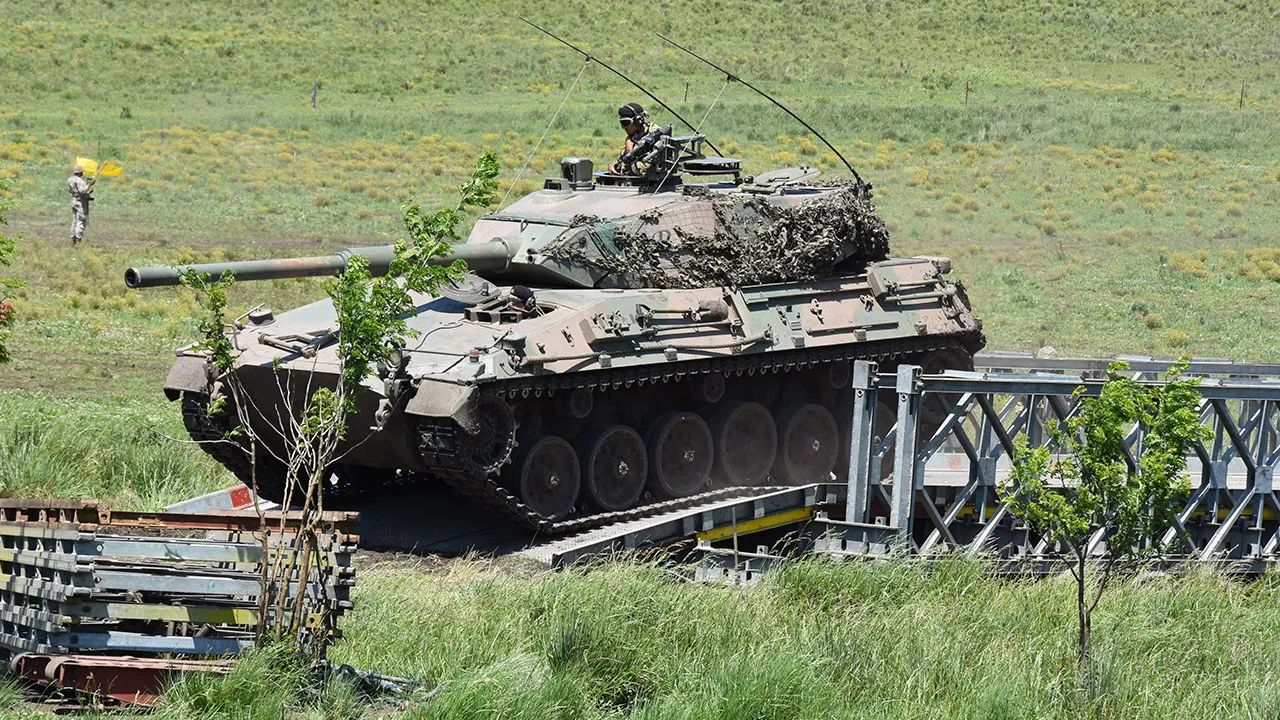
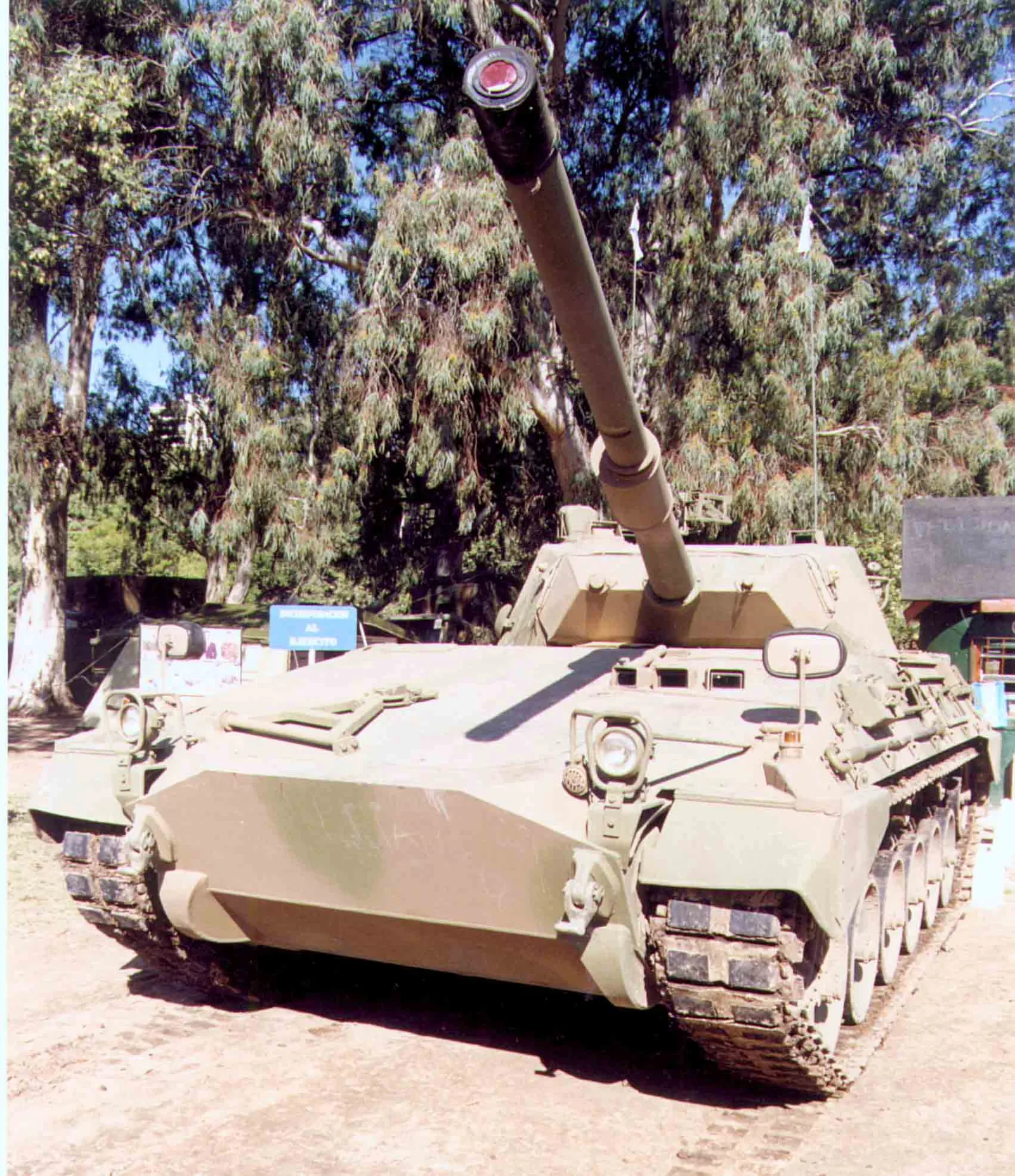
The Tanque Argentino Mediano, commonly abbreviated TAM, is an Argentine medium tank and armored-vehicle family designed by Thyssen-Henschel with Argentine technical participation to meet local mobility, infrastructure, and industrial-production requirements. The original tank used Marder-family technology with a 105 mm gun on a low-weight tracked chassis, was assembled in Argentina through the TAMSE program, and later became the basis for Argentine modernization work including the TAM 2C and TAM 2C-A2.

Profile / Specs

Profile

Origin
Argentina / West Germany
Type
Medium tank / light main battle tank
Service note
Late Cold War design, modernized in Argentine service
Designer
Thyssen-Henschel with Argentine Army technical participation
Designed
1974-1977; TAM 2C modernization work began in 2011 and the prototype was approved in 2014
Produced
1979-1983; limited resumed production/completion in 1994-1995; TAM 2C-A2 serial modernization underway from 2024
Number built
About 231 TAM tanks reported by Tank Encyclopedia; production totals vary when VCTP and other TAM-family derivatives are included
Developed from
Marder infantry fighting vehicle family

Specifications

Crew
4
Main armament
105 mm gun in the L7-derived / Rheinmetall-pattern lineage, with local Argentine production paths reported for later guns
Engine
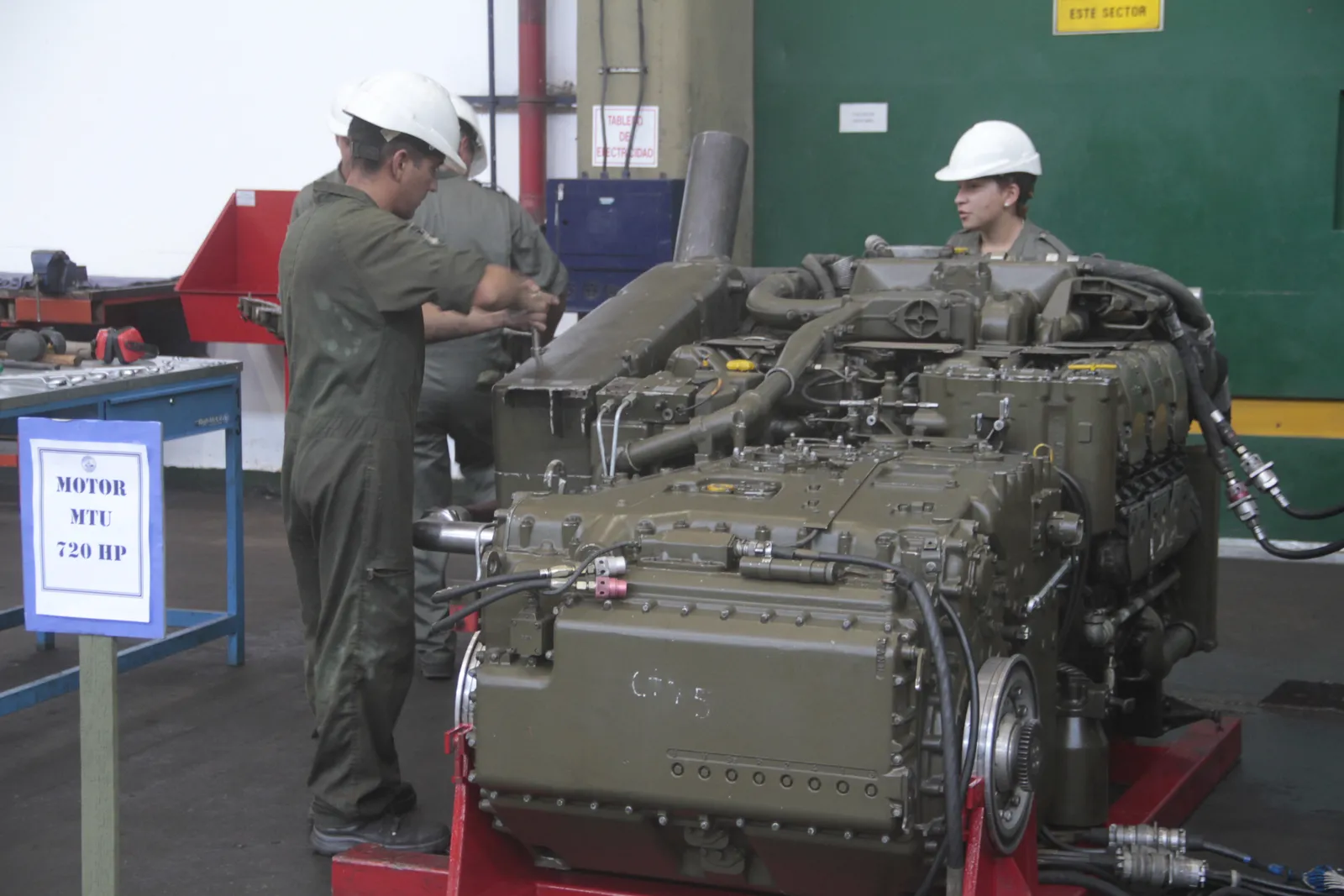
MTU MB 833 Ka 500 diesel, about 720 hp
Mobility
75 km/h road speed and 590 km range, extendable with auxiliary tanks
Design constraints
Argentine requirements emphasized low weight, more than 500 km road range, 70 km/h road speed, low silhouette, and suitability for bridges, roads, railways, and varied terrain
Production context
Designed with Thyssen-Henschel participation and assembled in Argentina through the TAMSE industrial program
Modernization
TAM 2C/TAM 2C-A2 upgrades add digital fire-control, electric turret movement, thermal sights/cameras, laser-warning, automatic target tracking, fire suppression, auxiliary power, and communications systems
Modernization industrial base
Argentine sources place TAM 2C/TAM 2C-A2 work at Army research-and-development and arsenal facilities in Boulogne, with Elbit Systems participation and IMPSA cited in the 2023 production/evaluation event
Modernization quantity
Argentina reported a 74-vehicle first-stage TAM 2C modernization plan; the Army reported ten TAM 2C-A2 tanks delivered to the operating force on 20 December 2024
Variants

The TAM family includes the baseline tank, modernization standards, and closely related derivative vehicles built around the same Marder-derived Argentine armored-vehicle program.

VariantConfigurationDesignation notes
TAMBaseline medium tank / light main battle tank

Original 105 mm tank variant designed by Thyssen-Henschel with Argentine participation around a low-weight Marder-derived chassis and Argentine infrastructure limits.

Sources: Tank Encyclopedia TAM, Rheinmetall Marder legacy

TAM 2CModernization prototype and upgrade standard

Argentine Army modernization work began in 2011 after a 2010 Argentina-Israel defense-technology framework; the prototype was completed, tested, and approved in 2014 with electric turret movement, digital fire-control, thermal sights, laser-warning, target tracking, fire suppression, auxiliary power, and communications systems.

Sources: Argentina TAM 2C modernization

TAM 2C-A2Serial modernization standard

A2 modernization adds digital fire-control, electric turret movement, thermal cameras, stabilized fire-on-the-move capability, automatic target tracking, and Argentine integration work with Elbit Systems participation; ten tanks were delivered to the operating force in December 2024.

Sources: Argentina TAM 2CA2 ETO, Argentina first TAM 2C-A2 squadron

TAM 2C IPImproved-protection prototype path

The Argentine Army reported delivery of two prototypes alongside the first TAM 2C-A2 squadron: TAM 2C and TAM 2C IP.

Sources: Argentina first TAM 2C-A2 squadron

VCTPInfantry fighting vehicle derivative

Developed alongside the TAM as the personnel/infantry-fighting member of the same Marder-derived Argentine family.

Sources: Tank Encyclopedia TAM, GlobalSecurity TAM

VCPCCommand-post derivative

Tank Encyclopedia describes the VCPC as a VCTP-based command vehicle developed in 1982 with added communications equipment and a map table.

Sources: Tank Encyclopedia TAM

VCA 155 Palmaria155 mm self-propelled howitzer derivative

Weaponsystems.net describes the VCA as an Argentine TAMSE-developed self-propelled howitzer combining a lengthened TAM chassis with an Italian Palmaria turret.

Sources: Weaponsystems.net VCA

TH-301Thyssen-Henschel export-development prototype

Tank Encyclopedia identifies the TH-301 as a Thyssen-Henschel development of the TAM prototype intended for the export market.

Sources: Tank Encyclopedia TAM

Design And Armament Links
Compatible itemItem typeCompatibility evidence
Marder 1A3, Infantry fighting vehicle, Armored VehiclesMarder 1A3Infantry fighting vehicle family

Rheinmetall and the TAM source record describe the TAM as derived from Marder-family vehicle technology exported to Argentina by Thyssen-Henschel.

Sources: Rheinmetall Marder legacy, Tank Encyclopedia TAM

105 mm Royal Ordnance L7, 105 mm rifled tank gun, Artillery105 mm Royal Ordnance L7105 mm tank-gun family

TAM source material describes the original armament path as an L7-derived 105 mm tank gun lineage before later locally produced and Rheinmetall-pattern guns.

Sources: GlobalSecurity TAM, Tank Encyclopedia TAM

Timeline

Tanque Argentino Mediano Key Events

  1. Thyssen-Henschel design cooperation begins

    Argentina selected Thyssen-Henschel for a medium tank and infantry-vehicle program built around local weight, mobility, infrastructure, and industrial-production requirements.

    Sources: Tank Encyclopedia TAM

  2. Marder-derived TAM concept matures

    Rheinmetall's Marder history says Thyssen-Henschel exported the Marder vehicle concept to Argentina, where it became the TAM family.

    Sources: Rheinmetall Marder legacy

  3. TAM production begins

    Secondary references place initial TAM production in 1979, with Argentine assembly through the TAMSE industrial program.

    Sources: Tank Encyclopedia TAM, GlobalSecurity TAM

  4. Argentina-Israel modernization framework

    Argentina's Army account says a 2010 memorandum with Israel formed the basis for the TAM 2C modernization path.

    Sources: Argentina TAM 2C modernization

  5. DIGID starts TAM 2C work at Boulogne

    The Argentine Army says DIGID began TAM modernization work in 2011 at Batallon de Arsenales 602 in Boulogne.

    Sources: Argentina TAM 2C modernization

  6. TAM 2C prototype approved

    The Argentine Army says the TAM 2C prototype was completed, tested, approved, and followed by an agreement to modernize 74 TAM vehicles.

    Sources: Argentina TAM 2C modernization

  7. TAM 2CA2 ETO and second prototype presented

    Argentina's Defense Ministry reported successful technical-operational evaluation results and presentation of the second TAM 2CA2 prototype.

    Sources: Argentina TAM 2CA2 ETO

  8. First TAM 2C-A2 squadron delivered

    The Argentine Army reported delivery of ten TAM 2C-A2 tanks to the operating force, along with TAM 2C and TAM 2C IP prototypes.

    Sources: Argentina first TAM 2C-A2 squadron

Media
Related Weapon Systems
Scorpion 120 mm mortar system, vehicle-mounted 81 mm / 120 mm mobile mortar system, ArtilleryArtilleryScorpion 120 mm mortar systemvehicle-mounted 81 mm / 120 mm mobile mortar systemThe Scorpion 120 mm mortar system is the U.S.-marketed name for Milanion NTGS's Alakran vehicle-mounted mortar family, combining an 81 mm or 120 mm mortar, automated laying, digital fire control, and ground-transmitted recoil management. Ukrainian and defense-industry reporting documented Alakran/Scorpion use in 2023-2024, including Kharkiv-region combat and later 210th Assault Regiment training with Spain-supplied VAMTAC-mounted systems.
105 mm M1974 FMK-1 recoilless rifle, 105 mm recoilless rifle, Infantry WeaponsInfantry Weapons105 mm M1974 FMK-1 recoilless rifle105 mm recoilless rifleThe 105 mm M1974 FMK-1 is the later standard in Argentina's Czekalski recoilless-rifle family, a heavy smoothbore infantry-support weapon with optical sights, an FAP/FN FAL spotting rifle, and a two-wheel adjustable carriage. Falklands War evidence directly documents the closely related Modelo 1968 Czekalski in Argentine service, while the M1974 designation is best supported as the improved FMK-1 ammunition and export-era standard.

Sources