Artillery

105 mm Royal Ordnance L7

Also known as
  • Royal Ordnance L7
  • Gun, 105mm, Tank, L7
  • 105mm L7
  • 105 mm L7
  • L7A1
  • L7A2
  • L7A3
  • L7A4
  • M68 105 mm gun
  • 105 mm L/52 L7
  • Royal Ordnance L7A3

The 105 mm Royal Ordnance L7 is a British L/52 rifled tank gun designed for armored fighting vehicles and widely adapted through the Centurion, Leopard 1, M60, and later derivative programs. Its L7A3 Leopard 1 installation remains conflict-relevant in Ukraine, where delivered Leopard 1A5 variants provide mobile direct fire with a legacy NATO 105 mm ammunition ecosystem rather than the protection or firepower of newer 120 mm main battle tanks.

Role in Conflicts

Profile / Specs

Specifications

Calibre
105 mm
Barrel length
L/52; 5.46 m barrel length cited for L7A1
Ammunition
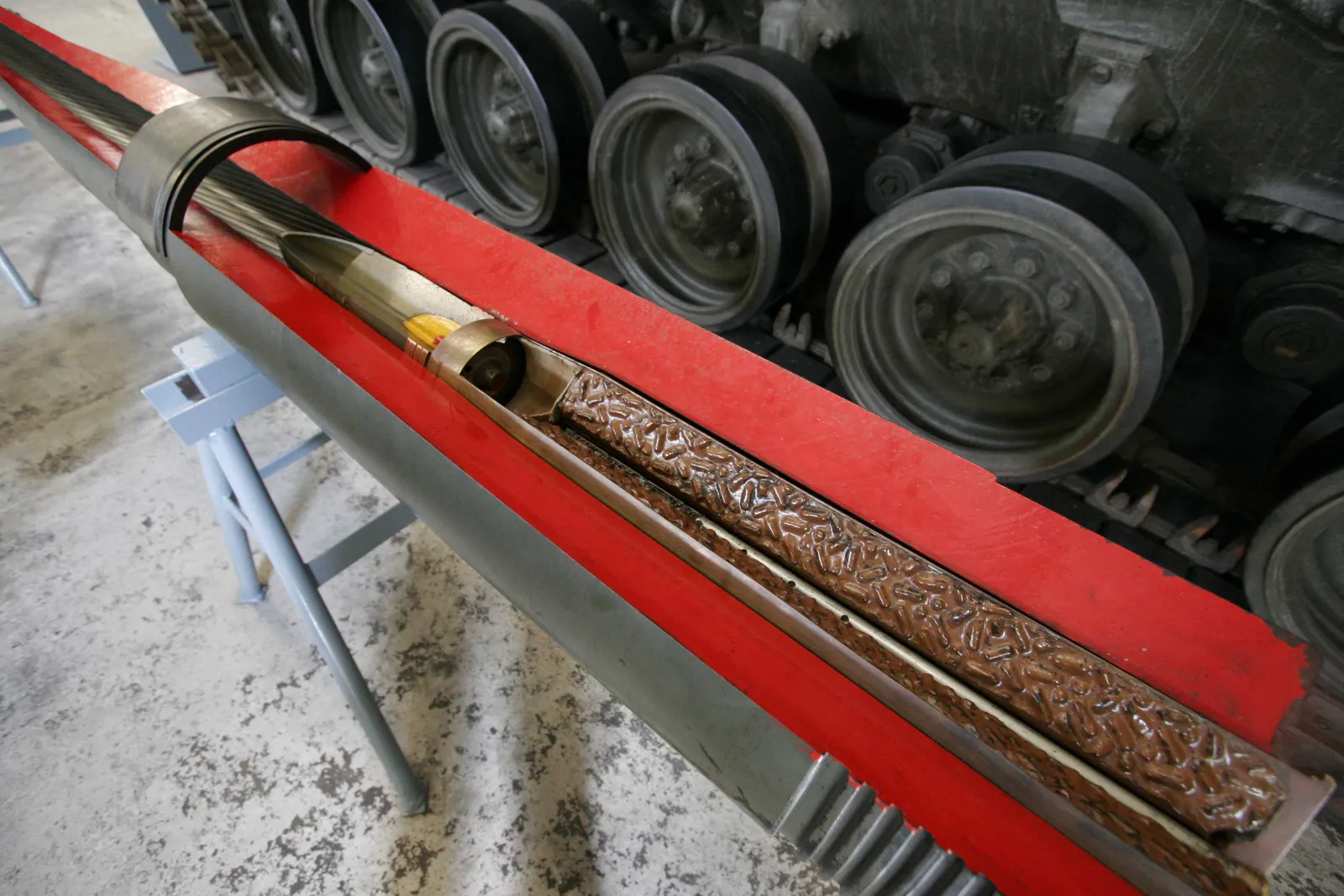
105 mm NATO family, including 105x607 mm R and 105x617 mm R cartridges
Barrel type
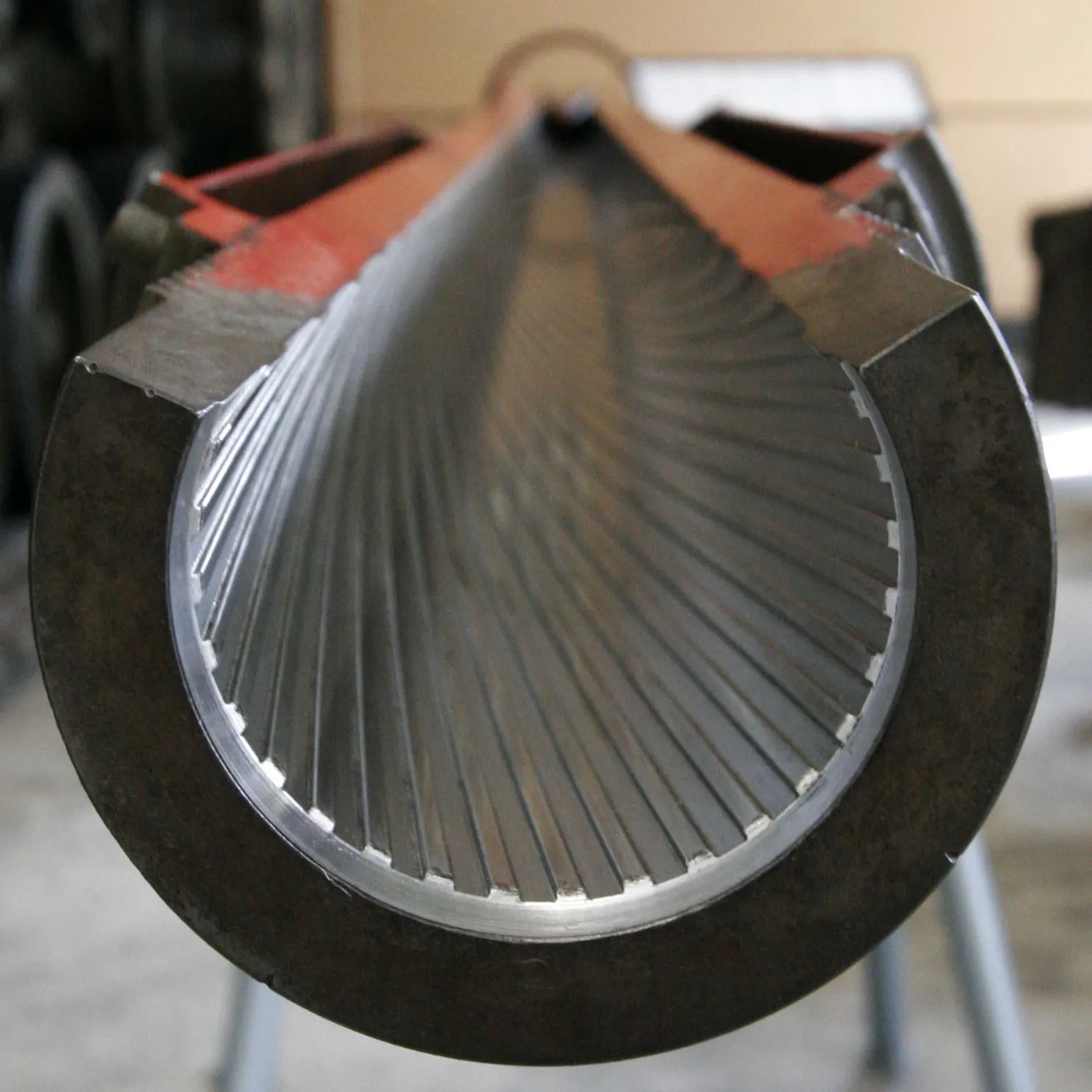
Rifled, with fume extractor
Breech
Horizontal sliding breechblock on L7A1
Loading
Manual loading in most tank installations
Weight
About 1,287 kg for L7A1 gun data
Rate of fire
Theoretical maximum of 10 rounds per minute
Range
WeaponSystems.net lists 1.8 km with APDS and 4 km with HE for L7A1
Leopard 1A5 installation
105 mm L7A3 plus two 7.62 mm machine guns on KNDS Leopard 1A5 specifications
Design Significance

The L7's catalog value comes from the way one British 105 mm rifled-gun design spread across otherwise different tank families. It replaced or outlived several earlier medium-tank guns, supported NATO-standard 105 mm ammunition, and survived through national derivatives such as the German Leopard 1A5 L7A3 installation and the U.S. M68 family.

Core format

105 mm L/52 rifled tank gun with manual loading in most installations.

Source: WeaponSystems.net 105mm Royal Ordnance L7.

Upgrade path

The L7 gave Centurion-class tanks a practical 105 mm upgrade path without moving directly to a larger heavy-tank gun.

Source: Tank Museum Conqueror.

Modern conflict link

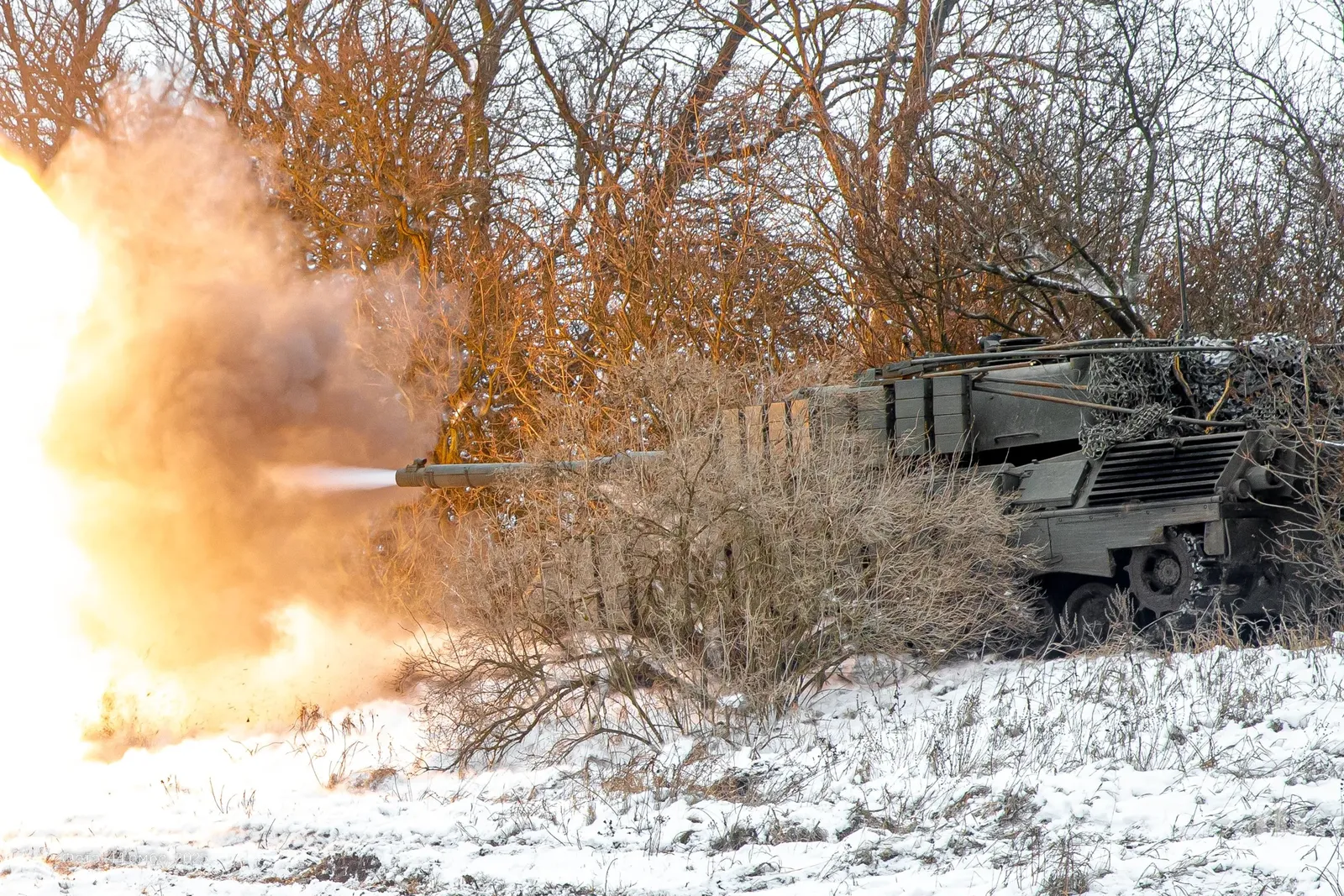
Delivered Leopard 1A5 variants in Ukraine carry the Royal Ordnance L7A3 105 mm cannon.

Sources: Army Recognition Leopard 1A5 Ukraine; Joint Forces Leopard 1A5DK Ukraine.
Variants

The L7 became a family rather than a single installation: British, German, U.S., Canadian, Japanese, Swedish, South African, Turkish, and Chinese versions adapted the same 105 mm NATO gun concept to different turrets, recoil systems, and fire-control packages.

VariantConfigurationDesignation notes
L7A1Standard British service variant

WeaponSystems.net describes L7A1 as the standard UK service version, mainly associated with late Centurion installations.

Sources: WeaponSystems.net 105mm Royal Ordnance L7

L7A3Leopard 1 variant

KNDS lists the Leopard 1A5 armament as 105 mm L7A3, and Ukraine-delivery reporting identifies the same Royal Ordnance L7A3 gun on Danish Leopard 1A5 tanks.

Sources: KNDS LEOPARD 1 A5, Army Recognition Leopard 1A5 Ukraine

M68U.S. derivative

WeaponSystems.net treats M68 as the U.S. service designation derived from the L7 family and used on M60 Patton variants.

Sources: WeaponSystems.net 105mm Royal Ordnance L7

L7A4Canadian and Belgian Leopard-family fit

The L7A4 designation is tied to L7A3-family Leopard installations with a muzzle reference sensor in the published L7 variant record.

Sources: Wikipedia Royal Ordnance L7

L7 LRFLow-recoil-force version

The Tank Museum describes Royal Ordnance's later light-tank concept as using a lower-recoil L7 105 mm rifled gun to fit a lighter vehicle without losing accuracy or firepower.

Sources: Tank Museum RO2004 Concept

Bofors L74Swedish derivative

WeaponSystems.net lists the Bofors L74 as a Swedish variant used with the Strv 103 automatic-loader installation.

Sources: WeaponSystems.net 105mm Royal Ordnance L7

Denel GT-7South African derivative

WeaponSystems.net lists the GT-7 as a South African production model with modified recoil assembly for Olifant Mk 1A use.

Sources: WeaponSystems.net 105mm Royal Ordnance L7

Carrier Tanks

The L7 record is most useful when linked to the tanks that give the gun its battlefield context. These existing catalog entries represent major L7-family or derivative installations.

CarrierCarrier typeCarriage evidence
Leopard 1A5, Main battle tank, TanksLeopard 1A5Main battle tank

KNDS lists the Leopard 1A5 armament as 105 mm L7A3, and Ukraine-delivery reporting identifies Leopard 1A5 tanks delivered to Ukraine with the Royal Ordnance L7A3 gun.

Sources: KNDS LEOPARD 1 A5, Army Recognition Leopard 1A5 Ukraine

M60A1 Patton, Second-generation main battle tank, TanksM60A1 PattonMain battle tank

The M60A1 belongs to the U.S. Patton line associated with the M68 105 mm derivative of the L7 family, rather than a British-built L7 installation.

Sources: WeaponSystems.net 105mm Royal Ordnance L7

M60A3 tank, Main battle tank, TanksM60A3 tankMain battle tank

Later M60 Patton variants continued the U.S. M68-family 105 mm gun lineage derived from the British L7, making the M60A3 a relevant derivative-gun carrier record.

Sources: WeaponSystems.net 105mm Royal Ordnance L7

Timeline

105 mm Royal Ordnance L7 Key Events

  1. British 105 mm tank-gun development

    The L7 was developed in the 1950s as a 105 mm rifled gun for armored vehicles, with museum and reference sources tying its purpose to upgunning Centurion-class tanks against heavier Soviet armor.

    Sources: WeaponSystems.net 105mm Royal Ordnance L7, Tank Museum Conqueror

  2. L7 enters service

    WeaponSystems.net lists 1959 as the service-entry point for the 105 mm Royal Ordnance L7 family.

    Sources: WeaponSystems.net 105mm Royal Ordnance L7

  3. Leopard 1 adopts L7A3

    The Leopard 1 family adopted the L7A3 version of the gun, and KNDS still lists 105 mm L7A3 armament for the Leopard 1A5 product page.

    Sources: KNDS LEOPARD 1 A5, WeaponSystems.net 105mm Royal Ordnance L7

  4. Royal Ordnance light-vehicle studies retain the L7 lineage

    The Tank Museum's RO2004 concept article shows Royal Ordnance still marketing lower-recoil L7-based 105 mm firepower for lighter armored vehicles during the mid-1980s.

    Sources: Tank Museum RO2004 Concept

  5. First Danish Leopard 1A5 tanks delivered to Ukraine

    Army Recognition reported the first ten Danish Leopard 1A5 tanks delivered to Ukraine and identified their primary armament as a rifled Royal Ordnance L7A3 105 mm cannon.

    Sources: Army Recognition Leopard 1A5 Ukraine

  6. Ukraine training and deliveries still documented

    Joint Forces reported that Leopard 1A5 variants financed by Germany, Denmark, and the Netherlands had been delivered to Ukraine, with Danish-origin variants used in EUMAM Ukrainian crew training and armed with the 105 mm L7A3 rifled tank gun.

    Sources: Joint Forces Leopard 1A5DK Ukraine

Media
Related Weapon Systems
Leopard 1A5, Main battle tank, TanksTanksLeopard 1A5Main battle tankThe Leopard 1A5 is the late fire-control modernization of Germany's Leopard 1 main battle tank, retaining the 105 mm L7-series gun while adding thermal sighting, laser ranging, and ballistic-computer upgrades. Danish A5 DK tanks saw direct conflict use in Bosnia in the 1990s, and refurbished A5-family vehicles later entered Ukrainian service as mobile direct-fire support tanks with better sighting and logistics than many older Soviet designs but far less protection than Leopard 2 variants.
L118 Light Gun, 105 mm towed light howitzer, ArtilleryArtilleryL118 Light Gun105 mm towed light howitzerThe L118 Light Gun is a British 105 mm towed howitzer built for airborne, commando, and light-force artillery. It can be towed by a medium-weight vehicle or carried underslung by a Chinook helicopter, and BAE Systems says its 105 mm ammunition family includes HE, illumination, target-marking, smoke, and propelling-charge options. This family record also covers the L119 branch, the NATO/M1-ammunition variant supplied to Ukraine, while the U.S. M119 derivative has its own linked entry.

Sources