Munitions

P-800 Oniks

Also known as
  • 3M55
  • 3M55 Oniks
  • P-800 Onyx
  • 3M55 Yakhont
  • SS-N-26 Strobile

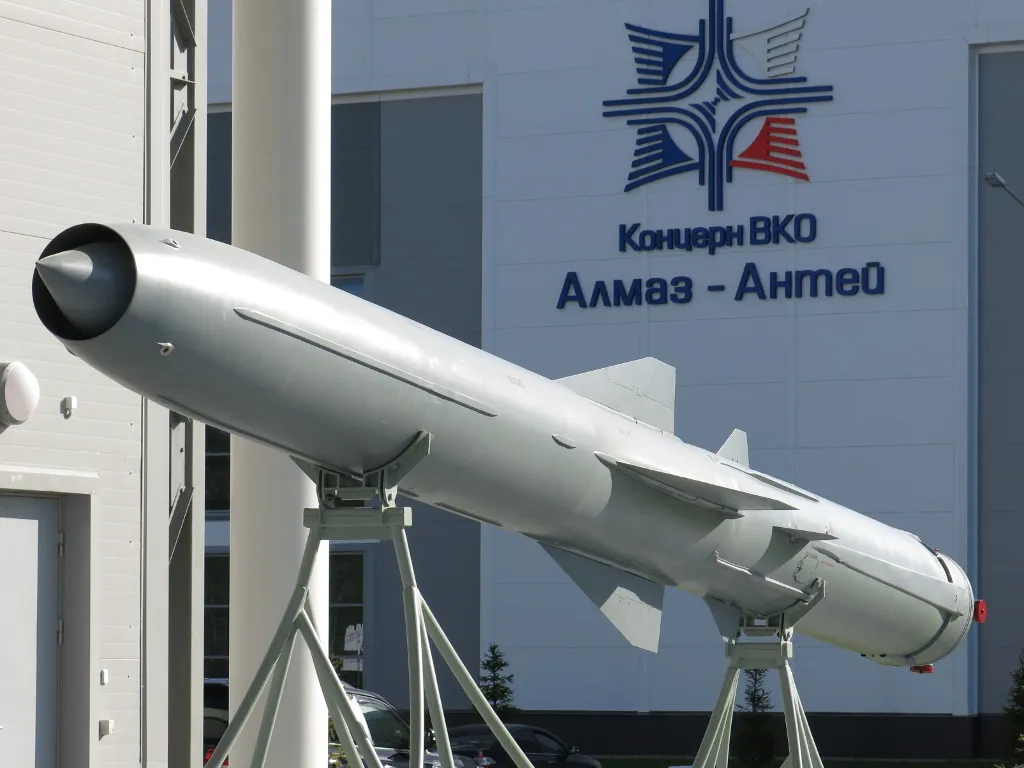
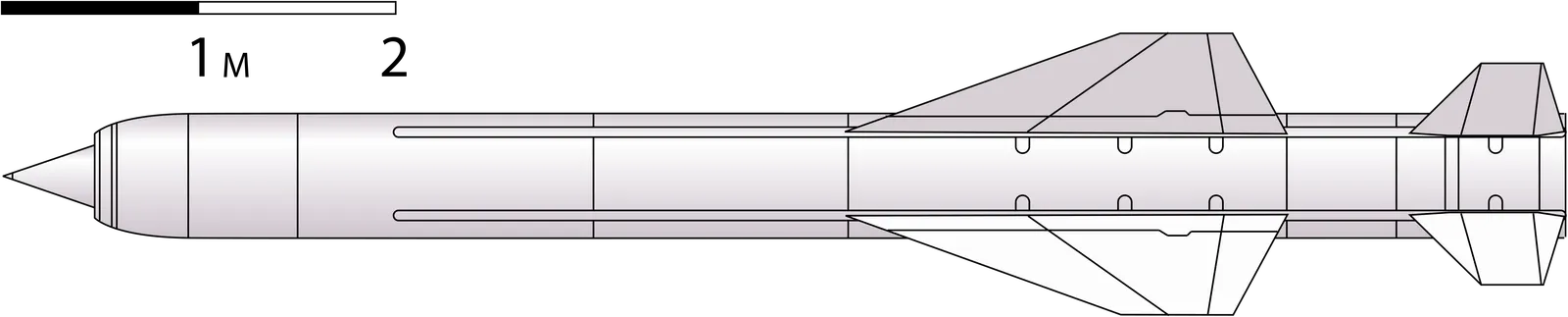
The P-800 Oniks is a Russian 3M55-family supersonic cruise missile developed by NPO Mashinostroyenia for anti-ship attack from ships, submarines, aircraft, and Bastion coastal launchers. Although designed for maritime strike, Russia has fired Bastion-launched Oniks missiles at land targets in Syria and southern Ukraine, giving the page both missile-family and conflict-use context.

Role in Conflicts

Side
Russia

Russian forces have used Bastion-launched P-800 Oniks missiles from occupied Crimea in strikes on Odesa, southern Ukraine, and Black Sea port infrastructure, with Ukrainian reporting identifying a July 2023 salvo of seven Oniks missiles from Crimea.

Role details
Profile / Specs

Profile

Origin
Soviet Union / Russia
Built in
Russia
Type
Supersonic anti-ship cruise missile
Service note
Entered Russian service in 2002; Bastion ground-launched service from 2015
Designer
NPO Mashinostroyenia
Designed
Development reported from the 1980s-1990s
Produced
1990s-present

Specifications

Class
Anti-ship cruise missile with land-attack use
Launch platforms
Ships, submarines, aircraft, Bastion-P and Bastion-S coastal launch systems
Range
About 300 km in standard profile; about 120 km in low-altitude profile
Speed
Up to about Mach 2.2-2.6 depending on profile and source
Launch weight
About 3,000 kg
Warhead
Single high-explosive or semi-armour-piercing warhead, about 200-250 kg in common reference data
Propulsion
Solid booster and kerosene-fueled ramjet sustainer
Guidance
Inertial navigation with active/passive seeker guidance in terminal phase
Variants

Open references group Oniks, Yakhont, and Yakhont-M designations inside the same 3M55/SS-N-26 missile family, but public detail varies by domestic, export, and upgrade context.

VariantConfigurationDesignation notes
YakhontExport-family designation

The Yakhont name is commonly associated with the export branch of the Oniks/SS-N-26 family and with Bastion coastal-launch reporting.

Sources: P-800 Oniks/Yakhont/Bastion (SS-N-26 Strobile)

Yakhont-MReported export-family variant

Missile-reference sources list Yakhont-M as a known family variant, but public technical distinctions are less consistently documented than the baseline Yakhont/Oniks split.

Sources: P-800 Oniks/Yakhont/Bastion (SS-N-26 Strobile)

Ship And Submarine Launch Platforms

The missile family is documented across coastal, surface-ship, and submarine launch contexts; these linked catalog records are public examples with direct source support for Oniks compatibility or carriage.

LauncherLauncher typeLaunch evidence
Project 21631 Buyan-M-class guided-missile corvette, Guided-missile corvette, Naval SystemsProject 21631 Buyan-M-class guided-missile corvetteGuided-missile corvette

Naval News describes Project 21631 Buyan-M corvettes as carrying UKSK cells for Kalibr or Oniks cruise missiles.

Sources: Buyan-M-class Corvette Graivoron Commissioned - Naval News

Project 20385 / Gremyashchiy-class corvette, Guided-missile corvette, Naval SystemsProject 20385 / Gremyashchiy-class corvetteGuided-missile corvette

Naval News reports that Project 20385's UKSK 3S14 launcher can use 3M55 Oniks anti-ship missiles.

Sources: Russia launches second Gremyashchy-class corvette - Naval News

Yasen / Yasen-M, Nuclear-powered cruise missile submarine, Naval SystemsYasen / Yasen-MNuclear-powered cruise missile submarine

USNI News reported that the lead Yasen-class submarine Severodvinsk carried Oniks cruise missiles among its main weapons.

Sources: Russian Navy Accepts First in New Class of Nuclear Attack Submarine - USNI News

Launcher Context

Oniks is more than a single launch configuration. Public sources tie the missile to Bastion coastal batteries, UKSK-equipped surface ships, Yasen-class submarines, and reported aircraft integration, but the conflict-use evidence in this record is strongest for Bastion-launched land-attack strikes.

Launch contextDocumented roleRecord caveat
Bastion coastal launchersRoad-mobile coastal-defense system used to fire Oniks/Yakhont missiles.Directly tied to both Syria and Ukraine conflict-use rows.
UKSK-equipped surface shipsVertical-launch compatibility on selected Russian corvette classes.Linked platform records support compatibility, not a separate conflict-use claim for Oniks from those ships.
Yasen / Yasen-M submarinesSubmarine carriage of Oniks alongside Kalibr-family cruise missiles.Open reporting supports carriage; this record does not claim Yasen combat launches.
Timeline

P-800 Oniks Key Events

  1. Russian service entry reported

    Missile-reference data commonly places the P-800 Oniks in Russian service from 2002 after development that began in the late Soviet period.

    Sources: P-800 Oniks/Yakhont/Bastion (SS-N-26 Strobile)

  2. Bastion-launched strikes in Syria

    Russian forces fired Yakhont/Oniks missiles from Bastion road-mobile launchers in Syria during a coordinated strike package against rebel groups.

    Sources: P-800 Oniks/Yakhont/Bastion (SS-N-26 Strobile), P-800 Oniks (SS-N-26 Strobile)

  3. Oniks salvo from Crimea

    Ukrainian reporting identified seven Oniks missiles fired from Bastion coastal systems in Crimea during overnight Russian attacks on southern Ukraine.

    Sources: Ukrainian Air Force explains challenges of destroying Russian Oniks missiles

Media
Related Weapon Systems
3M22 Tsirkon, Hypersonic anti-ship and land-attack missile, MunitionsMunitions3M22 TsirkonHypersonic anti-ship and land-attack missileThe 3M22 Tsirkon, also rendered Zircon, is a Russian hypersonic missile associated with the 3K22 shipborne missile complex and NATO reporting name SS-N-33. Open sources attribute design and production to Reutov-based NPO Mashinostroyenia within Tactical Missiles Corporation, with documented Project 22350 and Yasen-family launch reporting, broader 3S-14/UKSK compatibility claims, and thinner public reporting on Bastion coastal-launcher integration. Russia used the missile in strikes on Kyiv during the 2014 Russia-Ukraine War, with reporting expanding from fragment-based 2024 evidence to larger 2026 salvos, while its advertised speed, range, warhead, guidance, and even flight-profile details remain shaped by Russian claims, fragment analysis, and secondary estimates rather than fully transparent public test data.
P-270 Moskit, Supersonic anti-ship cruise missile, MunitionsMunitionsP-270 MoskitSupersonic anti-ship cruise missileThe P-270 Moskit, also known as 3M80/3M82 and SS-N-22 Sunburn, is a Soviet and Russian supersonic anti-ship cruise missile developed by MKB Raduga and produced at Progress plant in Arsenyev. The family is centered on shipboard strike from Sovremenny destroyers, Tarantul missile corvettes, and Project 1239 surface-effect corvettes, pairing inertial midcourse navigation with active/passive radar terminal homing and a low-altitude ramjet flight profile.
Kh-32, Supersonic air-launched anti-ship and land-attack cruise missile, ArtilleryArtilleryKh-32Supersonic air-launched anti-ship and land-attack cruise missileThe Kh-32 is a Russian supersonic air-launched cruise missile derived from the Kh-22 family for long-range attacks on ships and fixed ground targets. Built by the Raduga design bureau within Russia's Tactical Missiles Corporation network, it is carried by Tu-22M3-series bombers and combines a high-altitude flight profile, inertial navigation, and terminal radar homing. Russia has used the Kh-22/Kh-32 family against Ukraine, where its speed, steep terminal profile, and anti-ship design heritage make interception difficult and raise accuracy risks when fired at urban land targets.

Sources