Profile
- Type
- Supersonic air-launched anti-ship and land-attack cruise missile
- Conflict side
- Russia
- Origin
- Russia
- Service note
- Entered Russian service in the late 2010s and documented in the Russia-Ukraine War
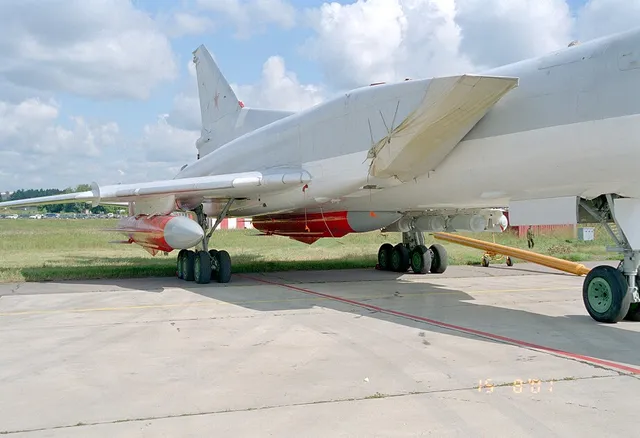
The Kh-32 is a Russian supersonic air-launched cruise missile derived from the Kh-22 family and built for long-range strikes against ships and fixed ground targets. Carried by Tu-22M3-series bombers, it combines high-altitude flight, inertial navigation, and terminal radar homing, making it part of Russia's long-range missile strike inventory used against Ukraine.
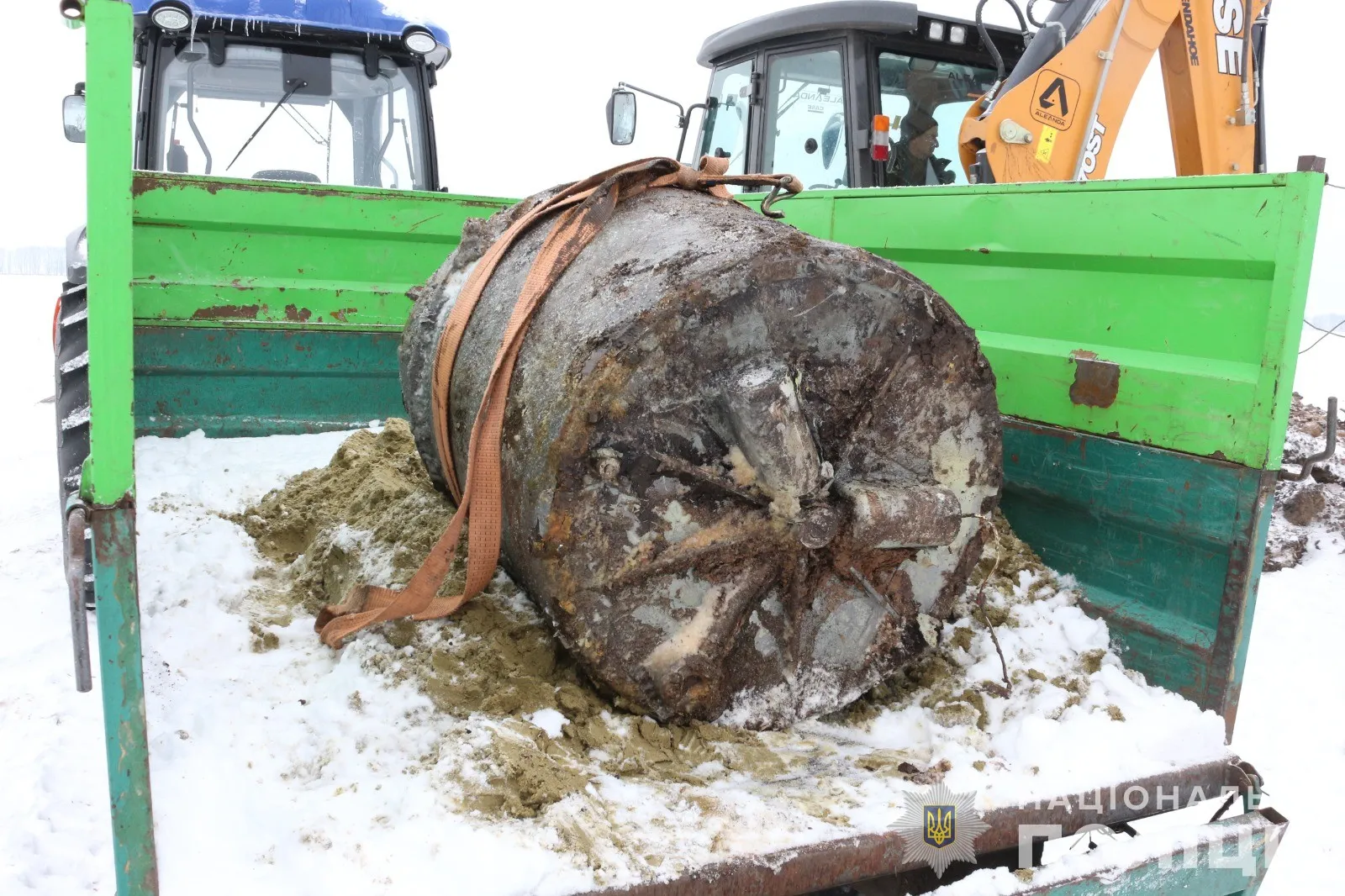
Russian forces have used Kh-32 and Kh-22/Kh-32 air-launched cruise missiles in strikes on Ukraine, including documented attacks launched by strategic aviation toward Kyiv and a recovered Kh-32 warhead in Sumy Oblast.
Kh-22Air-launched supersonic anti-ship cruise missileThe Kh-22, NATO reporting name AS-4 Kitchen, is a large Soviet-era air-launched cruise missile built for long-range attacks on carrier groups and other major targets. Designed by Raduga for bomber carriage, it combines a liquid-fuel rocket motor, supersonic speed, and a very large conventional or nuclear warhead. In the Russia-Ukraine War, Russia has repurposed the missile family for land-attack strikes, where its anti-ship guidance heritage and heavy payload make it especially destructive when used against urban targets.
KalibrSea-launched land-attack cruise missile familyKalibr is a Russian family of ship- and submarine-launched cruise missiles, including the 3M-14 land-attack variant known to NATO as SS-N-30A. Its long range, naval basing, and conventional or reported nuclear payload options make it a central Russian Navy strike weapon, and Russian forces have repeatedly used Kalibr missiles in the Russia-Ukraine War for deep strikes against Ukrainian targets.
Kh-101Air-launched cruise missileThe Kh-101 is a Russian conventional air-launched cruise missile in the Kh-101/Kh-102 family, designed for long-range standoff attacks from strategic bombers. Its low-altitude flight profile, turbofan propulsion, satellite/inertial navigation, and terminal guidance make it one of Russia's principal long-range strike weapons in the Russia-Ukraine War.
Kh-55/Kh-555Air-launched subsonic cruise missile familyThe Kh-55/Kh-555 family is a Soviet-designed, Raduga-built air-launched cruise missile line carried by Russian strategic bombers. The original Kh-55 was a nuclear-armed standoff weapon, while the Kh-555 is a conventional derivative with improved accuracy and a reported range up to about 3,500 km. In the Russia-Ukraine War, Russian Tu-95MS bombers have launched Kh-101/Kh-555/Kh-55 missiles as part of large mixed strike packages against Ukrainian infrastructure and other targets.
Kh-59Air-launched tactical cruise missileThe Kh-59 Ovod is a Soviet/Russian air-launched tactical cruise missile family developed by Raduga for standoff strikes from tactical aircraft. Later Kh-59M, Kh-59MK, Kh-59MK2, and Kh-59MKM variants added turbojet propulsion, larger warheads, anti-ship or land-attack guidance options, and longer range. Russia has used Kh-59-series guided air-launched missiles during the Russia-Ukraine War as part of mixed missile and drone attacks.
HarpoonCoastal and anti-ship cruise missile systemHarpoon is a U.S.-origin all-weather anti-ship cruise missile family built around active radar terminal homing and sea-skimming flight. In the Russia-Ukraine War, Ukraine received land-based Harpoon coastal defense systems and adapted truck-launched RGM-84 missiles to threaten Russian surface ships operating near the Black Sea coast.