- Side
- Soviet Union and Afghan government forces
- Role in conflict
- Long-range strike


The Backfire saw its first combat during the Soviet occupation of Afghanistan, especially in the war's final year.
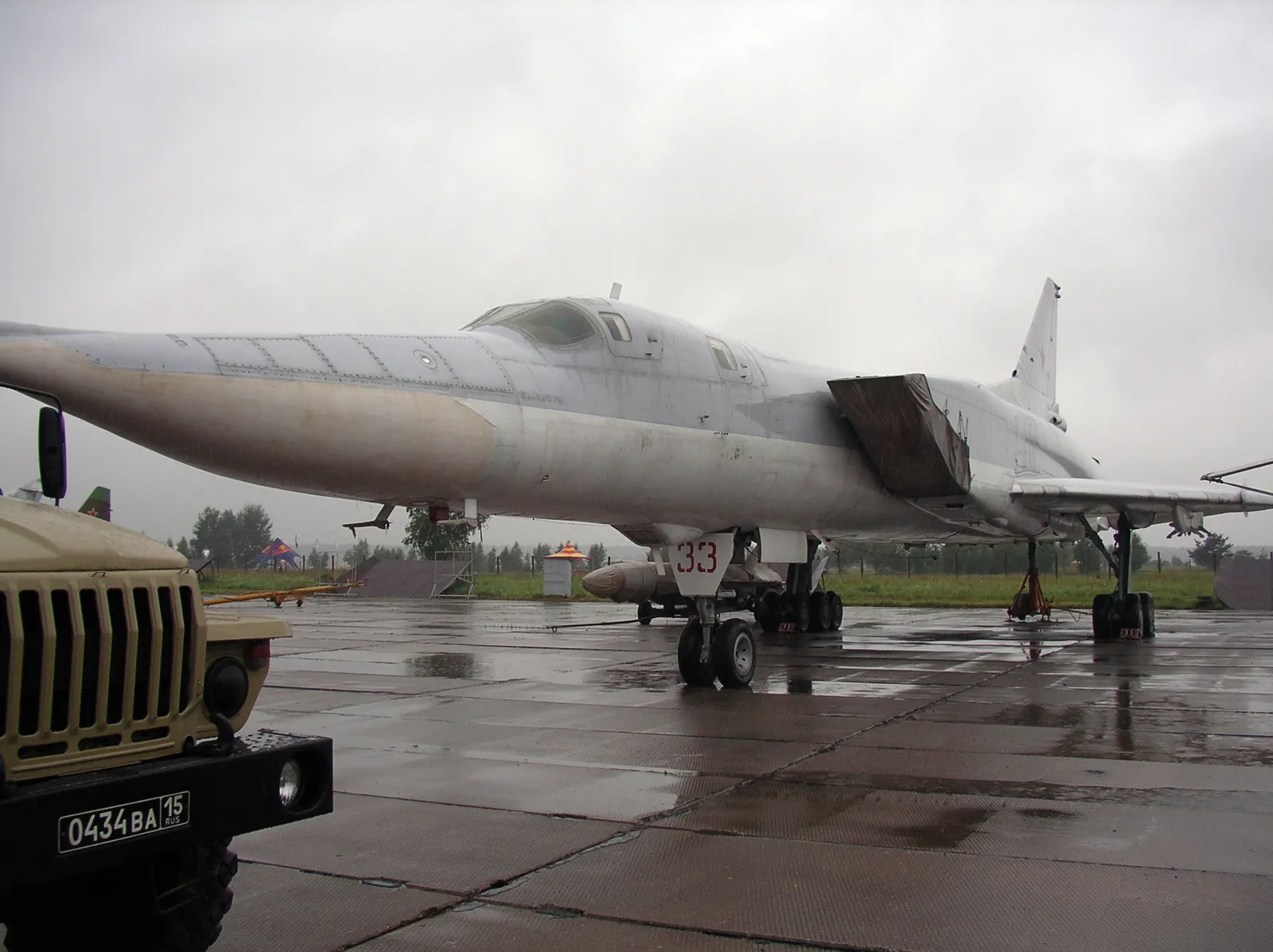
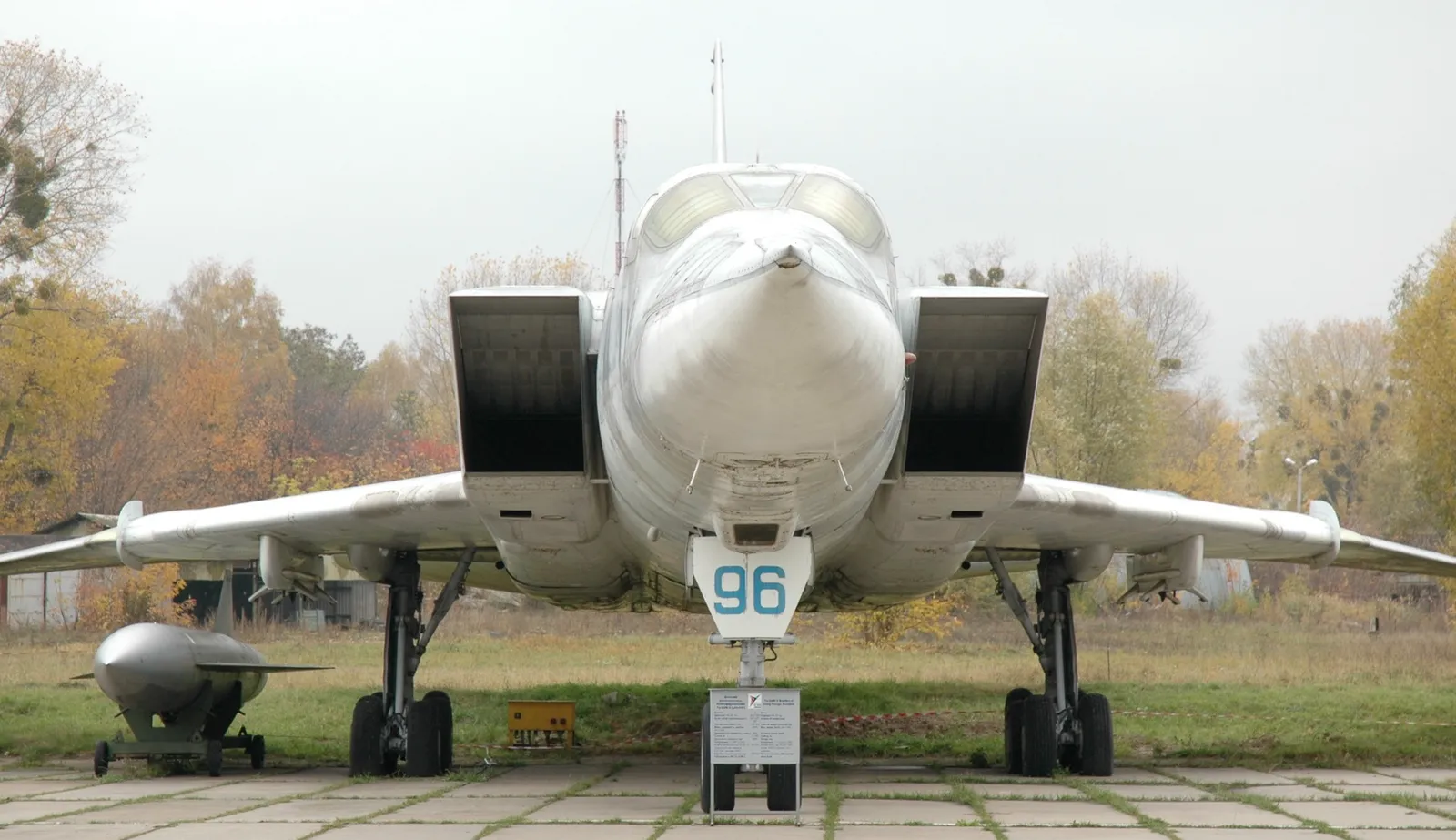
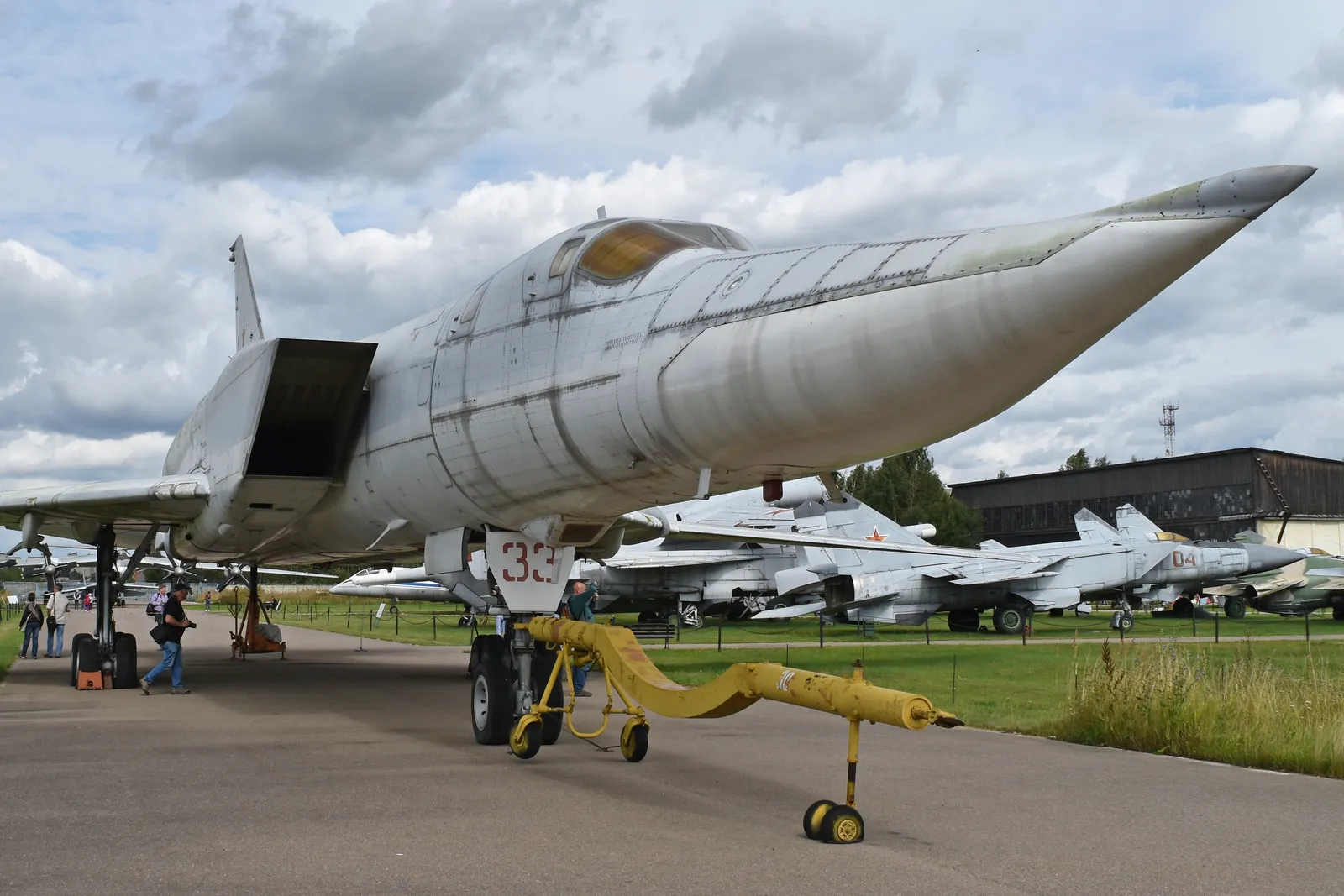
The Tupolev Tu-22M Backfire family is a variable-sweep, long-range supersonic bomber and missile carrier built for maritime strike and deep land attack. The Tu-22M3 Backfire-C is the principal operational version: UAC says it entered service in 1989, while Rosoboronexport and later reporting tie the type to Kh-22 and Kh-32 standoff missile carriage as well as large conventional bomb loads.
The Backfire saw its first combat during the Soviet occupation of Afghanistan, especially in the war's final year.
Russian Backfire bombers flew roughly 100 operational sorties against rebels in Chechnya during the mid-1990s.
A Tu-22M3R reconnaissance bomber was used over South Ossetia and shot down near Gori on August 9, 2008.
Russian forces have used Tu-22M3 long-range bombers during the full-scale invasion, including April 2022 attacks on Mariupol, Kh-22/Kh-32 missile launches against Ukrainian targets, and an April 2024 Tu-22M3 loss reported by Ukraine after a missile strike.
Role detailsRussian Tu-22M3 bombers flew long-range strike missions in Syria, including 2016 sorties from Iran's Hamadan air base and 2017 attacks on Islamic State targets in Deir ez-Zor Province.
Role detailsTu-22M names a Backfire family rather than one static configuration. The main public split runs from early Tu-22M0/M1 development aircraft through the Tu-22M2 Backfire-B, the Tu-22M3 Backfire-C, reconnaissance-configured Tu-22M3R aircraft, and the later Tu-22M3M modernization branch.
| Designation | Configuration | Sourced distinction |
|---|---|---|
| Tu-22M0 | Prototype batch | UAC places the first Tu-22M0 prototype flight in August 1969. |
| Tu-22M1 | Early development branch | GlobalSecurity separates Tu-22M1 from later Backfire production branches. |
| Tu-22M2 | Backfire-B production branch | GlobalSecurity identifies Tu-22M2 as the Backfire-B branch that preceded the Tu-22M3. |
| Tu-22M3 | Backfire-C missile carrier | UAC says the Tu-22M3 test prototype first flew on June 20, 1977 and entered service in March 1989. |
| Tu-22M3R | Reconnaissance configuration | The RAF Georgia study identifies the aircraft lost near Gori in 2008 as a Tu-22M3R reconnaissance bomber. |
| Tu-22M3M | Modernized Russian branch | The Diplomat reports the Tu-22M3M upgrade as a Kazan modernization tied to new avionics and Kh-32 carriage. |
Source labels: Tu-22M3 UAC; Tu-22M Backfire GlobalSecurity; RAF Georgia 2008; Russia's Upgraded Tu-22M3M Makes Maiden Flight.
Public references most clearly tie the Backfire's standoff-strike role to large air-launched missiles carried by Tu-22M3-series aircraft.
| Carried item | Item type | Carriage evidence |
|---|---|---|
 | Air-launched anti-ship and land-attack cruise missile | Rosoboronexport's Tu-22M3E catalogue entry lists carriage of up to three Kh-22E missiles, and Ukraine-war reporting identifies Tu-22M3 bombers as Kh-22 launch platforms. Sources: Rosoboronexport Aerospace Systems Catalogue 2003, Russian Offensive Campaign Assessment, April 19, 2024 |
 | Modernized Kh-22-family cruise missile | Tu-22M3M modernization reporting identifies the Kh-32 as a key missile for upgraded Backfire aircraft, while Ukrainian reporting groups later Tu-22M3 launches as Kh-22/Kh-32 salvos. Sources: Russia's Upgraded Tu-22M3M Makes Maiden Flight, Ukrainska Pravda Kh-22/Kh-32 Missile Totals |
Tu-22M3 sits between tactical strike aircraft and intercontinental strategic bombers: it can carry a large conventional payload, launch heavy standoff missiles, and operate as a maritime-strike aircraft against major surface targets.
| Role area | Sourced capability | Operational effect |
|---|---|---|
| Maritime strike | Rosoboronexport describes Tu-22M3E carriage of Kh-22E missiles against radar-contrast mobile and stationary targets. | The aircraft can attack ships or large fixed targets without relying only on free-fall bombs. |
| Deep land attack | UAC lists a 2,200 km strike radius from base airfields with guided missiles or aerial bombs. | Backfire missions can reach beyond the immediate front line when airspace and basing permit. |
| Massed bombing | UAC and Deagel list a 24,000 kg payload for the Tu-22M3. | The aircraft can deliver heavy conventional bomb loads, which explains its use in theater-level bombing missions as well as missile strikes. |
| Modernization branch | The Diplomat ties the Tu-22M3M upgrade to new avionics and Kh-32 missile carriage. | The upgraded branch keeps the same aircraft family relevant for Russia's later long-range strike force. |
Source labels: Tu-22M3 UAC; Tu-22M3; Rosoboronexport Aerospace Systems Catalogue 2003; Russia's Upgraded Tu-22M3M Makes Maiden Flight.
Tupolev says the first Tu-22M3 test prototype completed its maiden flight on June 20, 1977.
Sources: Tu-22M3 UAC
The finalized Tu-22M3 entered Soviet service in March 1989.
Sources: Tu-22M3 UAC
The RAF's Russian-Georgian conflict study says a Tu-22M3R reconnaissance bomber was shot down near Gori on August 9, 2008.
Sources: RAF Georgia 2008
The Guardian reported Russian Tu-22M3 warplanes flying from Iran's Hamadan air base to strike targets in Syria.
Sources: Russia uses Iranian airbase for first time in Syria campaign
The first upgraded Tu-22M3M made its maiden flight at Kazan, with reporting tying the modernization to the Kh-32 missile and new avionics.
Sources: Russia's Upgraded Tu-22M3M Makes Maiden Flight
ISW reported Russian Tu-22M3 bombers being used as Kh-22 launch platforms against Ukrainian targets, and The Kyiv Independent relayed Ukrainian Air Force reporting that Ukraine downed a Tu-22M3 for the first time after a Russian missile attack.
Sources: Russian Offensive Campaign Assessment, April 19, 2024, Air Force: Ukraine downs Russian Tu-22M3 bomber for first time