Aircraft & UAVs

Tupolev Tu-141 Strizh

Also known as
  • Tu-141
  • Tu-141 Strizh
  • Tupolev Tu-141
  • Tupolev Tu-141 Strizh
  • VR-2 Strizh
  • BP-2 Strizh
  • Stryzh
  • Swift
  • M-141

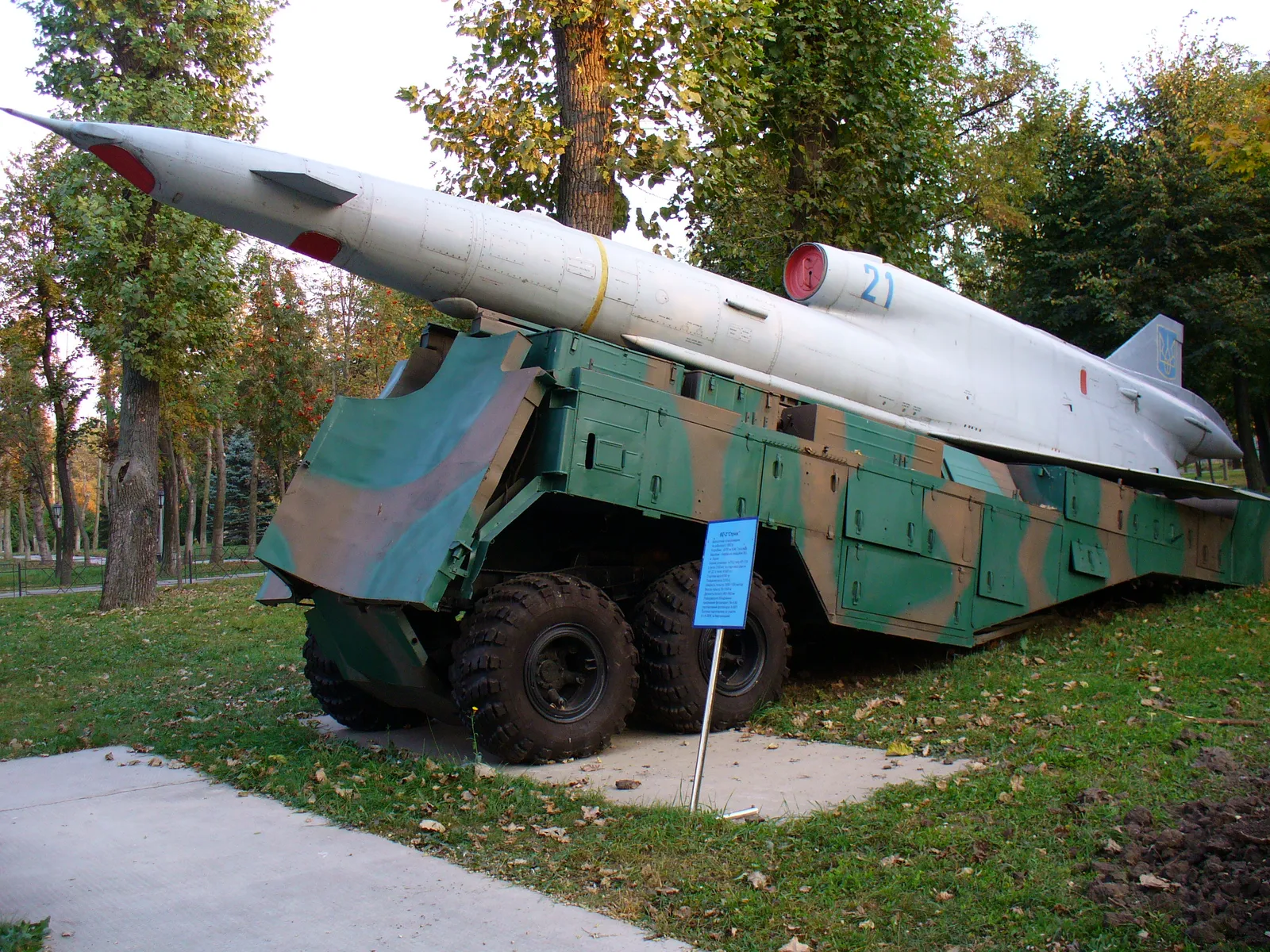
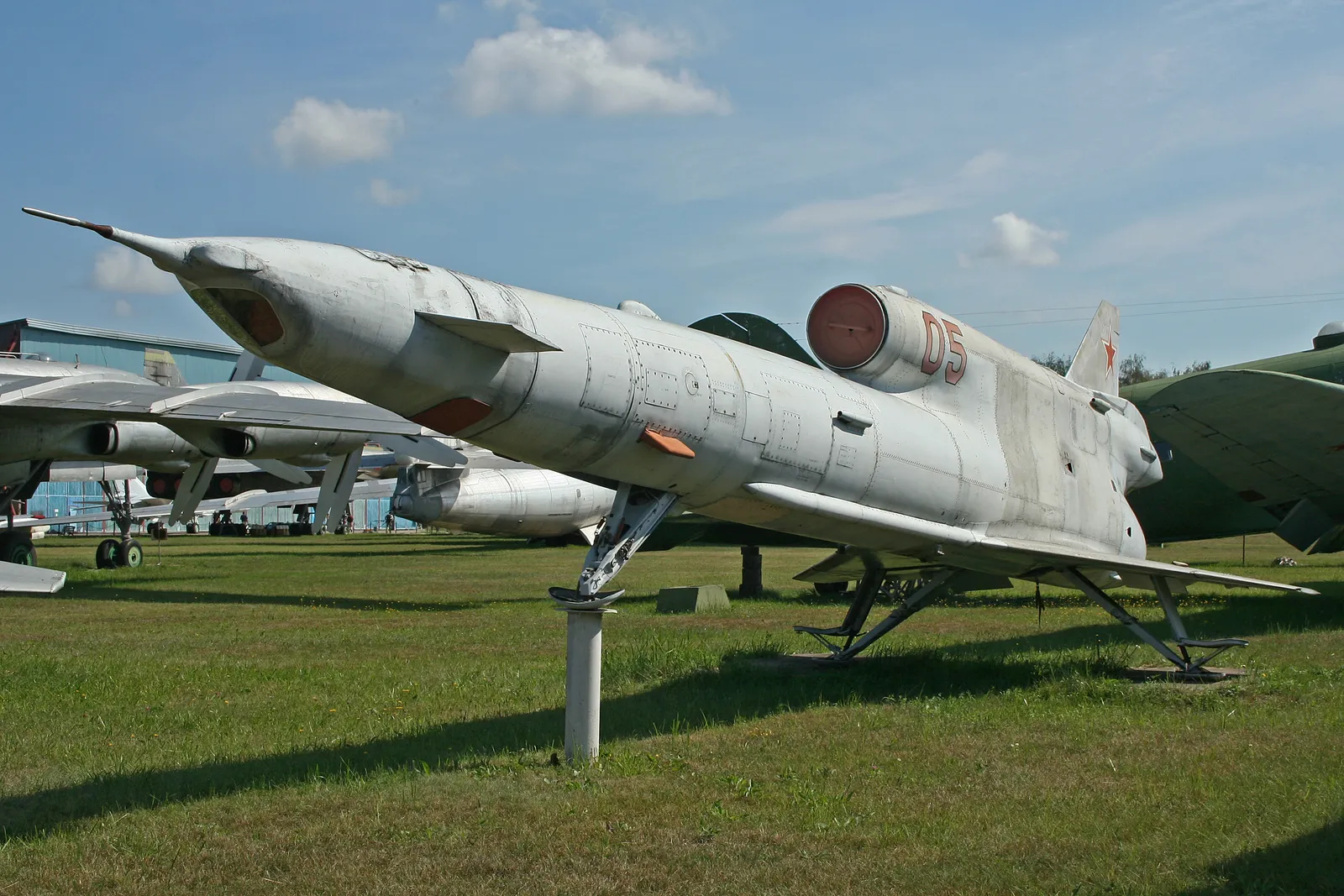
The Tupolev Tu-141 Strizh is a Soviet jet-powered reconnaissance UAV built for high-speed, reusable missions hundreds of kilometers beyond the front line. Designed by Tupolev and produced at Kharkiv during 1979-1989, it reappeared in Ukrainian service after 2014 and became notable after the 2022 escalation for reported long-range strike adaptations against Russian targets.

Role in Conflicts

Ukraine restored Tu-141 drones after Russia's 2014 seizure of Crimea and later conflict reporting tied Ukrainian Strizh drones to long-range incidents and strike attempts, including the March 2022 Zagreb crash, December 2022 Russian airbase strikes identified by Politico as modified Tu-141 operations, and a March 2023 Russian claim that a Ukrainian Tu-141 was downed near Kireyevsk.

Role details
Profile / Specs

Profile

Origin
Soviet Union
Built by
Tupolev
Type
Reusable operational-tactical reconnaissance UAV
Service note
Cold War reconnaissance UAV returned to Ukrainian wartime service after 2014
Designer
Tupolev Design Bureau
Designed
Late 1960s to 1974
Produced
1979-1989
Number built
152 including prototypes
Developed from
Tupolev Tu-123
Developed into
Tupolev Tu-143 / Tu-243 Reis-D lineage

Specifications

Crew
Uncrewed
Role
Operational-tactical reconnaissance UAV; later adapted in Ukrainian service for long-range one-way strike missions
Length
14.33 m
Wingspan
3.875 m
Height
2.435 m
Wing area
10.0 sq m
Launch weight
5,370 kg
Engine
One KR-17A turbojet; early installation-batch aircraft used the R9A-300 engine
Maximum speed
1,110 km/h
Range
About 1,000 km
Service ceiling
6,000 m
Minimum flight altitude
50 m
Launch and recovery
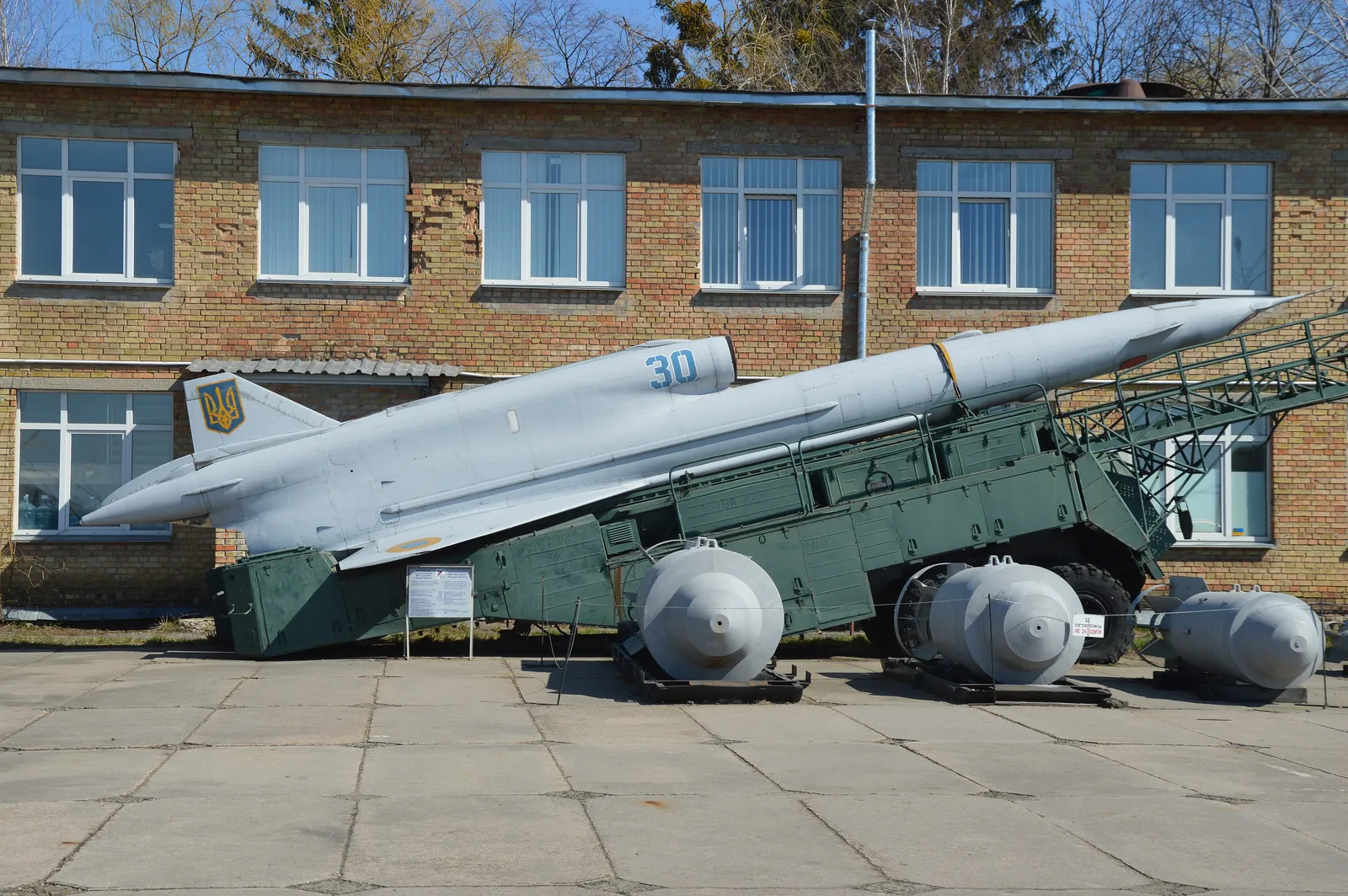
Trailer/rail launch with booster assistance; parachute recovery in the original reconnaissance configuration
Reconnaissance payloads
Film/photo cameras, infrared reconnaissance equipment, and other sensor payloads reported for the VR-2 Strizh complex
Reconnaissance Air Vehicle Layout

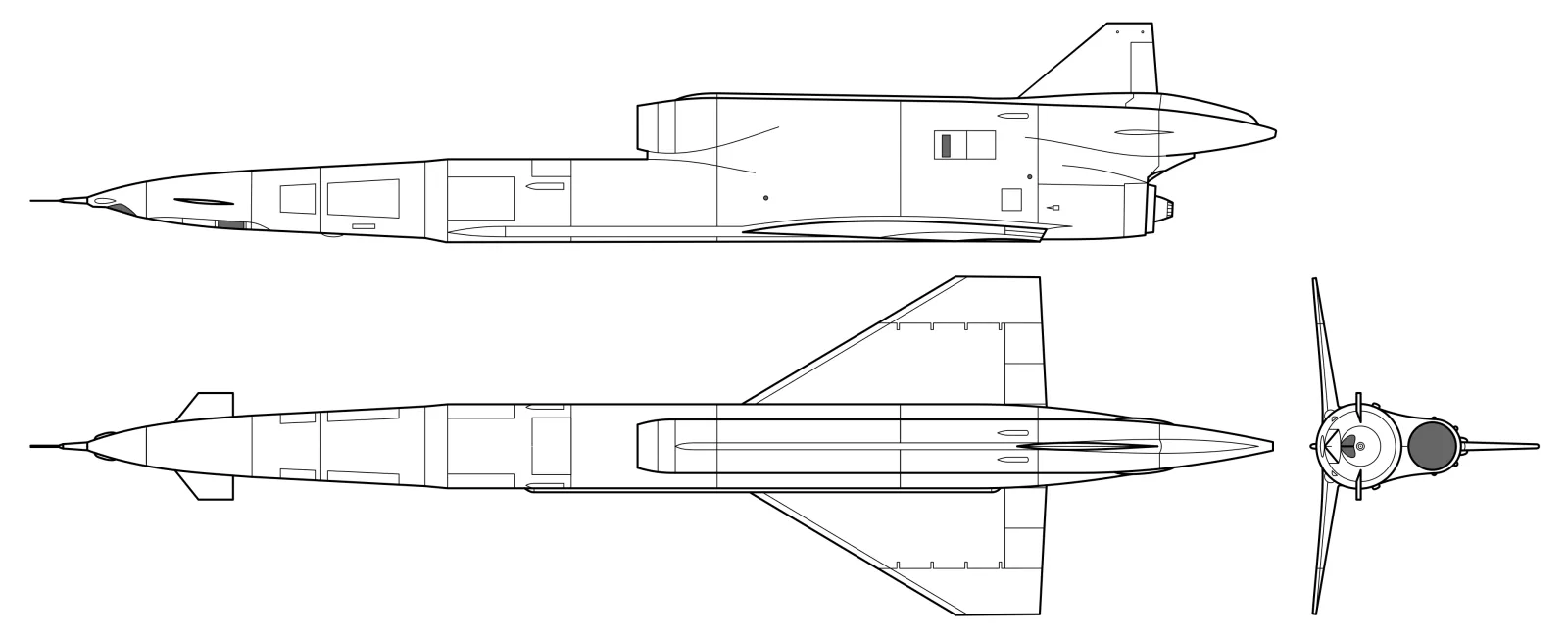
The Tu-141 was built as a reusable reconnaissance aircraft rather than as a small tactical quadcopter or a modern loitering munition. Its size, jet engine, and preplanned flight profile explain why later reporting treated modified examples as crude long-range strike drones.

Airframe

Delta wing, forward canards, dorsal intake, and a rear-mounted KR-17A turbojet.

GlobalSecurity describes the Tu-141 as an enlarged relative of the Tu-143 layout.

Original mission

Photo, infrared, and other reconnaissance payloads for missions hundreds of kilometers beyond the line of contact.

The VR-2 Strizh complex was intended for operational-tactical reconnaissance.

Recovery

Trailer launch with booster assistance and parachute recovery for reuse after a mission.

Later strike adaptations reportedly removed or changed some reconnaissance and recovery equipment.

Source labels: TU-141 VR-2 Strizh; How Ukraine Used Tu-141 Strizh.
Variants

The catalog treats Strizh as the Tu-141/VR-2 operational reconnaissance complex rather than splitting launcher, air vehicle, and target-drone concepts into separate pages.

VariantConfigurationDesignation notes
Tu-141 / VR-2 StrizhOperational-tactical reconnaissance UAV complex

GlobalSecurity describes VR-2 Strizh as the longer-range operational-tactical reconnaissance complex, with the Tu-141 air vehicle intended for missions several hundred kilometers from the front line.

Sources: TU-141 VR-2 Strizh

Target-drone conceptUnbuilt derivative

Open references note that a target-aircraft derivative was considered from the Tu-141 base, but not fielded as a built variant.

Sources: TU-141 VR-2 Strizh, Tupolev Tu-141 Strizh Military Factory

Timeline

Tupolev Tu-141 Strizh Key Events

  1. First flight

    GlobalSecurity dates the Tu-141's first flight to December 1974 after Tupolev development work that began in the late 1960s.

    Sources: TU-141 VR-2 Strizh

  2. Serial production and service entry

    The Tu-141 entered Soviet service and serial production in 1979; production continued at Kharkiv through 1989.

    Sources: TU-141 VR-2 Strizh, How Ukraine Used Tu-141 Strizh

  3. Ukrainian restoration reported

    War Is Boring reported that Ukraine was restoring mothballed aircraft after Russia's seizure of Crimea, including a Soviet-era Tu-141 shown in Ukrainian defense-ministry photographs.

    Sources: Ukraine Resurrects Soviet-Era Super Drones

  4. Tu-141 crash in Zagreb

    A large Soviet-made pilotless aircraft crashed in Zagreb after flying from the Ukrainian war zone; AP reported that Croatian investigators identified the aircraft as a Soviet-era Tu-141 while noting disputed attribution.

    Sources: Official: Drone that crashed in Croatia carried a bomb

  5. Russian bomber-base strike reports

    Politico reported that Ukraine used modified Soviet-era Tu-141 surveillance aircraft in the December 2022 strikes on Russian bases, and Defense Express later identified the Strizh as Ukraine's early platform for bomber-base strike attempts.

    Sources: Ukraine used home-modified drones to strike Russian bases, How Ukraine Used Tu-141 Strizh

  6. Kireyevsk downing claim

    RFE/RL, citing Reuters, reported Russia's statement that a Ukrainian Tu-141 Strizh drone was involved in a Tula-region attack near Kireyevsk that injured three people.

    Sources: Russia Claims Ukrainian Drone Downed In Tula Region

Media
Related Weapon Systems
Tupolev Tu-143 Reys, Reusable tactical reconnaissance UAV, Aircraft & UAVsAircraft & UAVsTupolev Tu-143 ReysReusable tactical reconnaissance UAVThe Tupolev Tu-143 Reys is the air vehicle of the Soviet VR-3 Reis tactical reconnaissance complex, a jet-powered reusable UAV developed by Tupolev for low-altitude front-line reconnaissance. Produced in large numbers during 1973-1989, it used truck launch, booster assistance, parachute recovery, and interchangeable reconnaissance payloads; wartime reporting has documented Ukrainian Tu-143 examples in the Russia-Ukraine war and a Hezbollah DR-3 cruise-missile adaptation tied to the same airframe family.
Tu-95, Strategic turboprop bomber and cruise-missile carrier, Aircraft & UAVsAircraft & UAVsTu-95Strategic turboprop bomber and cruise-missile carrierThe Tupolev Tu-95 is a Soviet-designed four-engine turboprop strategic bomber family whose Tu-95MS and Tu-95MSM missile-carrier variants remain part of Russia's long-range aviation force. UAC traces the Bear's role from early nuclear missile carriage to the Tu-95MS cruise-missile carrier, while FAS and conflict reporting document its continuing use for standoff Kh-55/Kh-555 and Kh-101/Kh-102 strike missions in Syria and Ukraine.
UJ-22 Airborne, Multi-purpose fixed-wing unmanned aircraft system, Aircraft & UAVsAircraft & UAVsUJ-22 AirborneMulti-purpose fixed-wing unmanned aircraft systemThe UJ-22 Airborne is a Ukrainian UkrJet fixed-wing unmanned aircraft system that bridges reconnaissance, payload carriage, and long-range strike adaptation. Manufacturer material describes a reusable UAS with interchangeable payloads, a ground-control station, tracking antenna, autonomous flight planning, and a 20 kg payload limit; wartime reporting links identified UJ-22 airframes to Ukrainian deep-strike attempts and Russian claims of air-defense engagements during the 2014 Russia-Ukraine War.
Forpost, Reconnaissance and strike unmanned aerial vehicle, Aircraft & UAVsAircraft & UAVsForpostReconnaissance and strike unmanned aerial vehicleForpost is Russia's license-built and later indigenized derivative of the Israeli IAI Searcher II UAV, used for reconnaissance, target acquisition, artillery-fire adjustment, and in Forpost-R form armed strike missions. Russian forces have used Forpost-family aircraft in Ukraine since the 2014 phase of the war and later employed the Forpost-R as a higher-value reusable UAV for surveillance and precision attack rather than as an expendable one-way drone.
Bayraktar TB2, Medium-altitude long-endurance UAV, Aircraft & UAVsAircraft & UAVsBayraktar TB2Medium-altitude long-endurance UAVThe Bayraktar TB2 is a Turkish MALE armed UAV built by Baykar for intelligence, surveillance, reconnaissance, and precision strike missions. Developed from 2012 and delivered to Turkish inventory in 2014, Baykar reports more than 1.25 million operational flight hours, and the aircraft became one of the most visible armed drones of the 2020s through documented use in Ukraine, Libya, Nagorno-Karabakh, the Sahel, Sudan, Somalia, and other conflicts.

Sources