Aircraft & UAVs

Tu-95

Also known as
  • Tupolev Tu-95
  • Tupolev Tu-95MS
  • Tu-95MC
  • Tu-95MSM
  • Bear
  • Bear-H
  • NATO reporting name Bear

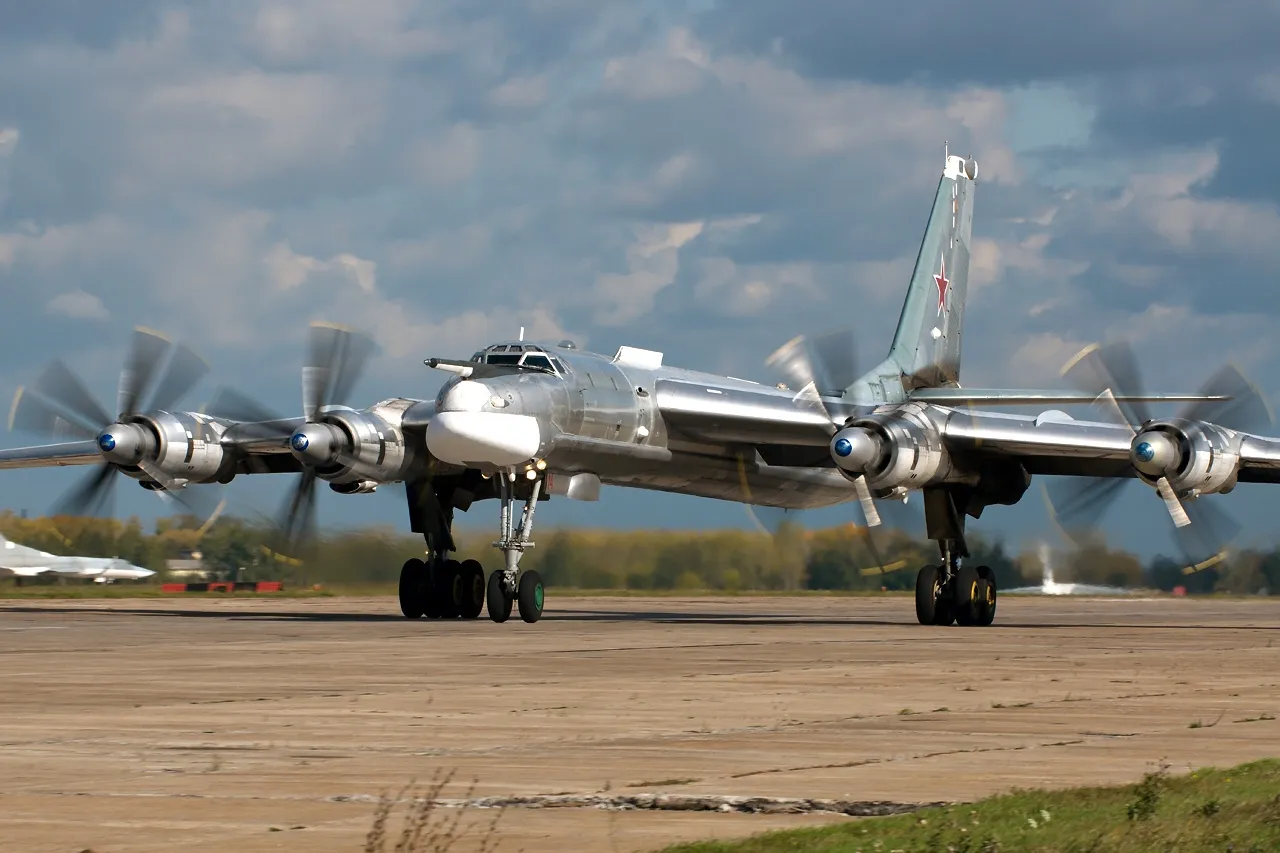
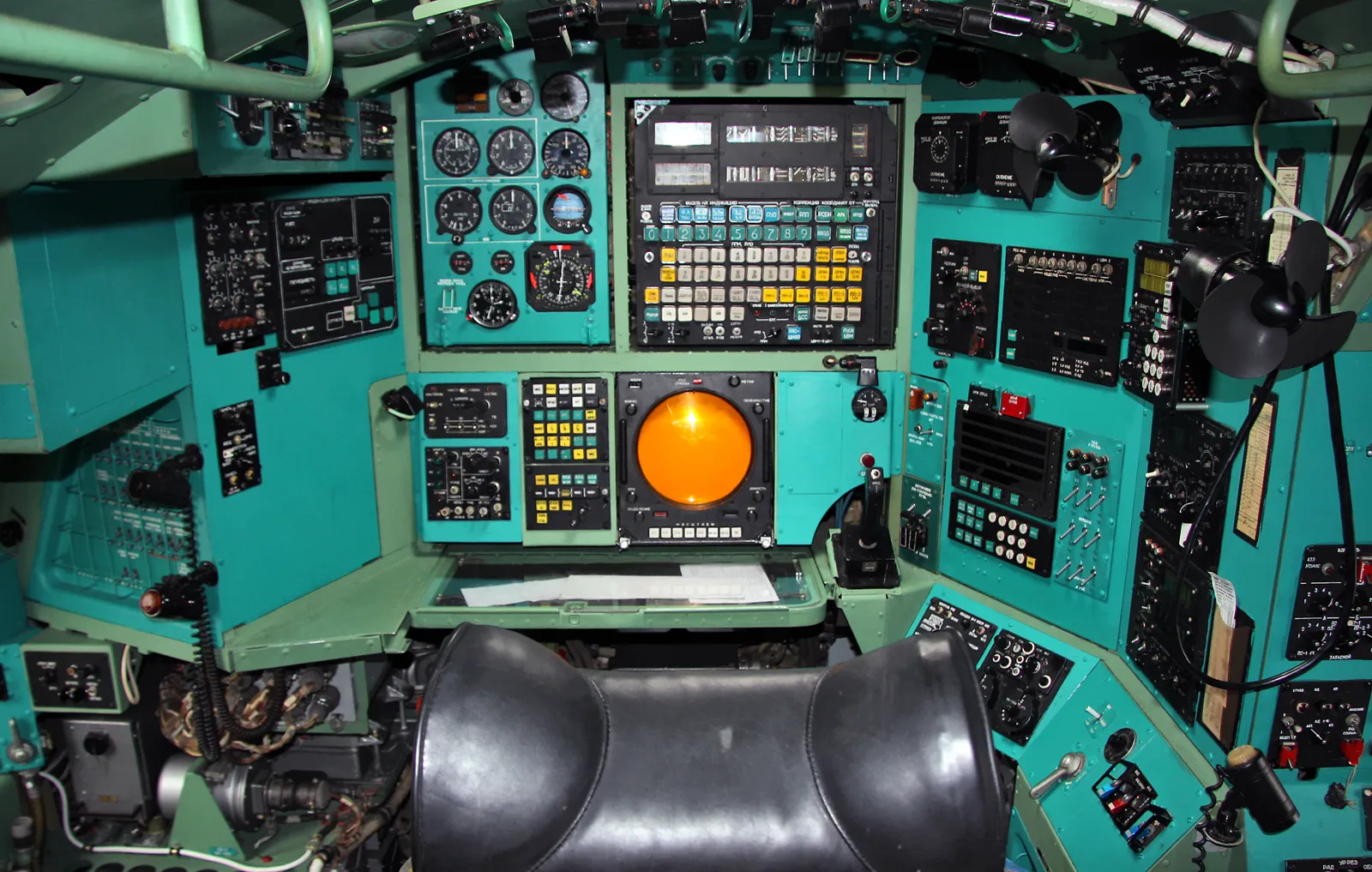
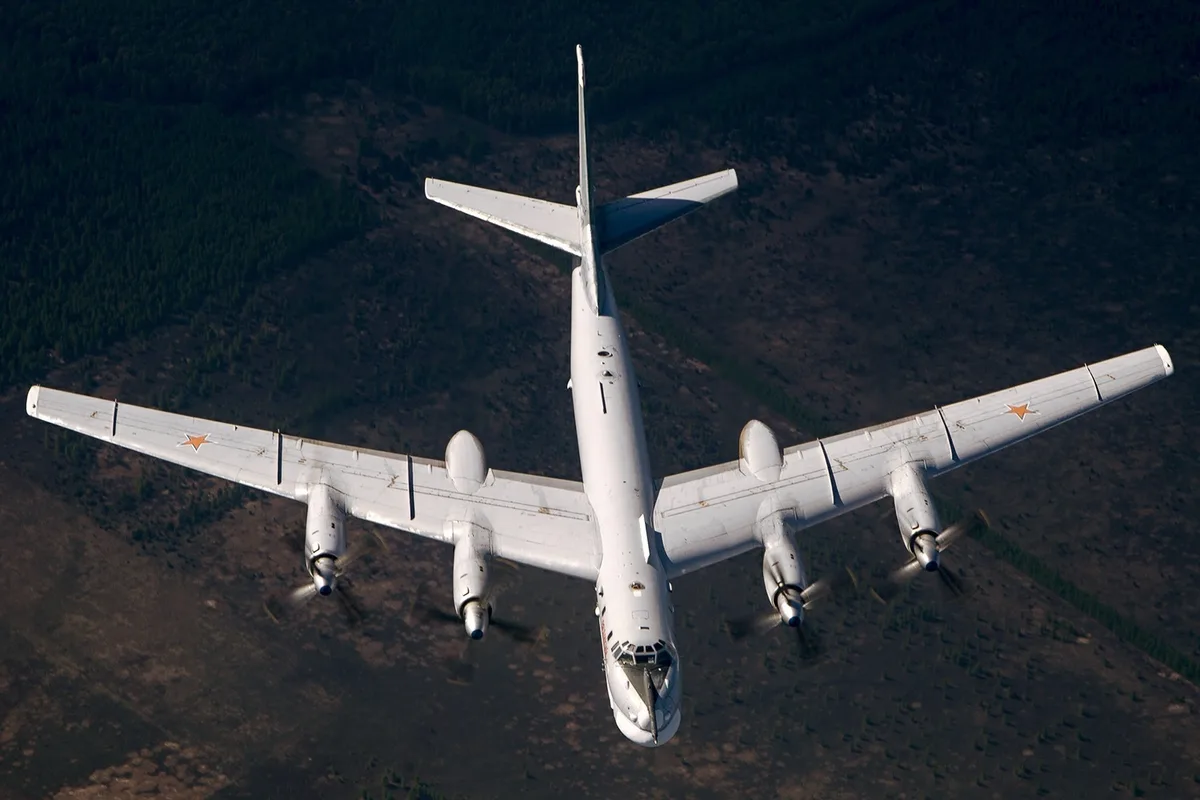
The Tupolev Tu-95 is a Soviet-designed four-engine turboprop strategic bomber family whose Tu-95MS and Tu-95MSM missile-carrier variants remain part of Russia's long-range aviation force. UAC traces the Bear's role from early nuclear missile carriage to the Tu-95MS cruise-missile carrier, while FAS and conflict reporting document its continuing use for standoff Kh-55/Kh-555 and Kh-101/Kh-102 strike missions in Syria and Ukraine.

Role in Conflicts

Side
Russia

Russian Tu-95MS bombers are documented launching Kh-101 and Kh-555/Kh-55 air-launched cruise missiles against Ukraine. CSIS also describes Tu-95MS aircraft at Olenya as a launch force for long-range missile strikes on Ukrainian cities, and FAS/AP imagery assessments report Tu-95 losses in Ukraine's June 2025 Operation Spiderweb attacks on Russian air bases.

Role details
Profile / Specs

Profile

Origin
Soviet Union
Built by
Tupolev
Type
Strategic turboprop bomber and cruise-missile carrier
Service note
Cold War design, Tu-95MS and Tu-95MSM modernization in Russian service
Designer
Tupolev Design Bureau
Designed
Early 1950s
Produced
1955-1992; Tu-95MS production from 1981
Number built
More than 500 Tu-95-family aircraft

Specifications

Crew
7
Engines
Four Kuznetsov NK-12 turboprops with counter-rotating propellers
Maximum speed
830 km/h
Range
10,500 km
Combat payload
20,800 kg
Missile carriage
Tu-95MS variants carry Kh-55/Kh-555 and Kh-101/Kh-102 air-launched cruise missiles depending on configuration
Legacy missile capacity
Tu-95MS6: up to 6 internal missiles; Tu-95MS16: up to 16 missiles before external hardpoint changes
Modernization focus
Tu-95MSM restores external hardpoints for AS-23B/Kh-102 carriage while retaining internal AS-15/Kh-55 capacity
Variants

The public page covers the broader Tu-95 Bear family, with emphasis on the missile-carrier Tu-95MS/MSM aircraft still relevant to recent conflict use.

VariantConfigurationDesignation notes
Tu-95MSBear-H cruise-missile carrier

UAC says Tu-95MC/Tu-95MS production began in 1981 as a long-range cruise-missile carrier, and FAS distinguishes legacy Tu-95MS6 and Tu-95MS16 missile-capacity variants.

Sources: Tu-95MS, Russian nuclear weapons, 2026

Tu-142Maritime patrol and anti-submarine derivative

UAC describes the Tu-142 long-range anti-submarine aircraft as a deep modernization of the Tu-95RTs/Tu-95RC line and notes the Tu-95MS missile carrier later grew from Tu-142M work.

Sources: Tu-95MS

Carried Munitions

The Tu-95MS and Tu-95MSM are documented as carrier aircraft for Russian long-range air-launched cruise missiles.

Carried itemItem typeCarriage evidence
Kh-101, Air-launched cruise missile, ArtilleryKh-101Air-launched cruise missile

CSIS lists the Kh-101/Kh-102 family as carried by Tu-95MS16 Bear-H bombers, while FAS describes modernized Tu-95MSM carriage of AS-23B/Kh-102 missiles on restored external hardpoints.

Sources: Kh-101 / Kh-102, Russian nuclear weapons, 2026

Kh-55/Kh-555, Air-launched subsonic cruise missile family, MunitionsKh-55/Kh-555Air-launched cruise missile family

CSIS identifies Tu-95MS6 and Tu-95MS16 aircraft as carrier variants for Kh-55 and Kh-555 missiles, and FAS describes the Tu-95MS as a Kh-55/AS-15 carrier.

Sources: Kh-55 (AS-15), Russian nuclear weapons, 2026

Timeline

Tu-95 Key Events

  1. First Tu-95 flight

    UAC dates the first Tu-95 flight to November 12, 1952, with Tupolev test pilot A. Perelet at the controls.

    Sources: Tu-95MS

  2. Accepted into long-range aviation service

    UAC says the Tu-95 entered service with Soviet long-range aviation in September 1957 after production began at Kuibyshev in 1955.

    Sources: Tu-95MS

  3. Tu-95MS production begins

    The Tu-95MS missile-carrier version entered serial production in 1981, giving the Bear family a long-range air-launched cruise-missile role.

    Sources: Tu-95MS

  4. Strategic bomber strikes in Syria

    Russian Strategic Nuclear Forces reported Tu-95MS and Tu-160 participation in Russia's Syria strikes, including Tu-95MS aircraft based at Engels.

    Sources: Tu-95MS and Tu-160 strategic bombers used in Syria strikes

  5. Ukraine-war cruise-missile launches

    IISS and FAS document Russian use of air-launched cruise missiles, including Kh-101 and Kh-55-family weapons, from Tu-95MS bombers during the full-scale war in Ukraine.

    Sources: Russia's War in Ukraine: Ballistic and Cruise Trajectories, Russian nuclear weapons, 2026

  6. Operation Spiderweb targets Tu-95 fleet

    Ukraine's Operation Spiderweb struck Russian bomber bases; FAS assessed seven Tu-95 bombers destroyed and one reportedly damaged, and AP satellite reporting showed at least three Tu-95s destroyed at Belaya Air Base.

    Sources: Russian nuclear weapons, 2026, Satellite images show Russian bombers destroyed in Ukraine attack

Media
Related Weapon Systems
Tupolev Tu-143 Reys, Reusable tactical reconnaissance UAV, Aircraft & UAVsAircraft & UAVsTupolev Tu-143 ReysReusable tactical reconnaissance UAVThe Tupolev Tu-143 Reys is the air vehicle of the Soviet VR-3 Reis tactical reconnaissance complex, a jet-powered reusable UAV developed by Tupolev for low-altitude front-line reconnaissance. Produced in large numbers during 1973-1989, it used truck launch, booster assistance, parachute recovery, and interchangeable reconnaissance payloads; wartime reporting has documented Ukrainian Tu-143 examples in the Russia-Ukraine war and a Hezbollah DR-3 cruise-missile adaptation tied to the same airframe family.
Kh-32, Supersonic air-launched anti-ship and land-attack cruise missile, ArtilleryArtilleryKh-32Supersonic air-launched anti-ship and land-attack cruise missileThe Kh-32 is a Russian supersonic air-launched cruise missile derived from the Kh-22 family for long-range attacks on ships and fixed ground targets. Built by the Raduga design bureau within Russia's Tactical Missiles Corporation network, it is carried by Tu-22M3-series bombers and combines a high-altitude flight profile, inertial navigation, and terminal radar homing. Russia has used the Kh-22/Kh-32 family against Ukraine, where its speed, steep terminal profile, and anti-ship design heritage make interception difficult and raise accuracy risks when fired at urban land targets.
Kh-22, Air-launched supersonic anti-ship cruise missile, MunitionsMunitionsKh-22Air-launched supersonic anti-ship cruise missileThe Kh-22, NATO reporting name AS-4 Kitchen, is a large Soviet air-launched cruise missile designed by Raduga for attacks on carrier groups, radar-contrast surface targets, and major fixed targets. Its liquid-propellant rocket motor, supersonic flight profile, and roughly one-ton conventional or nuclear warhead made it a heavy standoff weapon for Tu-22, Tu-22M, and modified Tu-95K-22 bomber variants. Russia has repurposed Kh-22-family missiles for land attack in the 2014 Russia-Ukraine War, where the missile's naval-targeting heritage, large warhead, and high terminal speed have produced severe urban-strike risks and a difficult air-defense problem.

Sources