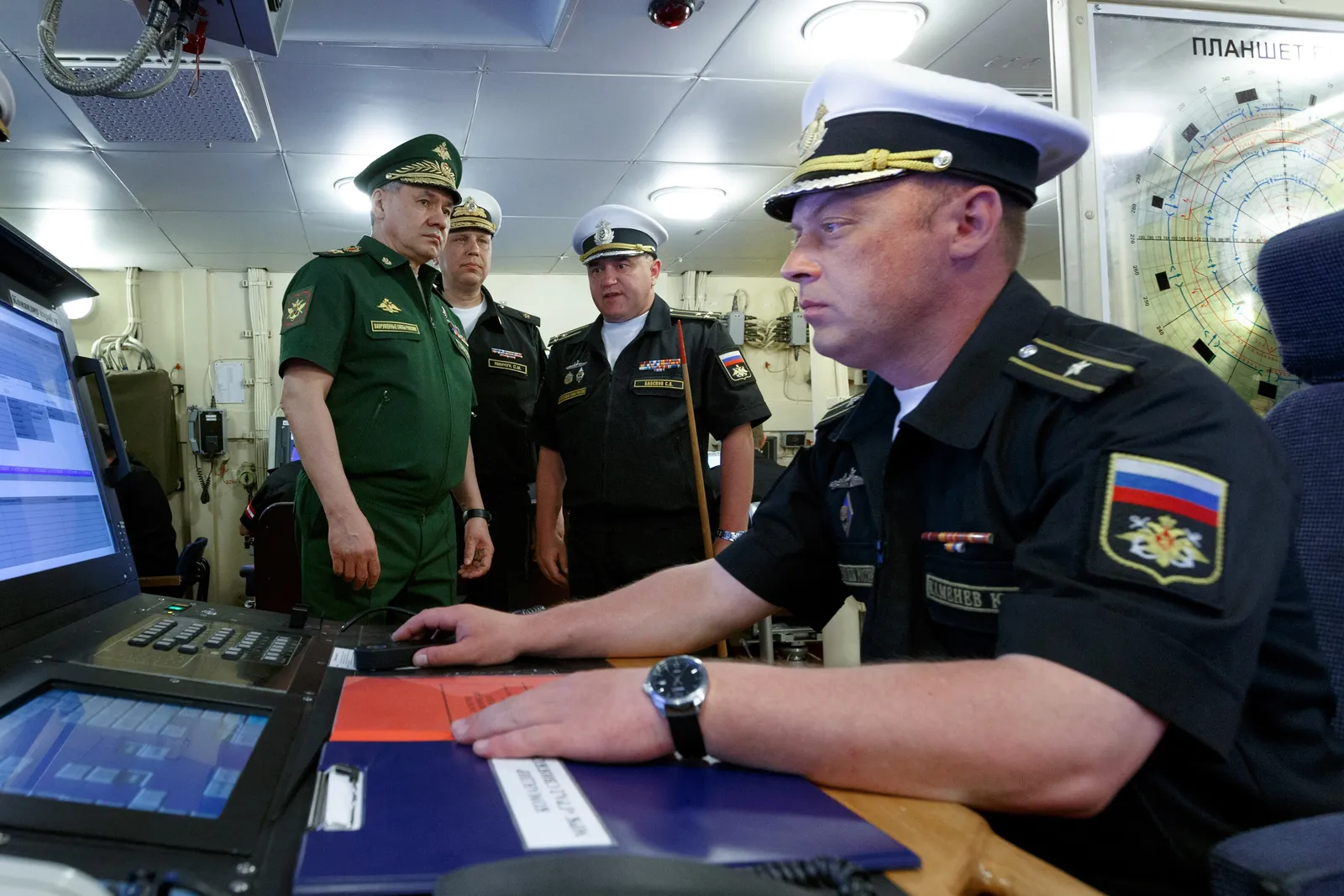

Russian Caspian Flotilla ships, including the Buyan-M corvettes Grad Sviyazhsk, Uglich, and Veliki Ustyug, fired Kalibr land-attack missiles at targets in Syria in October 2015.
Role detailsNaval Systems
Project 21631 Buyan-M-class guided-missile corvette
Also known as
- Project 21631
- Buyan-M
- Buyan-M class corvette
- Buyan-M-class missile corvette
- Project 21631 Buyan-M
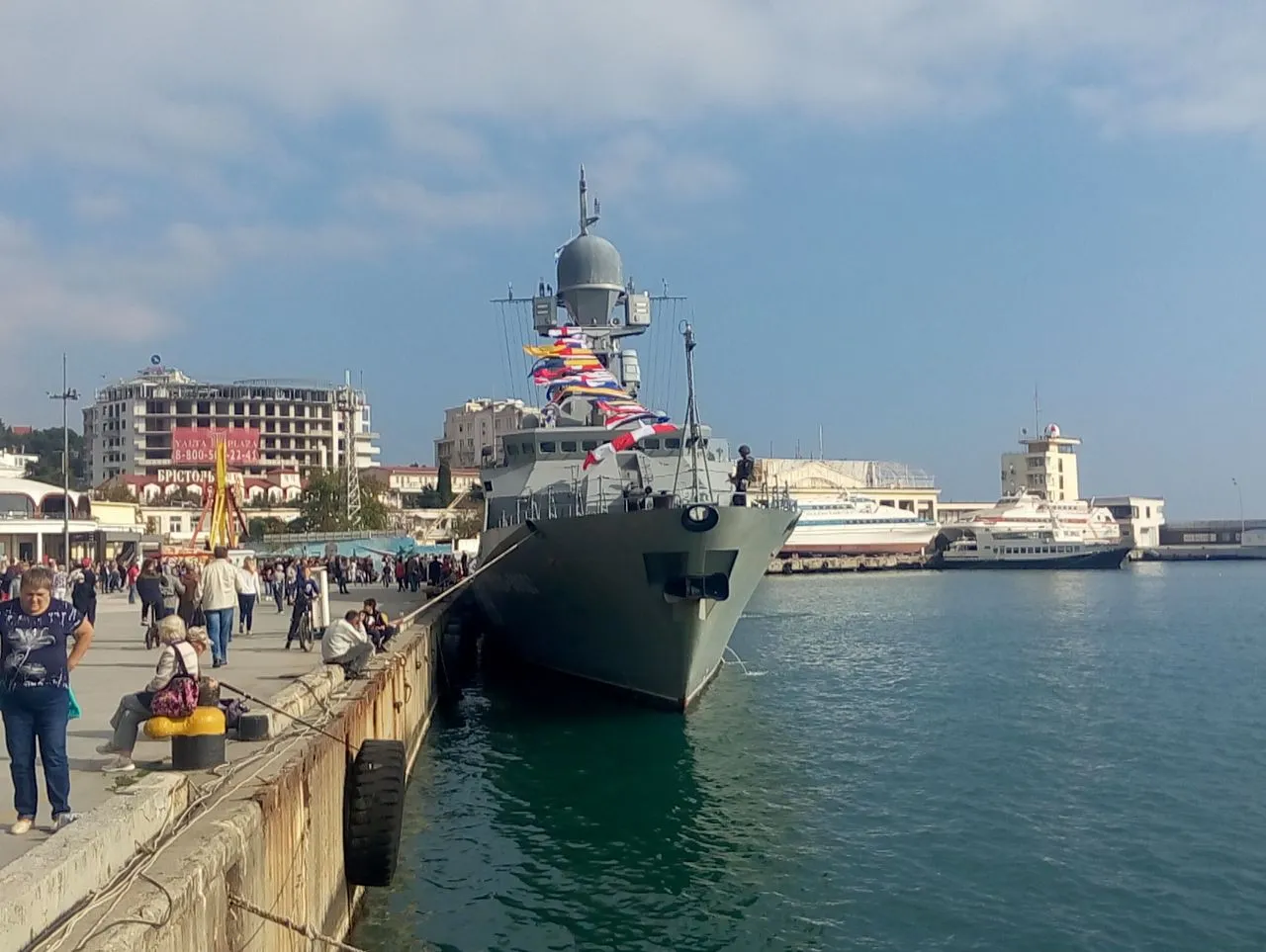
Project 21631 Buyan-M is a Russian river-sea guided-missile corvette class designed by Zelenodolsk Design Bureau and built at Zelenodolsk Plant named after A.M. Gorky. The class combines shallow-draft inland-water mobility with an eight-cell UKSK launcher for Kalibr or Oniks missiles, giving small Caspian, Black Sea, and Baltic combatants documented long-range strike roles in Syria and Ukraine.
Role in Conflicts
- Side
- Russia

Russian forces used a Project 21631 Buyan-M corvette in the Black Sea to fire an eight-missile Kalibr salvo at Ukraine in March 2022; Ukrainian intelligence later reported a 2025 drone strike on a Buyan-M in the Sea of Azov, a claim reported with Russian non-comment caveats.
Role detailsProfile / Specs
Profile
- Origin
- Russia
- Type
- Guided-missile corvette
- Service note
- 2010s-present
- Designer
- Zelenodolsk Design Bureau
- Designed
- 2000s
- Produced
- 2010-2024
- Number built
- 12
Specifications
- Displacement
- 949 tons
- Length
- 75 m
- Beam
- 11 m
- Speed
- 26 knots
- Range
- 2,300 nautical miles at 12 knots
- Crew
- 52 sailors
- Armament
- 100 mm A-190-01 main gun, 2x 30 mm AK-630-M2 CIWS, 2x4 UKSK cells for Kalibr or Oniks cruise missiles, 2x4 Komar surface-to-air missiles, DP-65 anti-saboteur grenade launcher, and 14.5 mm KPV machine guns
- Propulsion
- CODAD, 2 shafts
Variants
Project 21631 is the missile-armed Buyan-M branch of the wider Buyan program; public sources also describe an export-oriented Project 21632 Tornado design.
| Variant | Configuration | Designation notes |
|---|---|---|
| Project 21632 Tornado | Export-family design | Open references identify Project 21632 Tornado as the export variant associated with the Buyan-M design line. Sources: Project 21632 - Rosoboronexport |
Cruise Missiles
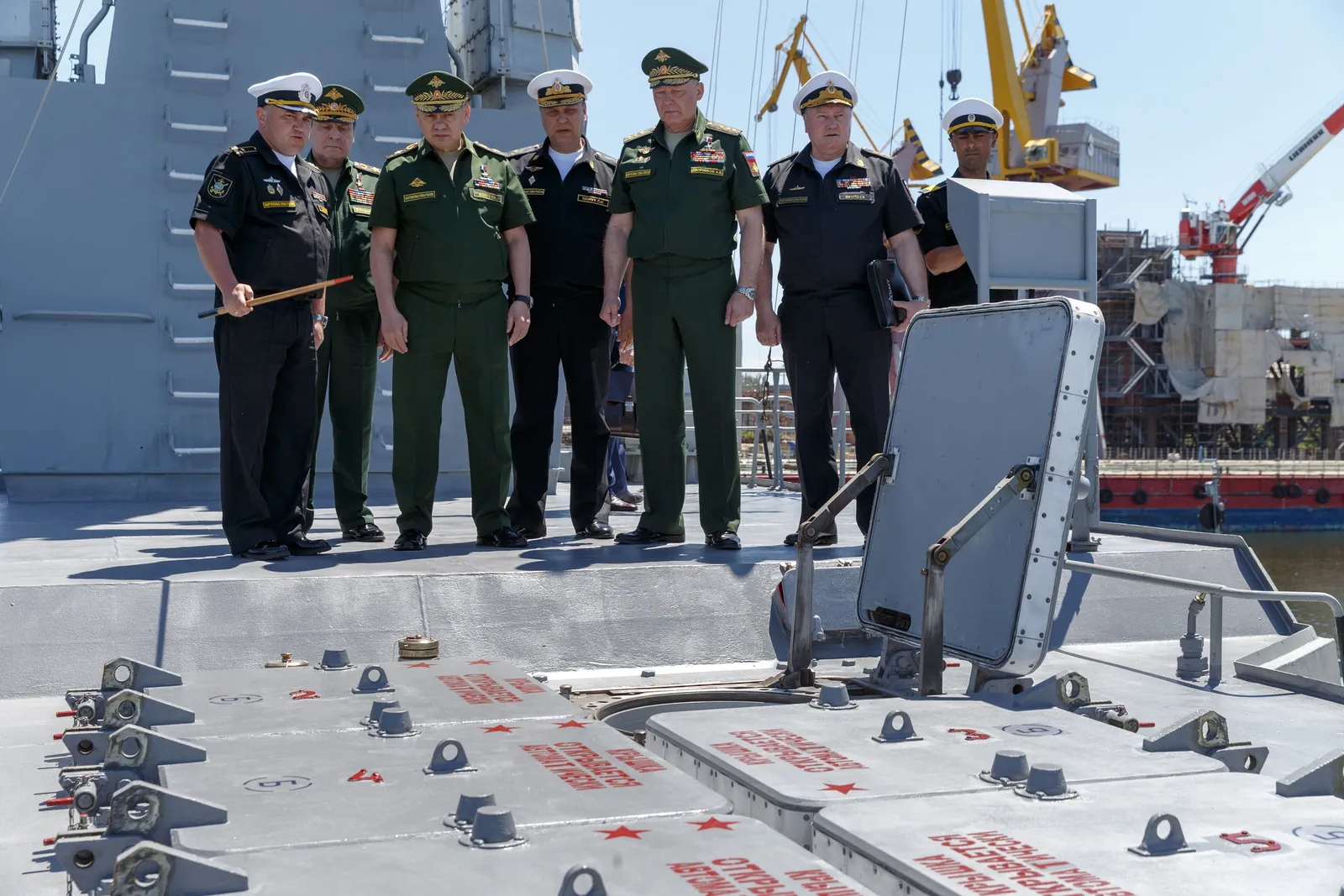
Buyan-M corvettes are built around a compact UKSK launcher that can carry Kalibr-family and Oniks cruise missiles.
| Launched item | Item type | Launch evidence |
|---|---|---|
 | Sea-launched cruise missile family | Naval News describes Project 21631 corvettes as carrying 2x4 UKSK cells for Kalibr or Oniks missiles, making the class a shipborne launch platform for Kalibr strikes. Sources: Buyan-M-class Corvette ‘Graivoron’ Commissioned with Russia's Black Sea Fleet - Naval News |
 | Supersonic anti-ship cruise missile | Naval News lists Oniks among the cruise missiles carried in the Buyan-M class's 2x4 UKSK cells. Sources: Buyan-M-class Corvette ‘Graivoron’ Commissioned with Russia's Black Sea Fleet - Naval News |
Timeline
Project 21631 Buyan-M-class guided-missile corvette Key Events
Caspian Flotilla strike on Syria
The Washington Institute reported that three Buyan-M corvettes - Grad Sviyazhsk, Uglich, and Veliki Ustyug - were part of the Caspian Flotilla group that fired Kalibr missiles at targets in Syria.
Sources: Russia's Cruise Missiles Raise the Stakes in the Caspian
Graivoron commissioned
Graivoron entered the Russian Navy's Black Sea Fleet, showing the class remained an active Kalibr-bearing platform after the Syrian campaign.
Sources: Buyan-M-class Corvette ‘Graivoron’ Commissioned with Russia's Black Sea Fleet - Naval News
Black Sea salvo against Ukraine
Naval News, citing Russian reporting and video, described eight Kalibr missiles fired by a Project 21631 Buyan-M corvette from the Black Sea against a Ukrainian arms depot.
Sources: Russian Buyan-M class Corvette fired Kalibr missiles Against Ukraine - Naval News
Stavropol launched
Zelenodolsk Shipyard launched Stavropol, the final Buyan-M hull on order for the Russian Navy.
Sources: Russia launches Final Buyan-M-class Corvette Fitted with Kalibr cruise missiles
Ukraine reports Sea of Azov strike
Defence Intelligence of Ukraine reported that its forces struck a Project 21631 Buyan-M corvette in the Sea of Azov; Naval News reported the claim and noted that Russia had not commented.
Sources: Ukraine strikes Russian Project 21631 Buyan-M class corvette with drones - Naval News
Media
Project 21631 Buyan-M-class guided-missile corvette Images
Related Weapon Systems


Sources
Buyan-M-class Corvette ‘Graivoron’ Commissioned with Russia's Black Sea Fleet - Naval NewsPublisher: Naval News | Note: Supports the class's designer, builder, service context, and published technical specifications including displacement, length, beam, speed, range, crew, and armament. | Accessed: 2026-07-04Russia's Cruise Missiles Raise the Stakes in the CaspianPublisher: The Washington Institute | Note: Supports the 2011 Syrian Civil War row by directly identifying the October 7, 2015 Caspian launch against targets in Syria and the three Buyan-M corvettes in the firing group. | Accessed: 2026-07-04Russia launches Final Buyan-M-class Corvette Fitted with Kalibr cruise missilesPublisher: Naval News | Note: Supports the final-hull production timeline, Zelenodolsk Shipyard build context, and the class's late-production technical package. | Accessed: 2026-07-04Russian Buyan-M class Corvette fired Kalibr missiles Against Ukraine - Naval NewsPublisher: Naval News | Note: Supports the 2014 Russia-Ukraine War row by directly reporting a Project 21631 Buyan-M corvette firing eight Kalibr missiles from the Black Sea against Ukraine. | Accessed: 2026-07-04Ukraine strikes Russian Project 21631 Buyan-M class corvette with drones - Naval NewsPublisher: Naval News | Note: Supports the 2014 Russia-Ukraine War row by reporting Ukraine's claim that it struck a Project 21631 Buyan-M corvette in the Sea of Azov and noting that Russia had not commented. | Accessed: 2026-07-04Video: Russian Corvettes Launch Cruise Missiles from Caspian Sea - USNI NewsPublisher: USNI News | Note: Supports the 2011 Syrian Civil War row by identifying Russian Ministry of Defense video of Buyan-M corvettes firing Kalibr missiles from the Caspian Sea into Syria. | Accessed: 2026-07-04Russia’s Buyan Naval Corvette Program - USNI ProceedingsPublisher: U.S. Naval Institute Proceedings | Note: Supports Buyan program context, Project 21631 fleet distribution, VLS missile compatibility, and direct conflict use by reporting that Buyan-M ships launched land-attack cruise missiles in Syria and have been active in the war against Ukraine. | Accessed: 2026-07-04Project 21632 - RosoboronexportPublisher: Rosoboronexport | Note: Supports Project 21632 Tornado export-variant context and its river-sea mission profile. | Accessed: 2026-07-04Grad Sviyazhsk (2017-06-05) 02.jpgPublisher: Wikimedia Commons | Note: Supports primary image provenance and the Commons licensing context for the Russian Ministry of Defence photo of Grad Sviyazhsk. | Accessed: 2026-07-04Grad Sviyazhsk (2017-06-05) 01.jpgPublisher: Wikimedia Commons | Note: Supports gallery image provenance and the Commons licensing context for the Russian Ministry of Defence photo of Grad Sviyazhsk. | Accessed: 2026-07-04Orekhovo-Zuyevo corvette.jpgPublisher: Wikimedia Commons | Note: Supports gallery image provenance and the Commons licensing context for the self-published Orekhovo-Zuyevo harbor photo. | Accessed: 2026-07-04