Naval Systems

Project 21630 Buyan-class artillery corvette

Also known as
  • Project 21630
  • Buyan
  • Buyan class corvette
  • Astrakhan class

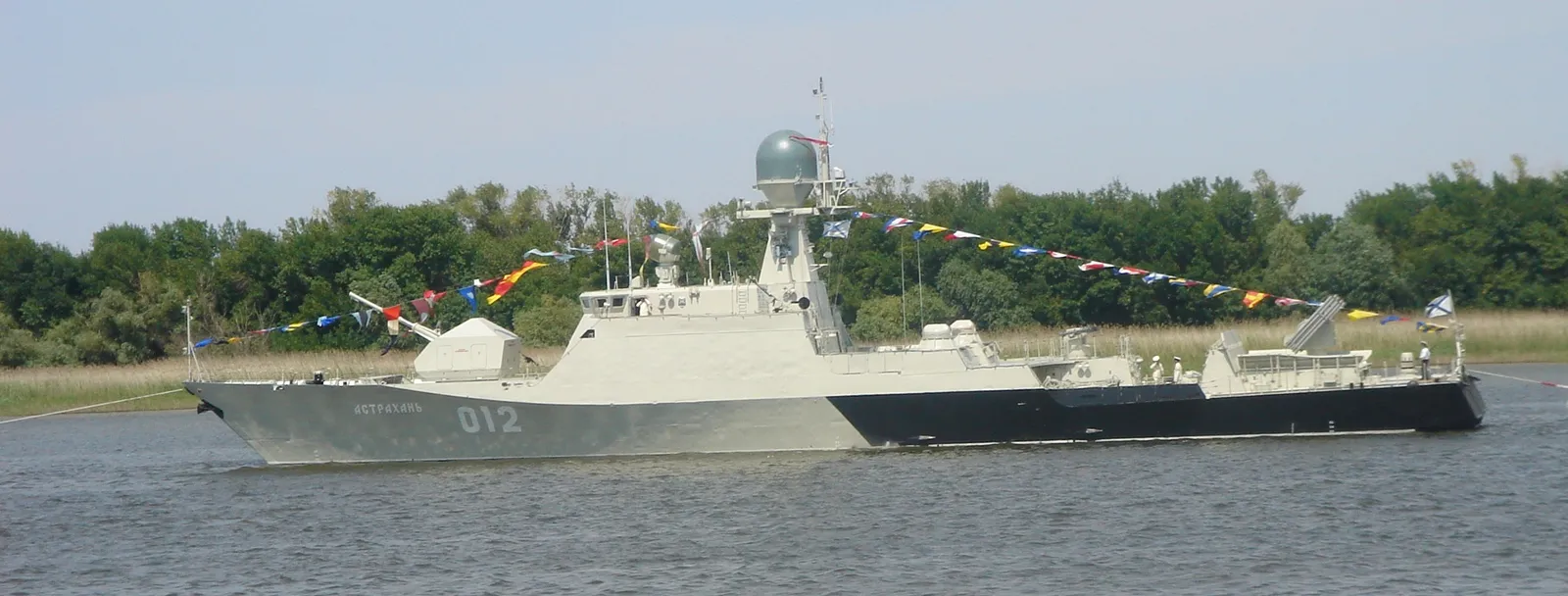
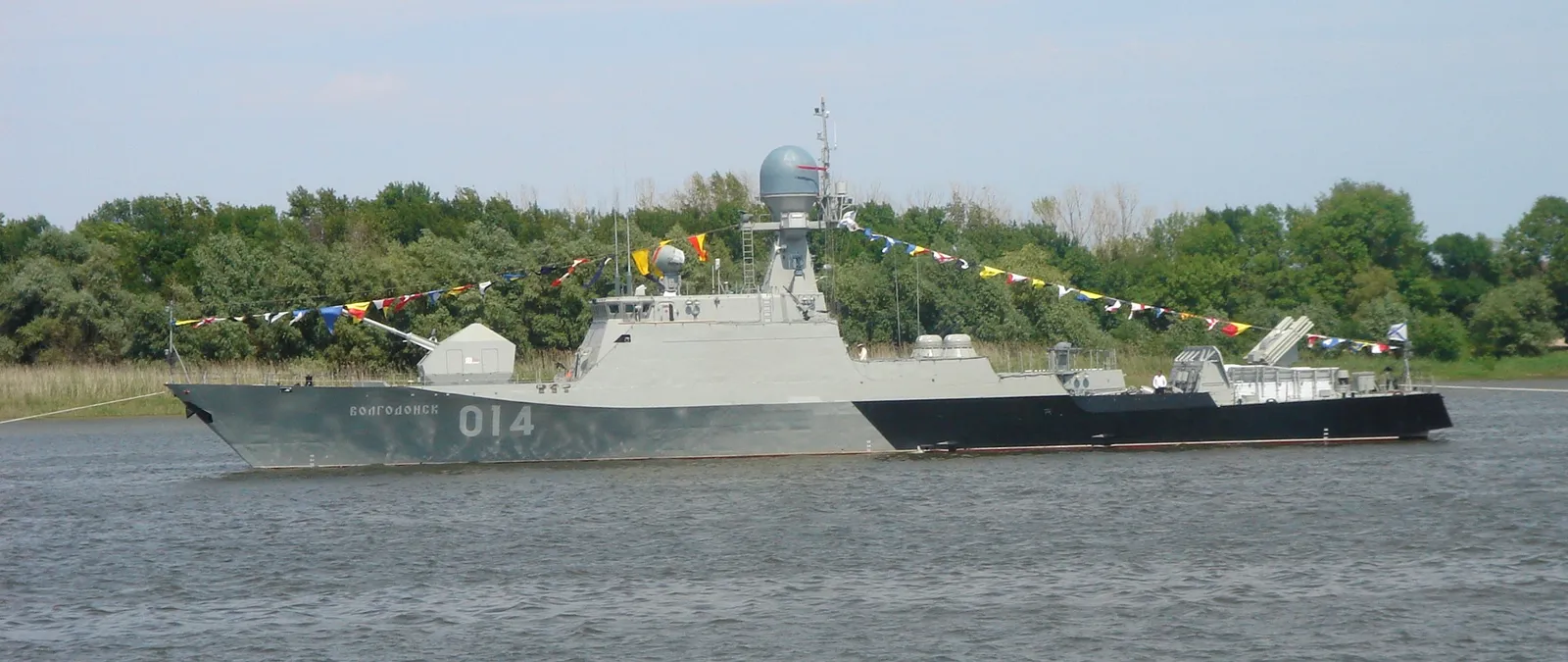
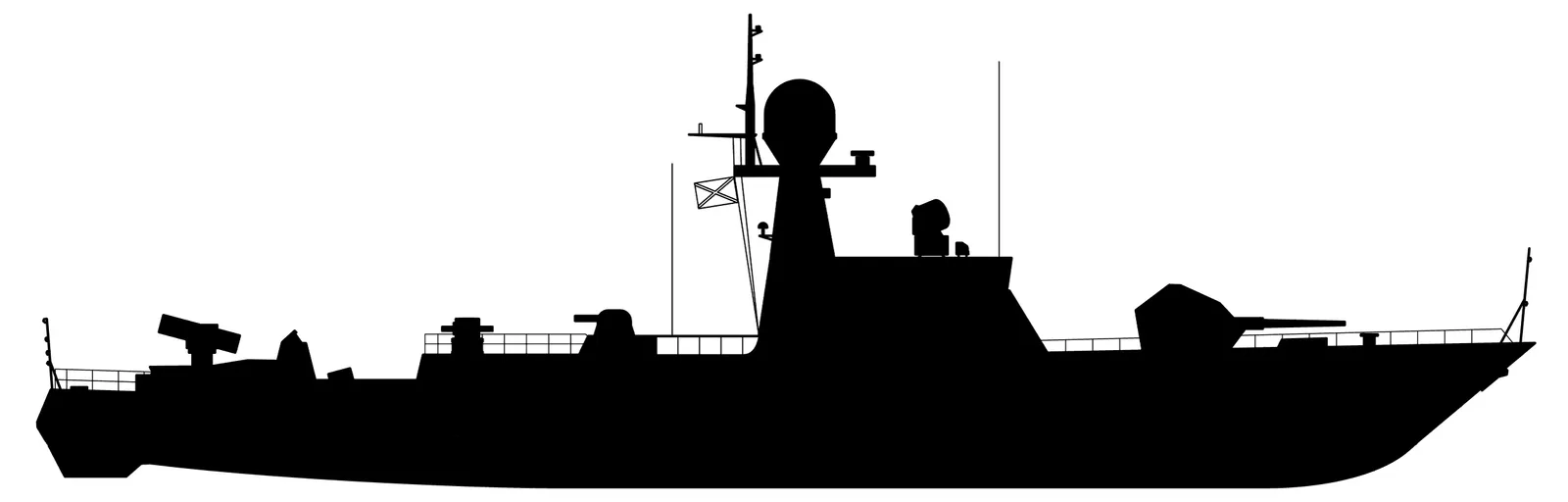
Project 21630 Buyan is the original Russian Buyan-class river-sea artillery corvette, built by Almaz Shipbuilding for Caspian Flotilla service. The three-ship class predates the Kalibr-armed Buyan-M branch and combines a 100 mm A-190 gun, a 122 mm Grad-M naval rocket launcher, Gibka launchers for Igla missiles, and close-in gun defenses on a shallow-draft hull built for coastal and river-sea operations.

Role in Conflicts

Side
Russia

Ukrainian reporting on SSO and SBU footage in May-June 2026 identified a Russian Project 21630 Buyan artillery ship as a Caspian Sea target of Ukrainian long-range drone strikes, while distinguishing the target from the Kalibr-armed Buyan-M branch and leaving the exact hull name unconfirmed.

Role details
Profile / Specs

Profile

Origin
Russia
Type
Small artillery ship / corvette
Service note
2000s-present
Produced
2004-2012
Number built
3
Developed into
Project 21631 Buyan-M-class guided-missile corvette

Specifications

Displacement
About 500 tons
Length
62 m
Beam
9.6 m
Draft
Under 10 ft
Speed
26 knots
Crew
30-48
Armament
100 mm A-190 gun, 122 mm A-215 Grad-M naval rocket launcher, 3M-47 Gibka launchers for Igla missiles, and two 30 mm close-in gun mounts
Propulsion
Two diesels and two waterjets
Fleet assignment
Caspian Flotilla
Primary sensors
Pozitiv search radar and MR-231 navigation radar
Strike-report caveat
2026 Ukrainian reporting identified a Project 21630 target but did not publicly name the exact hull
Onboard Systems

Project 21630 is a compact river-sea combatant whose weapons are split between gunfire, short-range rockets, point air defense, and close-in protection rather than long-range cruise missiles.

System areaDocumented equipmentWhy it matters
Main gun100 mm A-190 naval gun.Gives the class conventional surface firepower for patrol, coastal, and river-sea missions.
Rocket fire support122 mm A-215 Grad-M naval rocket launcher.Marks the original Project 21630 as an artillery corvette, unlike the later Buyan-M cruise-missile branch.
Point air defense3M-47 Gibka launchers for Igla short-range surface-to-air missiles.Explains the link to the Igla missile family in the relationship section.
Close-in gunsTwo 30 mm mounts, described as AK-306 in Ukrainian strike analysis and as AK-630 in USNI's class overview.Keeps the page explicit about an open-source designation difference while preserving the shared close-defense role.
SensorsPozitiv search radar and MR-231 navigation radar.Supports the shallow-draft patrol and local air/surface-search role described in the class profile.
Class Split And Strike Caveats

Project 21630 is the original artillery branch of the Buyan program, not the later Kalibr-armed Buyan-M missile-corvette branch. That distinction matters because open-source reporting often shortens both families to Buyan.

ContextDocumented detailReader caveat
Original Project 21630Three Almaz-built ships served with the Caspian Flotilla and carried a 100 mm A-190 gun, Grad-M rocket launcher, Gibka launchers for Igla missiles, and 30 mm close-in guns.This branch is an artillery corvette family, not the Buyan-M missile corvette with a UKSK vertical launch system.
Project 21631 Buyan-MThe follow-on design added an eight-cell vertical launch system for Kalibr or Oniks missiles and omitted the Project 21630 122 mm rocket launcher.Kalibr strike reporting should not be attributed to Project 21630 unless the source identifies the original artillery-corvette class.
2026 strike reportingUNN, UNITED24, and Defense Express reporting identified a Project 21630 Buyan-class target in Ukrainian long-range drone strike footage.The reports did not publicly identify which of the three original hulls was hit, so this record keeps the strike at class level.
Variants

The Buyan family split between the original three Project 21630 artillery ships and the larger Project 21631 Buyan-M missile corvettes; USNI notes that Buyan-M added an eight-cell vertical launch system and dropped the earlier 122 mm rocket launcher.

VariantConfigurationDesignation notes
Project 21631 Buyan-M-class guided-missile corvette, Guided-missile corvette, Naval SystemsProject 21631 Buyan-M-class guided-missile corvetteFollow-on guided-missile corvette

Buyan-M keeps the shallow-draft river-sea concept but adds a UKSK vertical launch system for Kalibr or Oniks missiles instead of the original Project 21630 Grad-M rocket launcher.

Sources: Russia’s Buyan Naval Corvette Program

Short-Range Air Defense

Project 21630 mounts 3M-47 Gibka launchers for Igla short-range surface-to-air missiles.

AmmunitionAmmunition typeFiring evidence
Igla, Man-portable infrared-homing surface-to-air missile system, Air DefenseIglaShort-range surface-to-air missile

USNI describes the Project 21630 ships as carrying 3M-47 Gibka launchers for Igla short-range surface-to-air missiles, so the class has a point-defense air-defense layer in addition to its gun and rocket armament.

Sources: Russia’s Buyan Naval Corvette Program

Timeline

Project 21630 Buyan-class artillery corvette Key Events

  1. Lead ship enters service

    Astrakhan entered Russian Navy service as the first Project 21630 Buyan artillery corvette assigned to the Caspian Flotilla.

    Sources: Russia’s Buyan Naval Corvette Program

  2. Three-ship Project 21630 run completed

    Volgodonsk and Makhachkala followed Astrakhan into Caspian Flotilla service, completing the original three-ship artillery-corvette branch before the Buyan-M missile variant expanded the program.

    Sources: Russia’s Buyan Naval Corvette Program

  3. Ukrainian SSO strike report identifies Project 21630

    UNN reported that Ukrainian Special Operations Forces had covertly struck a Russian Project 21630 Buyan artillery ship in the Caspian Sea with FP-1 drones and stressed that the target was not a Kalibr-armed Buyan-M missile corvette.

    Sources: UNN SSO Report on Project 21630 Caspian Strike

  4. SBU strike footage identifies a Project 21630 target

    UNITED24 and Defense Express reporting on SBU Alpha footage identified one Russian target as a Project 21630 Buyan-class artillery corvette, with the specific hull name still unconfirmed.

    Sources: UNITED24 SBU Footage on Russian Warship Strikes, Defense Express on SBU Alpha Warship Strikes

Media
Related Weapon Systems
Project 20380 / Steregushchiy-class corvette, Missile corvette, Naval SystemsNaval SystemsProject 20380 / Steregushchiy-class corvetteMissile corvetteProject 20380, known to NATO as the Steregushchiy class, is a Russian Navy guided-missile corvette family designed by Almaz and built by Severnaya Verf and Amur Shipyard for coastal escort, anti-surface, anti-submarine, and amphibious-support missions. The baseline ships combine Uran anti-ship missiles, Redut or Kortik air defense depending on hull, Paket-NK torpedo launchers, and a Ka-27 helicopter facility in a reduced-radar-signature corvette that remained in active Russian service during the 2014 Russia-Ukraine War.
Project 22800 Karakurt-class guided-missile corvette, Small missile ship / guided-missile corvette, Naval SystemsNaval SystemsProject 22800 Karakurt-class guided-missile corvetteSmall missile ship / guided-missile corvetteThe Project 22800 Karakurt-class guided-missile corvette is a Russian small missile ship class designed by Almaz Central Marine Design Bureau for near-sea missile and artillery missions. Russian service ships pair an eight-cell universal naval firing system for Kalibr or Oniks cruise missiles with a 76.2 mm gun and, on later units, Pantsir-M air defense; contracts and deliveries have involved Pella, Zelenodolsk, and Amur shipyards since the first hull was laid down in 2015.
Project 10750 Sapfir / Lida-class inshore minesweeper, Inshore minesweeper class, Naval SystemsNaval SystemsProject 10750 Sapfir / Lida-class inshore minesweeperInshore minesweeper classProject 10750 Sapfir, known to NATO as the Lida class, is a Soviet and Russian inshore mine-countermeasures vessel class built for mine clearance in port approaches, naval-base waters, coastal shallows, and rivers. The design combines a fiberglass hull, mine-search sonar, sweep and mine-destruction gear, a 30 mm AK-306 gun, and an Igla-1 self-defense missile fit; RT-233's 2023-2024 fleet movement gives the class a sourced but limited 2014 Russia-Ukraine War connection rather than confirmed combat-loss evidence.

Sources