Naval Systems

Project 697TB

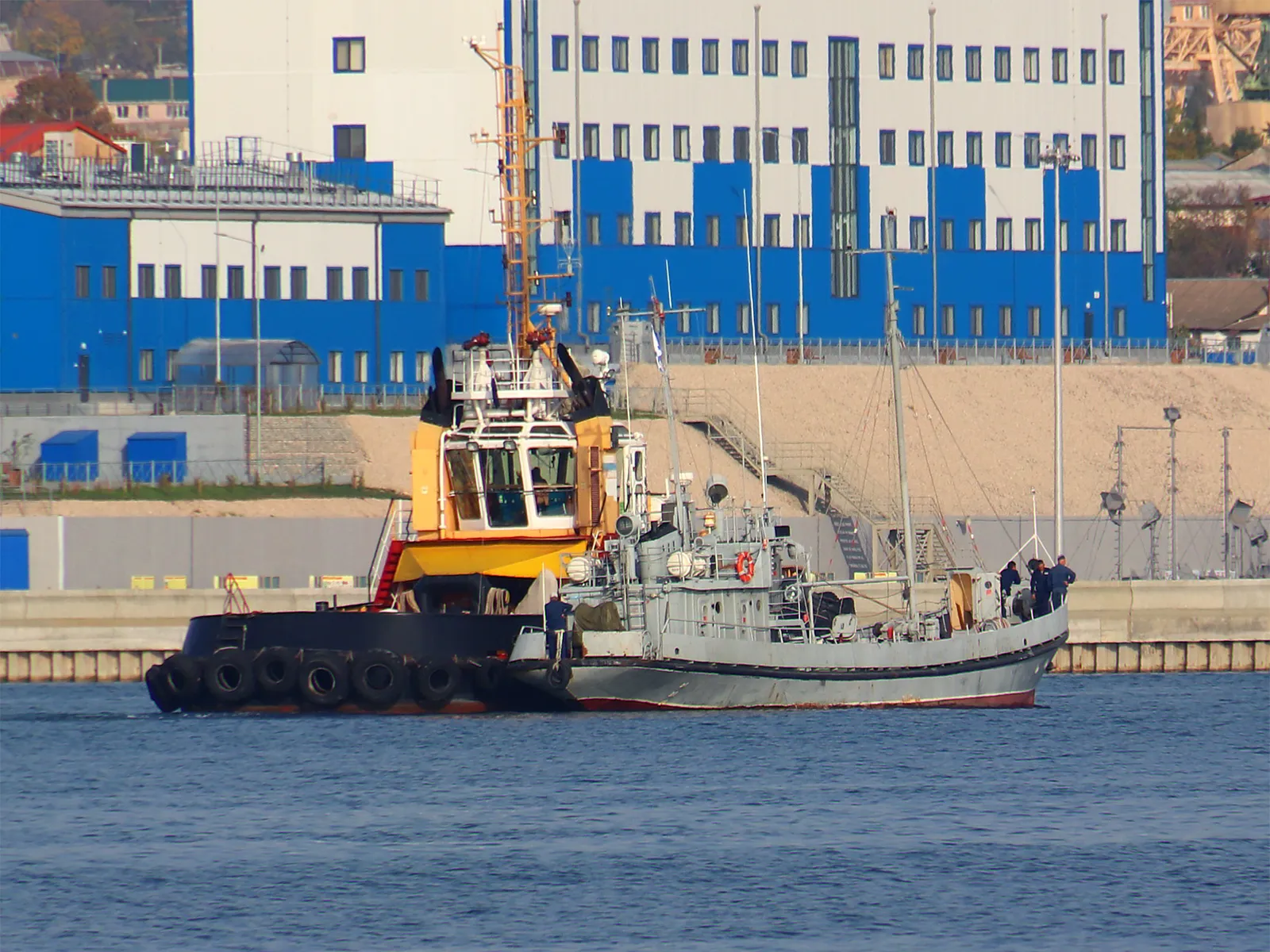
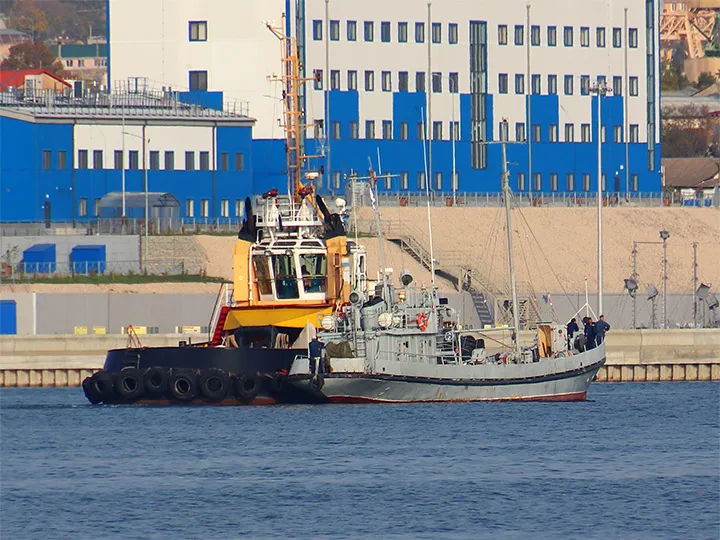
Project 697TB is a Soviet-built inshore minesweeper class based on small fishing trawler hulls and designed to search for, sweep, and destroy mines in naval raid zones, coastal waters, and dispersed basing areas. RT-59 was transferred from the Caspian Flotilla to the Black Sea Fleet in July 2023.

Specifications

Displacement
110.14 t standard; 157.23 t full load
Dimensions
27.1 m length; 5.66 m beam; 1.925 m draft
Speed
10 knots
Range
100 nmi at 9.5 knots
Crew
9
Armament
1 x twin 25 mm 2M-3M gun mount
Propulsion
1 x 225 hp 6ChSPN18/22 diesel, 1 fixed-pitch propeller, 2 x 12.5 kW P-62M diesel generators

Service And Conflict Use

Service History

In service
Commissioned on 26 October 1976, assigned to the Caspian Flotilla, and transferred to the Black Sea Fleet in July 2023.
Used by
Caspian Flotilla, Black Sea Fleet, Russian Navy
Wars
Russia-Ukraine War

Conflict Usage

Project 697TB minesweepers are tied to the Russo-Ukrainian War through Russian redeployment: RT-59 was reported transferred from the Caspian Flotilla to the Black Sea Fleet in July 2023; Russian Dnieper Flotilla planning reporting also listed 697TB minesweepers as potential assets. I found no confirmed public report identifying a Project 697TB vessel as struck or sunk.

Timeline

Project 697TB Key Events

  1. RT-59 commissioned

    KCHF says RT-59 was commissioned on 26 October 1976 after being laid down at the Shipyard named after Kirov in Astrakhan and assigned to the Caspian Flotilla.

    Sources: RT-59 - KCHF.ru

  2. Transferred to the Black Sea Fleet

    KCHF reports that RT-59 was transferred from the Caspian Flotilla to the Black Sea Fleet in July 2023.

    Sources: RT-59 - KCHF.ru

  3. Listed for Dnieper Flotilla planning

    Defense Express reported that Russian Dnieper River Flotilla planning discussions listed 697TB minesweepers among potential assets drawn from the Caspian Flotilla.

    Sources: Dnieper River Flotilla ship plans - Defense Express

Project 697TB Images

Related Weapon Systems

Sources