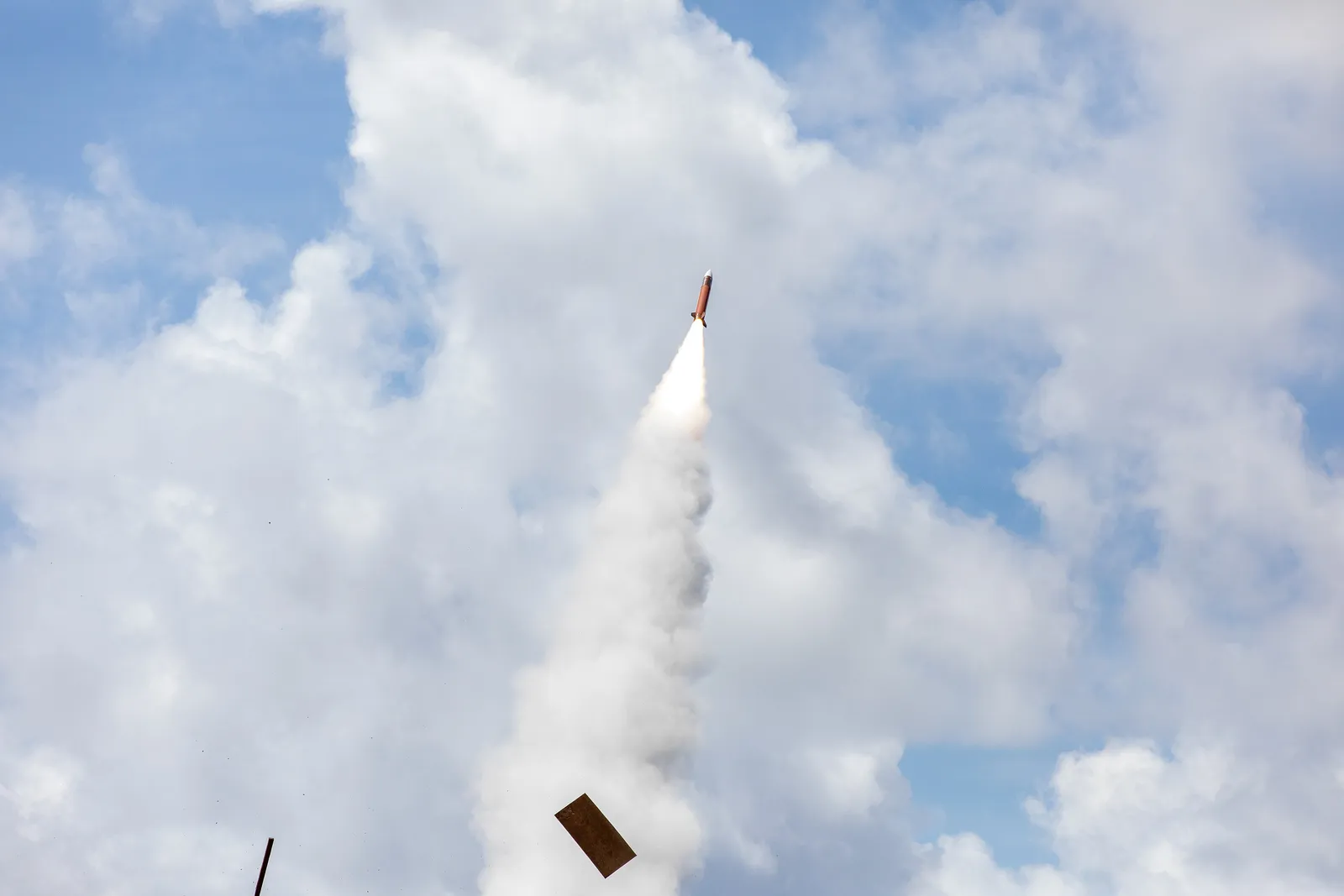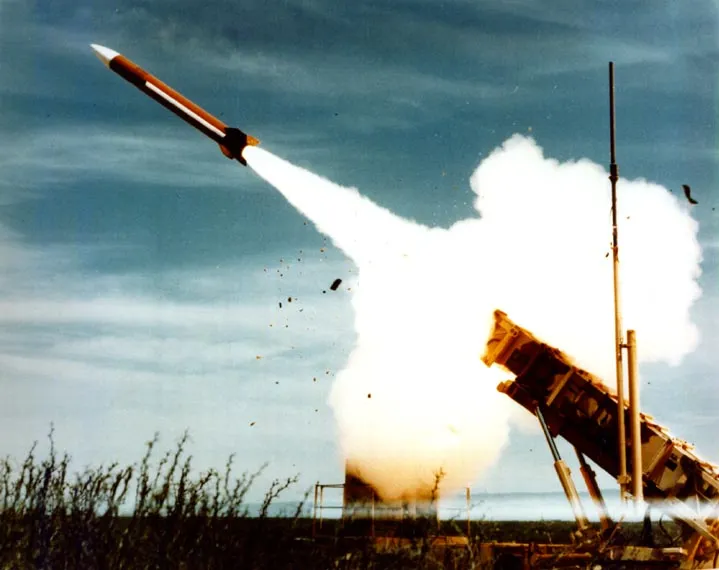
- Side
- Coalition forces

PAC-2 production was accelerated for Operation Desert Shield/Storm, with PAC-2 missiles shipped to the theater and Patriot batteries used against Iraqi Scud and Al Hussein ballistic-missile attacks on Saudi Arabia and Israel.
The MIM-104C Patriot PAC-2 is the baseline Patriot Advanced Capability-2 interceptor, a U.S. Raytheon-built upgrade that adapted the original Patriot missile for more demanding tactical ballistic-missile engagements. PAC-2 changed the missile package before Desert Storm, became the visible Patriot missile-defense baseline of the 1990 Gulf War, and remained part of coalition Patriot combat use in the 2003 Iraq War before later PAC-2 GEM/GEM-T and PAC-3 interceptors took over the modernized Patriot mix.
PAC-2 production was accelerated for Operation Desert Shield/Storm, with PAC-2 missiles shipped to the theater and Patriot batteries used against Iraqi Scud and Al Hussein ballistic-missile attacks on Saudi Arabia and Israel.
A Defense Science Board summary of Operation Iraqi Freedom says both the improved PAC-2 missile and PAC-3 interceptor were used successfully, with most Patriot tactical-ballistic-missile engagements falling to PAC-2.
PAC-2 is useful as its own catalog entry because it marks Patriot's first major missile-hardware step into wartime tactical ballistic-missile defense. Later GEM, GEM-T, and PAC-3 rounds are not just renamings of the same interceptor: they represent later seeker, fuze, engagement, and hit-to-kill paths layered onto the Patriot system.
The Army accelerated PAC-2 production for Operation Desert Shield/Storm and shipped the first PAC-2 missiles to the theater in September 1990.
In 2003, U.S. and coalition Patriot forces used improved PAC-2 missiles alongside PAC-3 interceptors, with the Defense Science Board assigning most Patriot missile-defense engagements to PAC-2.
Ukraine-related public sourcing found for this run points to PAC-2 GEM-T and Patriot systems, so baseline PAC-2 is not attached to the 2014 Russia-Ukraine War row here.
Sources: Patriot Air Defense Systems; Patriot System Performance Report Summary; RTX's Raytheon to Deliver Patriot Interceptors to Ukraine.
PAC-2 sits between Patriot's early software-based PAC-1 ballistic-missile capability and the later PAC-2 GEM/GEM-T and PAC-3 interceptor families.
| Variant | Configuration | Designation notes |
|---|---|---|
| PAC-1 | Software-based tactical ballistic-missile capability | PAC-1 used Patriot ground-equipment software changes to give the system an initial ability to engage tactical ballistic missiles before PAC-2 added missile hardware changes. Sources: Patriot Air Defense Systems, Patriot |
| PAC-2 GEM | Post-Desert Storm PAC-2 improvement | The Army history describes GEM as a postwar anti-tactical-ballistic-missile improvement to PAC-2 that could hit targets at higher altitude and farther downrange than the Desert Storm PAC-2 baseline. Sources: Patriot Air Defense Systems |
 | Guidance Enhanced Missile-Tactical interceptor | GEM-T is the later PAC-2 Guidance Enhanced Missile branch used as a complementary Patriot effector for tactical ballistic missiles, cruise missiles, and aircraft. Sources: Patriot Guidance Enhanced Missile |
 | Hit-to-kill Patriot interceptor family | PAC-3 replaced the large PAC-2 blast-fragmentation missile concept with a smaller hit-to-kill interceptor family for modern Patriot batteries. |
PAC-2 is an interceptor round for Patriot batteries rather than a standalone firing unit.
| Launcher | Launcher type | Launch evidence |
|---|---|---|
 | Integrated air and missile defense system | Patriot fire units provide the radar, engagement control, launch station, power, and communications architecture that lets PAC-2-family missiles engage aircraft and tactical ballistic missiles. Sources: Patriot, Patriot Air Defense Systems |
Patriot intercepted a Lance missile using software changes only, establishing the PAC-1 path that PAC-2 would later expand with missile hardware changes.
Sources: Patriot Air Defense Systems
The Army authorized production of PATRIOT ATM Capability Two, described by Redstone Arsenal history as a missile upgrade to increase Patriot's kill capability.
Sources: Patriot Air Defense Systems
After the decision to deploy Patriot for Operation Desert Shield/Storm, the first nine accelerated PAC-2 missiles were delivered on August 31, 1990, almost five months ahead of schedule.
Sources: Patriot Air Defense Systems
Army historical information identifies January 18, 1991 as Patriot's first combat use against an Iraqi Scud fired at Saudi Arabia during Desert Storm.
Sources: Patriot Air Defense Systems
GAO later found that a Patriot battery at Dhahran failed to track and intercept an incoming Scud because of a software problem in the weapon control computer.
Sources: Patriot Missile Defense: Software Problem Led to System Failure at Dhahran
The Defense Science Board reported that improved PAC-2 missiles and PAC-3 interceptors were both used in Operation Iraqi Freedom, with most Patriot missile-defense engagements falling to PAC-2.
Sources: Patriot System Performance Report Summary