- Side
- Iran

CENTCOM reported that U.S. forces struck Iranian coastal surveillance radar sites at Goruk and Qeshm Island on June 5, 2026, after Iranian drones were launched toward the Strait of Hormuz.
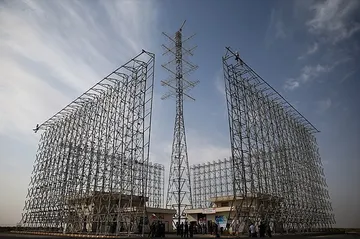
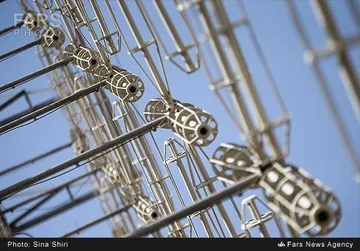
Iranian coastal surveillance radar sites cover fixed early-warning and maritime-monitoring radars used around the Persian Gulf, Strait of Hormuz, and wider Iranian air-defense network. Public sources identify Ghadir/Qadir as a reported HF over-the-horizon 3D phased-array radar family, while CENTCOM's 2026 strike releases identify coastal radar sites at Goruk, Qeshm Island, and later Iranian coastal locations without publicly naming every radar model.
CENTCOM reported that U.S. forces struck Iranian coastal surveillance radar sites at Goruk and Qeshm Island on June 5, 2026, after Iranian drones were launched toward the Strait of Hormuz.
Critical Threats and ISW reported from commercially available satellite imagery that Israeli strikes had hit at least six Iranian Ghadir radars by June 19, 2025.
CENTCOM said its July 12, 2026 strike wave hit Iranian coastal radar sites along with air-defense systems, missile and drone capabilities, and small boats to degrade attacks on Strait of Hormuz shipping.
Mehr reported that the domestically manufactured Ghadir radar was tested for the first time to detect missiles fired during the Great Prophet Muhammad 6 exercise.
Sources: Qadir radar system tested for first time
Mehr later said the first Ghadir radar was unveiled in June 2014 and put into service at the Garmsar radar site in Semnan province.
Sources: Iran deploys cutting-edge Ghadir radar system
Mehr said the second Ghadir radar had completed six months of tests before being deployed to Iran's air defense network in Ahvaz; the same report said a third unit had already finished construction.
Sources: Iran deploys cutting-edge Ghadir radar system
Critical Threats and ISW reported that commercially available satellite imagery showed Israeli strikes had hit at least six Iranian Ghadir radars since June 12.
Sources: Iran Special Report: Strikes on Iran, June 19, 2025
CENTCOM reported that U.S. forces struck Iranian radar sites at Goruk and Qeshm Island after Iran launched drones toward the Strait of Hormuz.
Sources: CENTCOM Forces Defeat Missiles, Drones Launched by Iran
CENTCOM said a new wave of U.S. strikes hit Iranian coastal radar sites along with air-defense systems, missile and drone capabilities, and small boats.
Sources: CENTCOM Completes Another Wave of Strikes Against Iran
Public reporting separates named Ghadir/Qadir early-warning deployments from later CENTCOM coastal-radar strike claims, which do not publicly identify every radar model at the struck sites.
| Location | Context | Source-backed detail |
|---|---|---|
| Garmsar, Semnan province | Initial Ghadir deployment | Mehr said the first Ghadir radar was unveiled in June 2014 and put into service at the Garmsar radar site. |
| Ahvaz, Khuzestan province | Second Ghadir system | Mehr said the second Ghadir radar was officially put into service after six months of tests. |
| Goruk and Qeshm Island | Coastal radar sites | CENTCOM reported U.S. strikes on Iranian coastal surveillance radar sites at both locations after Iran launched drones toward the Strait of Hormuz. |
| Iranian coastal sites | 2026 Iran War strikes | CENTCOM said its July 12, 2026 strike wave hit coastal radar sites as part of a broader target set tied to Strait of Hormuz shipping threats. |