- Side
- Iran
- Role in conflict
- Small-boat attacks against U.S. warships

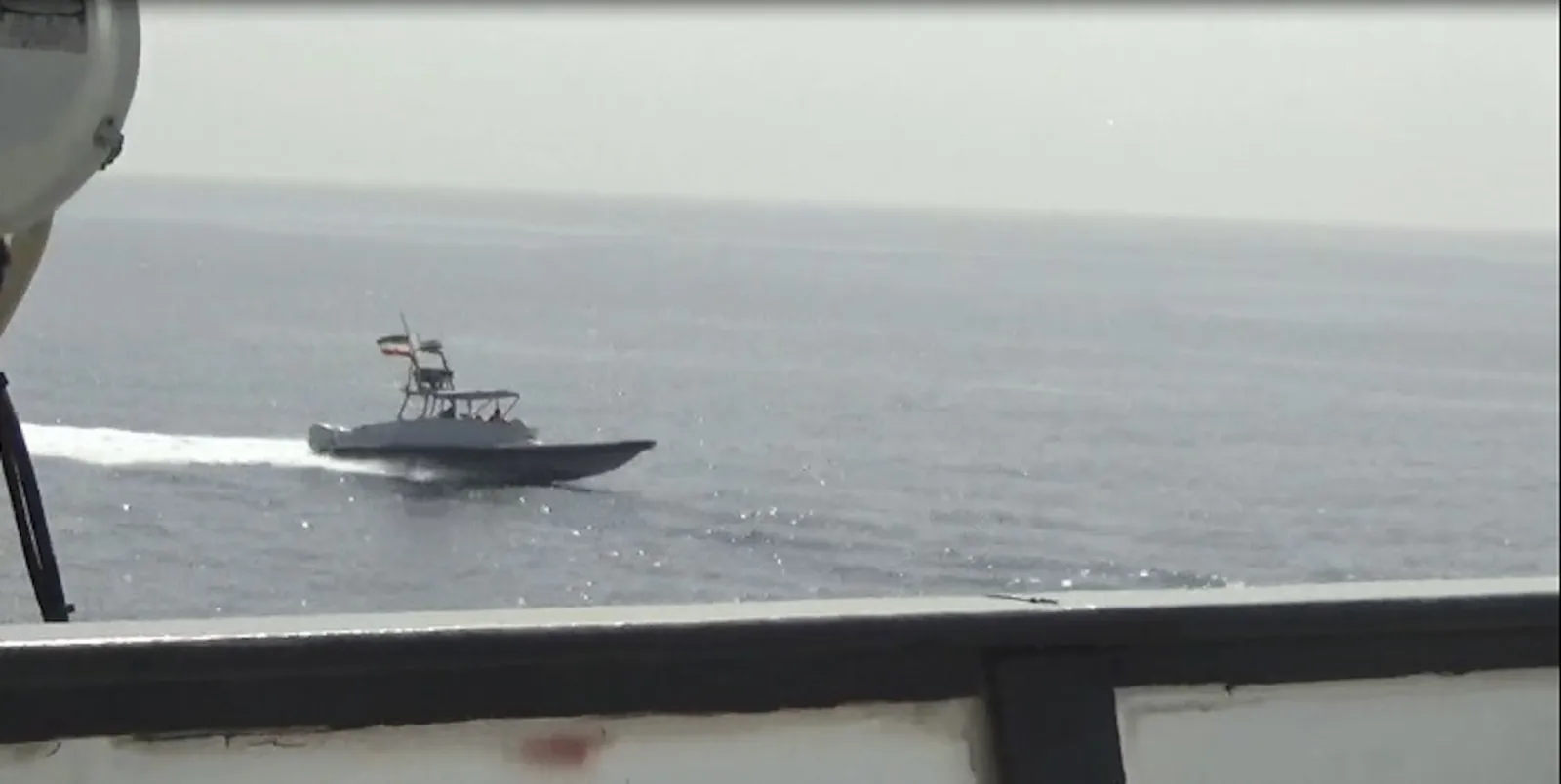
2020 United States-Iran Conflict: Iranian small boats were used in attacks against U.S. Navy destroyers during the May 7, 2026 Strait of Hormuz transit, according to CENTCOM.
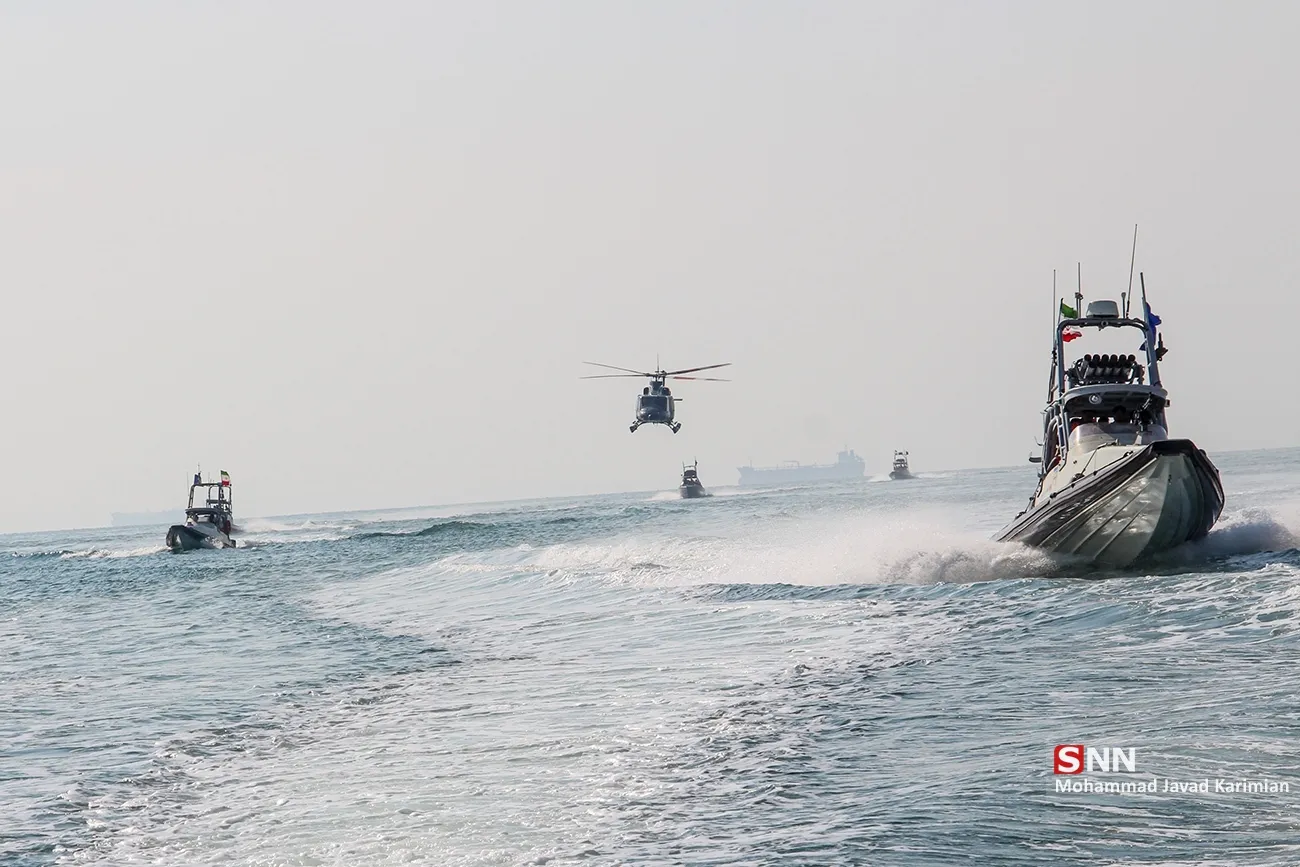
Iranian small attack boats are a mixed Islamic Revolutionary Guard Corps Navy fast attack craft and fast inshore attack craft force used for swarm harassment, mine laying, anti-ship missile attack, and littoral sea denial around the Persian Gulf and Strait of Hormuz. The family covers domestically produced speedboats and named classes such as Ashura/Ashoora, Tareq, Zolfaghar/Peykaap, Thondor/Houdong, Boghammar-derived craft, and Bladerunner-derived craft rather than a single standardized design.
2020 United States-Iran Conflict: Iranian small boats were used in attacks against U.S. Navy destroyers during the May 7, 2026 Strait of Hormuz transit, according to CENTCOM.
Open sources describe the IRGC Navy small-boat force as a mixed fleet rather than one uniform design. Named families below are the most useful public identifiers for this page.
| Family or model | What is publicly known | Typical role |
|---|---|---|
 | Radio Farda reported improved Ashura-class boats among more than 100 craft delivered to the IRGC Navy in 2020; DIA reporting also notes Ashoora boats with mine rails capable of carrying at least one mine. | Small-boat swarm, patrol, harassment, and mine laying. |
 | Radio Farda reported Tareq-class boats in the 2020 IRGC Navy delivery, while open-source naval analysis treats Boghammar/Taregh craft as part of the armed speedboat inventory. | Fast armed boat for littoral patrol and swarm operations. |
 | Radio Farda names Zolfaghar-class boats in the 2020 delivery. GlobalSecurity lists Peykaap/IPS-16 and Peykaap II/III data, including three crew, roughly 16.3 m length, about 50-52 kt speed, torpedo or missile fits, and Kowsar/TL-10 or Nasr/C-704 missile options on missile variants. | Missile or torpedo fast attack craft. |
 | Small-craft overviews list Thondor/Houdong missile boats as part of Iran's missile-armed fast-attack inventory. | Short-range anti-ship missile attack. |
| Open-source naval analysis links some IRGC fast boats to commercial speedboat lineages; Covert Shores identifies a small air-defense fast boat with a hull form apparently derived from the British-designed Bladerunner. | High-speed harassment, missile, rocket, or specialized missions. |
 | Covert Shores identifies a Bladerunner-derived IRGC Navy fast boat fitted with short-range surface-to-air missiles and associated sensor equipment. | Mobile point air defense and escort for distributed littoral forces. |
Public sources identify different munition fits across the IRGC Navy's small-boat family rather than one standard loadout.
| Launched item | Item type | Launch evidence |
|---|---|---|
 | Anti-ship missile family | Peykaap missile-boat data lists Kowsar/TL-10 launchers on Peykaap II variants and C-704/Nasr-family guided weapons on Peykaap III/Zolfaghar variants; DIA also describes larger Iranian fast attack craft as usually armed with anti-ship cruise missiles or torpedoes. Sources: Peykaap Class, Iran Military Power |
| Carried item | Item type | Carriage evidence |
|---|---|---|
 | Naval mine family | DIA says the IRGC Navy modified small boats to deliver mines rapidly and equipped many Ashoora small boats with mine rails; MEI also describes lower-end Ashura boats as armed with either a rocket launcher or two floating mines. Sources: Iran Military Power, The IRGC and the Persian Gulf Region |
| Carried item | Item type | Carriage evidence |
|---|---|---|
 | Heavy machine gun class | GlobalSecurity lists a 12.7 mm/50 machine gun among the Peykaap III/Zolfaghar weapons, while MEI describes lower-end Ashura boats as armed with a 12.7 mm machine gun. Sources: Peykaap Class, The IRGC and the Persian Gulf Region |
Iran's small-boat doctrine develops during the Tanker War and later becomes a core asymmetric maritime tactic.
Sources: Tanker War Small-Boat Attacks, Strait of Hormuz - Small Boats
Iranian state media reports delivery of 112 new-generation speed boats of different classes to the IRGC Navy in Bandar Abbas.
Sources: More Than 100 Gunboats Delivered To Revolutionary Guard's Navy, Over 100 domestically built speed boats join Iran's IRGC fleet, Delivery of high-speed vessels built by Iran's Defense Ministry
CENTCOM says Iranian small boats were used against U.S. Navy destroyers during a Strait of Hormuz transit.
Sources: CENTCOM Protects U.S. Warships Transiting Strait of Hormuz