Electronic Warfare

EA-18G Growler

Also known as
  • E/A-18G Growler
  • EA-18 Growler
  • Growler
  • Boeing EA-18G
  • Boeing EA-18G Growler

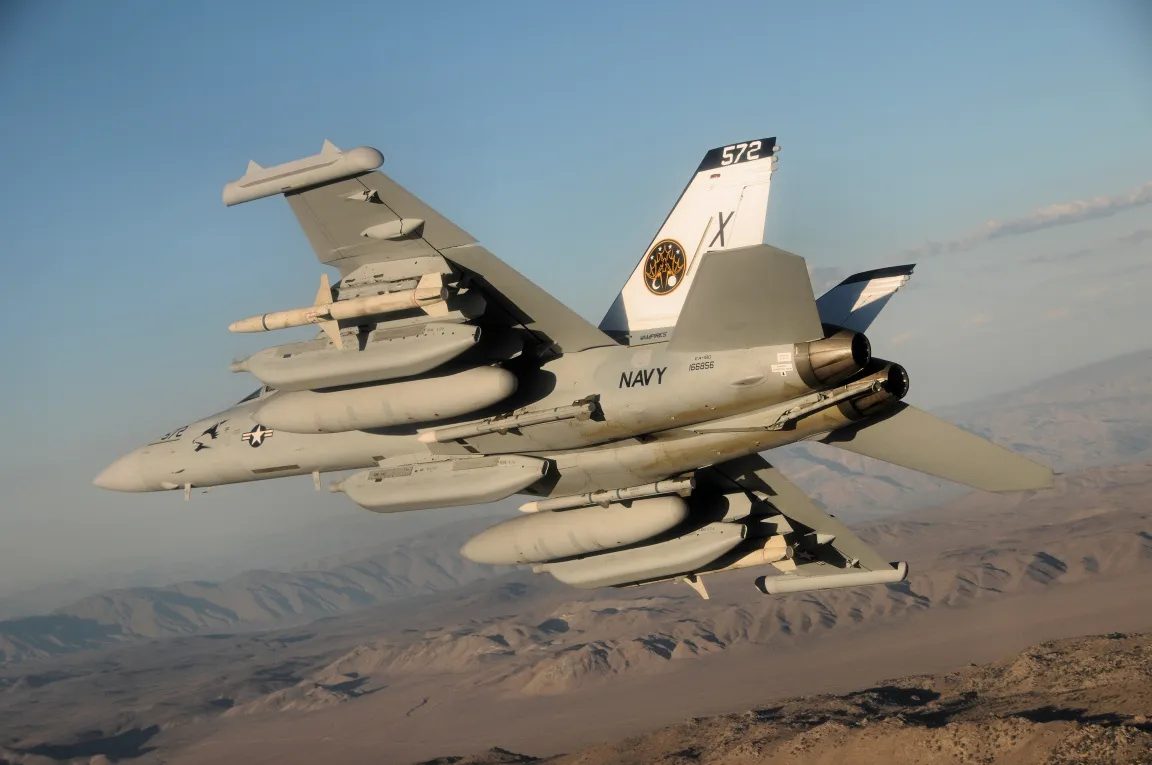
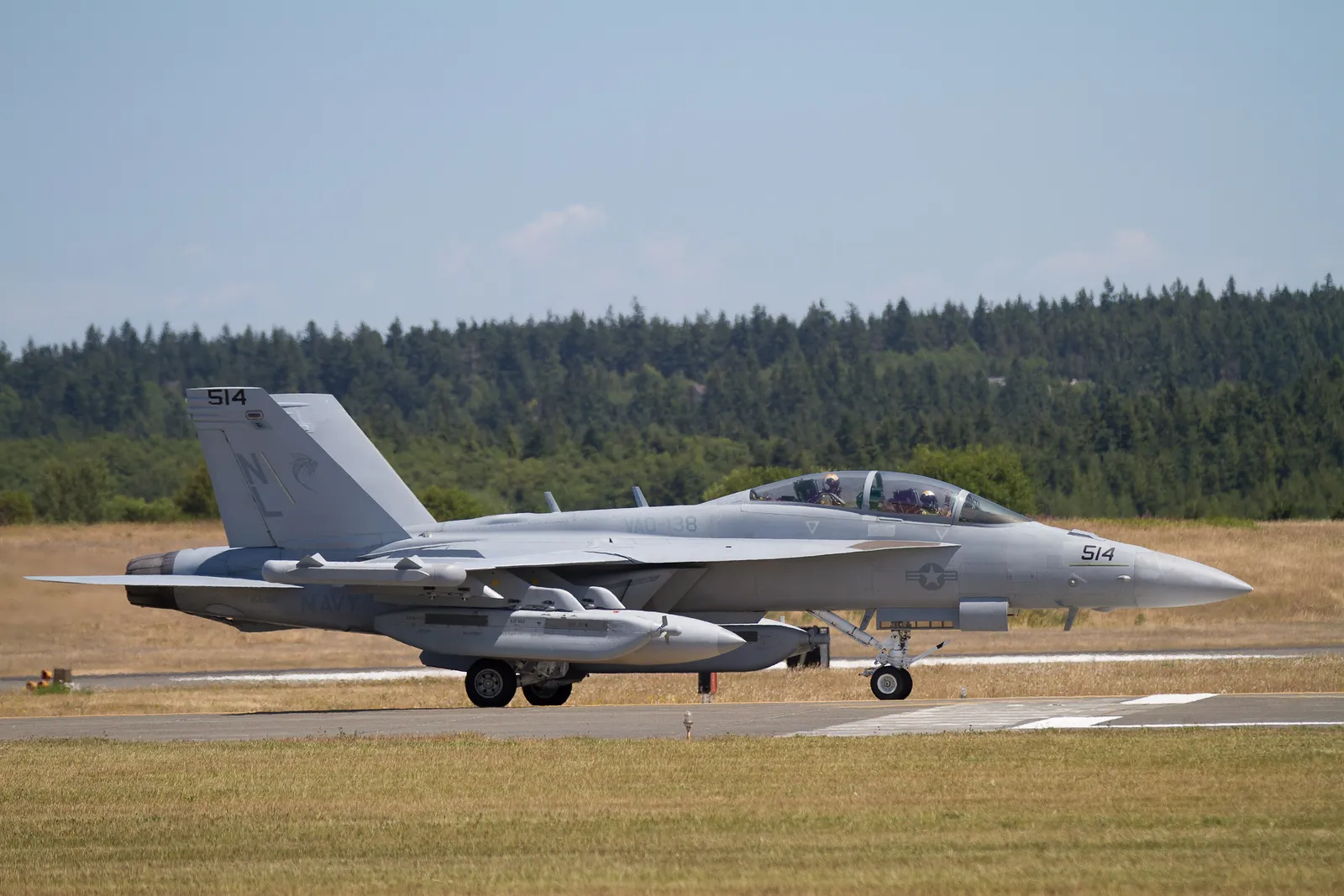
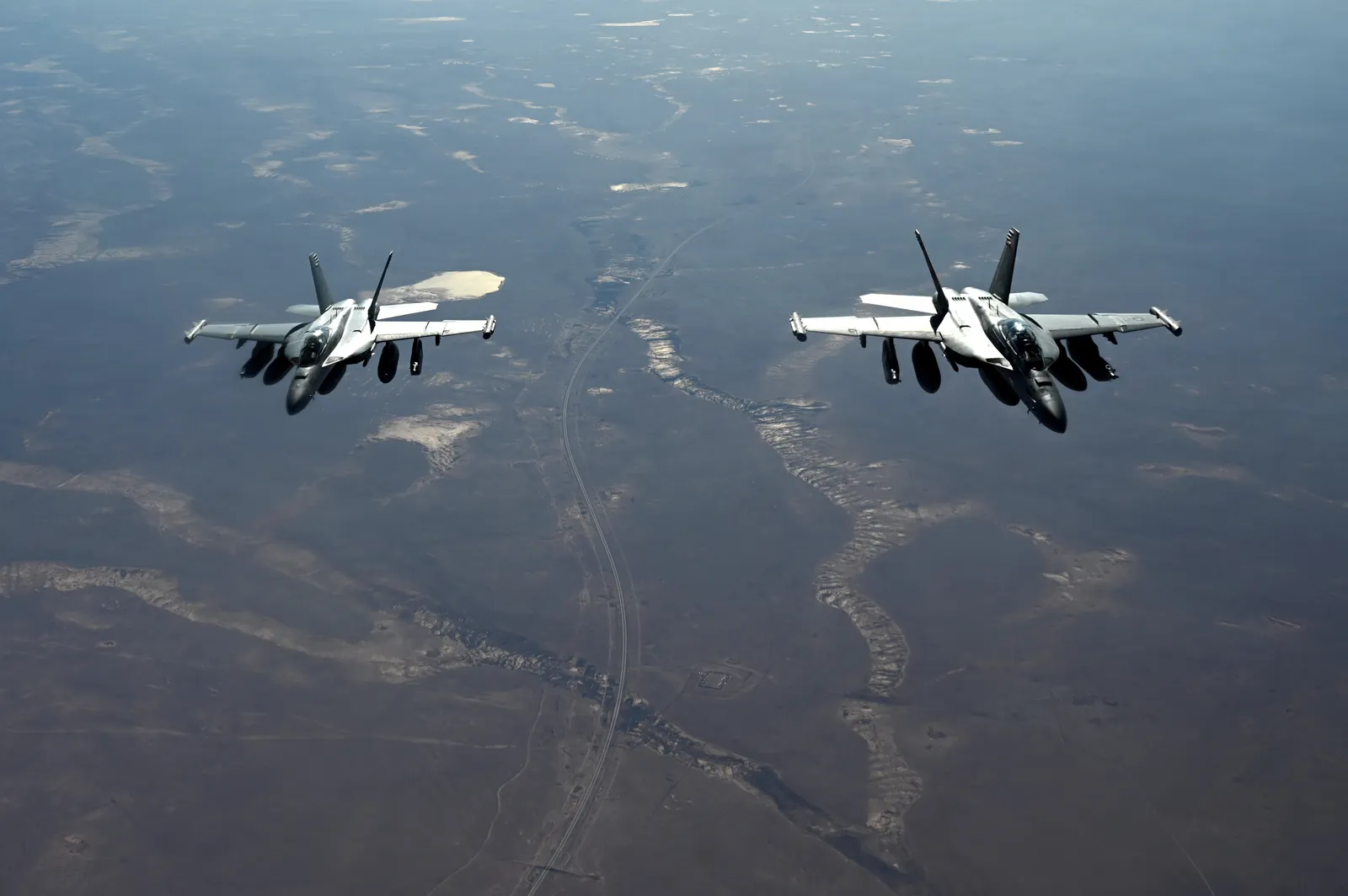
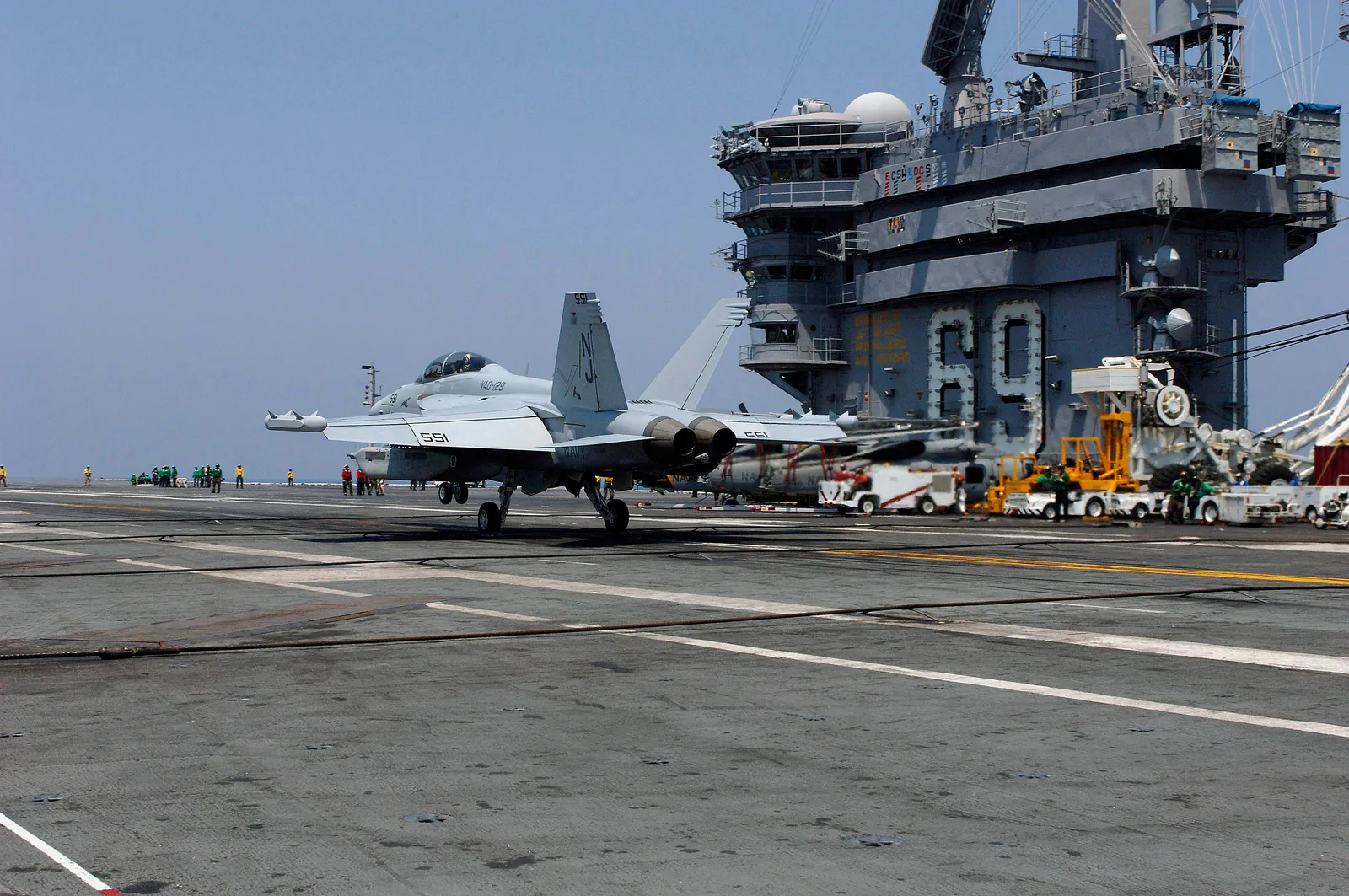
The EA-18G Growler is a Boeing-built electronic attack derivative of the two-seat F/A-18F Super Hornet, fielded to jam, detect, and attack hostile radars, communications, and air-defense networks while retaining missile carriage for suppression missions. U.S. Navy and Australian Growlers provide carrier or land-based electronic warfare support, with early combat deployment in Iraq and Libya in 2010-2011 and later documented use in 2014 Operation Inherent Resolve, Red Sea operations against Houthi forces, and the U.S.-Iran strike context.

Role in Conflicts

USNI News identified Carrier Air Wing 2 aboard USS Carl Vinson in the North Arabian Sea during the June 2025 U.S. strikes on Iranian nuclear sites and reported that the air wing included EA-18G Growler electronic-attack aircraft used for suppression of enemy air defenses, while noting that it was unclear whether Carl Vinson aircraft participated in the strikes.

Profile / Specs

Profile

Origin
United States
Built by
Boeing
Type
Carrier-capable airborne electronic attack aircraft
Service note
Introduced to U.S. Navy operational service in 2009 and active in current carrier air wings
Designer
Boeing and U.S. Navy
Designed
Early 2000s; first test aircraft entered production in 2004
Unit cost
$68 million
Produced
2007-present
Developed from
F/A-18F Super Hornet / F/A-18E/F Super Hornet family
Developed into
Growler Block II and H16/Next Generation Jammer-integrated EA-18G configurations

Specifications

Crew
2
Primary function
Airborne electronic attack
Electronic warfare suite
ALQ-218 receiver, ALQ-99 tactical jamming pods, ALQ-227 communications countermeasures, Joint Tactical Terminal-Receiver, and APG-79 AESA radar
Armament
Two AIM-120, two AGM-88 HARM, and three ALQ-99 tactical jamming pods in a representative Navy loadout; DOT&E also describes AGM-88 HARM/AARGM, AIM-120, and up to five ALQ-99 pods integrated with the internal AN/ALQ-218 system
Propulsion
Two F414-GE-400 turbofan engines, each rated at 22,000 lb static thrust
Combat range
850+ nautical miles with two AIM-120, three ALQ-99 pods, two AGM-88 HARM, and two 480-gallon external fuel tanks
Ceiling
50,000 ft
Dimensions
60.2 ft length; 44.9 ft wingspan; 16 ft height
Variants

EA-18G variants are best understood as F/A-18F-derived Growler configurations and upgrade states rather than a large export variant family.

VariantConfigurationDesignation notes
Growler Block IIDevelopmental modernization configuration

NAVAIR describes Growler Block II as in development with the Advanced Cockpit System, internal improvements shared with F/A-18E/F Block III, and Airborne Electronic Attack suite enhancements.

Sources: EA-18G Growler

Carried Munitions

NAVAIR and DOT&E identify AGM-88-series anti-radiation missiles and AIM-120 AMRAAM as the Growler's carried missile armament for suppression and self-protection.

Carried itemItem typeCarriage evidence
AGM-88 HARM, Air-to-surface anti-radiation missile, MunitionsAGM-88 HARMAir-to-surface anti-radiation missile

NAVAIR lists two AGM-88 HARM missiles in the representative EA-18G loadout, and DOT&E describes the Growler as employing AGM-88 HARM/AARGM for suppression of enemy air defenses.

Sources: EA-18G Growler, DOT&E FY2025 Annual Report - F/A-18E/F Super Hornet and EA-18G Growler

AIM-120 AMRAAM, Beyond-visual-range air-to-air missile, MunitionsAIM-120 AMRAAMBeyond-visual-range air-to-air missile

NAVAIR lists two AIM-120 missiles in the representative Growler armament and combat loadout, while DOT&E describes AIM-120 AMRAAM as the Growler's self-protection missile.

Sources: EA-18G Growler, DOT&E FY2025 Annual Report - F/A-18E/F Super Hornet and EA-18G Growler

Carried Electronic Warfare Systems

The Growler's relationship lane centers on externally carried jamming systems and the internal receiver suite that supports them; only existing public pod records are linked here.

Carried itemItem typeCarriage evidence
ALQ-99 Tactical Jamming System, Tactical jamming pod system, Electronic WarfareALQ-99 Tactical Jamming SystemTactical jamming pod system

NAVAIR says the ALQ-99 Tactical Jamming System is an external-carriage airborne electronic attack capability for the EA-18G Growler used against radar and communications targets, and DOT&E says the Growler can carry up to five ALQ-99 pods integrated with its internal AN/ALQ-218 system.

Sources: ALQ-99 Tactical Jamming System, EA-18G Growler, DOT&E FY2025 Annual Report - F/A-18E/F Super Hornet and EA-18G Growler

AN/ALQ-249(V)1 Next Generation Jammer Mid-Band, Carrier-based airborne electronic attack jamming pod system, Electronic WarfareAN/ALQ-249(V)1 Next Generation Jammer Mid-BandAirborne electronic attack pod system

NAVAIR describes AN/ALQ-249 NGJ-MB as an external-carriage AEA capability for the EA-18G, with pod and aircraft modifications enabling carriage, communication, and employment; the Navy declared NGJ-MB initial operational capability in December 2024.

Sources: Next Generation Jammer, US Navy declares initial operational capability for the Next Generation Jammer Mid-Band system

Timeline

EA-18G Growler Key Events

  1. First test aircraft enters production

    NAVAIR says the first Growler test aircraft went into production in October 2004, starting the dedicated electronic-attack variant's test program.

    Sources: EA-18G Growler

  2. Initial operational capability

    NAVAIR says the Growler reached initial operational capability in September 2009 after first delivery to VAQ-129 and the transition of additional squadrons in 2010.

    Sources: EA-18G Growler

  3. First combat deployment ends

    Boeing reported that VAQ-132 completed an eight-month deployment that included combat operations in CENTCOM and AFRICOM and support to NATO operations in Libya.

    Sources: Boeing EA-18G Growlers Complete 1st Combat Deployment

  4. First Growler deployment supports Afghanistan mission

    VAQ-130's first EA-18G deployment supported Operation Enduring Freedom in Afghanistan for seven months while the squadron operated from the Gulf of Oman.

    Sources: VAQ-130 Squadron History

  5. NGJ-MB enters production phase

    NAVAIR says AN/ALQ-249 Next Generation Jammer Mid-Band reached Milestone C in 2021, moving the EA-18G external-carriage jammer into production and deployment.

    Sources: Next Generation Jammer

  6. NGJ-MB reaches initial operational capability

    NAVAIR reported that the Navy declared NGJ-MB initial operational capability in December 2024 after VAQ-133 deployed the system aboard USS Abraham Lincoln.

    Sources: US Navy declares initial operational capability for the Next Generation Jammer Mid-Band system

Media
Related Weapon Systems
F/A-18E/F Super Hornet, Carrier-capable multirole strike fighter, Aircraft & UAVsAircraft & UAVsF/A-18E/F Super HornetCarrier-capable multirole strike fighterBoeing's F/A-18E/F Super Hornet is a U.S. Navy carrier-capable multirole strike fighter developed from the Hornet family for fleet air defense, escort, interdiction, close air support, aerial refueling, suppression of enemy air defenses, and day/night precision strike. The single-seat F/A-18E and two-seat F/A-18F anchor carrier air wings through Block II and Block III upgrades, with documented U.S. Navy use in Afghanistan drawdown support, Operation Inherent Resolve, the Red Sea crisis, Somalia strikes, and U.S. operations against Iran.
F/A-18 Hornet (Tactical), Carrier-capable multirole strike fighter, Aircraft & UAVsAircraft & UAVsF/A-18 Hornet (Tactical)Carrier-capable multirole strike fighterThe F/A-18 Hornet (Tactical) is the National Naval Aviation Museum's label for the original McDonnell Douglas F/A-18 A-D Hornet family, a twin-engine carrier-capable strike fighter that entered Marine Corps service in 1983 and U.S. Navy service in 1984. NAVAIR describes the Hornet as the nation's first all-weather fighter and attack aircraft; its documented combat record spans Libya, Desert Storm, Kosovo, Afghanistan, Iraq, and later coalition campaigns.
ALQ-99 Tactical Jamming System, Tactical jamming pod system, Electronic WarfareElectronic WarfareALQ-99 Tactical Jamming SystemTactical jamming pod systemThe ALQ-99 Tactical Jamming System is a U.S. external-carriage airborne electronic attack pod family used to jam radar and communications targets for suppression of enemy air defenses. NAVAIR says it entered service in 1971, served on the EA-6B Prowler before transitioning to the EA-18G Growler in 2010, and remains in use alongside Next Generation Jammer pods, including documented VAQ-133 carriage during 2026 Iran War strike operations.
AN/ALQ-249(V)1 Next Generation Jammer Mid-Band, Carrier-based airborne electronic attack jamming pod system, Electronic WarfareElectronic WarfareAN/ALQ-249(V)1 Next Generation Jammer Mid-BandCarrier-based airborne electronic attack jamming pod systemThe AN/ALQ-249(V)1 Next Generation Jammer Mid-Band is Raytheon's airborne electronic attack pod for U.S. Navy and Royal Australian Air Force EA-18G Growlers, replacing part of the ALQ-99 mission set with two-pod ship sets built around active electronically scanned arrays and a digital back end. It reached initial operational capability in December 2024 and has documented combat-linked use from VAQ-133 deployments in the 2023 Red Sea Crisis and 2026 Iran War.
EC-130H Compass Call, Airborne electronic attack aircraft, Aircraft & UAVsAircraft & UAVsEC-130H Compass CallAirborne electronic attack aircraftThe EC-130H Compass Call is the U.S. Air Force's legacy airborne electronic-attack aircraft, a heavily modified C-130H that denies, degrades, and disrupts adversary command-and-control communications, radars, and navigation systems. Its mission crew operates permanently installed electronic-attack equipment for U.S. and coalition air, surface, maritime, and special-operations support, while the EC-130H fleet transitions to the EA-37B Compass Call successor.

Sources