Profile
- Origin
- United States
- Built by
- United Launch Alliance
- Type
- Heavy-lift orbital launch vehicle
- Designer
- United Launch Alliance
- Produced
- 2020s-present launch service
- Developed from
- Atlas V and Delta IV launch-vehicle heritage
Vulcan Centaur is United Launch Alliance's single-core successor to Atlas V and Delta IV for national-security, civil, science, cargo, and commercial orbital launch missions. Public sources document payload delivery and Space Force launch certification, not direct use as a battlefield weapon in a named conflict.
Vulcan Centaur's documented military role is orbital launch support rather than direct conflict employment. Space Systems Command certified the launch system for National Security Space Launch missions in March 2025, and later releases describe Vulcan delivering Space Force payloads to geosynchronous orbits.
SSC described certification as a multi-year process with two flight demonstrations, payload-interface verification, subsystem design reviews, and hardware/software audits.
The first operational Vulcan NSSL mission carried demonstrations and experiments for DoD customers, including the NTS-3 navigation experiment, to geosynchronous orbit.
SSC and ULA identified USSF-87 as a VC4S mission carrying GSSAP and additional research, development, and training payloads for geosynchronous operations.
Sources: SSC Vulcan Certification; SSC USSF-106 Launch; SSC USSF-87 Launch; Vulcan USSF-87 Mission.
ULA presents Vulcan Centaur as a new launch vehicle built from selected Atlas V and Delta IV experience rather than a variant of either older system. The user guide ties Vulcan's reliability model, fairing practice, avionics, Centaur upper-stage heritage, booster sizing, GEM 63XL booster path, and launch sites to those earlier ULA families.
Sources: Vulcan Launch Systems User's Guide; Vulcan Centaur Overview.
The public Vulcan designation system is compact: VC identifies the Vulcan booster and Centaur V upper stage, the third character records the solid-rocket-booster count, and the final letter identifies the standard or long payload fairing. ULA's user guide lists zero, two, four, and six-booster combinations, with 15.5 m standard and 21.3 m long fairing options.
The first stage uses two BE-4 engines burning liquid oxygen and liquefied natural gas.
Centaur V is the cryogenic second stage, with restartable RL10 engines and stainless-steel pressure-stabilized tanks in ULA's 2023 guide.
GEM 63XL solid rocket boosters are added in mission-specific sets; ULA lists two- and six-booster versions as the standard offerings.
Standard and long 5.4 m fairings let the same core architecture cover different spacecraft volume requirements and multi-manifest missions.
Sources: Vulcan Launch Systems User's Guide; Vulcan Centaur Overview; Vulcan Rocket.
ULA's Vulcan naming convention uses VC for the Vulcan booster and Centaur V upper stage, a third character for the number of GEM 63XL solid rocket boosters, and S or L for the standard or long payload fairing.
| Variant | Configuration | Designation notes |
|---|---|---|
| VC2S | Two solid rocket boosters, standard payload fairing | ULA's user guide gives VC2S as the example configuration, and the January 2024 Cert-1 mission used a Vulcan VC2S vehicle. Sources: Vulcan Launch Systems User's Guide, Vulcan Centaur Overview |
| VC4S | Four solid rocket boosters, standard payload fairing | Space Systems Command identified the USSF-87 mission as a VC4S launch with Centaur V, four solid rocket motors, and the standard payload fairing. Sources: SSC USSF-87 Launch |
| VC6L | Six solid rocket boosters, long payload fairing | ULA's configuration key allows six-booster and long-fairing combinations for higher-performance or larger-volume missions. Sources: Vulcan Launch Systems User's Guide |
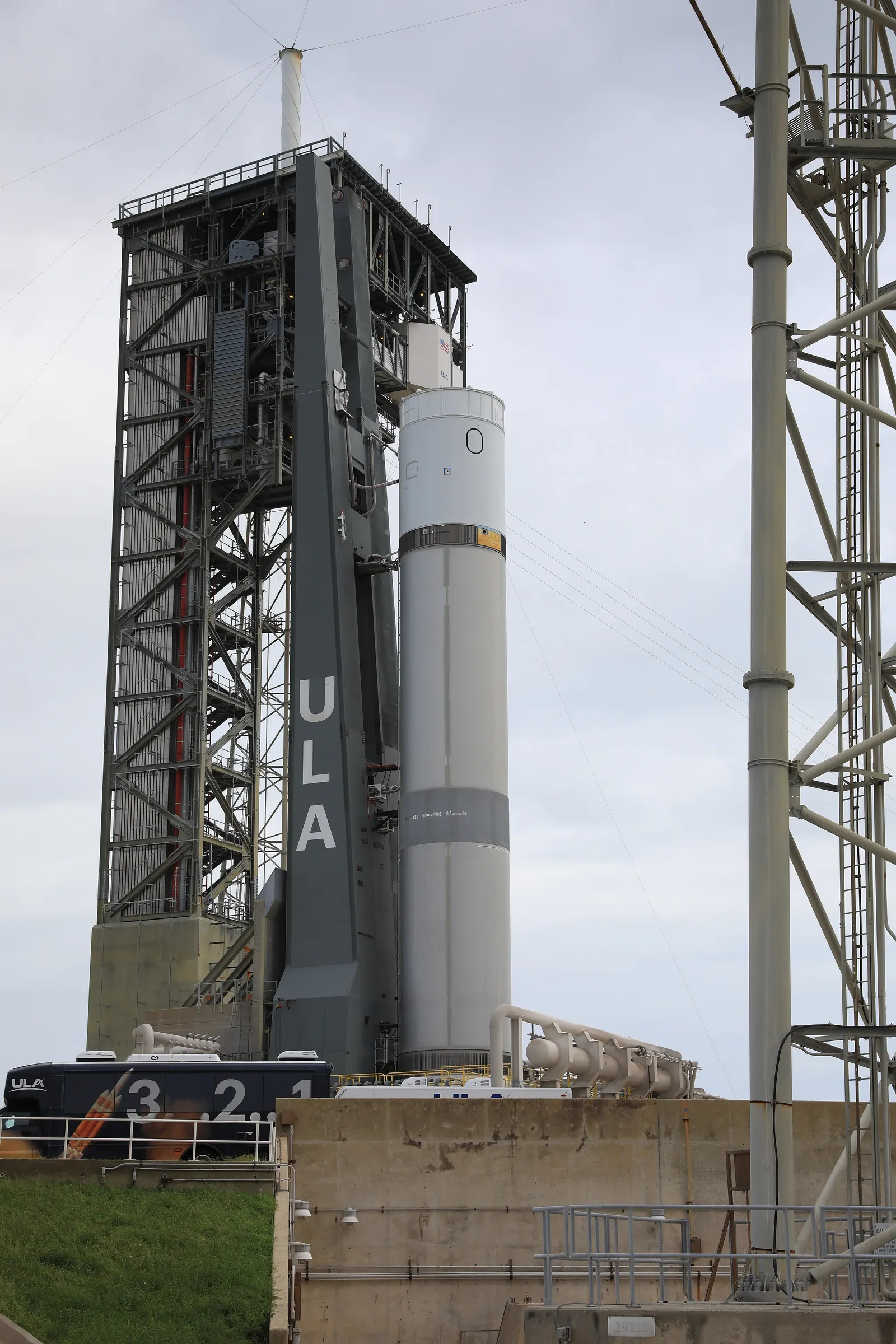
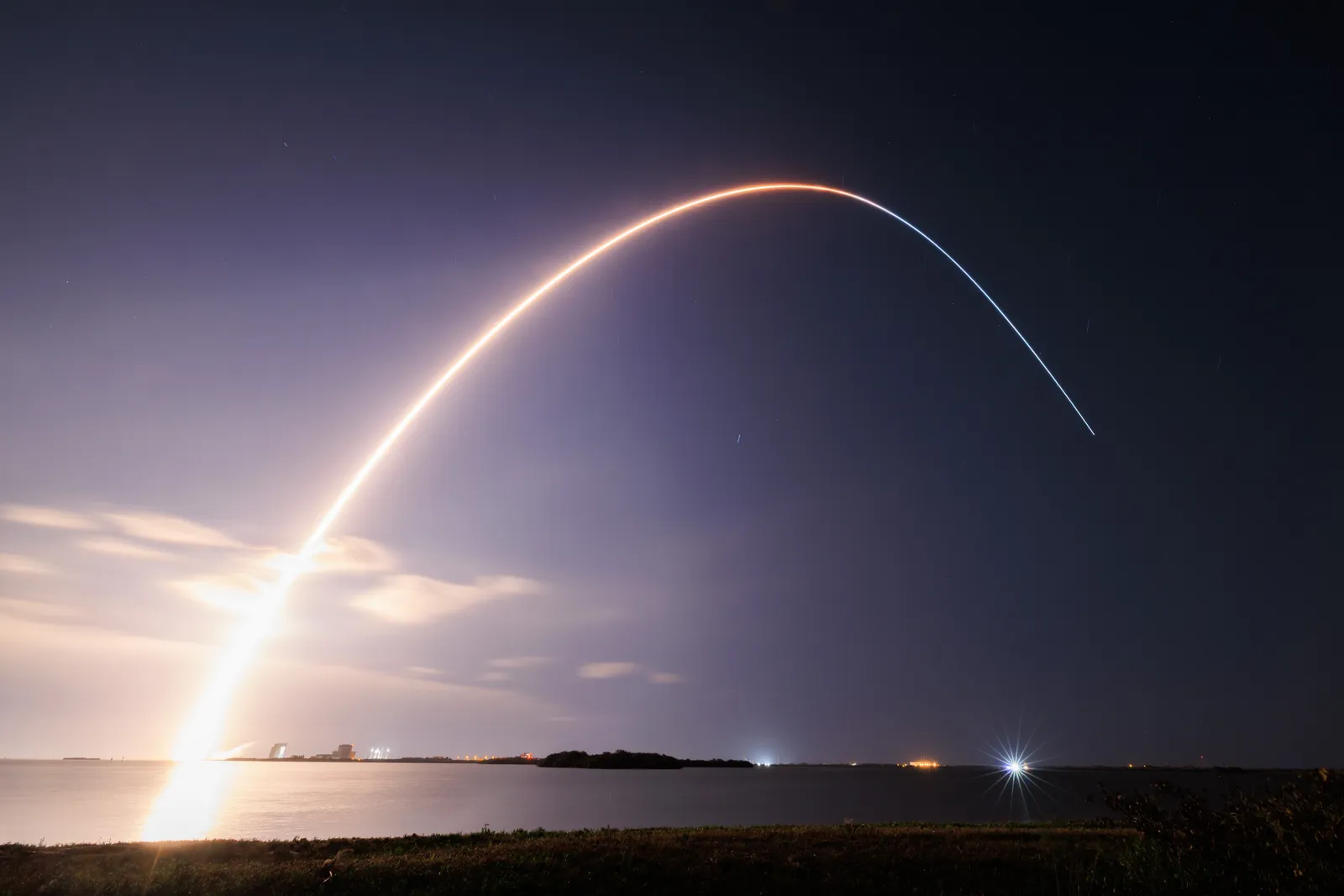
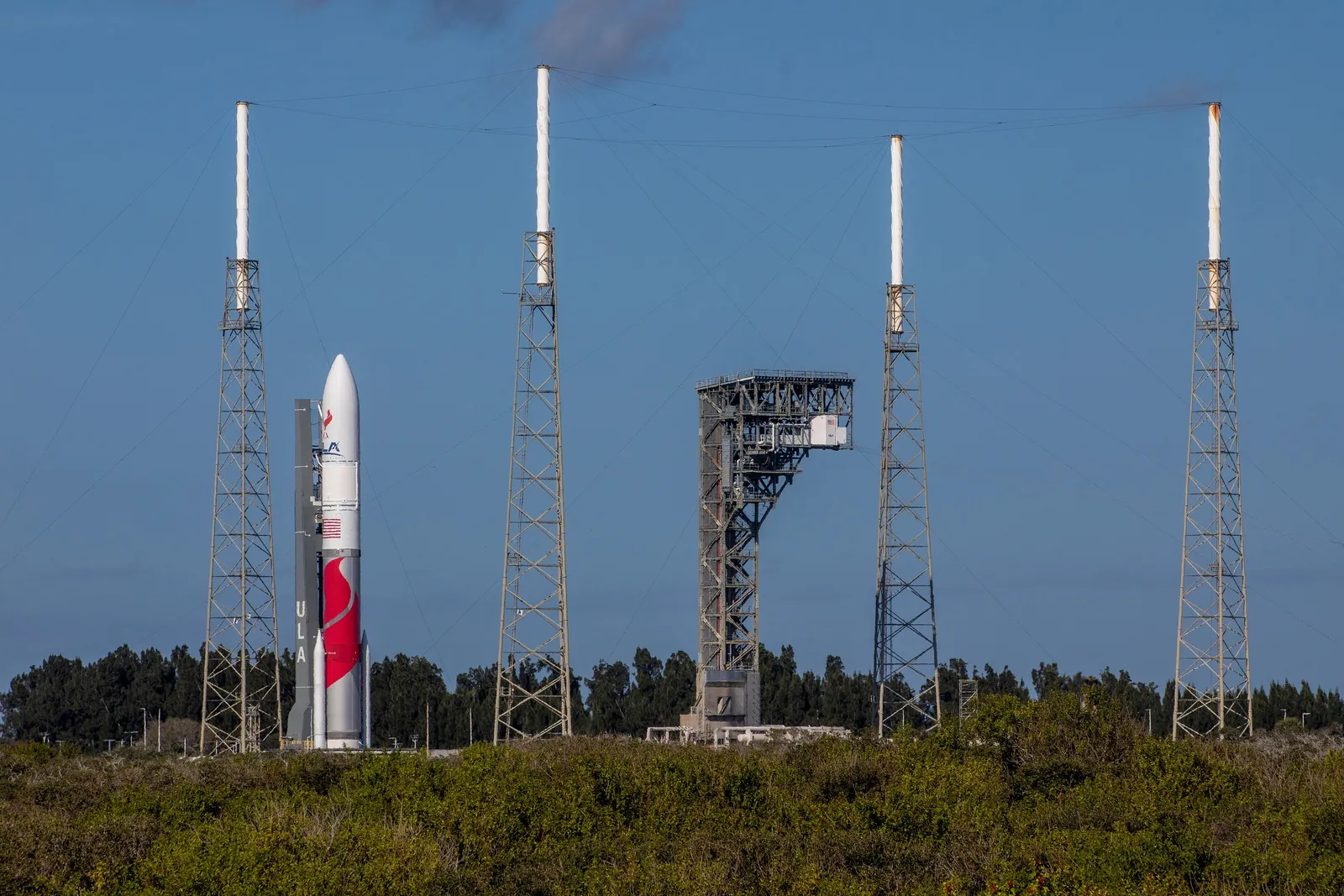
NASA image provenance and ULA mission material identify the January 2024 Peregrine mission as an early Vulcan launch from Space Launch Complex 41.
Space Systems Command announced Vulcan certification for National Security Space Launch missions after two flight demonstrations and extensive vehicle, interface, subsystem, hardware, and software reviews.
Space Systems Command reported that Vulcan delivered the USSF-106 demonstrations and experiments to geosynchronous orbit for DoD customers.
ULA reported that a Vulcan rocket launched the USSF-87 mission for the U.S. Space Force's Space Systems Command from Cape Canaveral.