- Architecture
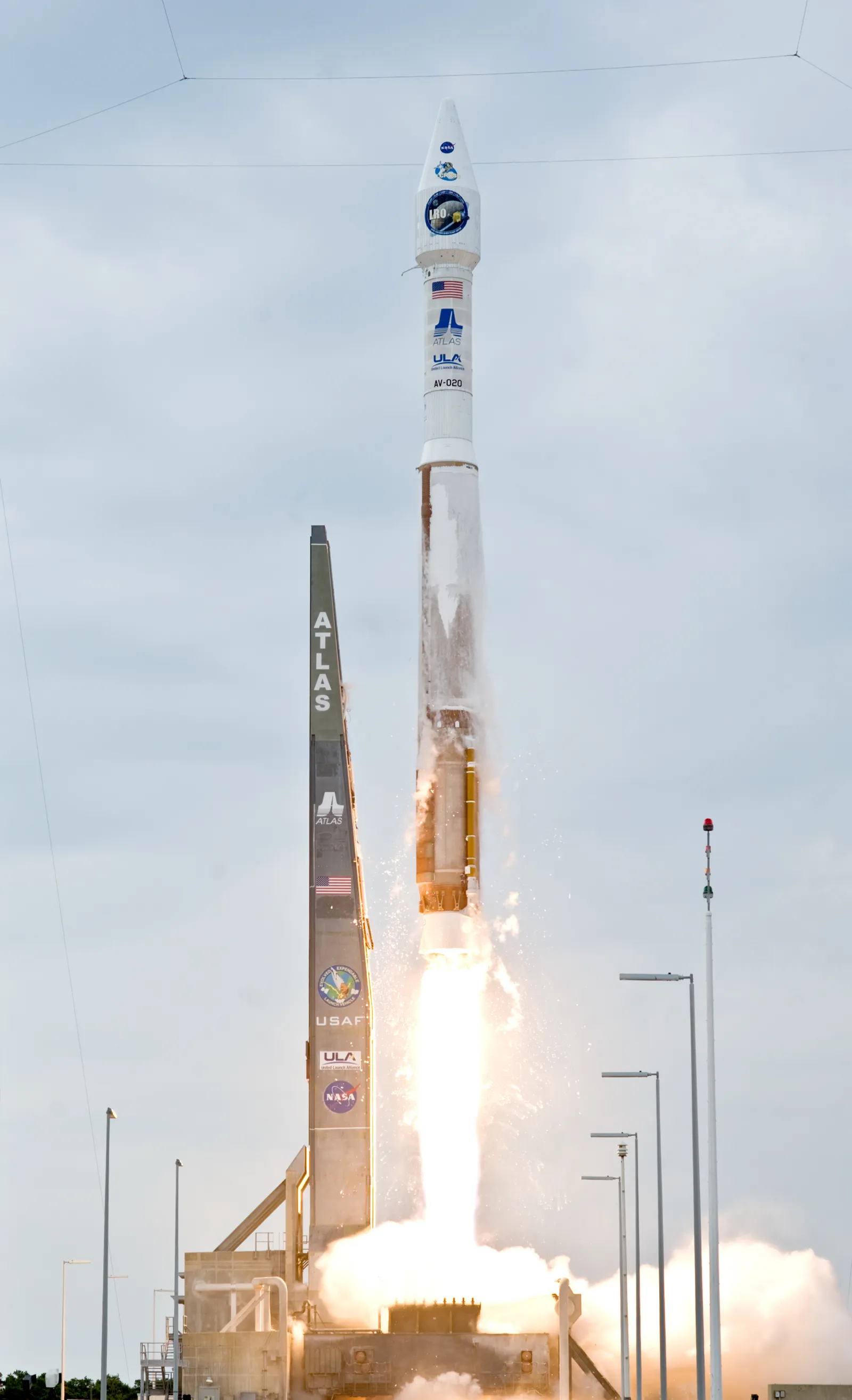
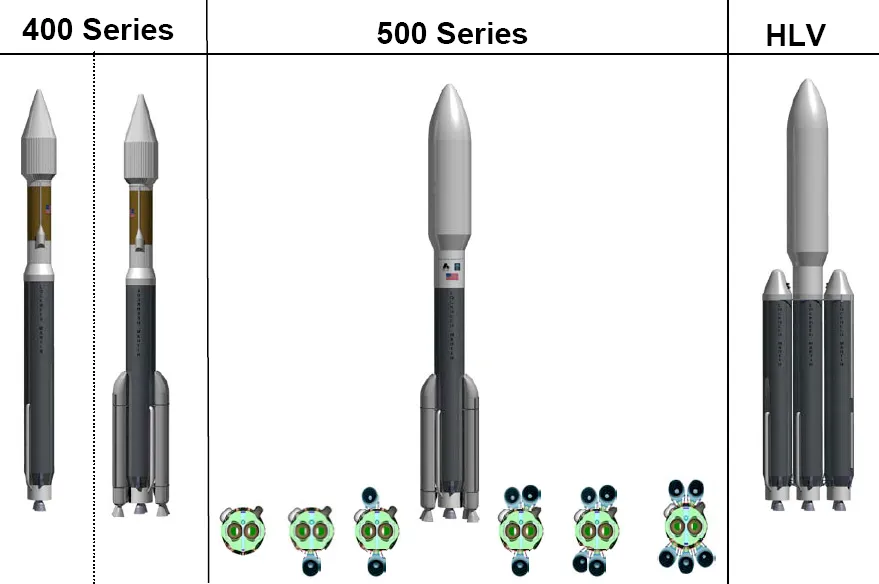
- Common core booster, Centaur upper stage, optional solid rocket boosters, and 4 m or 5 m class payload fairing options; Starliner missions use a no-fairing N22 configuration
- First stage
- Common core booster powered by one RD-180 engine using RP-1 kerosene and liquid oxygen
- RD-180 thrust
- ULA lists 860,300 lb nominal sea-level thrust for the RD-180 main engine on its Atlas V data page
- Upper stage
- Centaur upper stage using RL10 liquid hydrogen/liquid oxygen propulsion, available in single- or dual-engine configuration
- Solid rocket boosters
- Atlas V can integrate up to three boosters on 400-series vehicles and up to five on 500-series vehicles
- GEM 63 transition
- NROL-101 was the first Atlas V mission to fly Northrop Grumman GEM 63 solid rocket boosters
- Fairings
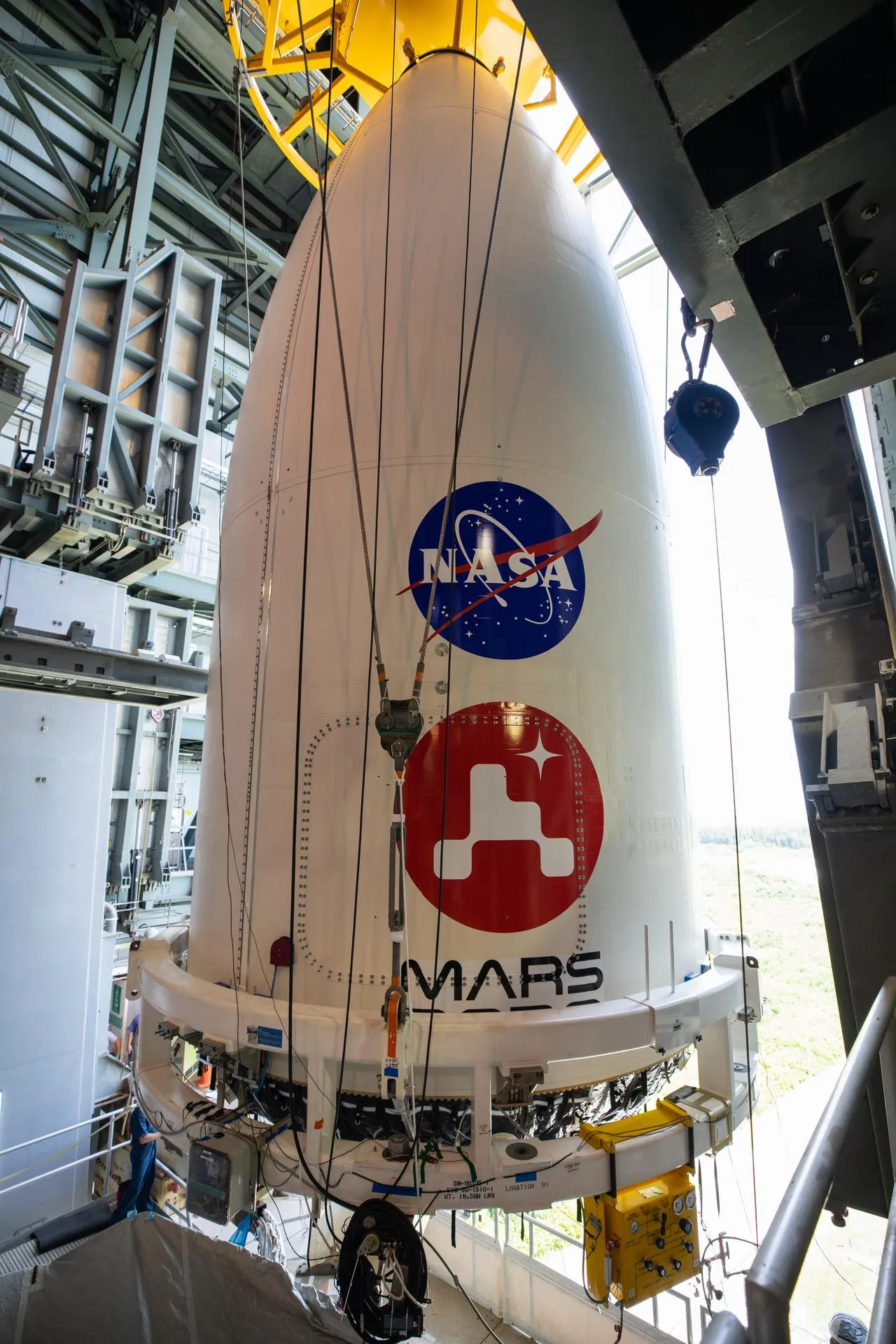
- ULA lists both 4 m and 5 m payload fairing families, with three lengths in each diameter class
- Performance range
- ULA's table lists Atlas V 401 at 4,750 kg to GTO and 9,800 kg to reference LEO, while Atlas V 551 is listed at 8,900 kg to GTO and 18,850 kg to reference LEO
- Launch sites
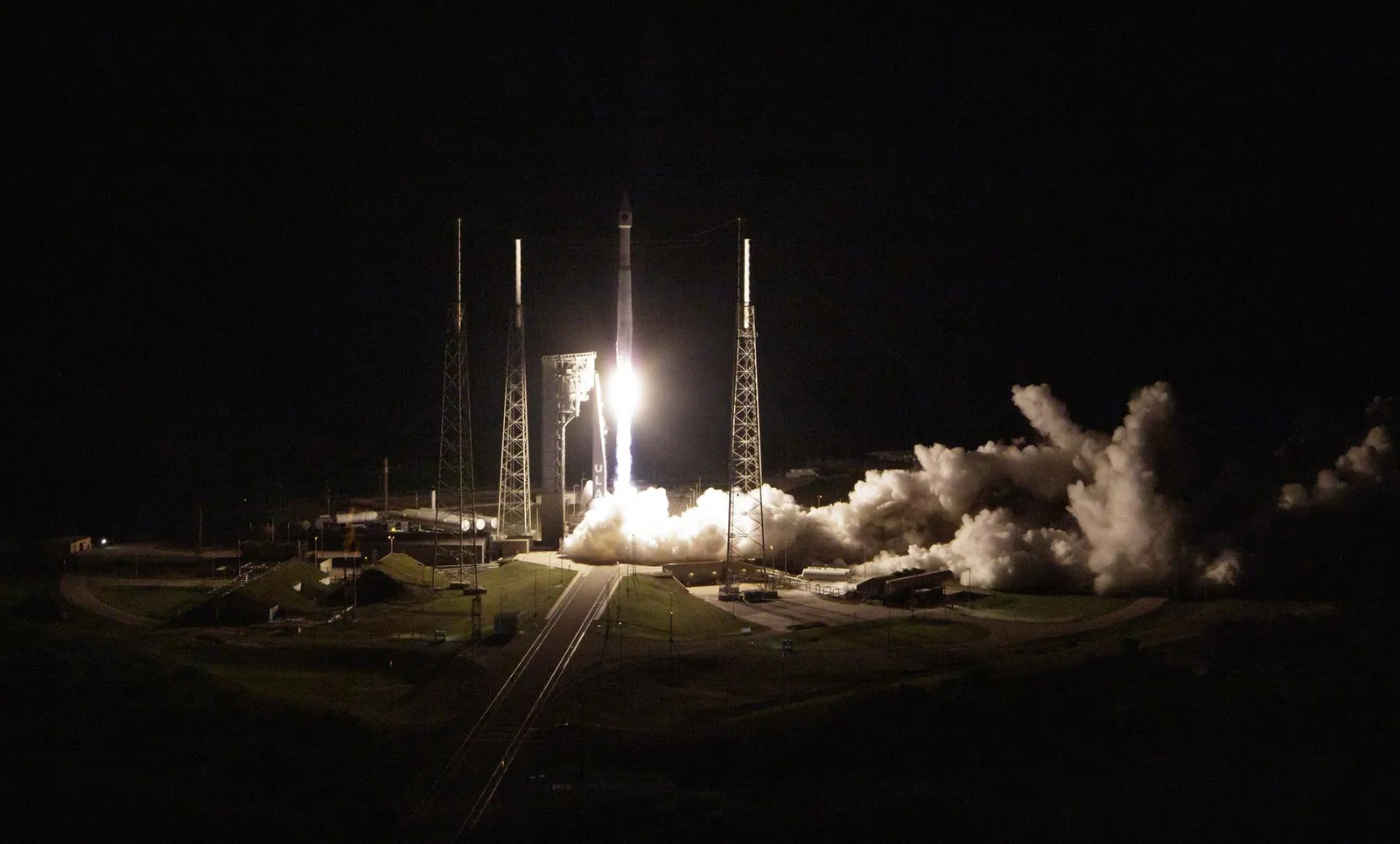
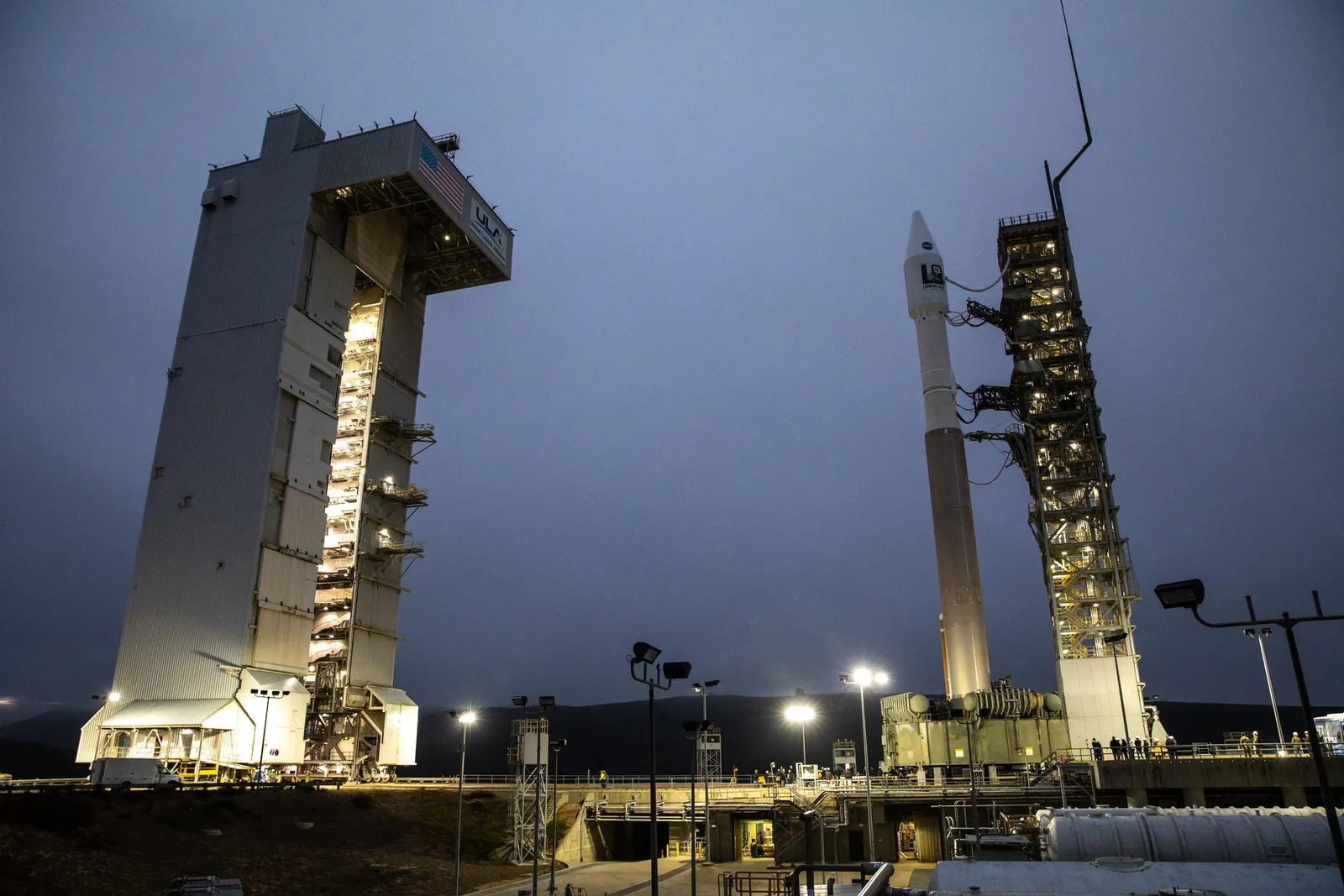
- ULA launch operations are conducted from Cape Canaveral Space Force Station, Florida, and Vandenberg Space Force Base, California
- Mission base
- ULA's Atlas V mission index lists 102 Atlas V missions and includes national-security, NASA, commercial, and crewed launches