Electronic Warfare

SQUIRE

Also known as
  • Thales SQUIRE
  • SQUIRE Ground Surveillance Radar
  • SQUIRE Man-Portable Surveillance Radar
  • Signaal Quiet Universal Intruder Recognition Equipment

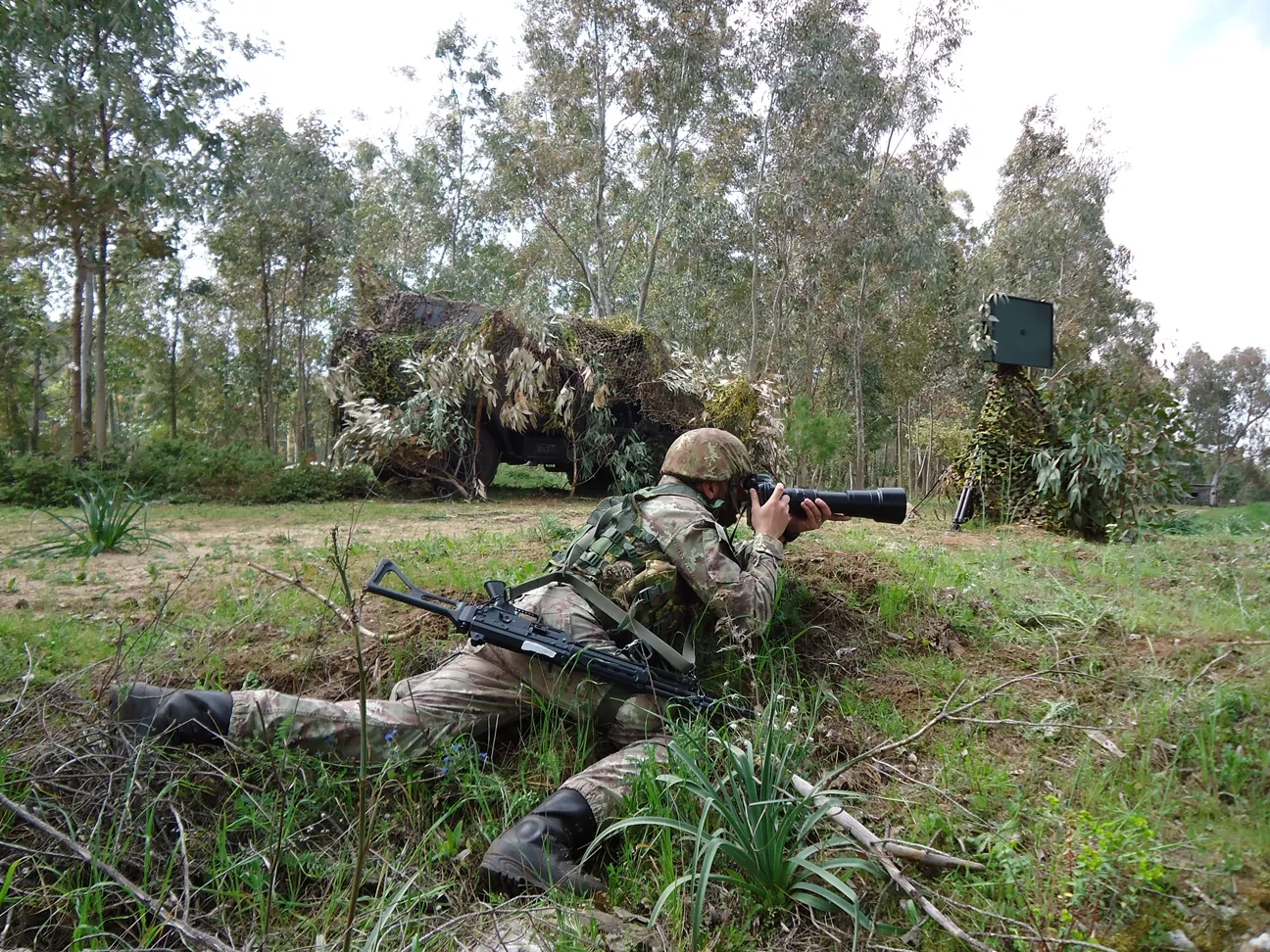
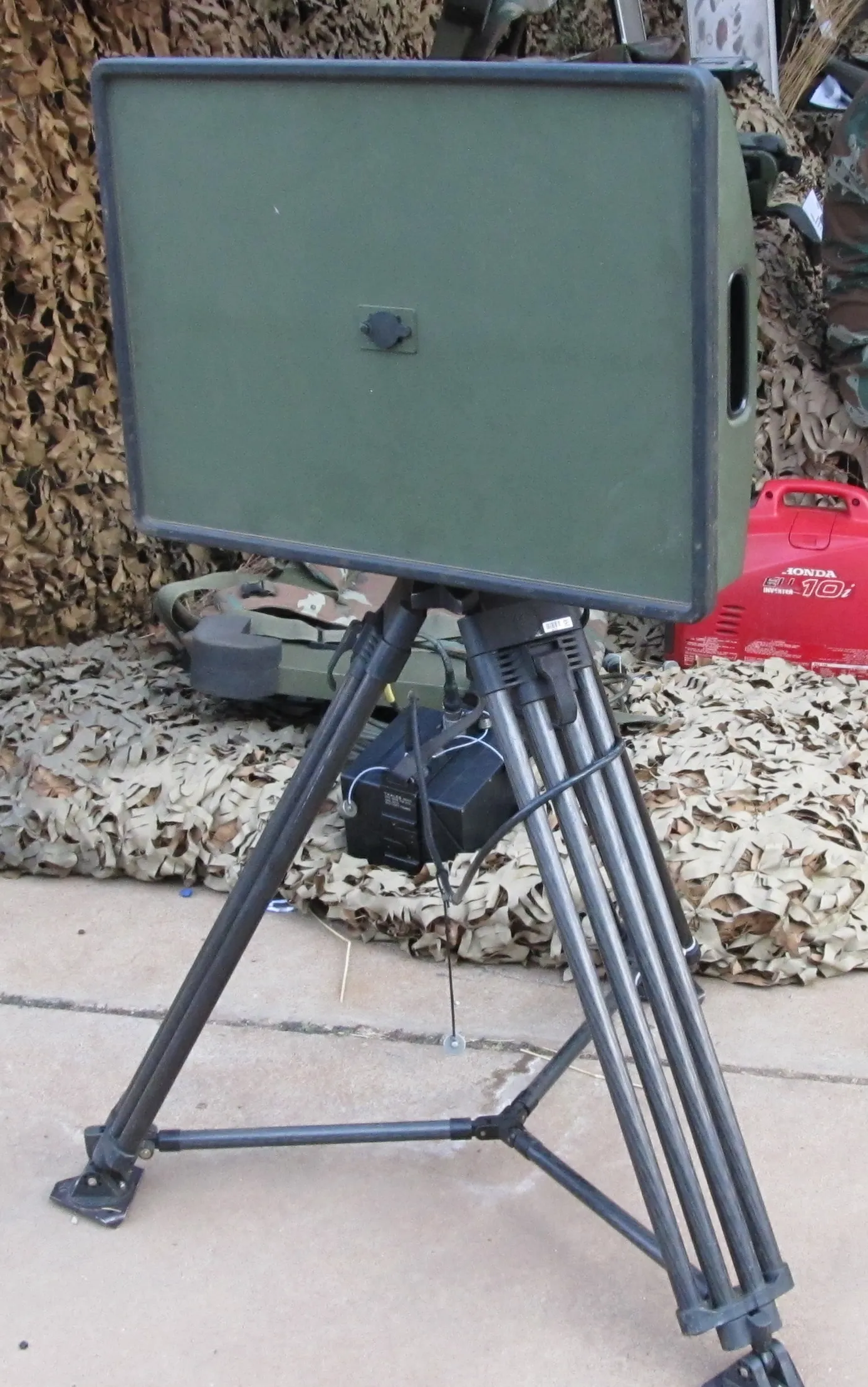
SQUIRE is a Thales Nederland man-portable ground surveillance radar built to detect, track, and classify moving ground, low-level air, and maritime targets while supporting artillery and mortar fire adjustment. Dutch parliamentary material identified Squire battlefield surveillance radars among the Netherlands' February 2022 military deliveries for Ukraine, and Janes reported that two Squire 2D ground-surveillance radars were supplied alongside AN/TPQ-36 Firefinder weapon-locating radars.

Role in Conflicts

Dutch And Export Context

The Ukraine transfer came from an established Dutch radar inventory rather than a one-off development program. Public reporting ties SQUIRE to Thales Nederland production in Hengelo, Dutch Army and Marine Corps service, upgrades for drone detection, and export customers such as Norway and Belgium.

Dutch baseline

The Netherlands ordered 62 systems in 2002 for land and marine forces.

Manufacturing site

Thales Norway reporting cited by Microwave Journal identifies Hengelo, Netherlands, as the Squire manufacturing location.

Upgrade path

A 2018 Dutch contract upgraded 60 radars for faster deployment and drone detection/classification tasks.

Belgian transfer

Belgium bought nine Dutch Squire radars for its ISTAR Battalion, with the Netherlands to modernize them to Block 2 before service.

Belgian exercise use

Belgian Defence later described a Belgian SQUIRE team detecting air and ground activity during Exercise Hard'eche in France.

Profile / Specs

Profile

Origin
Netherlands
Built by
Thales
Type
Man-portable ground surveillance radar
Service note
2000s Dutch ground-surveillance radar family upgraded for drone detection and transferred to Ukraine after Russia's 2022 full-scale invasion.
Designer
Thales Nederland B.V.
Produced
In production by the early 2000s; more than 400 systems were reported in use, on order, or sold by the mid-2010s.

Specifications

Role
Man-portable battlefield, border, coastal, and site-surveillance radar
Radar type
I/J-band frequency-modulated continuous-wave radar
Instrumented range
48 km
Transmit power
1 W maximum
Typical mini-UAV detection
6 km for a 0.01 square meter target
Typical person detection
11 km for 0.5 square meter and 13 km for 1 square meter targets
Typical helicopter detection
19 km for a 5 square meter target
Typical vehicle detection
22 km for a 10 square meter target
Typical main battle tank detection
33 km for a 50 square meter target
Track capacity
Up to 1000 tracks
Accuracy
Azimuth <= 5 mils; range <= 5 m at the 3 km range setting
Integrated electro-optics
640 x 512 uncooled infrared camera
Radar sensor weight
18 kg
Full man-portable set
Less than 45 kg according to Janes; Dutch upgrade reporting describes two backpacks under 23 kg each
Power input
24 V DC, about 50 W typical system power
Operating features
Threat-warning alarm zones, track-while-scan, sea mode, TCP/IP networking, and artillery or mortar fire adjustment
Detection And Fire-Adjustment Role

SQUIRE is a sensor rather than a launcher. Its value is in giving small units an all-weather moving-target picture, warning of activity in selected zones, and feeding target or fall-of-shot information to artillery and mortar units.

Radar type

I/J-band FMCW surveillance radar with automatic and manual Doppler target classification.

Ground surveillance

Thales data lists detection and classification of moving targets out to a 48 km instrumented range.

Low-level air layer

The same data lists mini-UAV detection and slow-aircraft surveillance below 360 km/h.

Fire support

Public specifications describe artillery and mortar fire-adjustment support; Janes also describes target acquisition and artillery fire adjustment.

Variants

Public sources distinguish original Dutch SQUIRE sets from later upgraded configurations optimized for faster deployment and drone detection.

VariantConfigurationDesignation notes
SQUIRE Block IIUpgraded Dutch and Belgian-service configuration

The Dutch Defence Materiel Organisation contracted Thales in 2018 to upgrade 60 SQUIRE radars for faster deployment and drone detection/classification; Belgium then bought nine Dutch Squire radars to be modernized to Block 2 for its ISTAR battalion.

Sources: Unmanned Airspace SQUIRE Upgrade, DefenseMirror Belgium Squire

Norwegian updated SquireVehicle-mounted export configuration

The 2013 Norway order covered 44 radars with an updated processor board, with most systems to be mounted on Vingtaqs II long-range surveillance, observation, and reconnaissance vehicles.

Sources: Microwave Journal Norway Squire

Timeline

SQUIRE Key Events

  1. Dutch SQUIRE order

    The Dutch Ministry of Defence and Thales Nederland signed a contract for 62 SQUIRE systems, including logistics and training, for Royal Netherlands Army and Royal Netherlands Marine Corps use.

    Sources: Unmanned Airspace SQUIRE Upgrade

  2. Norway order reported

    Microwave Journal reported a Thales and Vinghog contract for 44 Squire battlefield surveillance radars for Norway, with Thales saying the radars were manufactured in Hengelo, Netherlands.

    Sources: Microwave Journal Norway Squire

  3. Dutch upgrade contract reported

    The Dutch Defence Materiel Organisation contracted Thales to upgrade 60 SQUIRE radars for faster deployment and improved drone detection and classification.

    Sources: Unmanned Airspace SQUIRE Upgrade

  4. Belgium buys Dutch Squire radars

    DefenseMirror reported that Belgium bought nine Squire radars from the Dutch armed forces, with the Netherlands to modernize the systems to Block 2 before Belgian ISTAR Battalion service.

    Sources: DefenseMirror Belgium Squire

  5. Netherlands approves Ukraine delivery

    A Dutch parliamentary letter identified two Squire battlefield surveillance radars among military goods approved for Ukraine, with Ukrainian land and naval forces listed as end users.

    Sources: Dutch Parliament Ukraine Military Goods Letter

  6. Janes reports two-radar transfer

    Janes reported that the Netherlands would supply two Squire man-portable 2D ground-surveillance radars and five AN/TPQ-36 Firefinder radars to Ukraine.

    Sources: Janes Netherlands Squire Ukraine

  7. Belgian SQUIRE team supports multinational exercise

    Belgian Defence reported that a Belgian radar team used SQUIRE during Exercise Hard'eche in France to detect air and ground activity and pass tactical information to participating units.

    Sources: Belgian Defence Hardeche SQUIRE Exercise

Media
Related Weapon Systems
AN/TPQ-37 Firefinder radar, Long-range counter-battery radar, Electronic WarfareElectronic WarfareAN/TPQ-37 Firefinder radarLong-range counter-battery radarThe AN/TPQ-37 Firefinder is a U.S. long-range weapon-locating radar built to detect artillery and rocket launches, compute firing points, and pass coordinates for counter-battery fire. Developed from the Army's Firefinder program and produced by Hughes Aircraft before later Raytheon/ThalesRaytheonSystems sustainment and upgrade work, the Q-37 complemented the shorter-range AN/TPQ-36, shaped Coalition counterbattery tactics in Desert Storm, and later appeared in Ukraine's partner-supplied artillery reconnaissance network.
AN/TPQ-53 multimission radar, Mobile multimission counterfire and air-surveillance radar, Electronic WarfareElectronic WarfareAN/TPQ-53 multimission radarMobile multimission counterfire and air-surveillance radarThe AN/TPQ-53, commonly called Q-53, is a Lockheed Martin mobile active electronically scanned array radar that began as the Army's counterfire replacement for AN/TPQ-36 and AN/TPQ-37 Firefinder radars. Its baseline mission is to detect, classify, track, and locate mortar, artillery, and rocket launches in 90-degree or 360-degree modes, while software and open-architecture upgrades have extended the same family into counter-UAS, air-surveillance, and wider multimission radar roles.
1RL239/1RL239M ARK-1/ARK-1M Rys counter-battery radar, Tracked artillery-locating counter-battery radar, Electronic WarfareElectronic Warfare1RL239/1RL239M ARK-1/ARK-1M Rys counter-battery radarTracked artillery-locating counter-battery radarThe 1RL239/1RL239M ARK-1/ARK-1M Rys is a Soviet tracked artillery-locating radar family on the MT-LBu chassis, built to detect mortar, artillery, rocket-artillery, and tactical-missile firing positions for counter-battery work. The baseline ARK-1 entered Soviet service as the 1RL239, while the ARK-1M modernization added independent power and updated command equipment before late-Soviet production ended.

Sources