Profile
- Type
- Mobile multimission counterfire and air-surveillance radar
- Conflict side
- United States
- Origin
- United States
- Service note
- Entered U.S. Army service in the 2010s and remained in active multimission use through Operation Epic Fury.
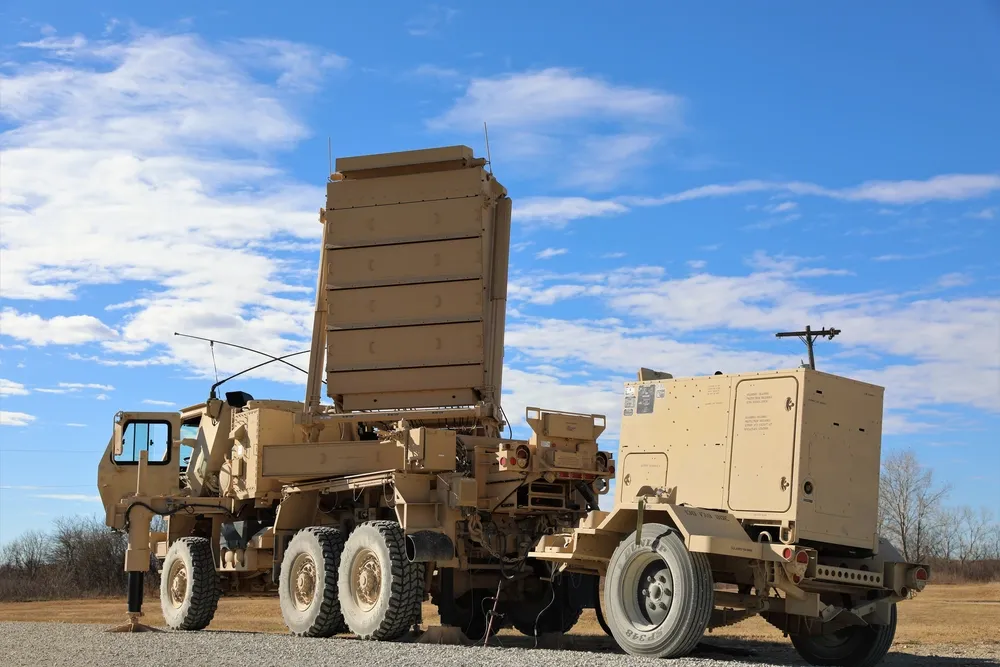
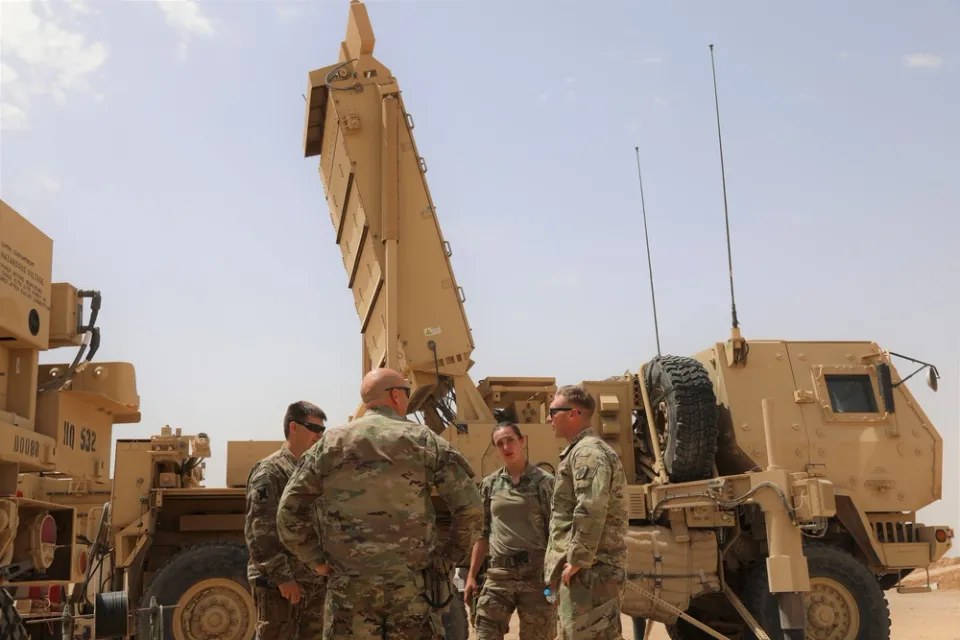
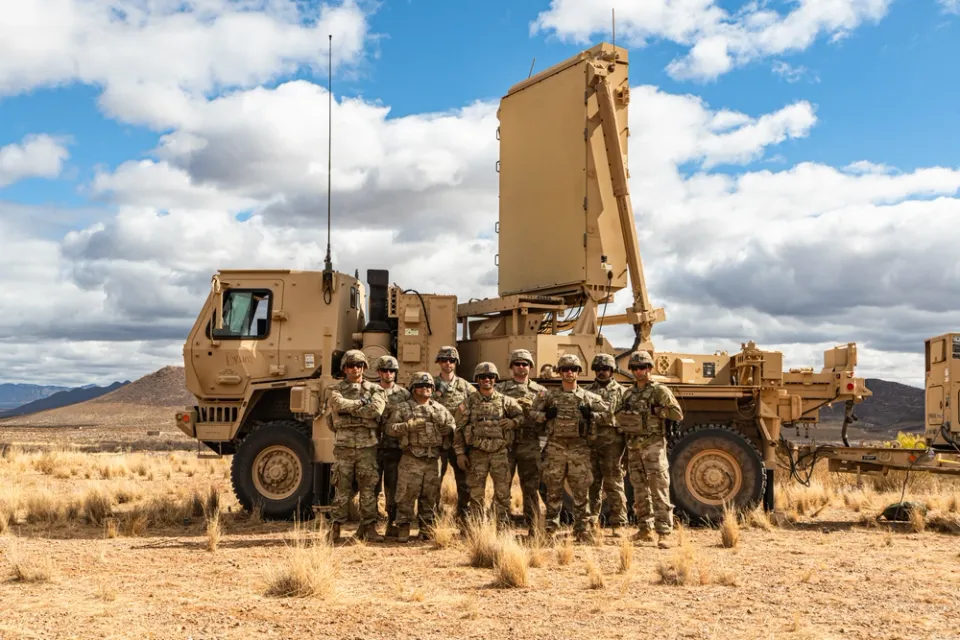
The AN/TPQ-53 is a Lockheed Martin mobile active electronically scanned array radar originally fielded for counterfire target acquisition and later adapted for multimission sensing. In the United States-Iran Conflict, reporting on Operation Epic Fury credited the radar with ground-based tracking of rockets, missiles, and unmanned systems inside joint sensor networks.
Modern War Institute reporting on Operation Epic Fury described AN/TPQ-53 multimission radars as part of U.S. ground-based sensor networks that tracked rockets, missiles, and unmanned systems to shorten targeting cycles and improve engagements.
Bavar-373 air-defense systemLong-range surface-to-air missile systemBavar-373 is Iran's road-mobile long-range surface-to-air missile system, developed by the Aerospace Industries Organization and upgraded in 2022. In this archive it represents Iran's top domestic long-range air-defense layer, which remained in active U.S.-Iran conflict reporting during the April 2026 exchange of air-defense claims.
Counter Rocket, Artillery, and Mortar system / C-RAMLand-based close-in weapon systemCounter Rocket, Artillery, and Mortar system (C-RAM), also known as the land-based Phalanx Weapon System, is a U.S. fixed-site air-defense suite built around a 20 mm rapid-fire gun, sensors, and fire control to intercept rockets, mortars, and small drones. In the United States-Iran Conflict, U.S. forces used it around Baghdad to defend a diplomatic facility against drone and rocket attacks.
Coyote counter-UAS interceptor / droneCounter-UAS interceptor droneThe Coyote is a combat-proven, rail-launched counter-UAS effector from RTX/Raytheon. In the United States-Iran Conflict, U.S. forces used it to help defend Gulf air bases against short-range drone attacks, while the family continues to evolve into launched-effects variants.
Ghadir early-warning radarHF over-the-horizon early-warning radarIran's Ghadir early-warning radar is a fixed-site HF over-the-horizon surveillance system used to watch air approaches and maritime traffic around the Strait of Hormuz. In the United States-Iran Conflict, U.S. forces struck Iranian radar sites at Goruk and Qeshm Island after an Iranian drone launch, highlighting the network's role in Iran's air-defense posture.
Iranian anti-aircraft artilleryGun-based short-range air defense artilleryIranian anti-aircraft artillery is an aggregate category for gun-based air-defense systems in Iranian service, including ZU-23-2/Mesbah 23 mm weapons, Oerlikon-derived 35 mm Samavat guns, and older heavy-caliber systems. In the United States-Iran Conflict, open-source reporting connected these guns to Operation Epic Fury as low-altitude point-defense threats, strike targets, and attempted fire against U.S. aircraft.
Khordad-15 air-defense systemMedium-range surface-to-air missile systemKhordad-15 is Iran's road-mobile medium-range surface-to-air missile system, unveiled in 2019 as part of the Islamic Republic's domestic air-defense layer. Source coverage describes it as a truck-mounted Sayyad-3 launcher with phased-array radar, and April 2026 reporting listed it within Iran's layered air-defense network during the United States-Iran Conflict, though the exact launcher used in the reported F-15E incident was not independently confirmed.