Profile
- Origin
- United States
- Built by
- Lockheed Martin
- Type
- Long-range ballistic-missile discrimination radar
- Service note
- 2010s-present
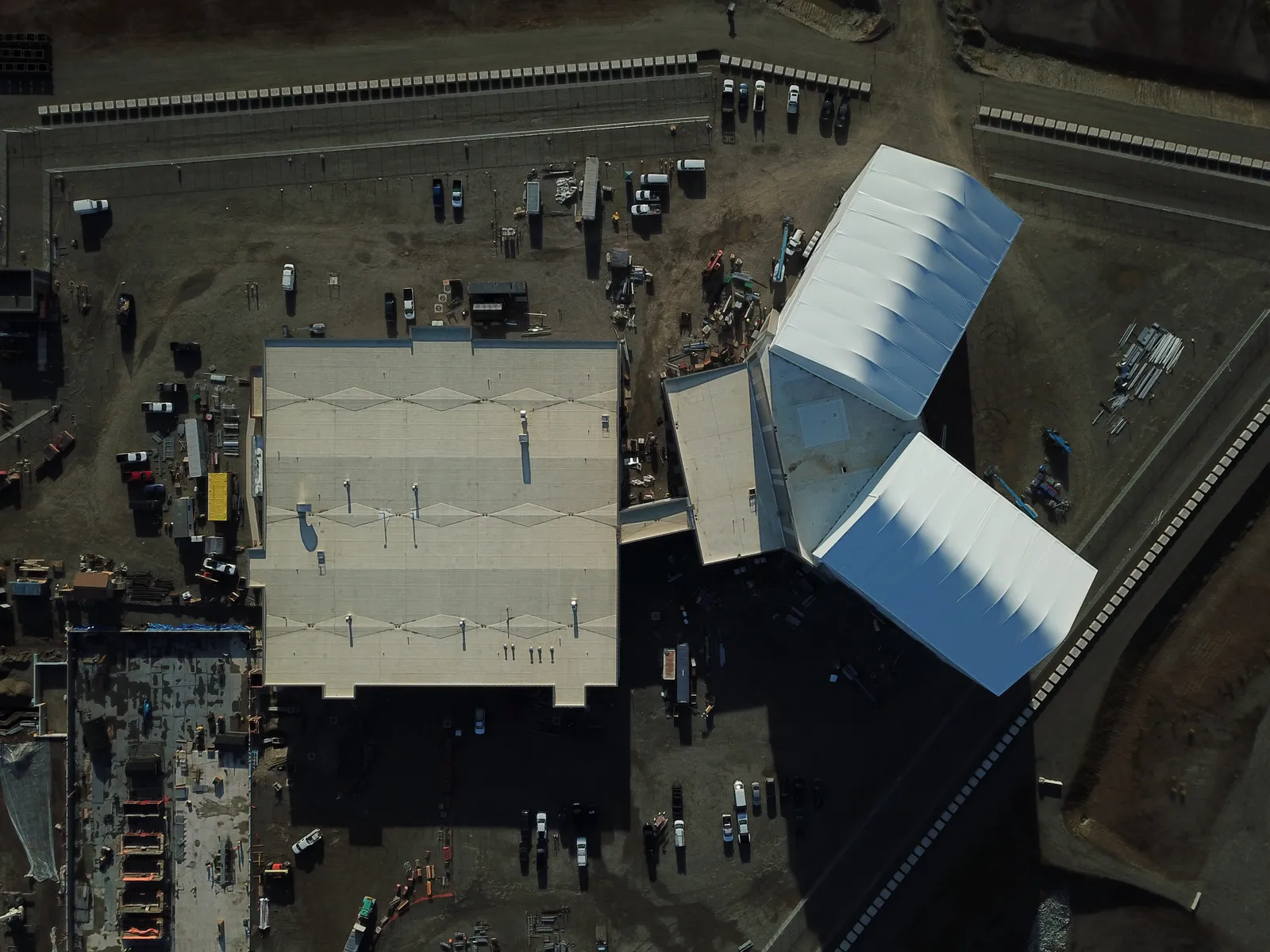
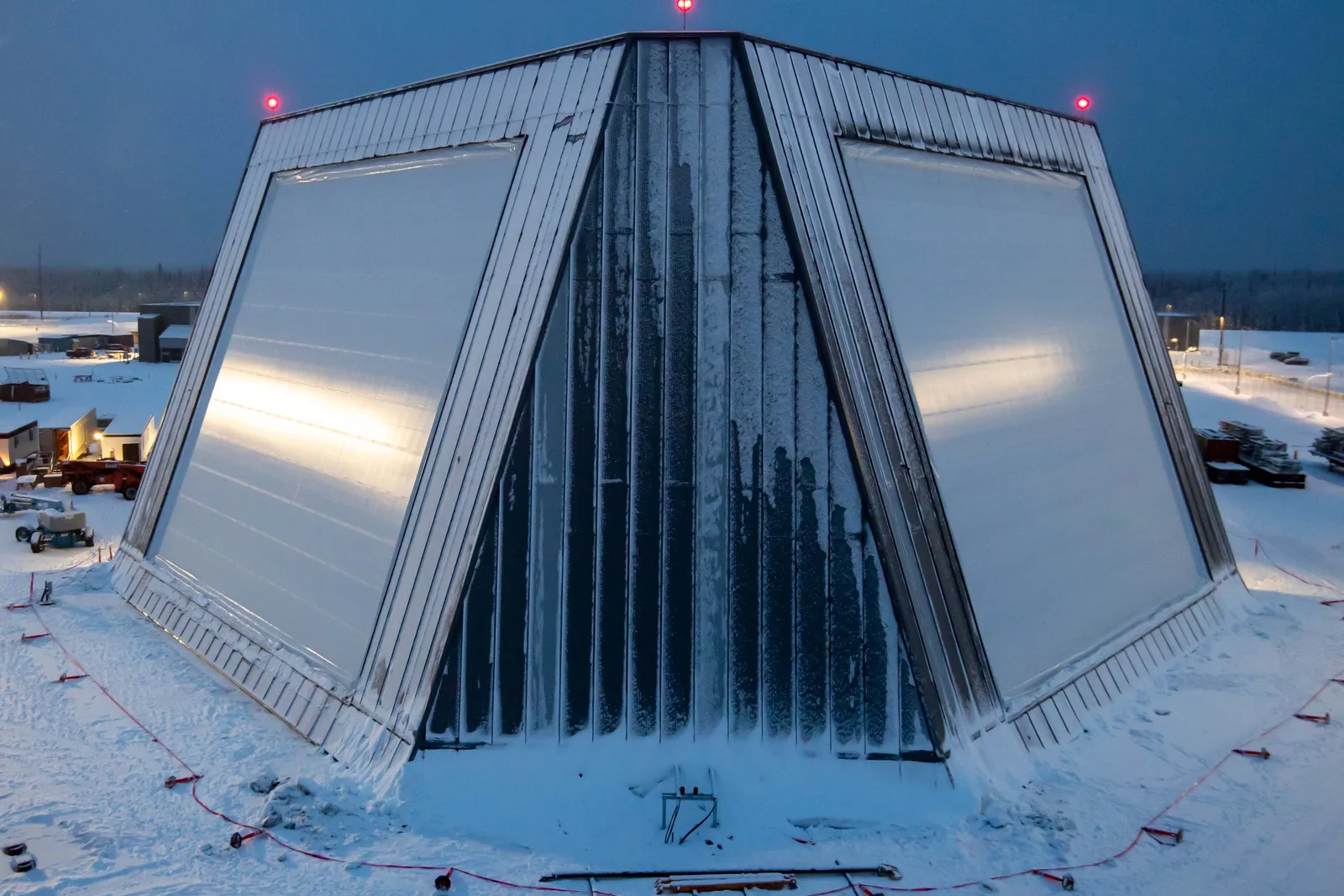
Long Range Discrimination Radar is a Lockheed Martin-built, solid-state GaN S-band AESA radar at Clear Space Force Station, Alaska. Its public record centers on homeland missile-defense sensing: operational acceptance in 2025, space-domain data collection, and FTX-26a live-target tracking that fed C2BMC for a simulated Ground-Based Midcourse Defense engagement.
LRDR is documented as a sensor node in a wider homeland missile-defense architecture rather than a standalone combat system.
| Compatible item | Item type | Compatibility evidence |
|---|---|---|
 | Ground-based ballistic missile defense system | The FTX-26a report says LRDR forwarded flight-test data through C2BMC to support a simulated Ground-Based Midcourse Defense engagement. |
 | Ballistic missile defense command-and-control system | The same FTX-26a report says C2BMC commanded the test and received LRDR track data for sharing with the simulated GMD engagement. |
Lockheed Martin describes LRDR as part of its newer solid-state radar technology line for missile-defense sensing.
| Compatible item | Item type | Compatibility evidence |
|---|---|---|
 | Solid-state S-band AESA radar family | Lockheed Martin's 2025 LRDR feature places LRDR's S4R radar technology in a family that also includes SPY-7 and TPY-6. |
LRDR is best read as a fixed strategic sensor: the radar's value is the quality of track and discrimination data it can pass into the missile-defense command network.
| Context | Source-backed detail |
|---|---|
| Fixed site | The public record places the radar at Clear Space Force Station, Alaska, where MDA held the initial fielding ceremony in 2021. |
| Acceptance path | Lockheed Martin reported DD250 final acceptance and handover to MDA in 2024; Space Force Combat Forces Command later took operational acceptance. |
| Missile-defense network | FTX-26a showed LRDR forwarding live flight-test data to C2BMC for a simulated Ground-Based Midcourse Defense engagement. |
| Radar technology | Lockheed Martin describes LRDR as a GaN, open-architecture S-band radar using S4R technology in a family that also includes TPY-6 and SPY-7. |
| Public use status | Available public sources document operational readiness, space-domain data collection, and flight-test tracking rather than a named combat engagement. |
The Department of Defense announced a planned LRDR deployment in Alaska and said the radar was expected to begin defensive operations in 2020.
Sources: Department of Defense Identifies Planned Site of Future Long Range Discrimination Radar (LRDR)
The Missile Defense Agency held the initial fielding ceremony for LRDR at Clear Space Force Station, marking the radar's transition into fielding and test operations.
Sources: Initial Fielding of Long-Range Discrimination Radar in Alaska
Lockheed Martin said LRDR completed DD250 final acceptance and was handed over to the Missile Defense Agency ahead of the operational-capability decision process.
Sources: Lockheed Martin Successfully Transitions Long Range Discrimination Radar to the Missile Defense Agency
Lockheed Martin and MDA said LRDR detected, tracked, and discriminated an air-launched ballistic-missile target with countermeasures, then forwarded data to C2BMC for a simulated GMD engagement.
Sources: An American Shield: FTX-26a LRDR Demonstration
U.S. Space Force Combat Forces Command took operational acceptance of LRDR after MDA completed the operational trial period.
Sources: Combat Forces Command Long Range Discrimination Radar (LRDR) operational acceptance