Profile
- Origin
- United States
- Built by
- Lockheed Martin
- Type
- Ground-based S-band space-surveillance radar
- Service note
- 2014-present
- Designed
- 2009-2014
- Produced
- 2014-2020 initial fielding
- Developed from
- Air Force Space Surveillance System (AFSSS)
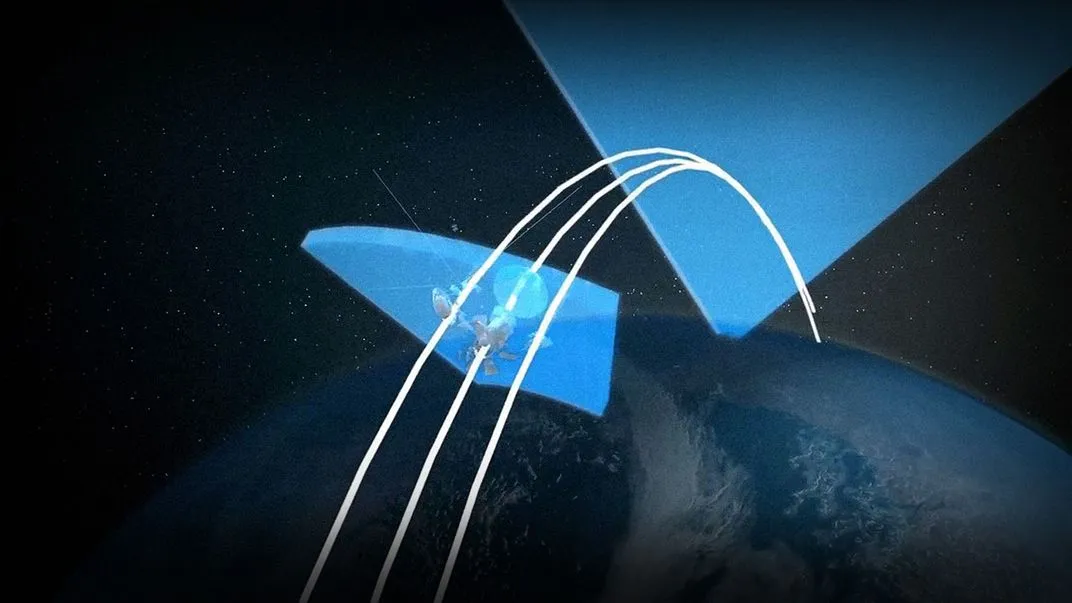
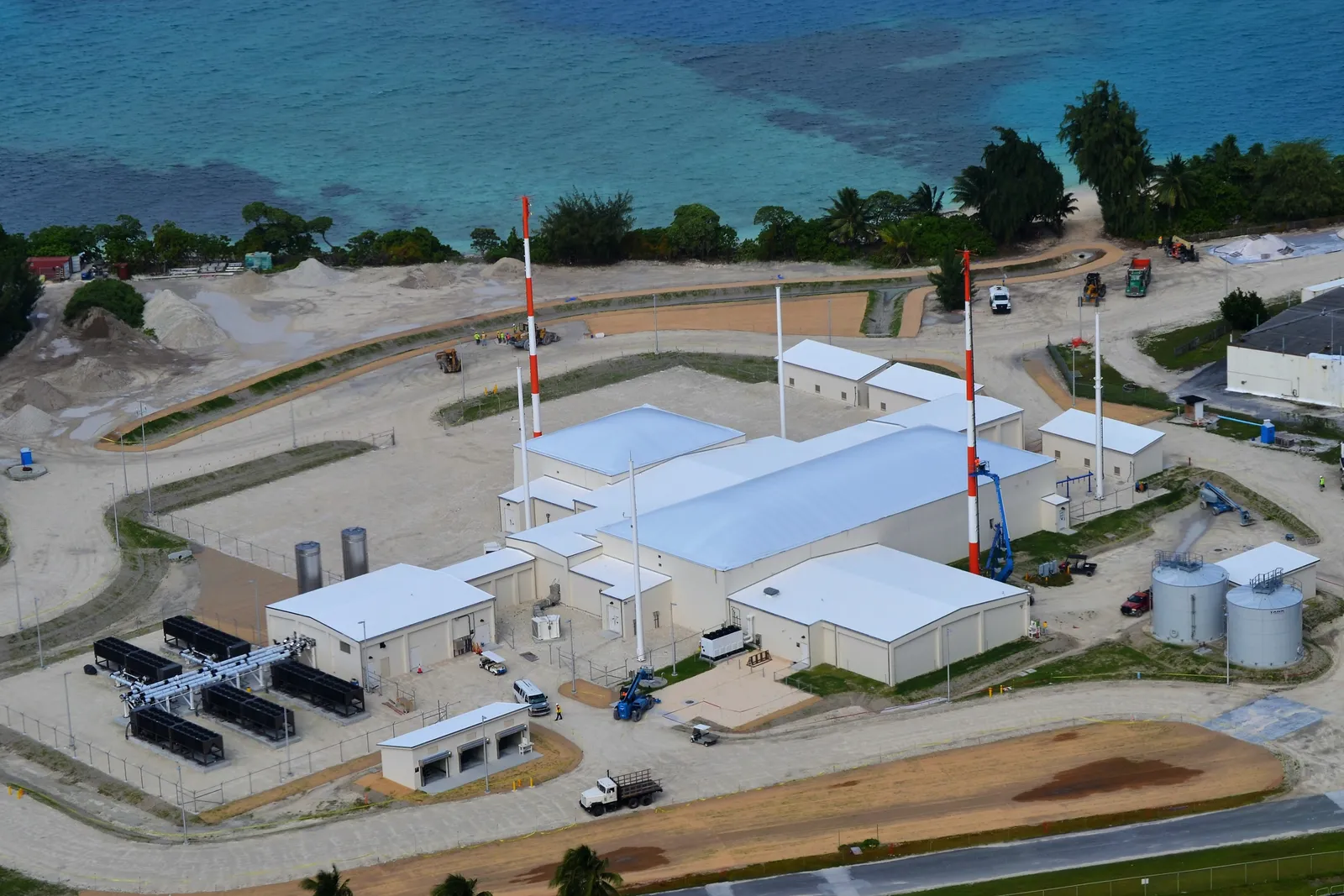
Space Fence is a Lockheed Martin-built, ground-based S-band space-surveillance radar at Kwajalein Atoll. The U.S. Space Force uses the solid-state phased-array system for space domain awareness, cataloging orbital objects and feeding Space Surveillance Network data rather than employing it as a conflict weapon.
Space Fence is best read as a space-domain-awareness sensor node: it produces orbital tracking observations, contributes to the Space Surveillance Network, and depends on downstream data systems before its observations can support military decision-making.
| Area | Documented context | Source |
|---|---|---|
| Radar mission | The system overview describes a ground-based S-band radar architecture built to detect, track, and catalog small objects across low, medium, and geosynchronous Earth orbit regimes. | Space Fence System Overview |
| Operational site | The accepted operational site is at Kwajalein Island, where the Space Force uses the radar to track satellites, rocket bodies, and orbital debris. | USSF announces initial operational capability and operational acceptance of Space Fence |
| Data connection | In 2022, Space Systems Command made Space Fence observation data directly available through the Unified Data Library, establishing the UDL's first direct Space Surveillance Network sensor connection. | SSC Unified Data Library and Space Fence establish Direct Sensor Connection |
| Integration caveat | GAO later reported that the UDL had been fielded but was not yet fully incorporated into daily space situational-awareness operations by the 18th and 19th Space Defense Squadrons as of its 2023 review. | Space Situational Awareness: DOD Should Evaluate How It Can Use Commercial Data |
Space Fence is a radar site, but Lockheed Martin also identifies a software lineage behind its space situational-awareness mission subsystem.
| Compatible item | Item type | Compatibility evidence |
|---|---|---|
 | Space situational-awareness software suite | Lockheed Martin says iSpace expertise was leveraged when developing the Space Fence space situational-awareness mission subsystem. Sources: German Space Agency Selects Lockheed Martin iSpace System for Space Situational Awareness |
The Air Force announced Kwajalein Island in the Republic of the Marshall Islands as the first U.S. Space Fence facility.
Sources: Basing of first U.S. Space Fence facility announced
Air & Space Forces Magazine reported that the Air Force selected Lockheed Martin to build the Space Fence for a $914.7 million contract.
Sources: Lockheed Martin Wins Space Fence Contract
The Space Fence entered a government-led trial period after developmental and operational testing, with the article describing its solid-state S-band radar and GaN-based architecture.
Sources: State-of-the-Art Space Fence Radar Enters Government-led Trial Period as it Nears Operational Acceptance
The U.S. Space Force formally declared initial operational capability and operational acceptance of the Space Fence radar at Kwajalein Island.
Sources: USSF announces initial operational capability and operational acceptance of Space Fence
Space Systems Command completed testing that made Space Fence observation data directly available through the Unified Data Library.
Sources: SSC Unified Data Library and Space Fence establish Direct Sensor Connection