Aircraft & UAVs

Soko Gazelle

Also known as
  • SOKO Gazelle
  • Soko Gazela
  • SA 341H Gazelle
  • SA 342L Gazelle
  • HN-42M Gama
  • HN-45M Gama 2

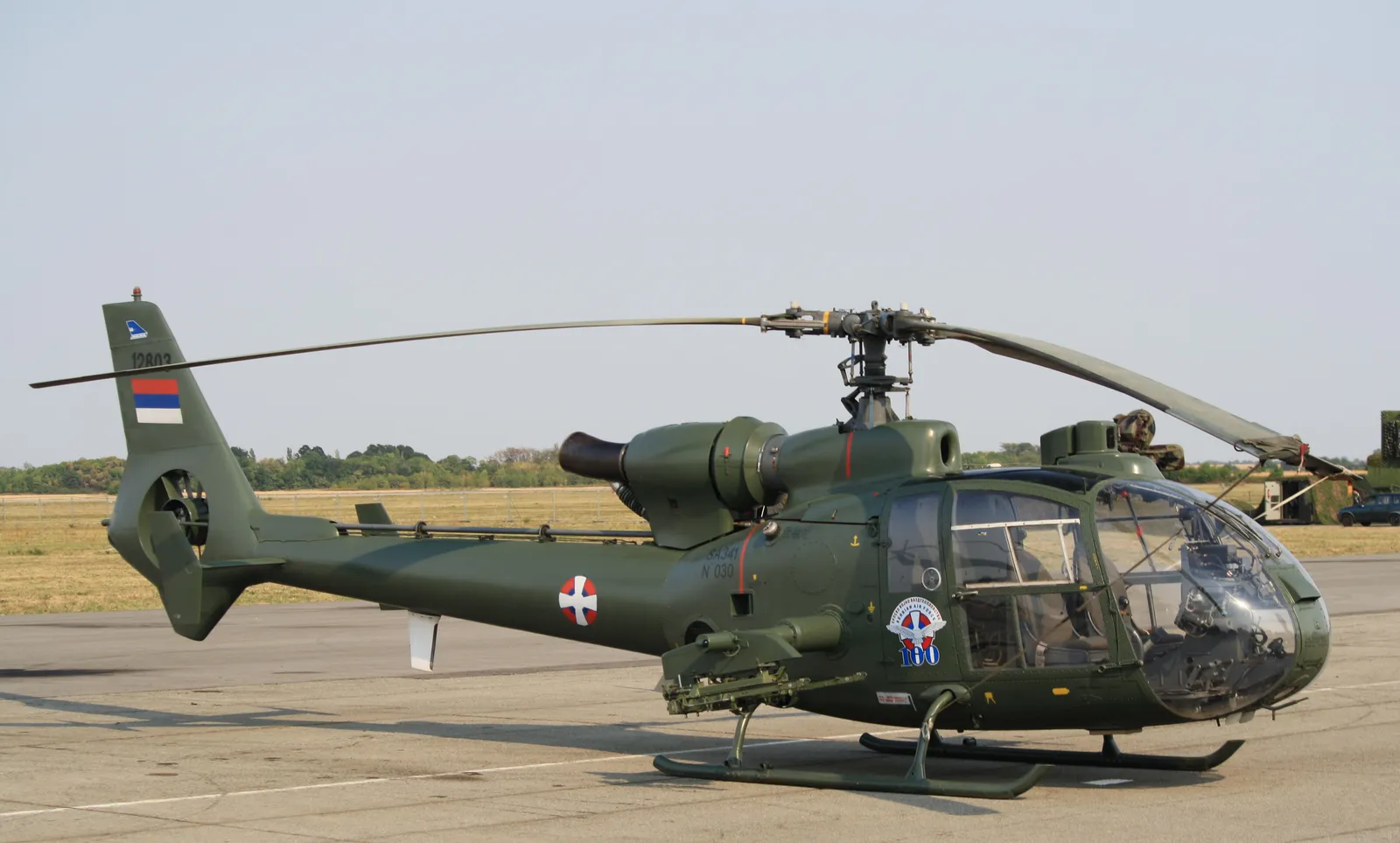
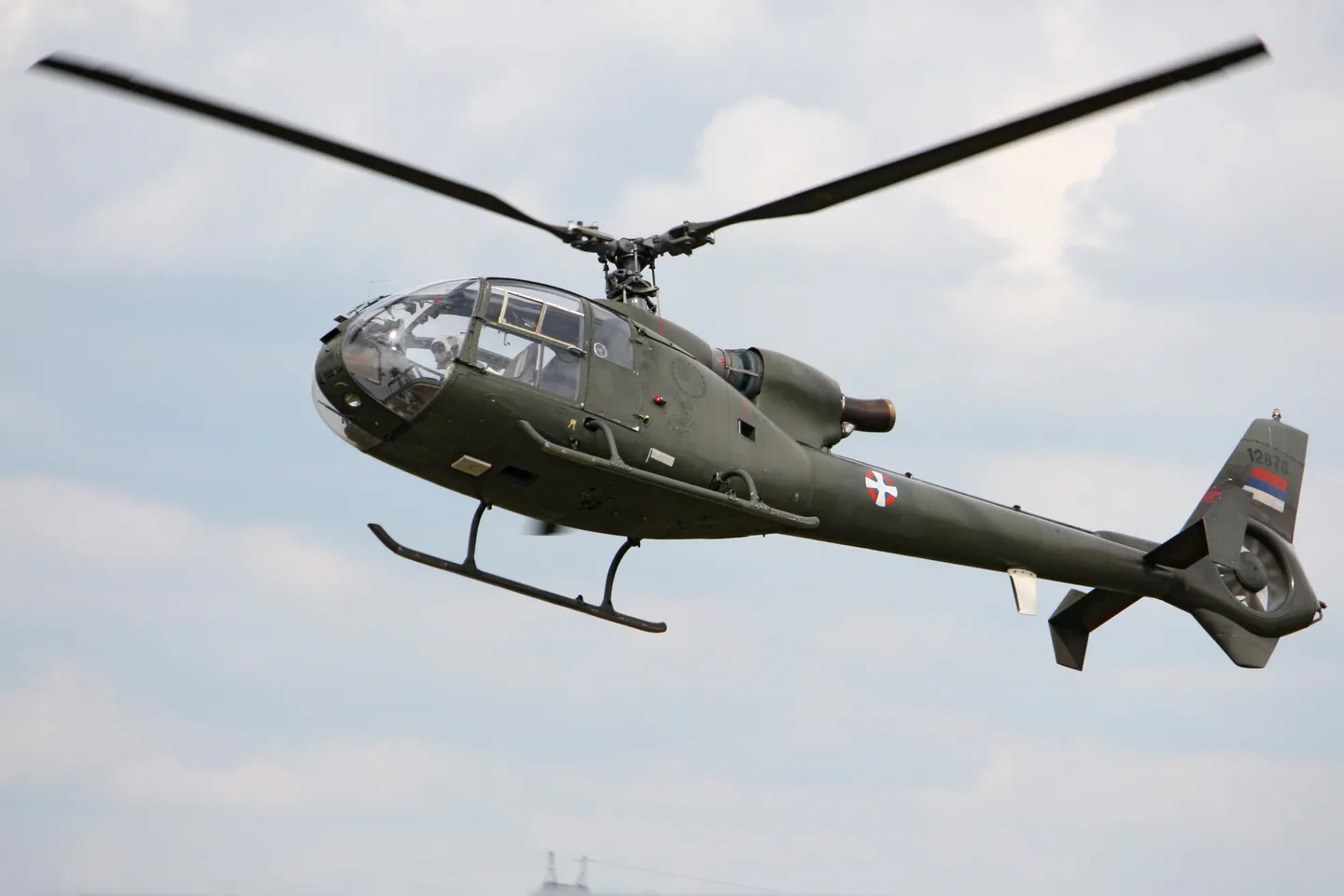
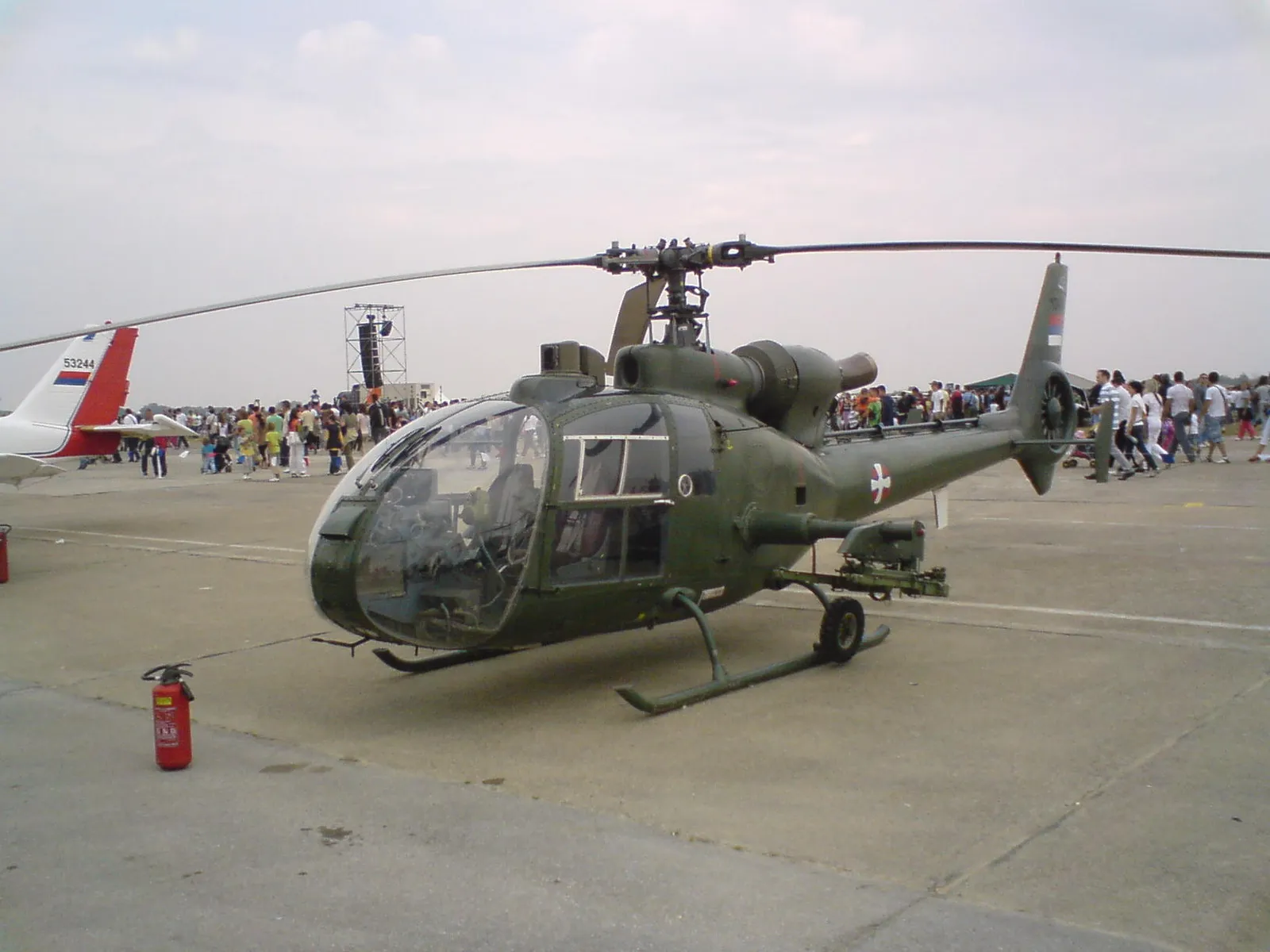
The Soko Gazelle is the Yugoslav license-built SA 341/SA 342 Gazelle family assembled by SOKO in Mostar for utility, scout, medical, and armed helicopter roles. The Gama anti-armour versions linked the light helicopter airframe to 9M14M Malyutka missiles, while Serbian service has retained Gazelle and Gama aircraft for pilot training and anti-armour squadron live-fire work.

Profile / Specs

Profile

Origin
Yugoslavia
Built by
SOKO
Type
Light attack helicopter / armed helicopter
Service note
1971-1991 Yugoslav license production; later examples remained in Serbian service
Produced
1971-1991
Number built
More than 160
Developed from
AƩrospatiale SA 341/SA 342 Gazelle

Specifications

Crew
1 pilot
Passengers
Up to 4 in utility configuration
Seats
5-seat light turbine helicopter
Fuselage length
9.53 m
Rotor diameter
10.5 m
Maximum speed
168 kt / 310 km/h
Cruise speed
125-130 kt
Range
420 nm / 775 km at sea level with maximum fuel
Service ceiling
5,000 m / 16,000 ft
Engine
Turbomeca Astazou IIIB family on SA 341H; Astazou XIV family on SA 342 variants
Gama armament
9M14M Malyutka anti-tank missiles; some descriptions also identify Strela-2M air-to-air missiles
License Production And Serbian Service
Production base

SOKO assembled Yugoslav Gazelles at Mostar after a 1971 license arrangement, with full domestic production described from 1978.

Designation logic

HO, HI, and HS variants covered utility, scout, and medical roles; HN-42M and HN-45M Gama aircraft were the anti-armour versions.

Current context

Serbian official releases still show Gazelle training for future helicopter pilots and Gama live-fire work in an anti-armour helicopter squadron.

Variants

Yugoslav designations separated baseline utility, scout, medical, and anti-armour Gazelle roles, with the Gama name used for Malyutka-armed attack helicopters.

VariantConfigurationDesignation notes
HO-42SA 341H utility helicopter

Yugoslav-built general-purpose version of the SA 341H Gazelle.

Sources: Afterburner Serbian Gazelle Training

HI-42 HeraSA 341H scout helicopter

Scout variant in the Yugoslav-built SA 341H designation set.

Sources: Afterburner Serbian Gazelle Training

HS-42SA 341H medical helicopter

Medical variant in the Yugoslav-built SA 341H designation set.

Sources: Afterburner Serbian Gazelle Training

HO-45SA 342L utility helicopter

General-purpose version based on the later SA 342L airframe.

Sources: Afterburner Serbian Gazelle Training

HN-42M GamaSA 341H anti-armour helicopter

Gama version of the SA 341H adapted for Malyutka anti-tank missiles and Strela-2M air-to-air missiles.

Sources: Afterburner Serbian Gazelle Training

HN-45M Gama 2SA 342L anti-armour helicopter

Gama 2 version based on the SA 342L airframe.

Sources: Afterburner Serbian Gazelle Training

Carried Missiles

The Gama anti-armour versions are the clearest sourced weapon relationship for the Soko-built Gazelle family.

Launched itemItem typeLaunch evidence
9M14 Malyutka, MCLOS wire-guided anti-tank guided missile, Infantry Weapons9M14 MalyutkaWire-guided anti-tank missile

The Gama configuration was built around 9M14M Malyutka carriage, and Serbian anti-armour helicopter training still identifies Gama helicopters firing Malyutka missiles.

Sources: Afterburner Serbian Gazelle Training, Serbian MoD Anti-Armour Helicopter Training, Armatec 9M14 Malyutka

9M32 Strela-2 / SA-7 MANPADS, Man-portable surface-to-air missile system, Air Defense9M32 Strela-2 / SA-7 MANPADSShort-range air-to-air missile adaptation

Specialist coverage of Serbian Gazelle training describes the Gama fit as including two Strela-2M missiles adapted from the shoulder-fired system for anti-helicopter combat.

Sources: Afterburner Serbian Gazelle Training

Timeline

Soko Gazelle Key Events

  1. Yugoslav Gazelle license

    Yugoslavia acquired rights to manufacture Gazelle G and H variants, with early aircraft assembled before full domestic production matured.

    Sources: Afterburner Serbian Gazelle Training

  2. Domestic SOKO production

    Full domestic Gazelle production began in Yugoslavia, with final assembly at SOKO's Mostar plant and other Yugoslav factories contributing engines and components.

    Sources: Afterburner Serbian Gazelle Training

  3. Gama anti-armour version

    The Gama configuration paired the Gazelle airframe with Malyutka anti-tank missiles, creating the HN-42M and HN-45M armed versions.

    Sources: Afterburner Serbian Gazelle Training

  4. Serbian Gazelle training role

    Serbia's Ministry of Defence described Gazelle flight training at Batajnica as the initial helicopter stage for Military Academy cadets, followed by possible Gama combat-helicopter training.

    Sources: Serbian MoD Future Helicopter Pilots Training

  5. Gama live-fire training

    Serbia's 714th Anti-Armour Helicopter Squadron used Gama helicopters in live-fire training with Malyutka missiles at Pasuljanske Livade.

    Sources: Serbian MoD Anti-Armour Helicopter Training

Media
Related Weapon Systems
SOKO G-4 Super Galeb, Advanced jet trainer and light attack aircraft, Aircraft & UAVsAircraft & UAVsSOKO G-4 Super GalebAdvanced jet trainer and light attack aircraftThe SOKO G-4 Super Galeb is a Yugoslav single-engine advanced jet trainer and light attack aircraft built by SOKO in Mostar after development by the Aviation Technical Institute. Designed to move pilots from jet training into light strike tasks, it entered serial production in the early 1980s, remained in Serbian service after Yugoslavia's breakup, and is directly documented in Croatian, Bosnian, and Kosovo War combat or loss records.
9K33 Osa, Short-range self-propelled surface-to-air missile system, Air DefenseAir Defense9K33 OsaShort-range self-propelled surface-to-air missile systemThe 9K33 Osa, NATO reporting name SA-8 Gecko, is a Soviet short-range self-propelled surface-to-air missile system that combines search radar, tracking radar, command guidance, and ready-to-fire missiles on a single amphibious 6x6 TELAR. Cataloged conflict records show the system across several generations of air-defense use: Syrian Osa-AK vehicles in Lebanon in 1982, Iraqi SA-8s in the Gulf War air-defense network, captured Georgian systems in 2008, rebel-held examples in Syria, Armenian and Ukrainian battlefield use, and Indian OSA-AK service during Operation Sindoor.

Sources