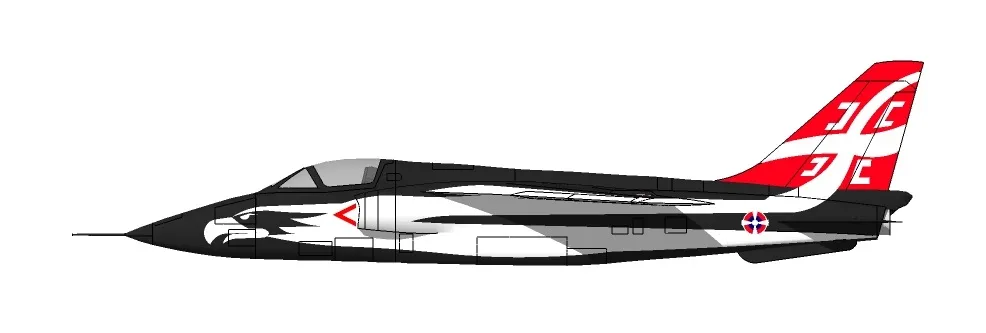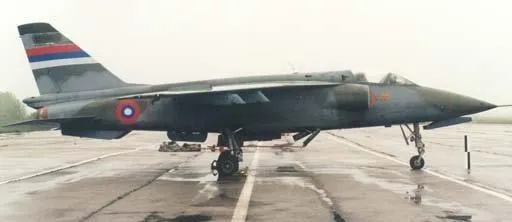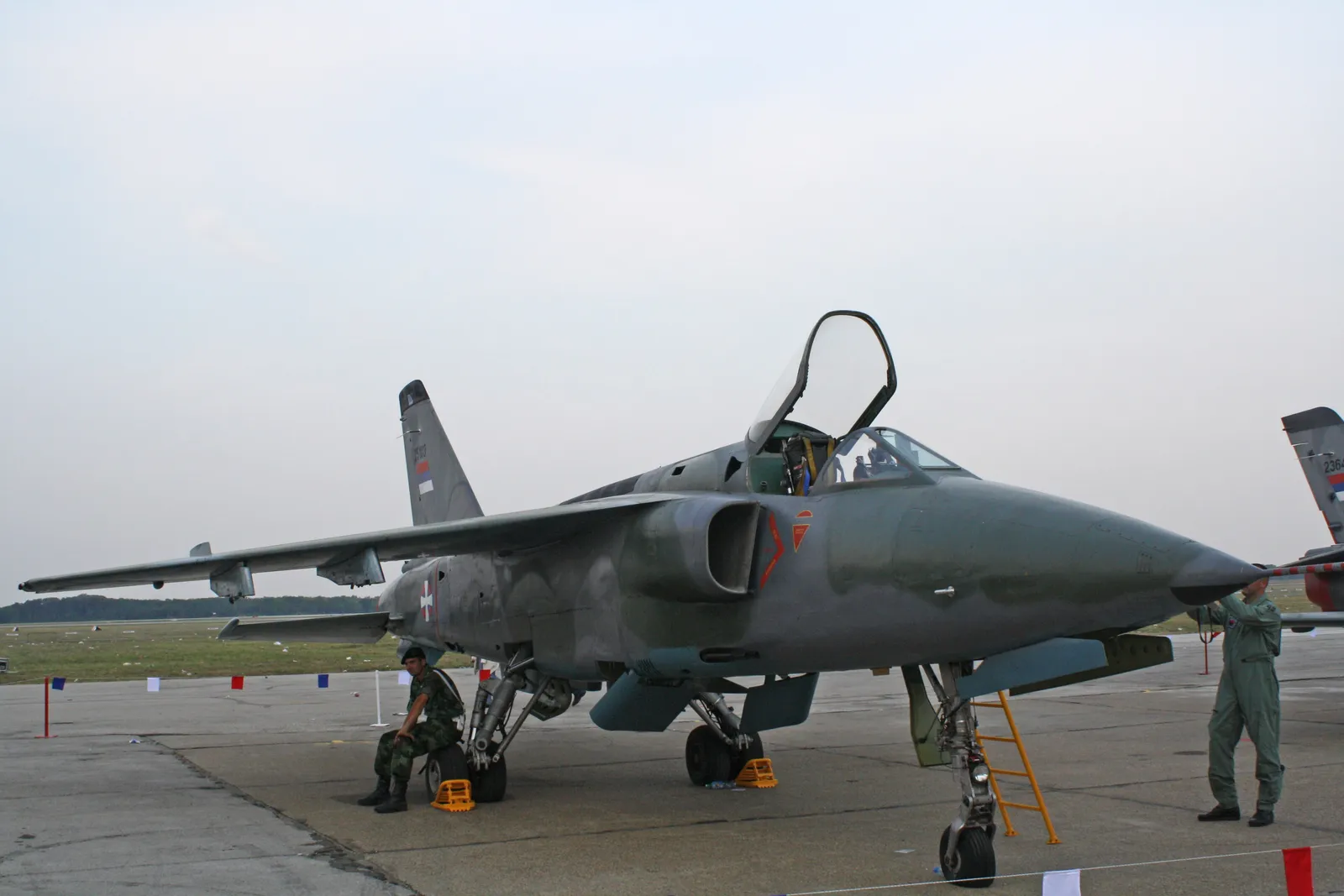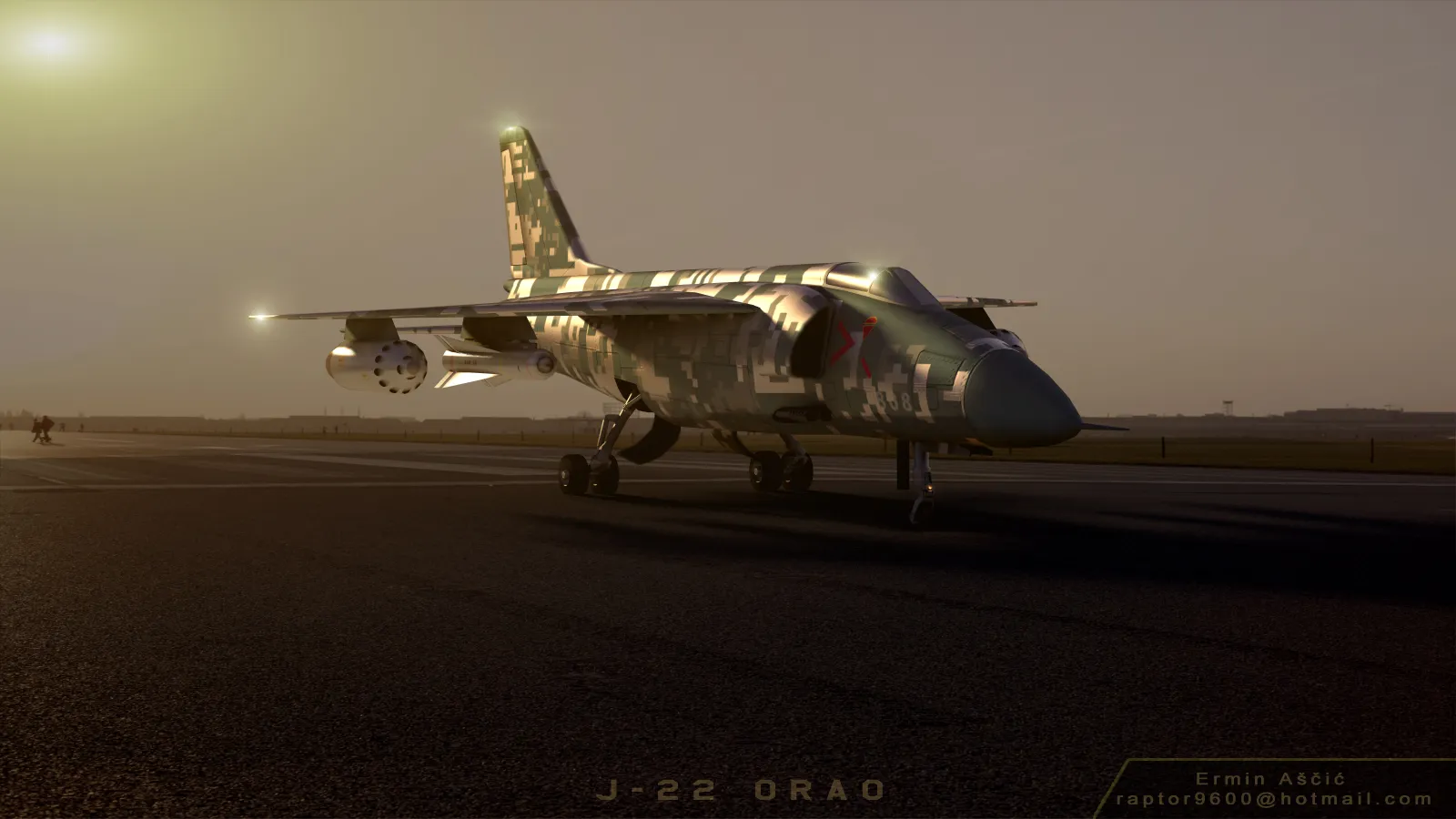
- Side
- Yugoslav and Serb forces

MilitaryFactory places the Orao in Croatian War strike and reconnaissance use, while Croatian aviation-history reporting documents an NJ-22 Orao shot down near Đakovo on 19 September 1991.
The Soko J-22 Orao is a Yugoslav twin-engine ground-attack and reconnaissance aircraft from the joint Yugoslav-Romanian YuRom program. Built around low-level fire-support missions, it carried cannon, bombs, rockets, and guided missiles, and direct sources document Orao use by Yugoslav, Serbian, and Bosnian Serb forces in Croatia, Bosnia, and Kosovo.
MilitaryFactory places the Orao in Croatian War strike and reconnaissance use, while Croatian aviation-history reporting documents an NJ-22 Orao shot down near Đakovo on 19 September 1991.
RAF and ICTY records document Serbian Orao attack aircraft from Udbina striking the Bihać area in November 1994, including the attack that led to NATO's Udbina airfield strike.
The Belgrade Aeronautical Museum and Tango Six document Yugoslav J-22/NJ-22 Orao operations during the 1999 campaign, including attacks on KLA formations and low-level fire missions.
The Orao was designed around low-level ground-attack and reconnaissance work rather than air-superiority performance. The Serbian MoD describes the J/NJ-22 as a fighter-bomber for day or night fire missions in favorable weather, while the Belgrade Aeronautical Museum emphasizes the domestic Yugoslav technologies applied to the type and its continued Serbian service.
Fire missions against ground targets, reconnaissance, and weapons training in the two-seat variants.
Up to 2,800 kg of ordnance on one fuselage and four underwing hardpoints.
The museum notes that wartime Oraos were fitted with passive protection against surface-to-air missiles, including decoys and flares.
The Yugoslav Orao line paralleled the Romanian IAR-93 Vultur but diverged into Yugoslav attack, reconnaissance, trainer, and Serbian modernization variants.
| Variant | Configuration | Designation notes |
|---|---|---|
| J-22A Orao 1 | Initial production attack variant | Single-seat Yugoslav production model associated with the non-afterburning Orao 1 standard. Sources: Soko J-22 and Avioane Craiova IAR-93 - Pickled Wings |
| J-22B Orao 2 | Afterburning attack variant | Upgraded Orao 2 standard with afterburning Viper engines, increased fuel capacity, expanded weapons options, and avionics improvements. Sources: Soko J-22 and Avioane Craiova IAR-93 - Pickled Wings |
| NJ-22 Orao | Two-seat trainer and reconnaissance aircraft | Two-seat version used for advanced training and reconnaissance-related tasks in the Orao family. Sources: Soko J-22 and Avioane Craiova IAR-93 - Pickled Wings |
| IJ-22 Orao | Reconnaissance variant | Yugoslav reconnaissance variant based on the early Orao 1 line, with related INJ-22 training and INJ-22M maritime-surveillance subvariants. Sources: Soko J-22 and Avioane Craiova IAR-93 - Pickled Wings |
| J-22M1A / NJ-22M1A | Serbian modernization | Serbian upgrade path focused on avionics, weapons-system integration, and service-life extension for surviving Orao aircraft. Sources: Soko J-22 and Avioane Craiova IAR-93 - Pickled Wings |
Serbian MoD and aviation-reference sources describe the J/NJ-22 Orao as carrying fixed guns plus guided and unguided missiles, bombs, and rocket or gun stores on five hardpoints.
| Carried item | Item type | Carriage evidence |
|---|---|---|
 | Fixed aircraft cannon | The Serbian MoD describes the Orao armament as two 23 mm GSh-23L guns with 200 rounds. Sources: Fighter-Bomber Aviation Sub-Echelon - Serbian Ministry of Defence |
 | Guided air-to-surface missile | MilitaryFactory lists AGM-65 Maverick guided missiles among the external stores supported by the Orao. Sources: Soko J-22 Orao - MilitaryFactory |
 | Cluster bomb | Tango Six identifies BL-755 cluster bombs among the stores expended by Yugoslav Orao aircraft during 1999 operations. Sources: Prvih 50 godina Orla - Tango Six |
Tango Six's 50-year Orao history places the first Yugoslav prototype flight on 31 October 1974.
Sources: Prvih 50 godina Orla - Tango Six
Open references place the type's service introduction in the late 1970s.
Sources: Soko J-22 and Avioane Craiova IAR-93 - Pickled Wings
The Belgrade Aeronautical Museum says test pilot Marjan Jelen exceeded the sound barrier in a diving flight over Batajnica airport.
Sources: Soko J-22 Orao - Muzej vazduhoplovstva
Orao aircraft operated during Operation Allied Force, including Yugoslav missions against KLA formations in Kosovo.
Sources: Soko J-22 Orao - Muzej vazduhoplovstva, Prvih 50 godina Orla - Tango Six