- Side
- United States

In April 2024, U.S. Navy destroyers in the Eastern Mediterranean used SM-3 Block IB interceptors to shoot down Iranian ballistic missiles during the defense of Israel. It was the family's first documented combat use.
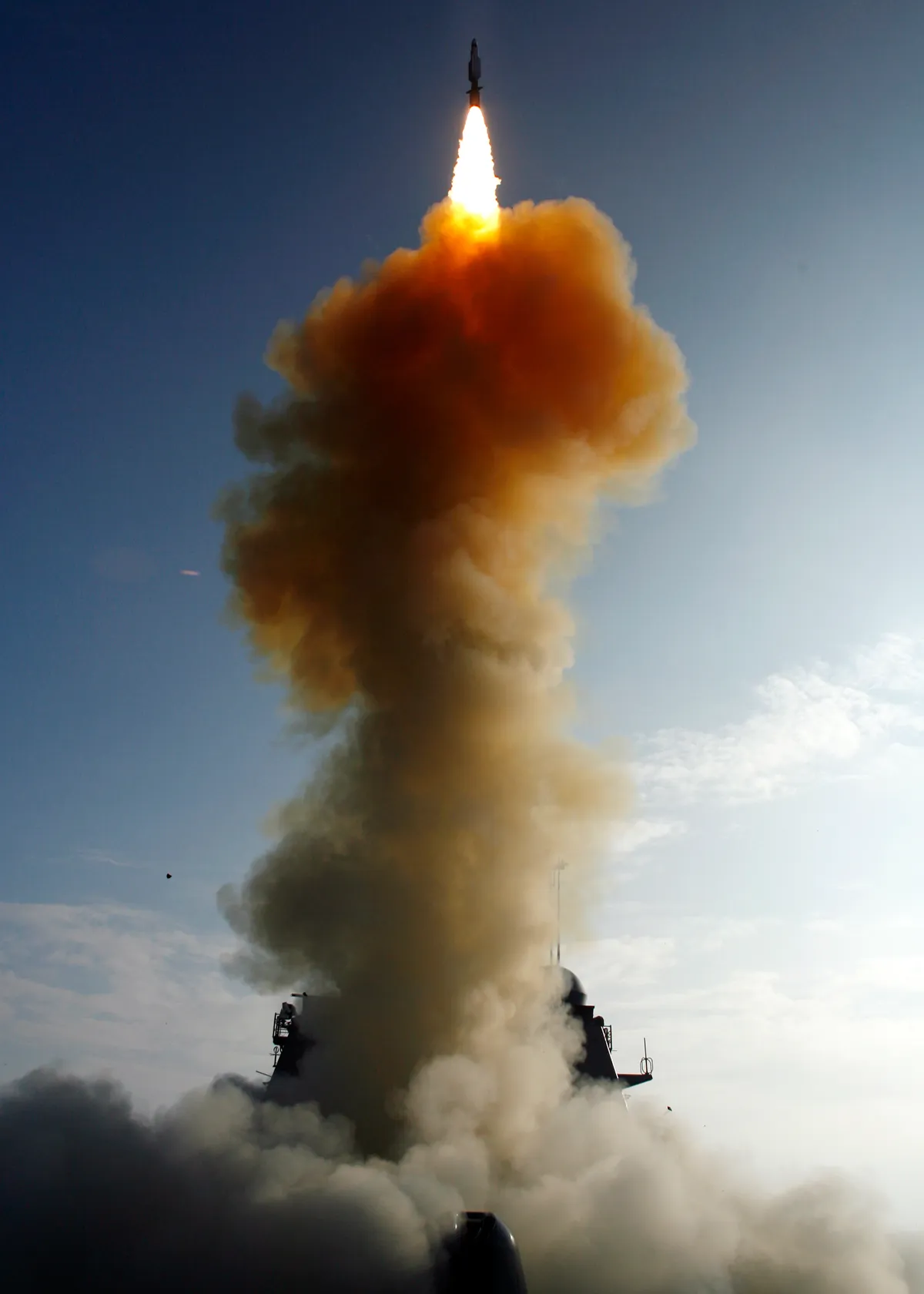
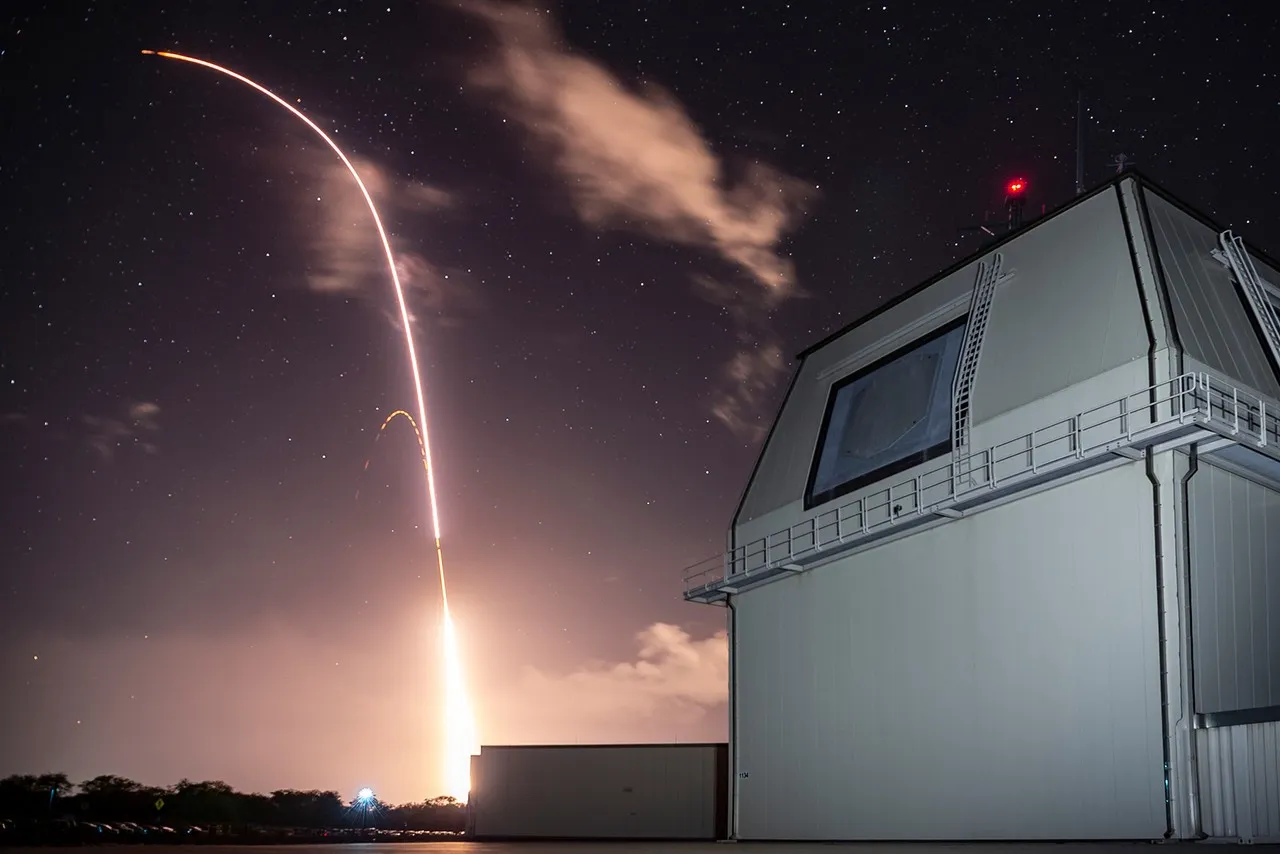
The Standard Missile-3 is the Aegis ballistic-missile-defense interceptor behind the RIM-161 SM-3 Block I, Block IA, and Block IB lineage. Fired from shipboard and Aegis Ashore Mk 41 launchers, it carries a kinetic kill vehicle above the atmosphere to defeat ballistic missiles in midcourse flight and has documented U.S. combat use against Iranian missile attacks.
In April 2024, U.S. Navy destroyers in the Eastern Mediterranean used SM-3 Block IB interceptors to shoot down Iranian ballistic missiles during the defense of Israel. It was the family's first documented combat use.
During the 2026 Iran War, U.S. Navy destroyers in the Eastern Mediterranean used SM-3 interceptors against Iranian ballistic missiles entering or heading toward Turkish airspace.
SM-3 evolved through distinct blocks, each pushing the family farther, faster, or with better discrimination.
| Variant | Service milestone | Public unit cost | What changed |
|---|---|---|---|
| Block IA | Operational from 2005 | Not publicly standardized | Original sea-based Aegis BMD interceptor. |
| Block IB | First combat use in April 2024 | About $12.5 million | Improved discrimination software and the variant credited with the first combat intercepts. |
| Block IIA | Procurement line active in FY2025 | About $31.4 million | U.S.-Japan co-development with greater speed, reach, and a larger kill vehicle. |
The Block I family covers the early 13.5-inch-body SM-3 interceptors; Block IIA is a wider U.S.-Japan co-development with greater reach.
| Variant | Configuration | Designation notes |
|---|---|---|
| Block IA | First-generation Block I interceptor | CSIS identifies Block IA as the first deployed SM-3 Block I variant and lists a 2005 service entry for the initial Block I fielding. Sources: Standard Missile-3 (SM-3) |
| Block IB | Second-generation Block I interceptor | The Block IB adds the two-color infrared seeker and improved divert/attitude-control capability; USNI identified Block IB missiles in the April 2024 combat debut. Sources: Standard Missile-3 (SM-3), SM-3 Ballistic Missile Interceptor Used for First Time in Combat, SM-3 Interceptor |
| Block IB Threat Upgrade | Software and discrimination update | CSIS describes the Threat Upgrade as a Block IB update for more complex ballistic-missile targets, with development testing in FY2016 and a production-representative intercept in 2017. Sources: Standard Missile-3 (SM-3) |
| Block IIA | Wider U.S.-Japan co-developed interceptor | Block IIA uses a 21-inch body with larger rocket motors and a larger kill vehicle for greater speed, reach, and discrimination capability. Sources: Standard Missile-3 (SM-3), SM-3 Interceptor |
SM-3 sits inside the Aegis ballistic missile defense architecture rather than operating as a standalone missile.
| Compatible item | Item type | Compatibility evidence |
|---|---|---|
 | Combat system | Raytheon describes SM-3 as part of the Aegis ballistic missile defense family, and Navy reporting ties SM-3 firings to Aegis-equipped destroyers and their fire-control architecture. Sources: SM-3 Interceptor, USS Lassen Departs Yokosuka After 10 Years Forward Deployed |
SM-3 is launched from Aegis-equipped ships through the Mk 41 VLS.
| Launcher | Launcher type | Launch evidence |
|---|---|---|
| Shipboard integrated combat system | Raytheon describes SM-3 as part of the Aegis ballistic missile defense family, and Navy reporting ties SM-3 firings to Aegis-equipped destroyers. Sources: SM-3 Interceptor, SM-3 Ballistic Missile Interceptor Used for First Time in Combat |
CSIS describes the SM-3 family as operational from 2005, marking the original sea-based Aegis BMD interceptor entering service.
Sources: Standard Missile-3 (SM-3)
USS Ross fired an SM-3 Block IA during the MTMD Forum's At Sea Demonstration, which the Navy said was the first SM-3 launch on a non-U.S. range and the first ballistic-missile intercept in the European theater.
Sources: USS Ross Successfully Intercepts Ballistic Missile Target During Coalition Test
U.S. destroyers in the Eastern Mediterranean fired SM-3 Block IB interceptors against Iranian ballistic missiles during the defense of Israel, the interceptor family's first documented combat use.
Sources: SM-3 Ballistic Missile Interceptor Used for First Time in Combat
Business Insider reported that USS Oscar Austin fired an SM-3 against an Iranian ballistic missile in Turkish airspace, the third such SM-3 engagement by a Navy destroyer in two weeks.
Sources: U.S. Navy Destroyers Firing SM-3s at Iranian Missiles