Air Defense

Standard Missile-6 (SM-6)

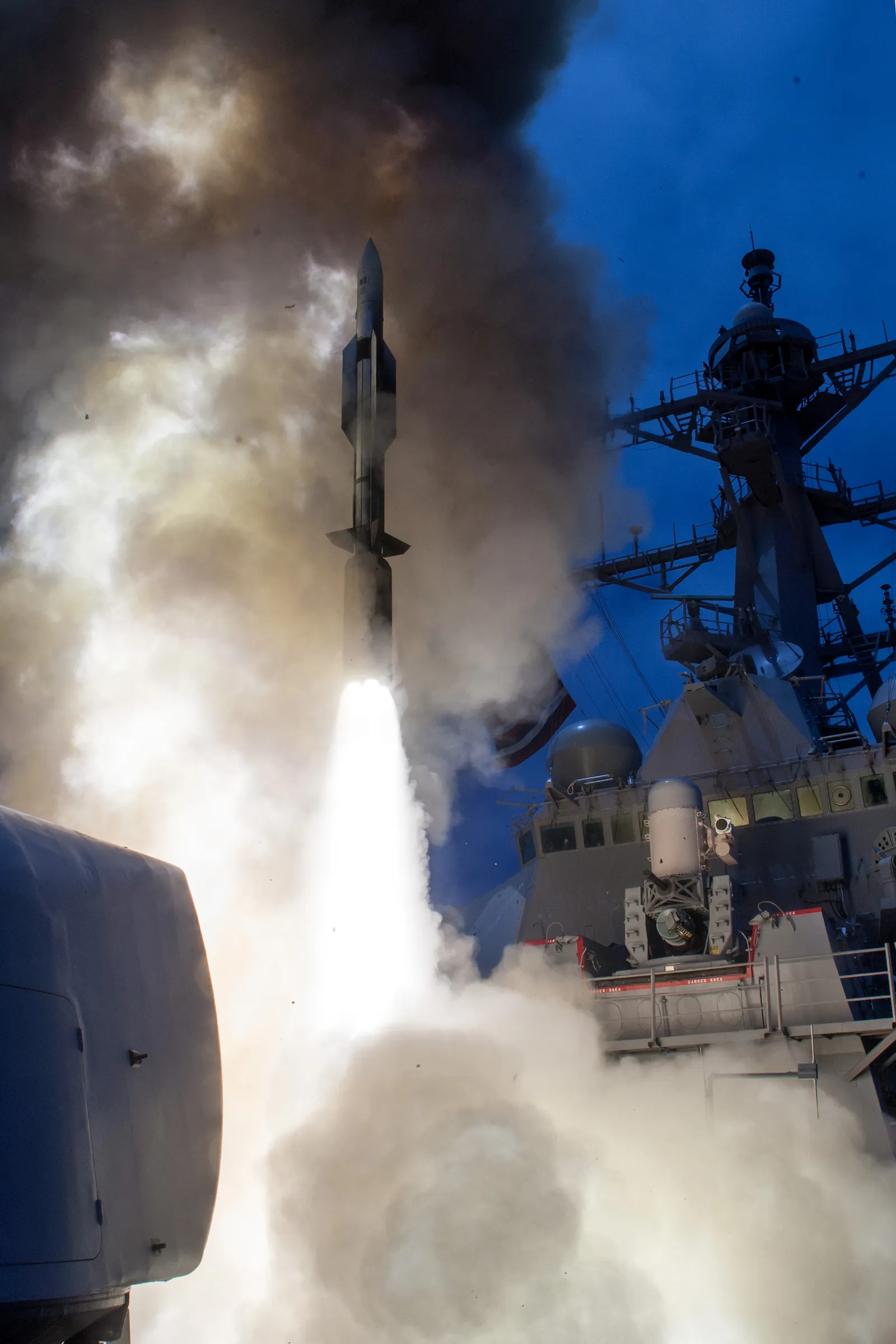
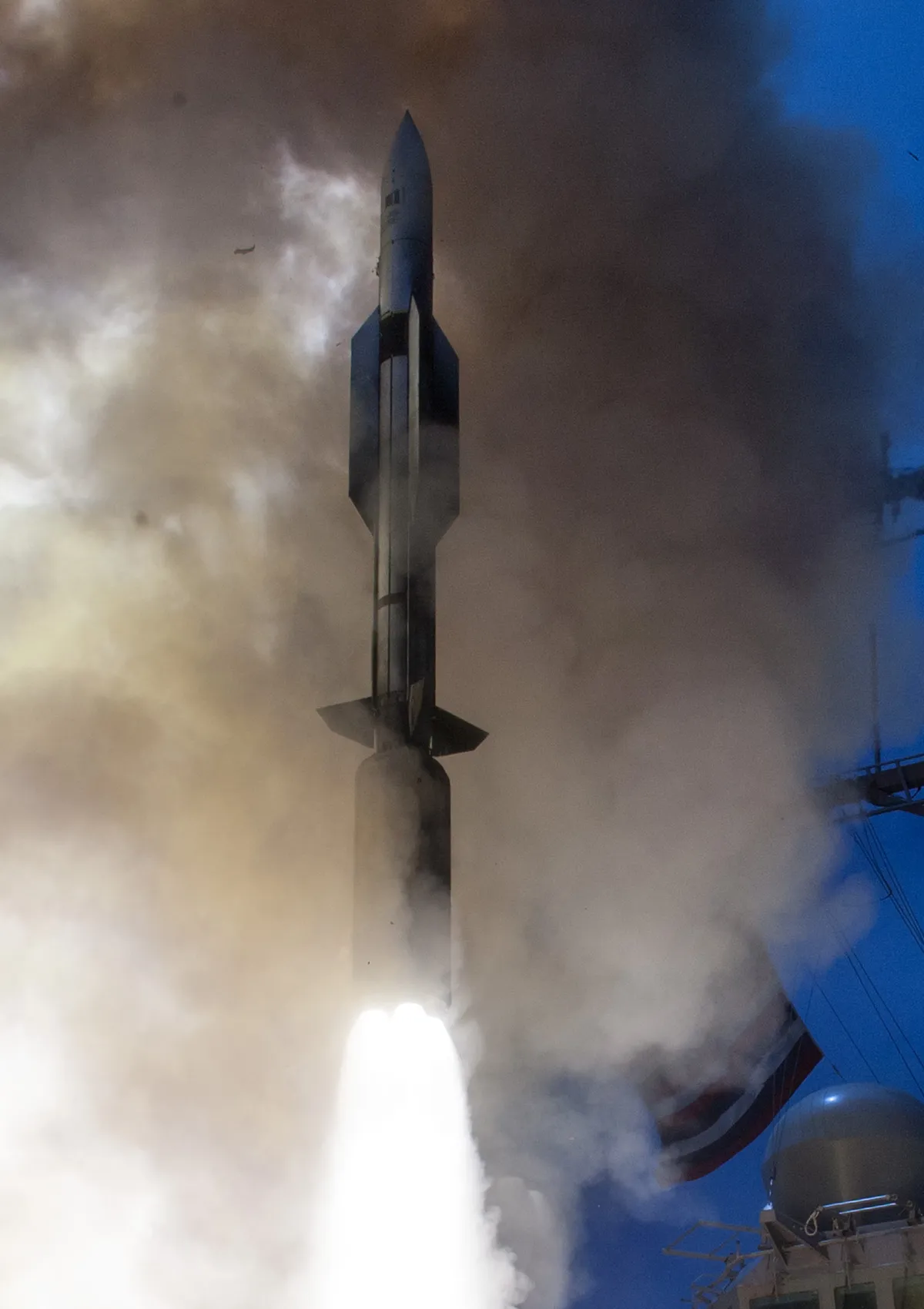
The Standard Missile-6 is a U.S. Navy ship-launched multi-mission missile for anti-air warfare, terminal ballistic missile defense, anti-surface warfare, and strike missions. In the United States-Iran Conflict archive, it represents the Aegis destroyer layer of U.S. naval air and missile defense around Iranian missile and maritime threats.

Conflict side
United States
Built by
RaytheonRTX
Built in
United States
Standard Missile-6 (SM-6), Ship-launched multi-mission interceptor missile, Air Defense

Service History

In service
2013-present
Used by
United States Navy
Wars
United States-Iran Conflict

Production History

Designer
Raytheon
Built by
RaytheonRTX
Built in
United States
Variants
SM-6 Block I, SM-6 Dual I, SM-6 Block IB

Specifications

Class
Surface-to-air and surface-to-surface missile
Range
About 370 km, according to CSIS Missile Threat
Length
6.55 m
Diameter
0.343 m missile body; 0.530 m with booster
Guidance
Inertial and command guidance with an active seeker derived from AMRAAM
Propulsion
Mk 72 solid rocket booster and Mk 104 dual-thrust rocket motor
Speed
About 1.03 km/s

Conflict Usage

United States-Iran Conflict
Side: United StatesRole: Ship-launched air and missile defenseair defense

During the United States-Iran Conflict, CSIS reported SM-6 Standard Missile use in Operation Epic Fury, while CENTCOM listed guided-missile destroyers among U.S. naval assets employed in the campaign.

Standard Missile-6 (SM-6) Images

Related Weapon Systems

S-75 Dvina / SA-2 Guideline, High-altitude surface-to-air missile system, Air DefenseAir DefenseS-75 Dvina / SA-2 GuidelineHigh-altitude surface-to-air missile systemThe S-75 Dvina, known to NATO as the SA-2 Guideline, is a Soviet command-guided, high-altitude surface-to-air missile system built around fixed or semi-mobile launch sites, acquisition radar, and Fan Song guidance radar. In the Yemen Civil War, Houthi-aligned forces are documented as having inherited SA-2/S-75 stocks and converting some surviving missiles into Qaher and Muhit strike missiles, while the operational status of intact SA-2 SAM batteries remains uncertain.

Sources