- Side
- India

Indian Navy Vidyut-class missile boats fired SS-N-2B/P-15 Styx missiles during the Karachi raids, sinking or damaging Pakistani vessels and striking port fuel facilities.
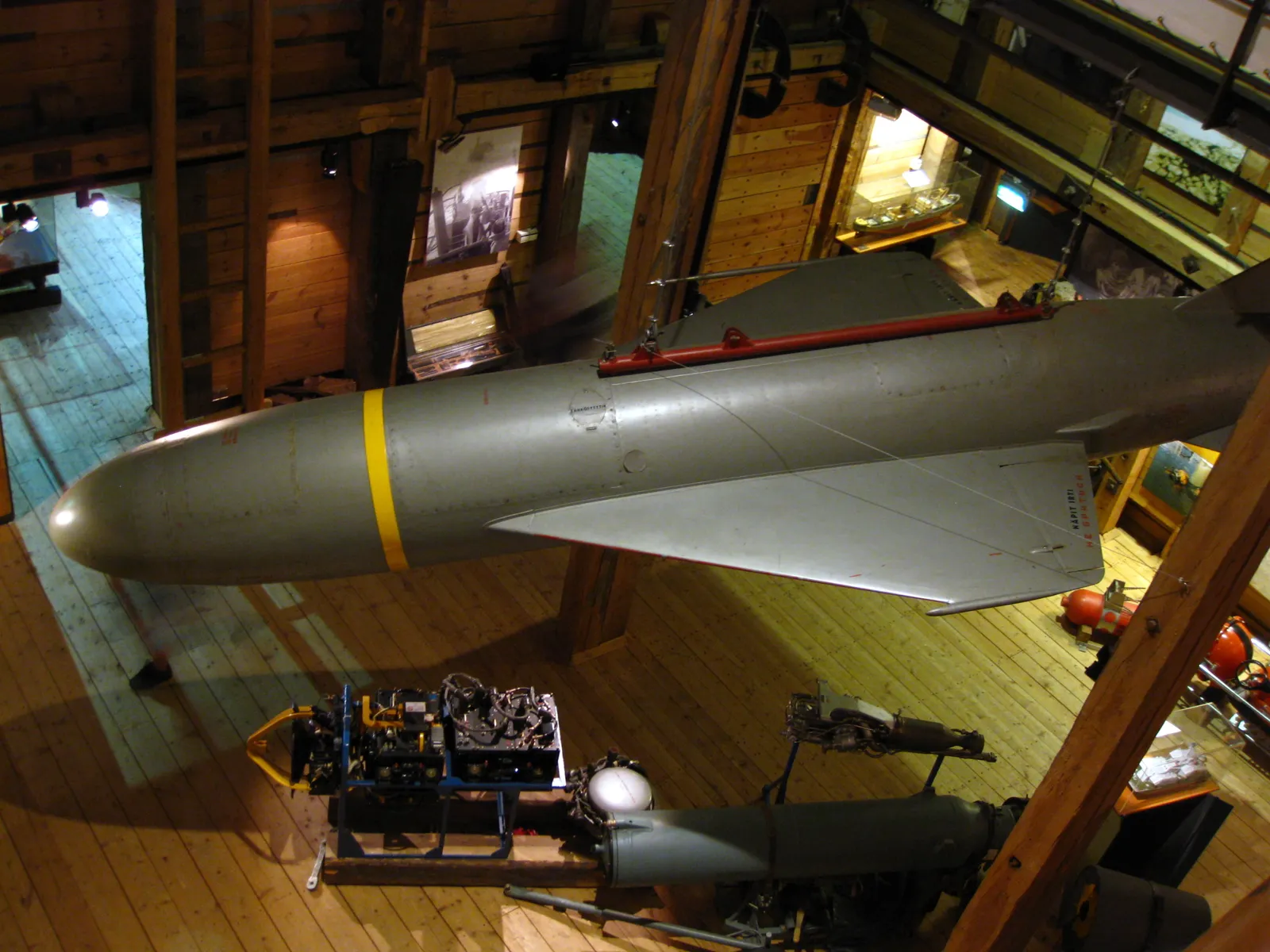
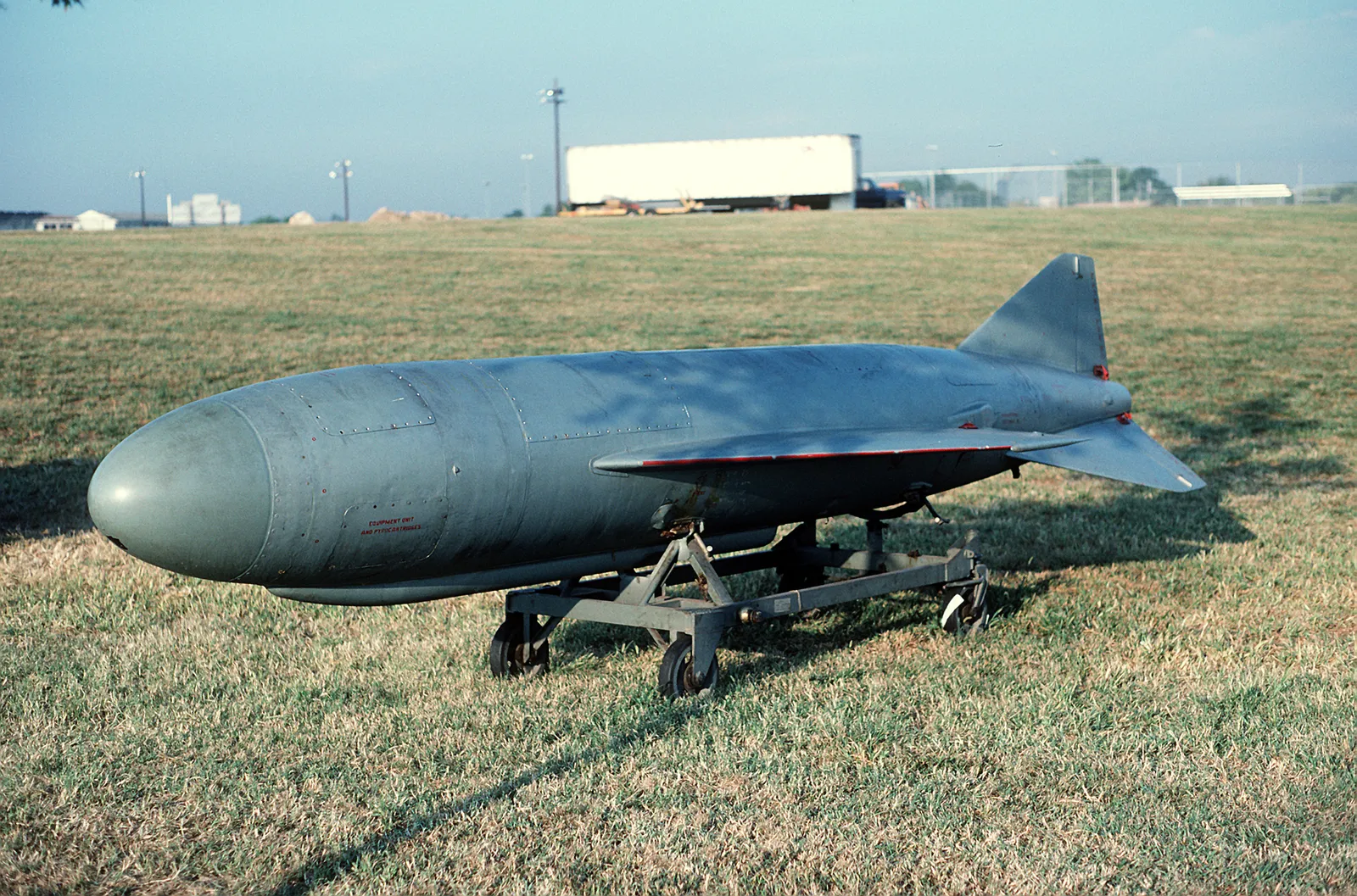
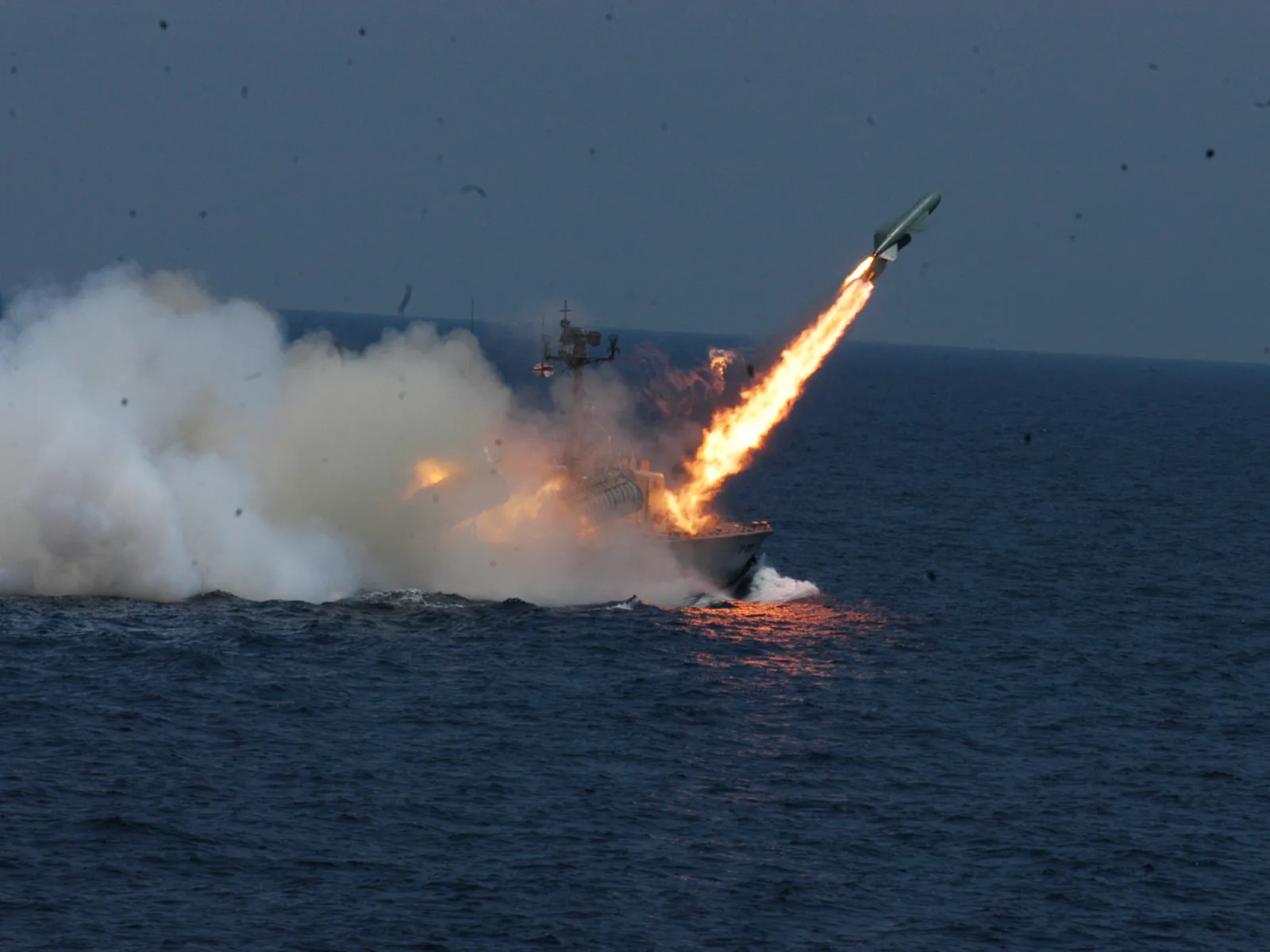
The P-15 Termit, known to NATO as the SS-N-2 Styx, is a Soviet anti-ship cruise missile developed by MKB Raduga for missile boats, export corvettes, and coastal batteries. Its combat record spans Indian Styx strikes on Karachi in 1971, Egyptian and Syrian missile-boat launches during the 1973 Yom Kippur War, and Iraqi Osa-boat use during the Iran-Iraq War.
Indian Navy Vidyut-class missile boats fired SS-N-2B/P-15 Styx missiles during the Karachi raids, sinking or damaging Pakistani vessels and striking port fuel facilities.
Egyptian and Syrian missile boats launched Soviet-made Styx/P-15 missiles against Israeli naval forces, but Israeli chaff, electronic countermeasures, and tactics defeated the attacks.
Iraqi Osa missile boats fired P-15 Termit/Styx missiles during Operation Morvarid, including long-range attacks and the later missile hits that destroyed the Iranian missile boat Paykan.
Termit-family naming is not perfectly uniform across open references, especially around P-20, P-21, and P-22 export or seeker branches. This page treats those names as part of the P-15/SS-N-2 family when sources connect them to Termit or Rubezh-family missiles, while leaving Chinese Silkworm derivatives and later unrelated anti-ship missiles outside this record.
P-15 / 4K40 / SS-N-2A covers the original fixed-wing ship-launched missile.
Sources: P-15 Termit (SS-N-2 Styx); Missilery.info P-15 4K40.
P-15U and P-15UT describe folding-wing and infrared-seeker branches used from smaller launch containers.
Sources: P-15 Termit (SS-N-2 Styx); NavWeaps Naval Missiles of Russia/USSR.
P-15M, P-21, and P-22 appear in Rubezh coastal-defense context with extended-range and seeker distinctions.
Source: Missilery.info 4K51 Rubezh.
Open references use P-15 Termit / SS-N-2 Styx for both the original 4K40 missile and a wider family that includes folding-wing and later extended-range Termit/Rubezh missiles.
| Variant | Configuration | Designation notes |
|---|---|---|
| P-15 | Original fixed-wing missile | Initial 4K40 / SS-N-2A production model with active radar homing, about 35-40 km maximum range, roughly 2,125 kg launch mass, and a 480 kg-class warhead. Sources: P-15 Termit (SS-N-2 Styx), Missilery.info P-15 4K40 |
| P-15U | Folding-wing missile | Second-generation folding-wing Termit branch associated with 4K40U / 4K41 and SS-N-2B designations; sources describe performance as close to the original P-15. Sources: P-15 Termit (SS-N-2 Styx), NavWeaps Naval Missiles of Russia/USSR |
| P-15UT | Infrared-seeker branch | P-15U-derived missile that replaced the active radar seeker with a Kondor infrared seeker; WeaponSystems.net describes it as less common than P-15U. Sources: P-15 Termit (SS-N-2 Styx) |
| P-15M Termit | Extended-range improved missile | Improved folding-wing Termit with lower selectable cruise heights, about 80 km maximum range, and a heavier launch mass and warhead in Missilery.info's comparison data. Sources: Missilery.info P-15 4K40, Missilery.info 4K51 Rubezh |
| P-20 / P-20M | Export or updated branch | Western and Russian reference lists use P-20/P-20M for export or updated Termit-family missiles; source terminology is not fully consistent across open references. Sources: NavWeaps Naval Missiles of Russia/USSR, Missilery.info 4K51 Rubezh |
| P-21 / P-22 | Rubezh-associated seeker variants | Missilery.info groups P-21/P-22 with the P-15M missiles used by 4K51 Rubezh and describes radar-homing and infrared-homing seeker versions. Sources: Missilery.info 4K51 Rubezh, NavWeaps Naval Missiles of Russia/USSR |
The P-15 Termit / SS-N-2 Styx family was fielded from missile boats, export missile corvettes, and mobile coastal-defense launchers.
| Launcher | Launcher type | Launch evidence |
|---|---|---|
 | Mobile coastal-defense launcher | WeaponSystems.net identifies the 4K51 Rubezh as a coastal-defense system that fires P-15 Termit / SS-N-2 Styx-family missiles. Sources: 4K51 Rubezh, P-15 Termit (SS-N-2 Styx) |
 | Export missile corvette | RussianShips lists Project 1234E export ships with KT-15M Termit launchers and four P-20 anti-ship guided missiles, part of the P-15 Termit family represented by this record. Sources: RussianShips Project 1234 |
 | Missile corvette / fast attack craft | GlobalSecurity lists Tarantul I/II boats with four SS-N-2c Styx anti-ship missiles, and Naval Encyclopedia identifies Project 12411-T/Tarantul-II with four P-15 Termit / SS-N-2 missiles. Sources: Project 1241 - Tarantul Class, Tarantul Class Corvette |
Two early P-15 launch-boat families are source-backed but do not yet have separate catalog records.
| Platform | Source-backed relationship |
|---|---|
| Project 183R / Komar class | WeaponSystems.net identifies the Project 183R fast missile boat as the first P-15 launch platform. |
| Project 205 Moskit / Osa class | WeaponSystems.net describes Project 205 boats as carrying four P-15 Termit missiles, with Project 205U and 205ER boats using folding-wing P-15U missiles. |
Raduga-linked history says the OKB-155 branch was tasked in 1955 with developing a new sea-launched P-15 cruise missile.
WeaponSystems.net places P-15 test launches in 1956-1957.
WeaponSystems.net dates Soviet state trials to 1958-1959 after the 1955-1959 design project period.
Open references list 1960 as the P-15 service-entry year.
WeaponSystems.net describes P-15U as the second-generation folding-wing Termit introduced in 1965.
Missile-defense and naval-history sources identify the sinking of Israeli destroyer Eilat by Egyptian Styx missiles as the first operational use of anti-ship cruise missiles of this type.
Missilery.info says development of the 4K51 Rubezh coastal anti-ship complex began in 1970 and selected the P-15M Termit family missile.
Indian Navy Vidyut-class boats fired SS-N-2B Styx missiles during Operation Trident against Pakistani naval and port targets near Karachi.
Syrian missile boats launched Styx missiles during the Yom Kippur War's opening naval battle off Latakia, but Israeli countermeasures defeated the missiles.
Iraqi Osa boats launched P-15 Termit missiles during the Iran-Iraq War naval fighting around Operation Morvarid.