Infantry Weapons

M67 90 mm recoilless rifle

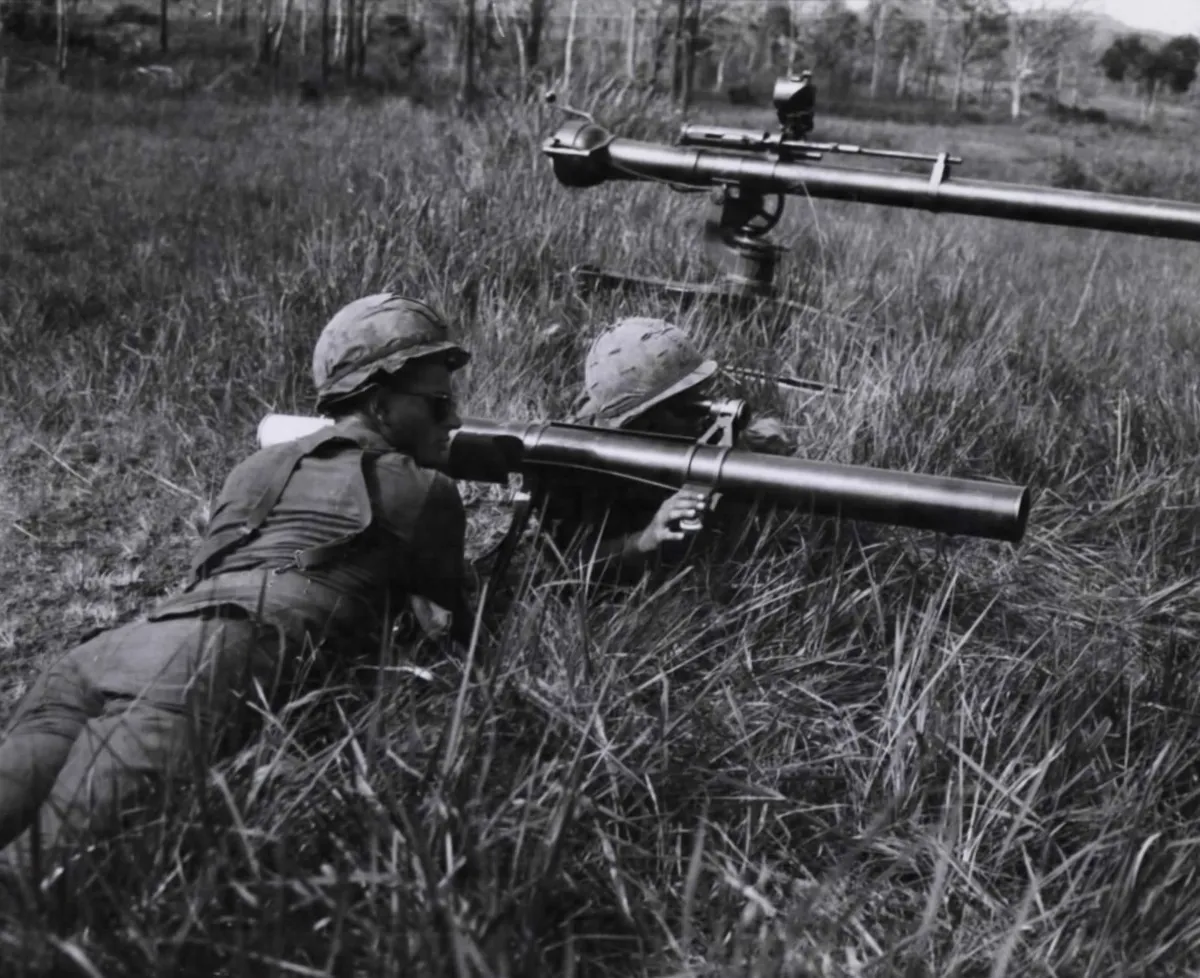
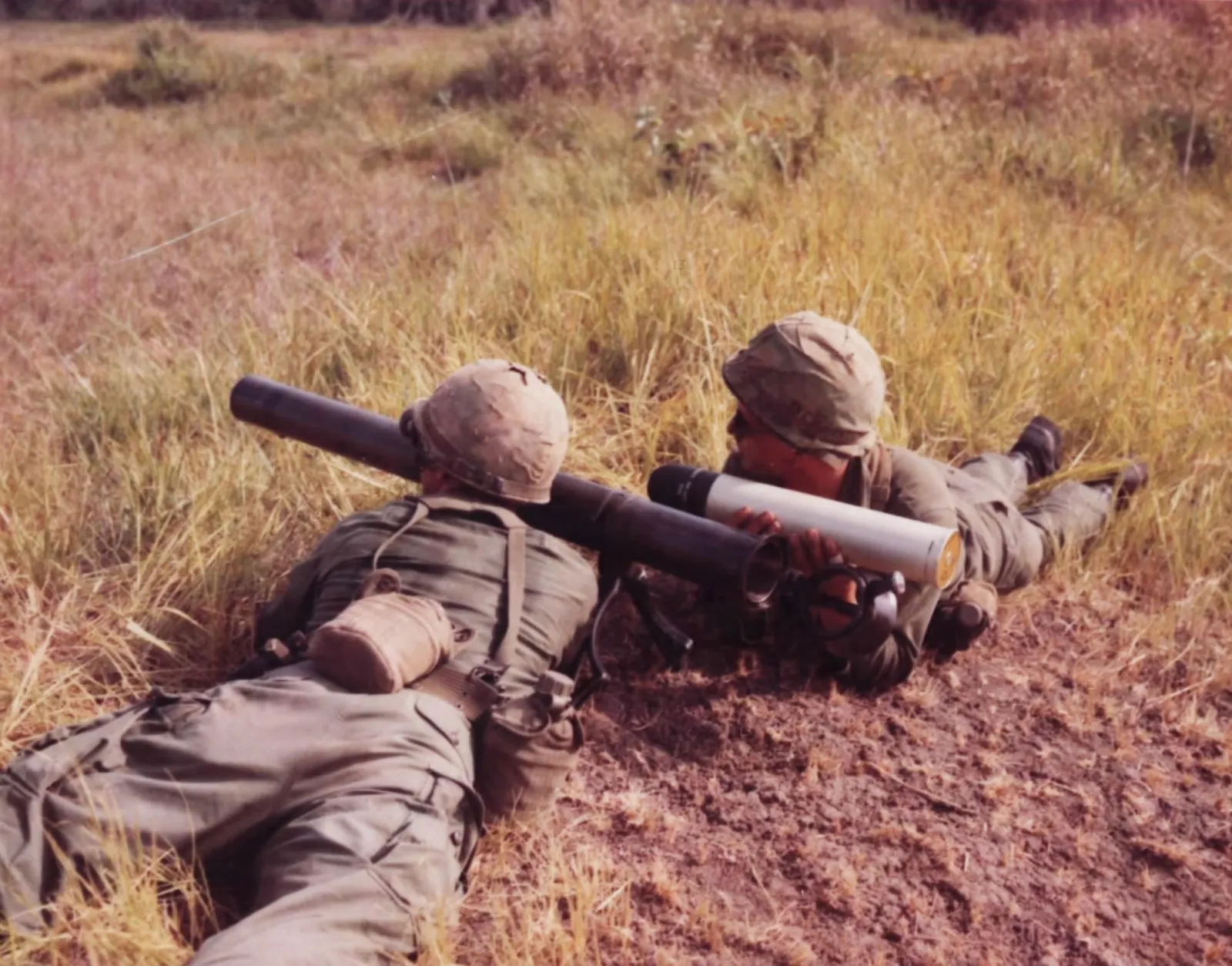
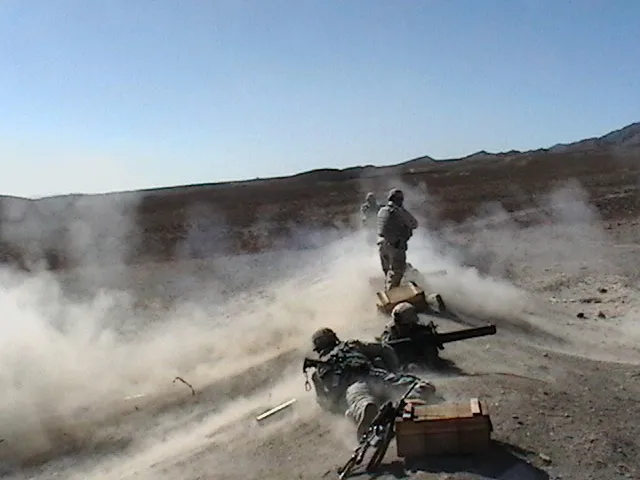
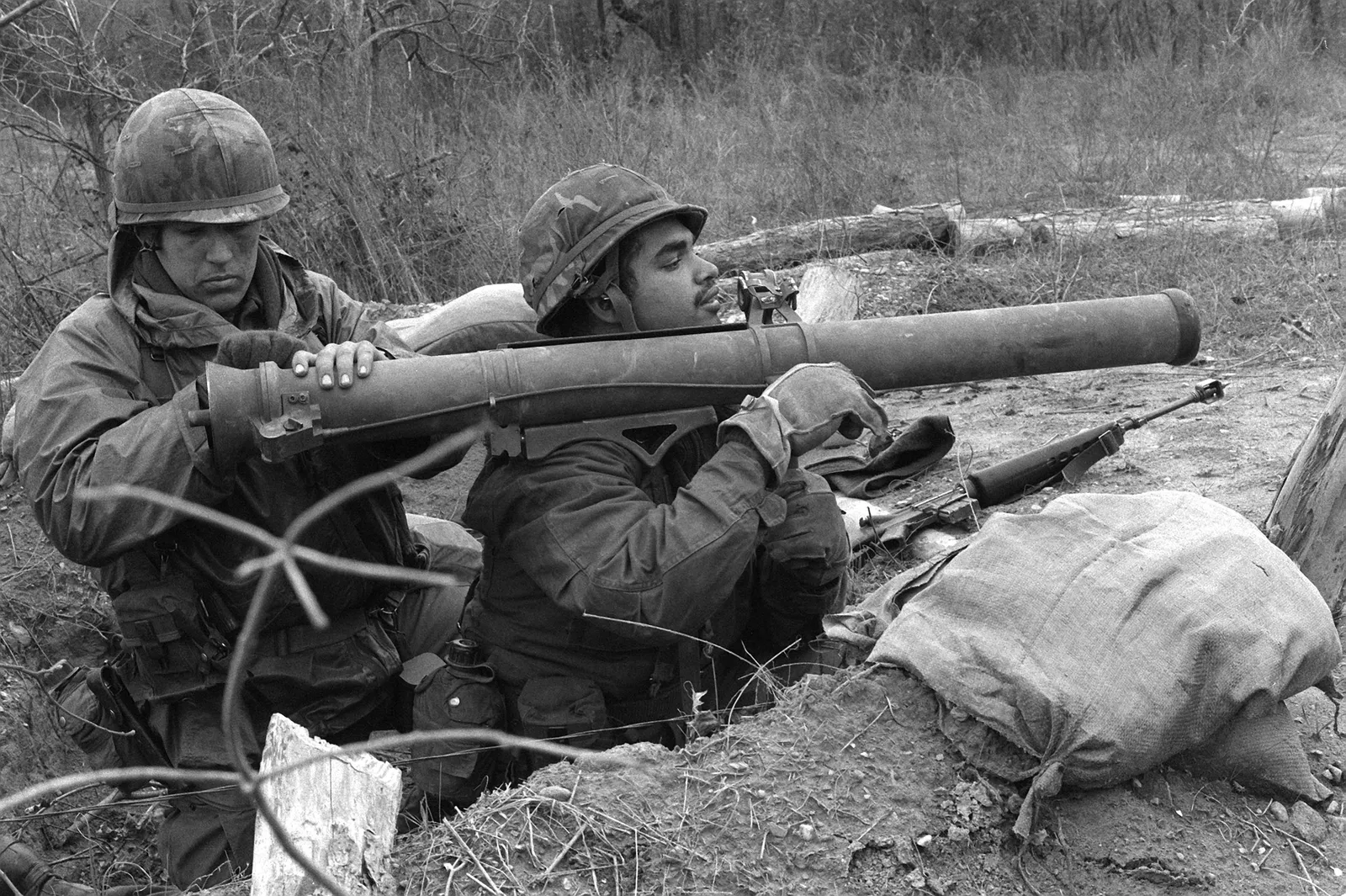
The M67 is a U.S.-origin 90 mm recoilless rifle designed as a portable direct-fire weapon against armor, fortifications, and troops in the open. In the Battle of Marawi context, reporting on Maute and allied IS-inspired fighters identified 90 mm recoilless rifles, or 90-RRs, as antitank weapons used against Philippine armored vehicles in dense urban fighting.

Conflict side
IS-aligned militants
Built by
U.S. government productionKia Motors
Built in
United States; South Korea

Profile

Type
Crew-served 90 mm recoilless rifle
Conflict side
IS-aligned militants
Origin
United States
Service note
Entered service in 1959; remained in limited service with several operators into the 21st century
anti-tankportablerecoilless rifle

Service History

In service
Entered U.S. service in 1959; later retained or produced in limited service by several allied operators
Used by
IS-aligned militants in Marawi, United States Army, Republic of Korea armed forces
Wars
Battle of Marawi, Vietnam War

Production History

Designer
United States
Designed
1950s
Built by
U.S. government productionKia Motors
Built in
United States; South Korea
Unit cost
Not publicly standardized
Produced
Late 1950s through late 1980s or later for licensed South Korean production
Number built
Produced in large numbers
Variants
M67, KM67, EM67

Specifications

Caliber
90 mm
Crew
Normally 3: gunner, loader, and ammunition bearer
Weight
17 kg empty with sight; 21.2 kg with HEAT round
Length
1,346 mm
Operation
Smoothbore breech-loaded recoilless rifle with significant backblast
Sights
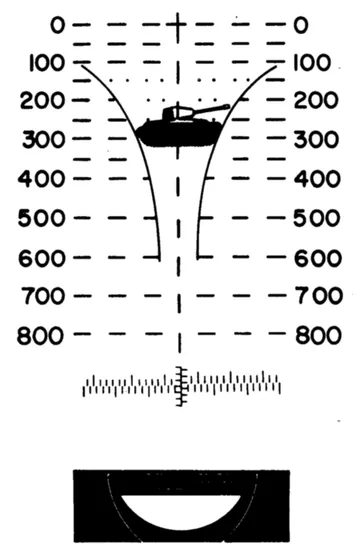
3x M103 or M103A1 optical sight
Practical range
About 300-400 m depending on ammunition
Rate of fire
2 rounds per minute practical; 1 round per minute sustained
Penetration
M371A1 HEAT round cited at about 350 mm RHA or 0.8 m concrete

Conflict Usage

Battle of Marawi
Side: IS-aligned militantsRole: Anti-armor ambush and direct-fire supportanti-tankstrike

Inquirer reporting from Marawi identified 90 mm recoilless rifles, commonly called 90-RRs, among the antitank weapons used by IS-inspired fighters against Philippine armored vehicles; the source supports the 90 mm recoilless-rifle class, while M67/KM67 background sources identify the standard 90 mm recoilless-rifle family represented here.

M67 90 mm recoilless rifle Images

Related Weapon Systems

9K115 Metis, Man-portable anti-tank guided missile system, Infantry WeaponsInfantry Weapons9K115 MetisMan-portable anti-tank guided missile systemThe 9K115 Metis is a Soviet/Russian man-portable, wire-guided anti-tank guided missile family developed for company-level infantry anti-armor fire. The original AT-7 Saxhorn system emphasized a light launcher and short-range portability, while the later 9K115-2 Metis-M and Metis-M1 variants use larger 130 mm missiles, tandem HEAT or thermobaric warheads, and ranges up to 2 km. In the Russia-Ukraine War, Russian forces have been documented using the upgraded AT-13 Saxhorn-2 / Metis-M variant against Ukrainian armor.
9M113 Konkurs, SACLOS wire-guided anti-tank guided missile, Infantry WeaponsInfantry Weapons9M113 KonkursSACLOS wire-guided anti-tank guided missileThe 9M113 Konkurs, NATO reporting name AT-5 Spandrel, is a Soviet wire-guided anti-tank guided missile family built for infantry launchers and vehicle mounts such as BMP-series vehicles and the BRDM-2-based 9P148. Its SACLOS guidance, 135 mm missile body, and 4 km class engagement range kept it useful after the Cold War, including documented employment in Ukraine and Armenian/Artsakh 9P148 Konkurs losses during the 2020 Nagorno-Karabakh fighting.

Sources