Direct proof of use
DVIDS documented M67 90 mm recoilless rifles in the 2001 War in Afghanistan through a Combined Joint Task Force 101 story from Paktika Province. The story says soldiers from 4th Brigade Combat Team, 101st Airborne Division began incorporating the M67 into their squads on February 10, 2011, after receiving the weapons and completing initial training at Forward Operating Base Orgun-E.
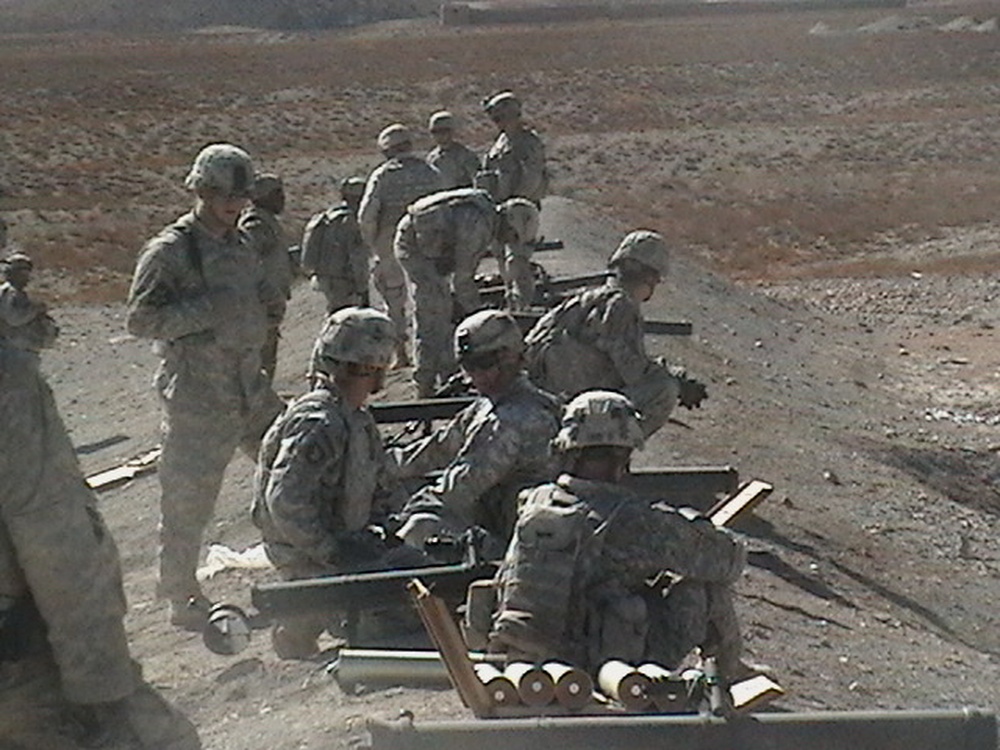
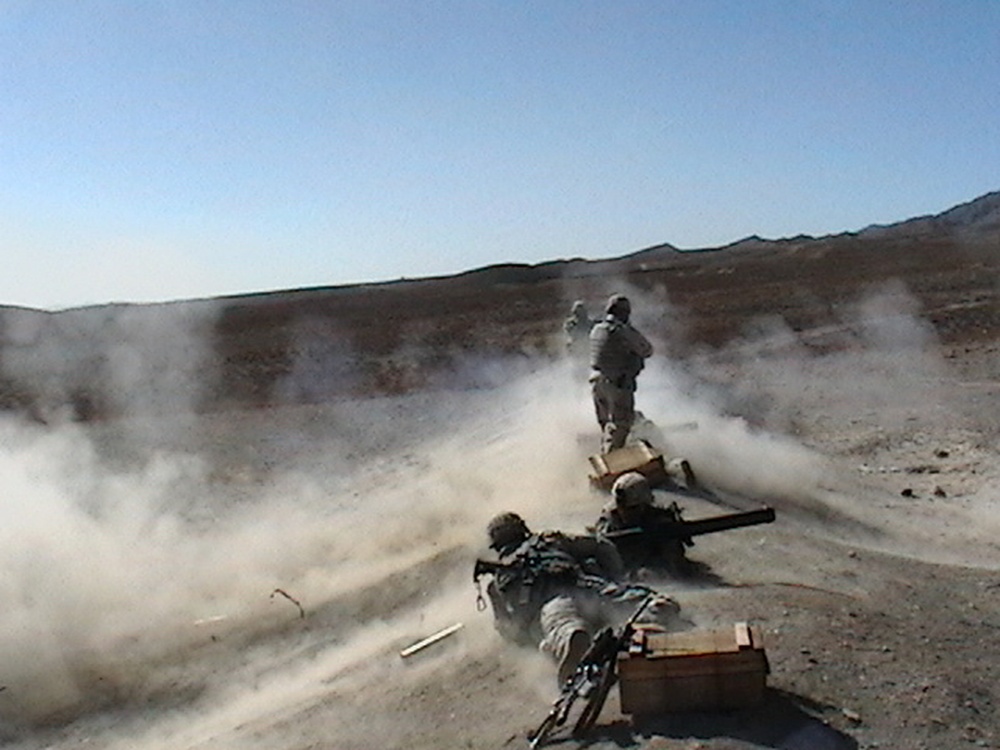
The documented users were U.S. Army soldiers from the 1st and 2nd Battalions, 506th Infantry Regiment, 4th Brigade Combat Team, 101st Airborne Division. DVIDS image captions from January 27, 2011 show those soldiers firing the M67 at the FOB Orgun-E range and state that they fired roughly 150 rounds of 90 mm ammunition during practice firing.
Sources: DVIDS Currahees Arsenal, DVIDS M67 Image 1, DVIDS M67 Image 2
Timeline
On January 27, 2011, DVIDS imagery placed the M67 at Forward Operating Base Orgun-E in Paktika Province during practice firing by soldiers from the 506th Infantry Regiment. The images identify the weapon, location, unit, and approximate ammunition expenditure during the range event.
The accompanying February 2011 story reported that the brigade began incorporating the M67 into squads on February 10. The article described the recent receipt of the weapons and the first training session, with noncommissioned officers expected to return to their companies and train other soldiers.
Sources: DVIDS Currahees Arsenal, DVIDS M67 Image 1, DVIDS M67 Image 2
Role in Afghanistan
The Afghanistan record ties the M67 to U.S.-led coalition ground forces rather than to Afghan government or Taliban use. The brigade described the weapon as a low-collateral, high-volume firepower option for infantrymen in static positions, especially at outlying stations where a crew-served weapon could act as a force multiplier.
DVIDS attributed two intended roles to unit personnel: mainly defensive use from fixed positions, and possible offensive use in ambushes. The same reporting identifies the 90 mm flechette round as relevant to area-target fire and says the M67 remained viable for Currahee soldiers in Operation Enduring Freedom.
Sources: DVIDS Currahees Arsenal
Evidence limits
The available direct sources support fielding, training, and intended employment in Afghanistan. They do not document a separately dated combat engagement in which a Currahee squad fired the M67 at enemy forces, so this record treats the Afghanistan use as documented fielding and operational incorporation for defensive and fire-support roles.
Sources: DVIDS Currahees Arsenal, DVIDS M67 Image 1, DVIDS M67 Image 2