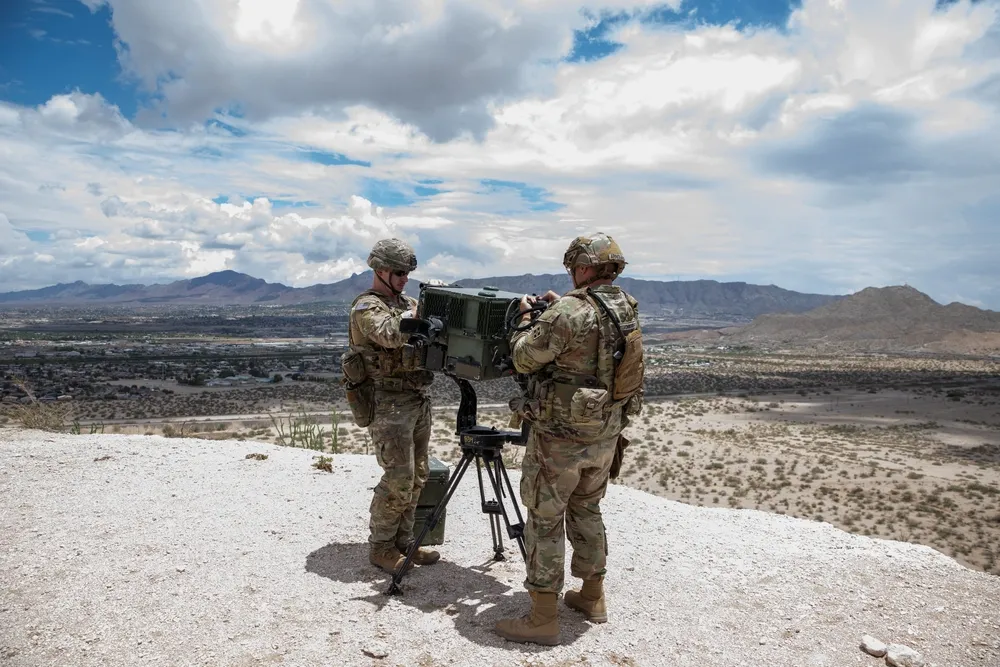

A U.S. Army War College case study says LRAS3 was fielded with the 3rd Infantry Division during Operation Iraqi Freedom and shaped the Tallil Air Base attack by improving scout observation, situational awareness, and observed precision fires.
Support Equipment
Long Range Advanced Scout Surveillance System
Also known as
- LRAS3
- LRAS-3
- Long-Range Advanced Scout Surveillance System
- AN/TAS-8
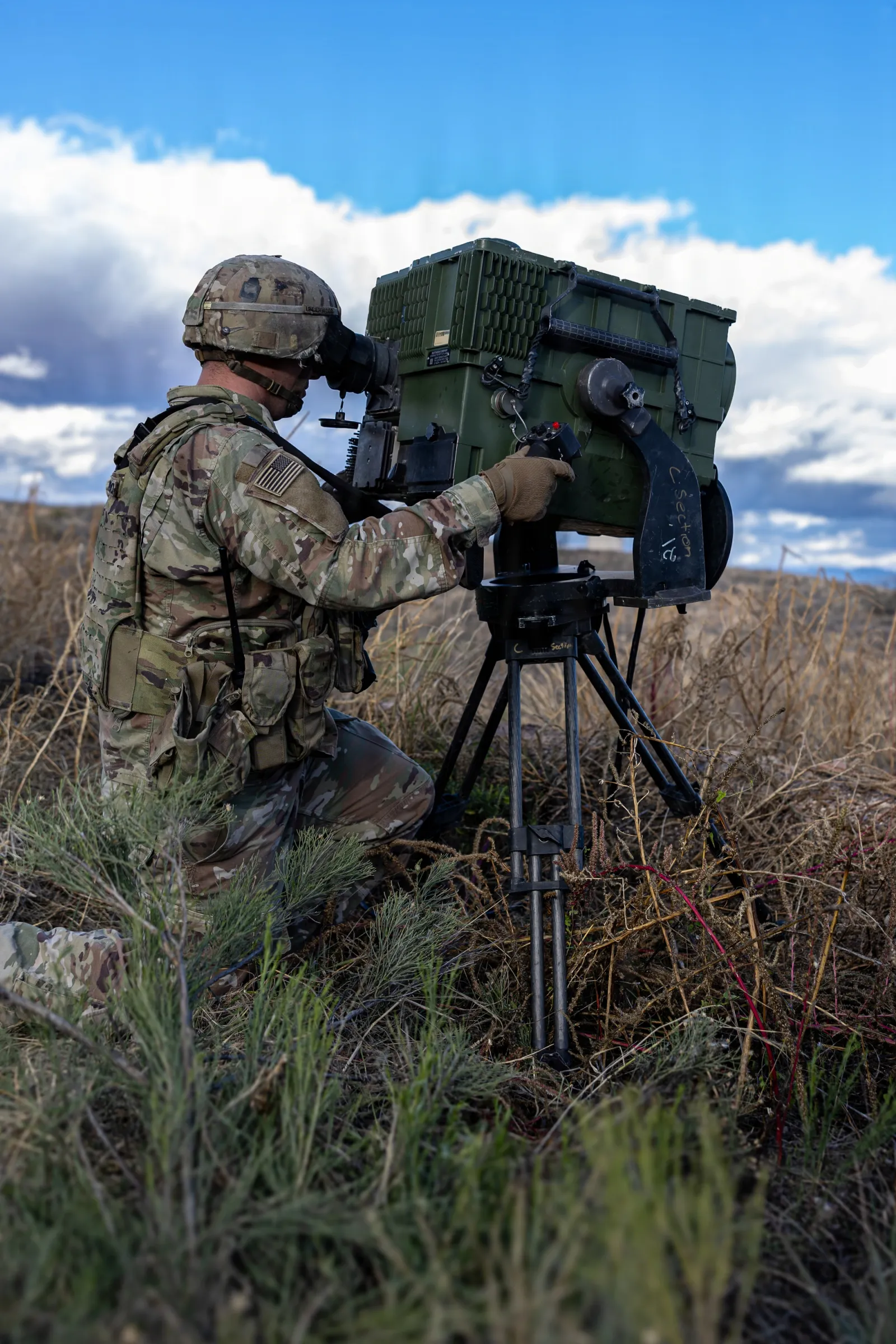
The Long Range Advanced Scout Surveillance System, commonly LRAS3, is a U.S. Army scout and observer sensor suite for long-range reconnaissance, surveillance, target detection, identification, geolocation, and target handoff. Army and Raytheon sources describe FLIR, day-camera, GPS, laser-rangefinder, tripod, vehicle, mast, tower, remote-operation, and networked sensor-to-shooter roles, with direct public records for LRAS3 use in Iraq and Afghanistan.
Role in Conflicts


The Combat Studies Institute's Wanat study says Task Force Rock had two LRAS3 systems in inventory and provided one to the 2nd Platoon at Wanat for around-the-clock ground surveillance.
Profile / Specs
Profile
- Origin
- United States
- Type
- Long-range electro-optical scout surveillance and target-location system
- Service note
- 2000s-present
- Designer
- Raytheon Network Centric Systems
- Produced
- Fielded in 2001; Raytheon said more than 2,600 LRAS3 units had been delivered by 2010, with upgrade, reset, and sustainment activity documented into the 2020s
Specifications
- Role
- Long-range reconnaissance, surveillance, target detection, identification, and geolocation
- Sensor Package
- Second-generation FLIR, low-light/day camera, GPS, eye-safe laser rangefinder, and altitude determination described in Army War College material
- Target Location
- Generates far-target location and hostile-force coordinates for scouts, observers, and fire-support users
- Configurations
- Vehicle-mounted, tripod-mounted, mast-mounted, tower-mounted, and remote-operation configurations described by Raytheon and Army sources
- Vehicle Mounting
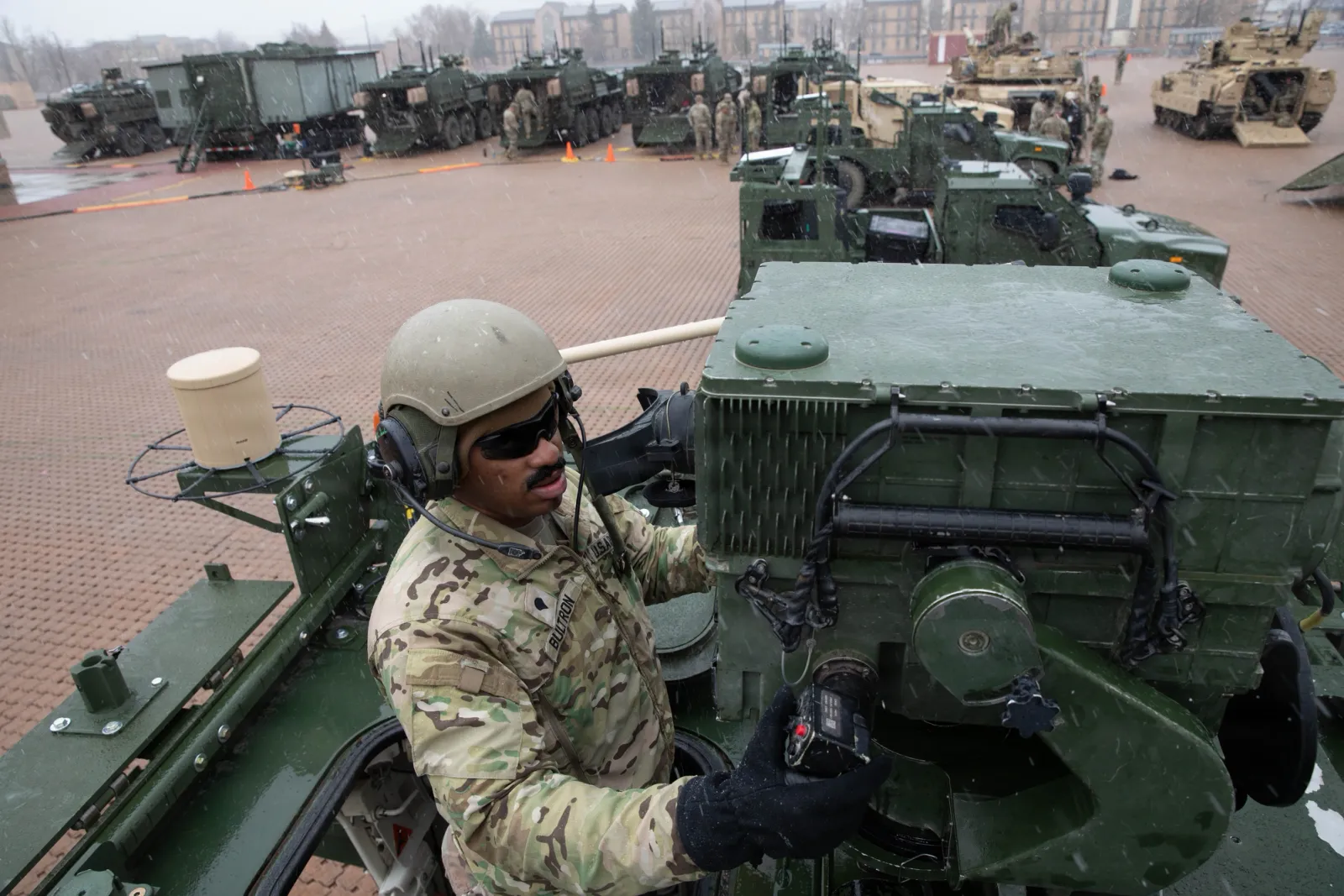
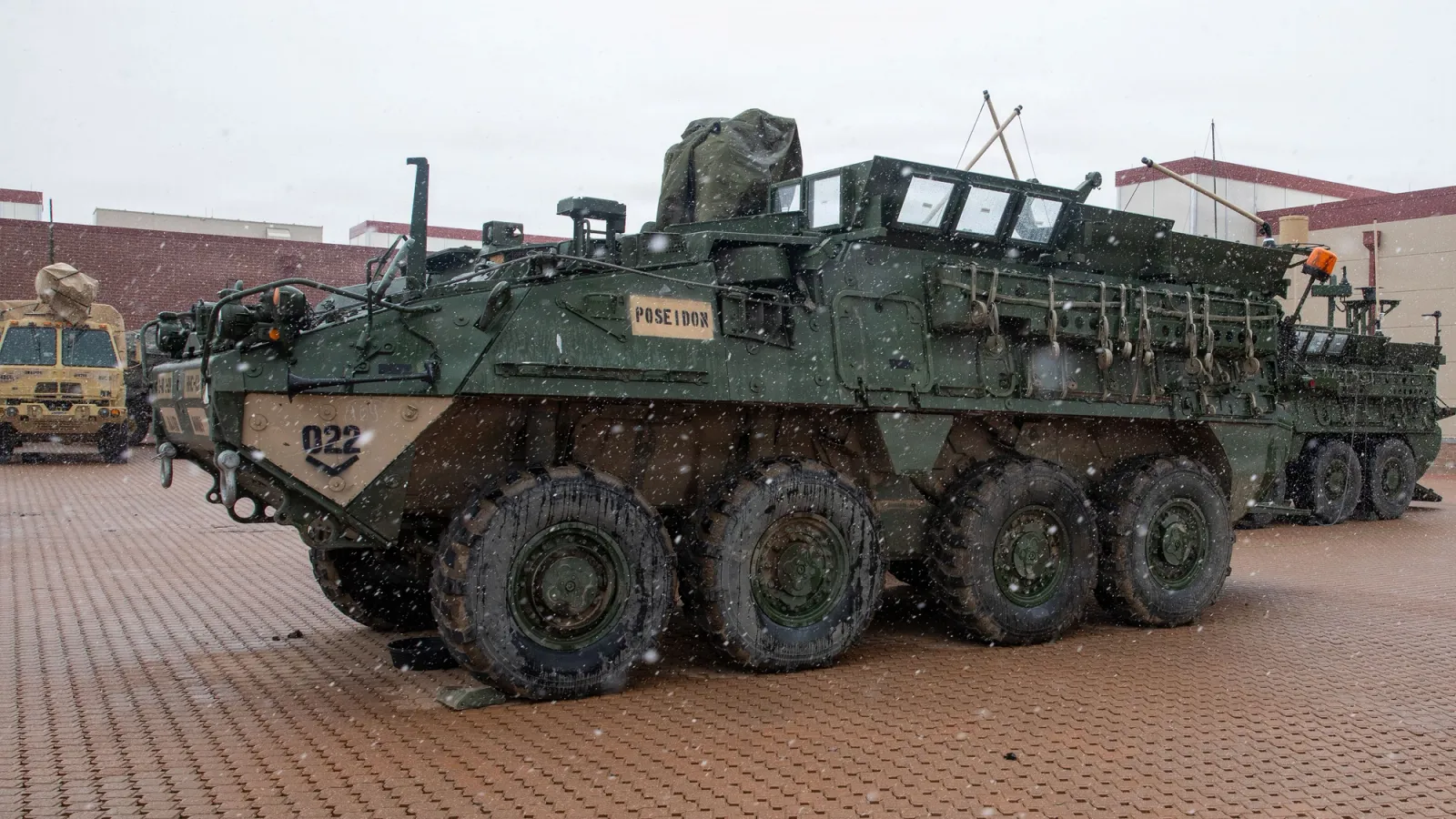
- Army reporting says LRAS3 is mounted on Humvees and Strykers and can also be used dismounted
- Detection Context
- Army reporting says LRAS3 enables long-range target detection from mobile platforms such as Stryker vehicles and concealed positions
- Enhanced Variant
- Raytheon describes eLRAS3 as reducing sensor weight and volume by 55 percent while remaining compatible with existing LRAS3 platforms
- Fielding Scale
- Raytheon said more than 2,600 LRAS3 units had been delivered by July 2010
Variants
Public sources describe LRAS3 as a family of scout and fire-support sensor configurations rather than as a single fixed mount.
| Variant | Configuration | Designation notes |
|---|---|---|
| Baseline LRAS3 | Second-generation scout surveillance system | Army reporting describes LRAS3 as a multi-sensor scout system fielded in 2001 with FLIR, GPS, a laser rangefinder, and hostile-force coordinate generation. |
| Netted LRAS3 | Network-ready counter-sniper and target-location sight | Raytheon said net-ready LRAS3 sights could receive Boomerang acoustic cues, identify and geolocate a sniper, and send target-location and image data through the network. |
| Enhanced LRAS3 (eLRAS3) | Reduced-size enhanced sensor | Raytheon described eLRAS3 as the next-generation system, fully compatible with existing LRAS3 platforms and reducing sensor weight and volume by 55 percent. |
| Remote Operation Kit | Remote-control configuration | Raytheon said the kit lets operators use LRAS3 or eLRAS3 from a handheld controller and graphical interface in tripod, mast, tower, or vehicle-mounted configurations. |
Mounting Platforms
Army sources describe LRAS3 as a scout sensor that can move between vehicle-mounted and dismounted observation roles.
| Carrier | Carrier type | Carriage evidence |
|---|---|---|
 | 8x8 armored vehicle family | Army border-security reporting describes LRAS3 use from mobile platforms such as the Stryker armored vehicle, while DVIDS imagery shows soldiers operating and mounting LRAS3 with Stryker units. Sources: DOD systems bolster border security operations, Ivy Sting 5 LRAS3 image |
 | Light tactical vehicle | Army depot reporting says LRAS3 is mounted on Humvees and Strykers and can also be used in a dismounted configuration. |
Networked Target Handoff
Raytheon material describes LRAS3 as a sensor node that can cue, confirm, or hand off target information to other systems.
| Compatible item | Item type | Compatibility evidence |
|---|---|---|
 | Precision-guided missile | In a 2015 demonstration, Raytheon connected remotely operated LRAS3/eLRAS3 sensors through a laptop and controller to a nearby Griffin launcher, using the sensors to identify and confirm target coordinates. |
Sensor And Target-Location Chain
LRAS3 is best documented as a scout and observer sensor rather than as an independent weapon. Public Army and Raytheon sources describe a chain that starts with long-range visual detection, adds location data, and can pass target information to fire-support or networked response systems.
Observation
FLIR, low-light or day-camera imagery, and standoff optics let scouts observe and identify targets from protected, concealed, or vehicle-mounted positions.
Location
GPS, altitude data, and an eye-safe laser rangefinder support far-target location and coordinate generation for hostile forces or observed targets.
Handoff
Networked LRAS3 configurations can pass target-location or image data, while Raytheon demonstrated LRAS3/eLRAS3 handoff to a Griffin missile launcher.
Timeline
Long Range Advanced Scout Surveillance System Key Events
LRAS3 fielded
Army depot reporting says LRAS3 was fielded in 2001.
Sources: Key surveillance systems part of surge workload
LRAS3 used in Operation Iraqi Freedom
The Army War College's OIF case study says LRAS3 was fielded with the 3rd Infantry Division and shaped scout observation and fire planning during the Tallil Air Base attack.
Sources: Army War College Network Centric Warfare Case Study
LRAS3 present at Wanat
The Combat Studies Institute study of Wanat says TF Rock had two LRAS3 systems and provided one to the 2nd Platoon for around-the-clock surveillance.
Sources: Wanat: Combat Action in Afghanistan, 2008
Raytheon describes netted LRAS3
Raytheon said it had linked Boomerang and netted LRAS3 for counter-sniper cueing, target identification, geolocation, and digital call-for-fire options.
Sources: Raytheon LRAS3 counter-sniper release
Remote sensor-to-missile demonstration
Raytheon said LRAS3 and eLRAS3 sensors passed target information through a laptop network to a nearby Griffin launcher during a Camp Blanding exercise.
Sources: Raytheon LRAS3 sensor-to-missile release
Media
Long Range Advanced Scout Surveillance System Videos
Long Range Advanced Scout Surveillance System Images
Related Weapon Systems


Sources
Raytheon LRAS3 counter-sniper releasePublisher: Raytheon Company | Note: Supports LRAS3 identity, Raytheon Network Centric Systems manufacturer context, net-ready LRAS3 deliveries, Boomerang cueing, counter-sniper geolocation, image-data handoff, and digital call-for-fire context. | Accessed: 2026-07-13Raytheon LRAS3 sensor-to-missile releasePublisher: Raytheon Company | Note: Supports LRAS3 and eLRAS3 function, remote operation kit configurations, enhanced variant compatibility, and the 55 percent sensor weight and volume reduction claim. | Accessed: 2026-07-13JRTC LRAS3 training articlePublisher: U.S. Army | Note: Supports LRAS3 as a long-range multi-sensor scout system that detects, recognizes, identifies, and geolocates distant targets during 24-hour reconnaissance and surveillance missions. | Accessed: 2026-07-13Key surveillance systems part of surge workloadPublisher: U.S. Army | Note: Supports LRAS3 fielding in 2001, FLIR/GPS/laser-rangefinder/inclinometer context, Humvee and Stryker mounting, dismounted use, and Iraq/Afghanistan sustainment background. | Accessed: 2026-07-13Army War College Network Centric Warfare Case StudyPublisher: U.S. Army War College | Note: Supports 2003 Iraq War direct use: LRAS3 was fielded by the U.S. 3rd Infantry Division during Operation Iraqi Freedom and affected scout observation, situational awareness, and observed precision fires during the Tallil Air Base attack. | Accessed: 2026-07-13Army FY2007 supplemental LRAS3 OIF resetPublisher: U.S. Army | Note: Supports 2003 Iraq War direct use: Army budget material documents Theater Provided Equipment LRAS3 systems fielded in OIF and battle-damaged LRAS3 sights in OIF. | Accessed: 2026-07-13Wanat: Combat Action in Afghanistan, 2008Publisher: Combat Studies Institute Press | Note: Supports 2001 War in Afghanistan direct use: the Wanat study says U.S. forces used LRAS3 at Wanat when Task Force Rock gave one system to 2nd Platoon for around-the-clock ground surveillance. | Accessed: 2026-07-13DOD systems bolster border security operationsPublisher: U.S. Army | Note: Supports current public description of LRAS3 sensors, Stryker-mounted use, concealed-position use, and long-range detection role. | Accessed: 2026-07-13LRAS3 DVIDS imagePublisher: Defense Visual Information Distribution Service | Note: Image provenance and public-domain credit for the LRAS3 tripod photograph used in this record. | Accessed: 2026-07-13Ivy Sting 5 LRAS3 and camo net setup imagePublisher: Defense Visual Information Distribution Service | Note: Image provenance and public-domain credit for a 2026 U.S. Army LRAS3 Fort Carson photograph used in the gallery. | Accessed: 2026-07-13Ivy Sting 5 LRAS3 imagePublisher: Defense Visual Information Distribution Service | Note: Image provenance and public-domain credit for a 2026 U.S. Army photograph of a Stryker preparing to operate LRAS3. | Accessed: 2026-07-13Soldier operates LRAS3 imagePublisher: Defense Visual Information Distribution Service | Note: Image provenance and public-domain credit for a 2026 U.S. Army photograph of a soldier operating LRAS3 near Nogales, Arizona. | Accessed: 2026-07-13