The Iranian integrated air-defense system is the national command, radar, and surface-to-air missile network used to defend Iranian airspace and strategic sites. It combines the Khatam al-Anbiya command structure, domestic systems such as Bavar-373 and Khordad-family SAMs, imported Russian S-300 batteries, and older Soviet or Russian equipment. Recent Israel-Iran and United States-Iran conflict reporting treats the network as a fielded but heavily pressured air-defense layer whose radars, command sites, and long-range batteries became major suppression targets.
During the 2025 Israel-Iran Conflict, Iran fielded a layered air-defense network of imported S-300PMU batteries and domestic SAM systems. FPRI assessed that Israeli strikes and prior S-300 losses helped Israel gain air superiority, with Iranian SAM activity remaining limited during the June 2025 air war.
During the 2020 United States-Iran Conflict, Iran fielded air-defense systems against U.S. aircraft, with Iranian state media reporting an A-10 hit and Iran saying a new system shot down a U.S. MQ-9 Reaper near the Strait of Hormuz. CENTCOM later said U.S. strikes targeted Iranian air-defense capabilities, radar sites, and ground control stations.
Islamic Republic of Iran Air Defense Force and Iranian defense industry
Designed
2008-present
Produced
2000s-present
Specifications
Architecture
Layered command-and-control network linking radars, command posts, and SAM batteries
Command element
Khatam al-Anbiya Air Defense Headquarters and Islamic Republic of Iran Air Defense Force structures
Sensor mix
Domestic, Soviet, and Russian radar and fire-control systems
Long-range layer
Russian S-300/S-300PMU-family batteries and Iranian Bavar-373 batteries
Medium-range layer
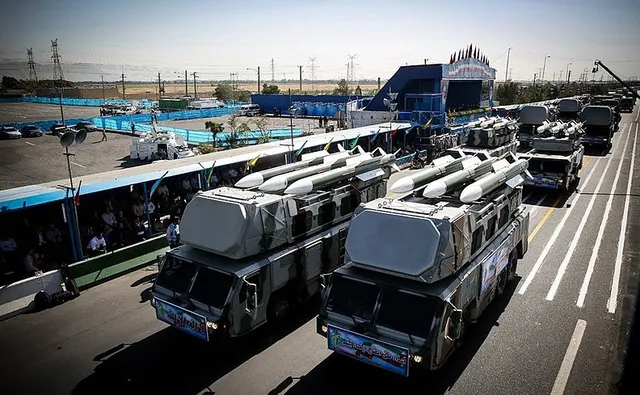
Iranian Khordad-family, Raad-family, and related mobile SAM systems
Interceptor mix
Domestic Sayyad/Taer-family missiles and imported Russian surface-to-air missiles
Operator
Islamic Republic of Iran Air Defense Force
Role
Strategic airspace defense, point defense, counter-aircraft, and counter-UAV coverage
Layered ArchitectureShowHide
Iran's air-defense network is best read as a layered system rather than a single weapon. Sources describe command nodes, radars, imported long-range batteries, domestic mobile SAMs, and older equipment with uneven integration across the national defense layer.
Layer
Documented role
Examples in the catalog
Command and radar network
National control, detection, tracking, and fire-control support for SAM batteries and point-defense units.
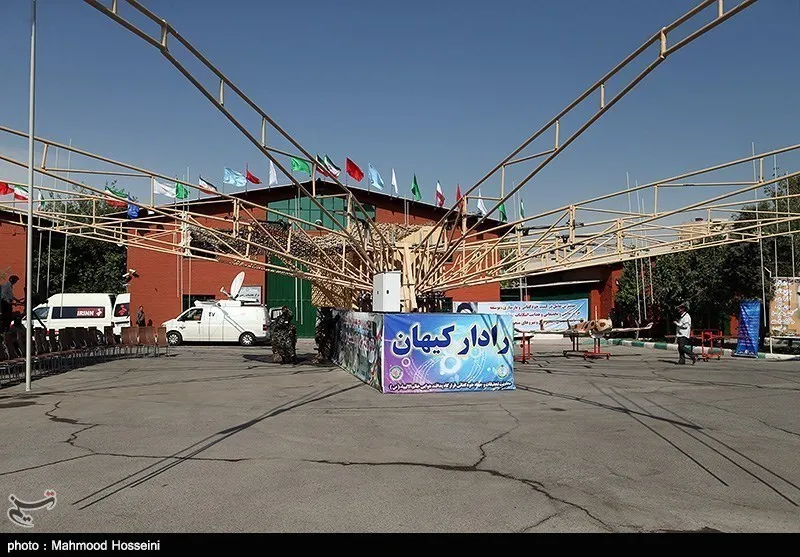
Kayhan radar image, Khatam al-Anbiya command structure, Iranian Air Defense Force operators.
Long-range strategic SAMs
Coverage around Tehran, nuclear sites, and other high-value areas, with systems that became suppression targets in recent conflicts.
Recent reporting emphasizes radars, command posts, ground control stations, and higher-end SAM batteries as targets during suppression campaigns.
2025 Israel-Iran Conflict and 2020 United States-Iran Conflict rows on this page.
Network ComponentsShowHide
Open-source references describe Iran's national air-defense network as a layered mix of imported Russian systems and domestic SAM families tied together by radar and command elements.
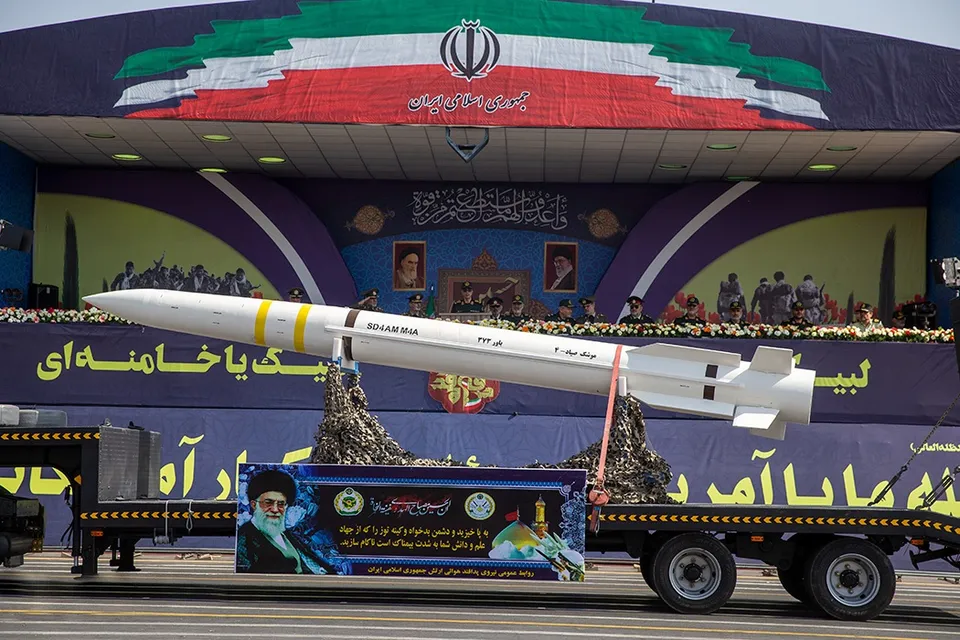
Bavar-373 is documented as Iran's domestic long-range SAM system, developed after the S-300 procurement gap and later treated in conflict reporting as part of Iran's higher-end air-defense layer.
Iranian S-300/S-300PMU-family batteries are documented as part of the long-range layer protecting major sites and as systems affected by Israeli and U.S. air-defense suppression reporting.
Sevom Khordad is a road-mobile Iranian SAM system with a self-contained TELAR and phased-array radar, representative of the mobile medium-range layer below strategic long-range batteries.
Iran reorganized the Khatam al-Anbiya air-defense structure, giving the air-defense force a more distinct national command role for radars, SAM units, and anti-aircraft artillery.
S-300 delivery fills a long-range tier
Iran received Russian S-300PMU-family systems after years of procurement delay, adding an imported long-range SAM layer to a network otherwise built around domestic and legacy systems.
Khordad-15 unveiled
Iran displayed the Khordad-15 system with claimed fighter, drone, and stealth-target detection and engagement ranges, adding another domestic Sayyad-family SAM layer.
Bavar-373 enters public service
Iran publicly fielded Bavar-373 as a domestic long-range air-defense system developed after the S-300 procurement gap.
Israel-Iran air war stresses the network
FPRI's review of the June 2025 Israel-Iran war assessed that Israeli action against Iranian air defenses, including S-300 losses and limited visible SAM activity, helped Israel gain air superiority.
Operation Epic Fury reporting describes degraded high-end systems
Business Insider reported U.S. military assessments that Iran's higher-end air defenses, including long-range systems in the layered network, were no longer major planning factors during the 2026 U.S.-Iran campaign.
CENTCOM targets air-defense capabilities
CENTCOM said U.S. strikes hit Iranian air-defense capabilities, radar sites, and ground control stations after an Iranian attack on a U.S. Apache helicopter.