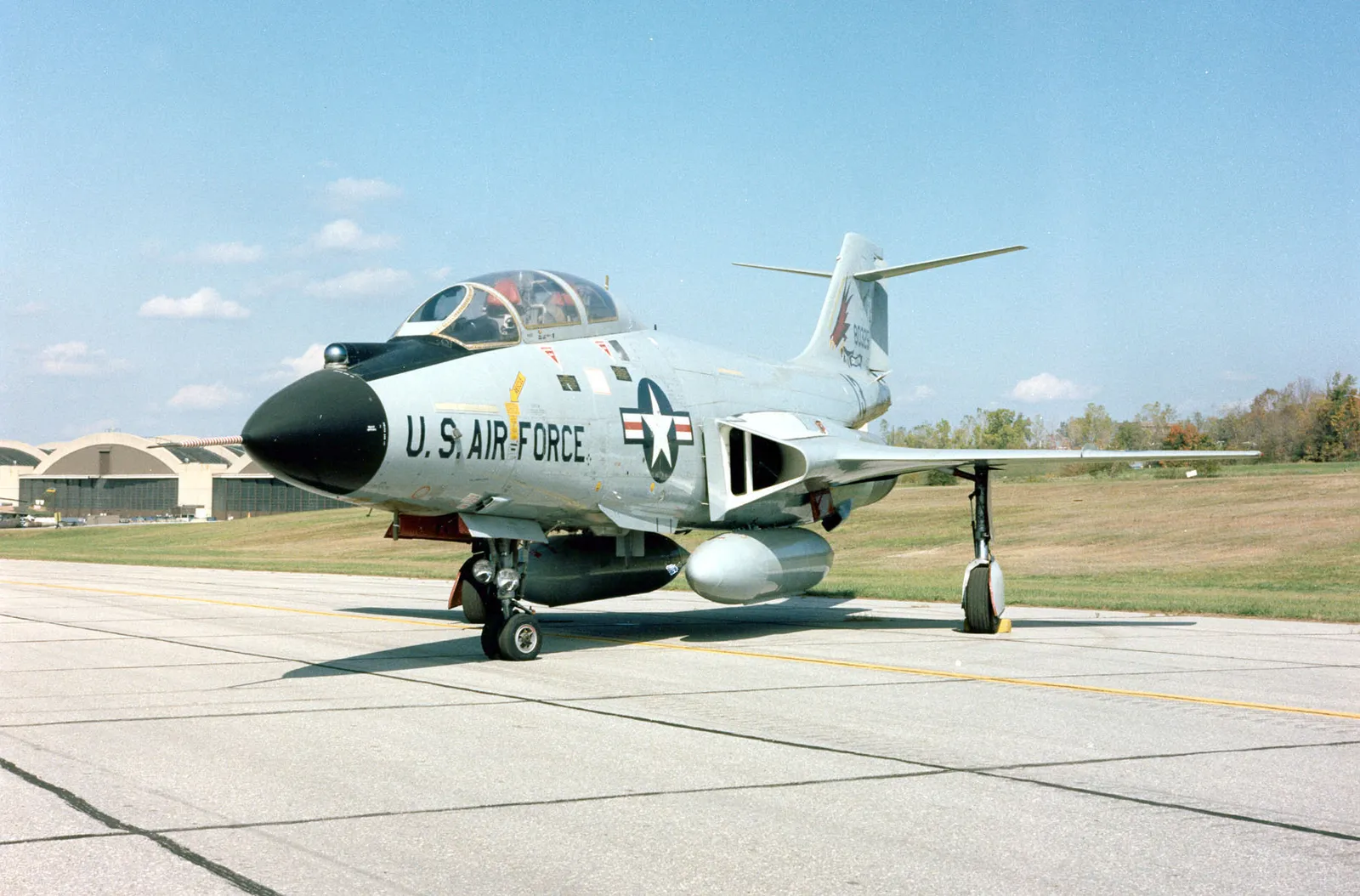
- Side
- United States and South Vietnam


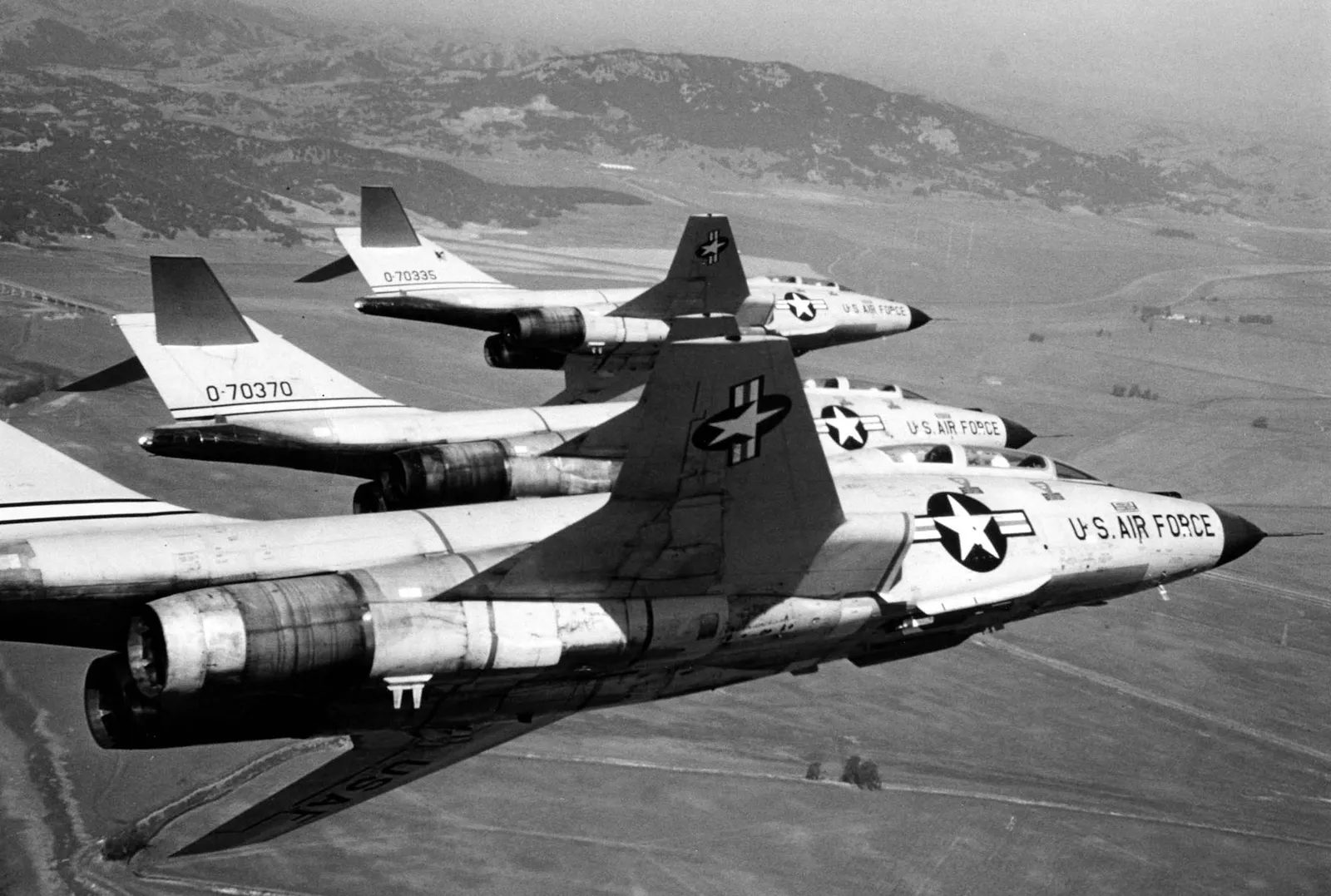
USAF RF-101C Voodoo aircraft flew reconnaissance missions in Southeast Asia, photographing positions in South Vietnam and Laos, movement on the Ho Chi Minh Trail, and targets in North Vietnam.
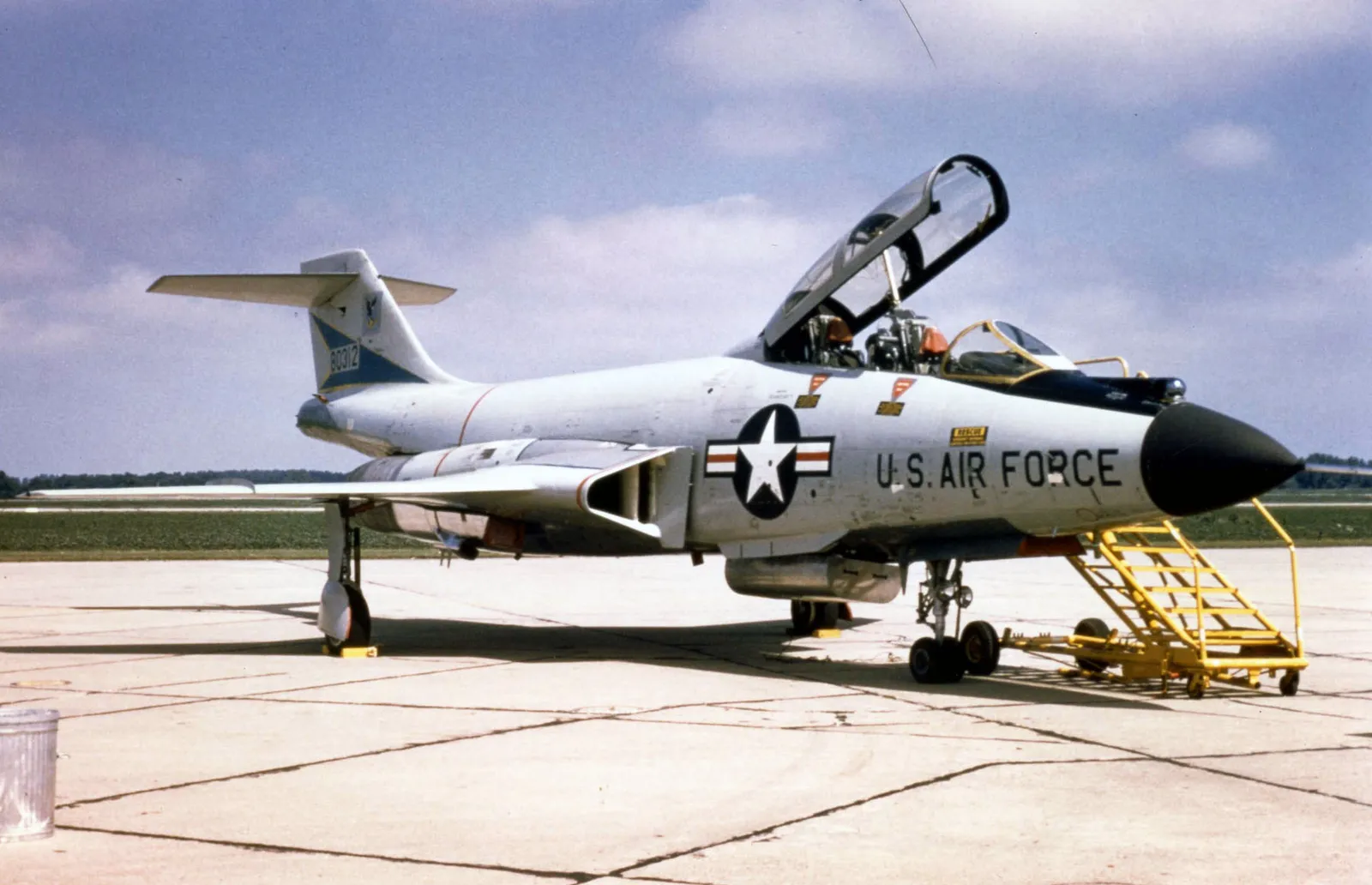
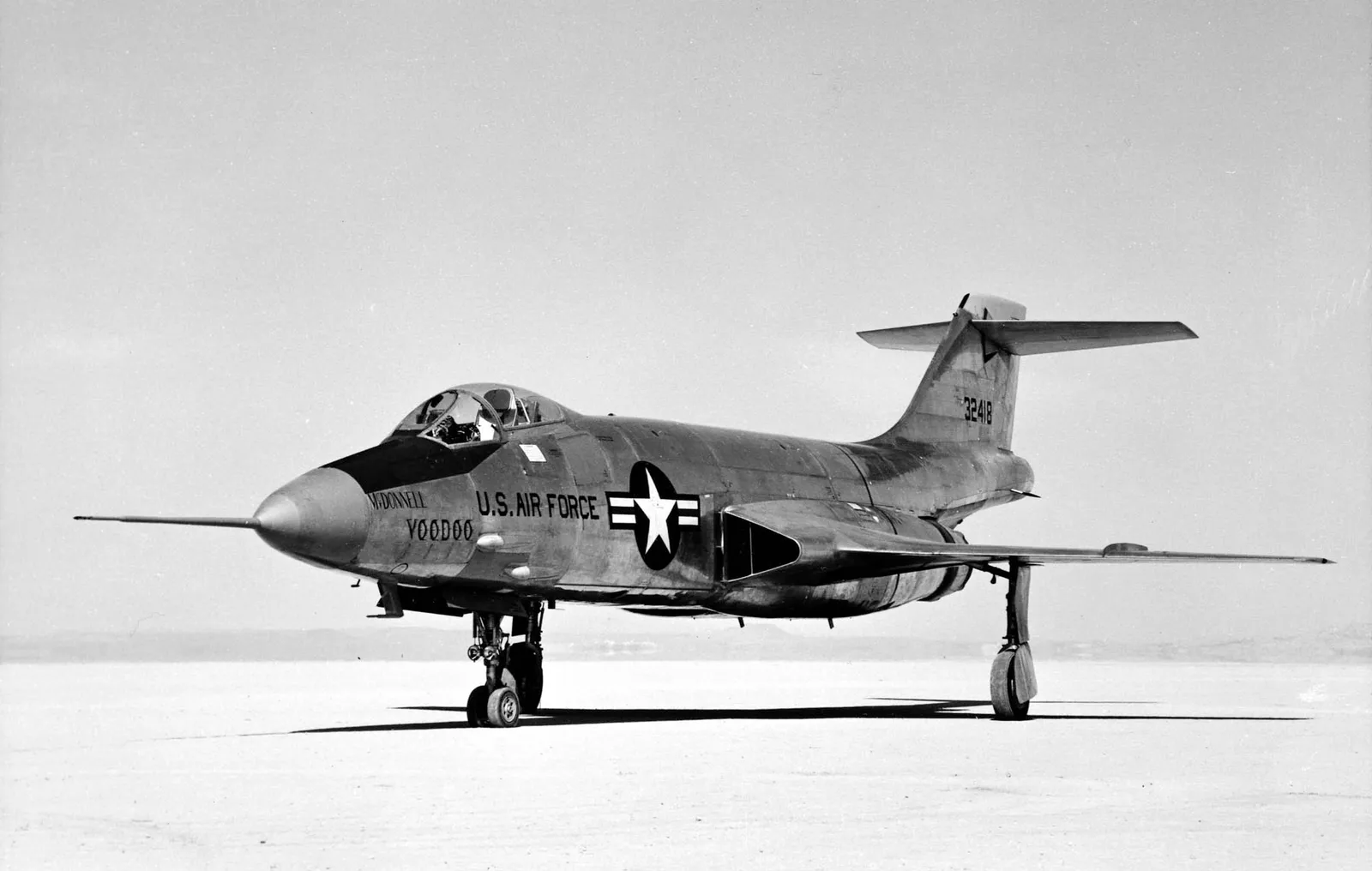
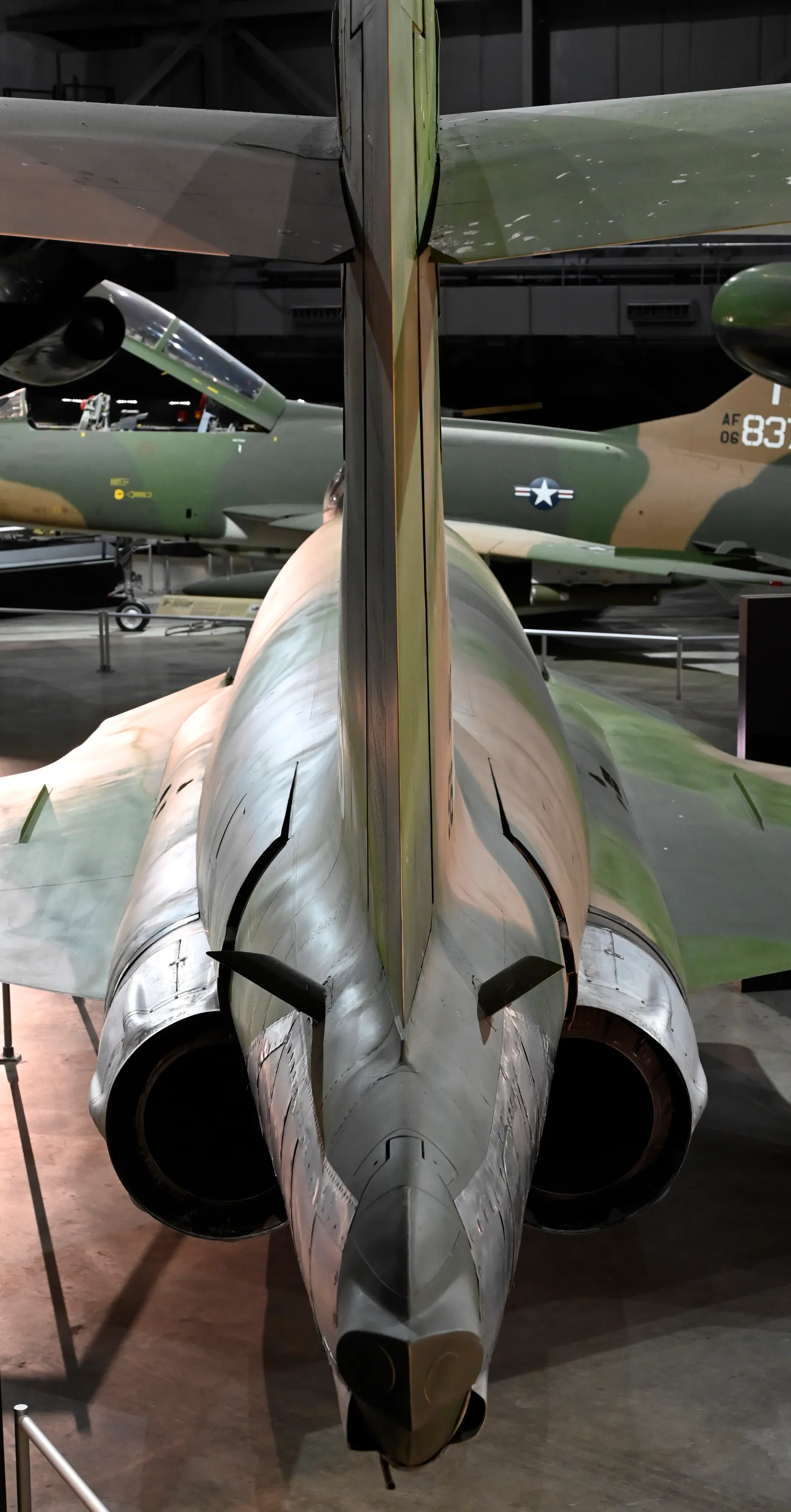
The F-101 Voodoo was a McDonnell supersonic aircraft family developed from the XF-88 penetration-fighter line. Planned first around Strategic Air Command bomber escort needs, it entered service instead as a tactical fighter-bomber, two-seat all-weather interceptor, and high-speed photo-reconnaissance platform, with RF-101C aircraft directly documented in Vietnam War reconnaissance missions.
USAF RF-101C Voodoo aircraft flew reconnaissance missions in Southeast Asia, photographing positions in South Vietnam and Laos, movement on the Ho Chi Minh Trail, and targets in North Vietnam.
The Voodoo family split from McDonnell's XF-88 lineage into single-seat fighter-bomber, reconnaissance, two-seat interceptor, trainer, and Canadian CF-101 service variants. Variant counts below keep the cited source's numbers where official museum pages differ on the total family count.
| Variant | Configuration | Designation notes |
|---|---|---|
| F-101A | Single-seat strategic fighter / fighter-bomber | Initial production fighter version; the museum table lists 77 built. Sources: McDonnell F-101A and C |
| F-101C | Improved single-seat fighter-bomber | Improved F-101A variant; the museum table lists 47 built. Sources: McDonnell F-101A and C |
| RF-101A | Photo-reconnaissance variant | Unarmed RF-101 reconnaissance development began in 1956; the museum RF-101C page lists 35 RF-101As produced. Sources: McDonnell RF-101C Voodoo |
| RF-101C | Photo-reconnaissance variant | Reinforced reconnaissance model; the museum RF-101C page lists 166 RF-101Cs produced. Sources: McDonnell RF-101C Voodoo |
| F-101B | Two-seat all-weather interceptor | Air Defense Command interceptor; the museum F-101B page says 480 F-101Bs were included in McDonnell's Voodoo production. Sources: McDonnell F-101B Voodoo |
| CF-101 Voodoo | Canadian interceptor service variant | Canada exchanged 58 older CF-101 Voodoo aircraft for 66 improved USAF F-101s under Operation PEACE WINGS from 1970 to 1972. Sources: Operation PEACE WINGS |
| RF-101G | Converted reconnaissance aircraft | Museum table lists 29 aircraft converted from F-101A airframes. Sources: McDonnell F-101A and C |
| RF-101H | Converted reconnaissance aircraft | Museum table lists 32 aircraft converted from F-101C airframes. Sources: McDonnell F-101A and C |
The F-101B interceptor configuration paired the Voodoo airframe with air-to-air armament for bomber interception.
| Carried item | Item type | Carriage evidence |
|---|---|---|
 | Nuclear air-to-air rocket | National Museum technical notes list two AIR-2A rockets as part of the F-101B armament, and the AIR-2A museum page identifies the F-101B among the primary Genie carrier aircraft. Sources: McDonnell F-101B Voodoo, McDonnell Douglas Air-2A Genie Rocket |
The Voodoo family served several Cold War roles from a common McDonnell airframe lineage, so the most useful distinction is by mission fit rather than by a single weapons load.
| Configuration | Mission fit | Documented equipment |
|---|---|---|
| F-101B | Two-seat interceptor | National Museum technical notes list two AIR-2A rockets and two AIM-4 guided missiles for the all-weather interceptor configuration. |
| F-101A/C | Single-seat fighter-bomber | The F-101A/C museum page lists M-39 20 mm guns, a removable external-store pylon, and LABS/LADD bombing equipment. |
| RF-101C | Photo reconnaissance | Museum reconnaissance material identifies RF-101C Voodoo aircraft as unarmed camera-equipped aircraft used for Southeast Asia photo reconnaissance. |
Sources: McDonnell F-101B Voodoo; McDonnell F-101A and C; McDonnell RF-101C Voodoo; Photo-reconnaissance: Alone, Unarmed and Unafraid.
The first Voodoo, an F-101A fighter version, made its initial flight on September 29, 1954.
Sources: McDonnell RF-101C Voodoo, McDonnell F-101B Voodoo
Development of the unarmed RF-101 reconnaissance version began in 1956.
Sources: McDonnell RF-101C Voodoo
The first production F-101A became operational in May 1957.
Sources: McDonnell F-101B Voodoo
The F-101C followed the F-101A into operational service in September 1957.
Sources: McDonnell F-101B Voodoo
RF-101C aircraft from the 363rd Tactical Reconnaissance Wing set three transcontinental speed records.
Sources: Operation Sun Run
The two-seat all-weather F-101B interceptor became operational in January 1959.
Sources: McDonnell F-101B Voodoo
Voodoo production ended in March 1961; official museum pages list different family totals, with the F-101B page saying 785 aircraft and the RF-101C page saying 807.
Sources: McDonnell F-101B Voodoo, McDonnell RF-101C Voodoo
Canada began the operation that exchanged older CF-101 aircraft for upgraded USAF F-101s.
Sources: Operation PEACE WINGS